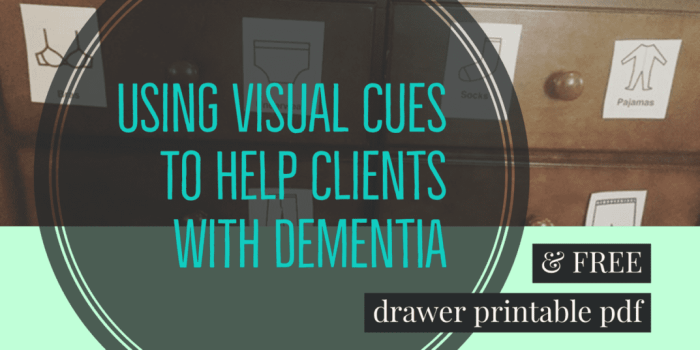
Visual clues to dementia diagnosis are subtle yet significant indicators that can aid in early detection. This blog post explores the various visual cues potentially associated with dementia, ranging from subtle changes in facial expressions to alterations in posture and eye contact. Understanding these visual indicators can be crucial for early intervention and support for those affected.
We’ll delve into the complexities of recognizing these clues, examining how they differ across various dementia types like Alzheimer’s, vascular dementia, and more. This exploration will also discuss the limitations of relying solely on visual cues and highlight the importance of professional evaluation alongside these observations.
Introduction to Visual Clues
Visual clues can be subtle indicators of potential dementia, though they are not definitive diagnoses. These clues, often observed by family members and caregivers, can sometimes provide early hints of cognitive decline. Recognizing these visual cues can prompt further investigation and lead to earlier interventions. However, it’s crucial to remember that visual cues alone are insufficient for a diagnosis.
A thorough medical evaluation, including cognitive assessments and neurological testing, is essential.Understanding these potential visual indicators can be a valuable tool for early detection, potentially enabling prompt interventions and support for individuals experiencing cognitive decline. However, it is essential to avoid making assumptions or jumping to conclusions based solely on visual cues. A comprehensive assessment by a healthcare professional is always necessary.
Visual Indicators Potentially Associated with Dementia
Various visual cues might suggest cognitive decline, although they are not exclusive to dementia. These can include difficulty with complex visual tasks, like identifying faces or objects, or difficulty following directions involving visual information. Changes in visual attention, such as an inability to focus on visual details, or difficulties with visual-spatial processing (e.g., judging distances or depth) are also worth noting.
These observations should be carefully documented and shared with a healthcare professional for further evaluation.
Types of Dementia and Their Potential Visual Manifestations
Different types of dementia may present with varying visual characteristics. Alzheimer’s disease, for example, can manifest in difficulties with facial recognition, trouble with visual-spatial tasks like navigating familiar surroundings, and a progressive decline in the ability to interpret visual information. Vascular dementia may be associated with visual field deficits, or difficulty with tasks involving visual processing, often accompanied by other neurological symptoms.
Lewy body dementia can present with visual hallucinations, often involving complex imagery or people, and fluctuating alertness. Frontotemporal dementia, while not always presenting with overt visual impairments, can sometimes show difficulties with visual judgment or planning tasks that require visual processing.
Importance of Recognizing Visual Clues in Early Diagnosis
Early detection of dementia is crucial for effective management and support. Visual cues, when observed alongside other symptoms, can act as a significant signal for potential cognitive decline. Early recognition allows for the initiation of appropriate interventions, including lifestyle adjustments, support groups, and medical interventions, which may slow the progression of the disease and improve the quality of life for individuals affected.
Limitations of Solely Relying on Visual Clues for Diagnosis
While visual cues can be helpful indicators, they are not sufficient for a definitive diagnosis of dementia. Other factors, such as medical history, cognitive function tests, and neurological examinations, are essential to accurately determine the presence and type of dementia. Visual clues alone could lead to misdiagnosis or delayed intervention if not accompanied by a comprehensive assessment. Misinterpreting visual cues as indicators of dementia could also lead to unnecessary anxiety or concern for individuals experiencing normal age-related changes.
Identifying Visual Indicators
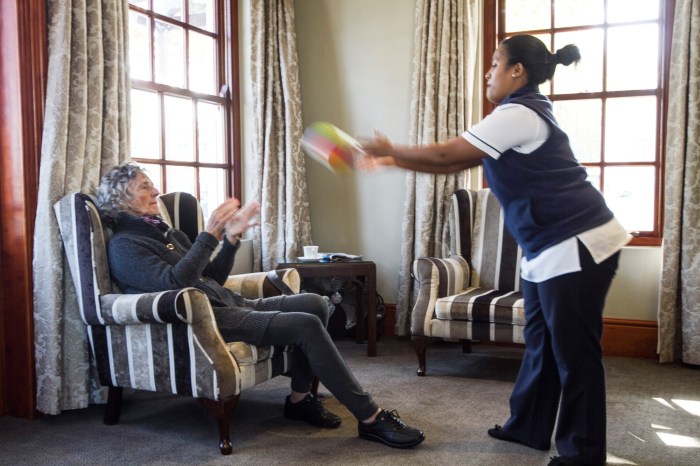
Recognizing subtle visual changes can be a crucial early indicator of cognitive decline. While not definitive diagnoses, these visual clues can prompt further evaluation and raise suspicion of dementia. Observing patterns and inconsistencies in facial expressions, eye contact, posture, and other nonverbal cues can help caregivers and healthcare professionals identify potential issues.Understanding how these visual behaviors might vary across different dementia types is essential.
For instance, someone with Alzheimer’s might exhibit different visual indicators compared to someone with vascular dementia. This variance is due to the differing neurological pathways affected by each type of dementia.
Visual Behaviors Suggesting Cognitive Decline
Visual cues are important indicators for dementia. Changes in facial expressions, eye contact, and posture often accompany cognitive decline. These changes may vary depending on the underlying cause of the cognitive impairment.
While visual clues can sometimes hint at dementia, it’s a complex diagnosis. Spotting subtle changes in facial expressions or gait can be a starting point, but often more in-depth assessments are needed. For example, if you’re considering medication comparisons like Wellbutrin vs. Zoloft, understanding the similarities and differences in their effects is crucial wellbutrin vs zoloft similarities and differences.
Ultimately, accurate diagnosis requires a combination of medical history, cognitive testing, and potentially brain scans. These visual cues are only part of the puzzle.
- Facial Expressions: Flattened affect, reduced emotional range, or inappropriate expressions (laughing or crying without apparent reason) might suggest cognitive decline. For example, a previously expressive individual might now appear apathetic, displaying little joy or sadness, even in emotionally charged situations. This might be a sign of a decrease in emotional processing. Alternately, inappropriate emotional responses, such as outbursts of anger or laughter, could also point towards a problem with emotional regulation.
- Eye Contact: Difficulties with sustained eye contact, or avoidance of eye contact, can indicate a decline in social awareness and engagement. This could be a result of impaired understanding of social cues or reduced attention span. For example, a person who used to maintain eye contact during conversations may now avert their gaze or stare blankly.
- Posture and Body Language: Changes in posture, such as slumped shoulders, or reduced physical engagement during interactions, can reflect a decreased awareness of their body or surroundings. A person might also appear uncoordinated or unsteady, affecting their balance and gait. For example, a person who once held their head high and walked with a confident stride might now walk with a shuffling gait and appear withdrawn.
- Nonverbal Communication: Difficulties understanding or expressing nonverbal cues, such as gestures, body language, or facial expressions, can be significant. For example, a person might not recognize or understand a gesture made by someone else or have trouble interpreting the emotional tone of a conversation.
Visual Clues Across Dementia Types
Different types of dementia can present unique visual indicators. It is important to consider the potential variations in visual behavior when assessing someone suspected of having dementia.
| Dementia Type | Visual Clues | Examples |
|---|---|---|
| Alzheimer’s Disease | Flat affect, decreased emotional expression, difficulties with eye contact, difficulty understanding nonverbal cues, and changes in posture (slouching). | A previously lively individual may now appear apathetic, with minimal facial expressions and reduced engagement in conversations. They might struggle to follow the emotional tone of a conversation. |
| Vascular Dementia | Changes in facial expressions, particularly sudden mood swings, and difficulty maintaining eye contact. They may also exhibit impaired coordination, affecting their posture and gait. | A person might experience abrupt shifts in mood, from calm to agitated, and have difficulty maintaining focus and attention. They might display unsteadiness in their movements. |
| Lewy Body Dementia | Hallucinations, fluctuating alertness, rapid shifts in attention, and sleep disturbances. These can be visual or auditory. | A person might report seeing or hearing things that aren’t there (visual or auditory hallucinations). They might experience sudden periods of drowsiness or confusion. |
| Frontotemporal Dementia | Changes in social behavior, reduced empathy, inappropriate outbursts of laughter or anger, or unusual perseverative behaviors (repeated actions). | A person might become socially inappropriate, showing little regard for social norms or exhibiting inappropriate behavior. They might engage in repetitive behaviors, such as hand-wringing or pacing. |
Comparing Visual Clues Across Dementia Types
Visual clues can be crucial indicators in the early detection of dementia, but these clues can vary significantly depending on the specific type of dementia. Understanding the differences in visual manifestations across various dementia types is vital for accurate diagnosis and personalized care. This exploration will delve into the nuances of visual symptoms, highlighting the unique characteristics of Alzheimer’s, Lewy body dementia, and frontotemporal dementia.
Spotting visual clues can be surprisingly helpful in diagnosing dementia. For example, changes in facial expressions or body language can sometimes indicate early stages of cognitive decline. Interestingly, similarly subtle shifts in behavior can sometimes also relate to phobias, such as a fear of dogs, which can be linked to a specific anxiety response fear of dogs cynophobia.
Ultimately, these visual cues, while not definitive, can be valuable pieces of the puzzle in a comprehensive dementia assessment.
This will help healthcare professionals differentiate between these conditions and tailor interventions based on specific visual patterns.Identifying and comparing visual indicators across dementia types is a complex process, requiring careful consideration of not only the presence of specific symptoms but also their severity and frequency in relation to the progression of the disease. Understanding how these visual cues manifest differently across dementia types allows for a more precise and timely diagnosis, enabling earlier intervention and improved quality of life for individuals affected by these conditions.
Visual Manifestations in Alzheimer’s Disease
Visual impairments in Alzheimer’s disease often present as difficulties with spatial orientation, visual perception, and visual memory. These challenges can include problems with depth perception, recognizing faces, or misinterpreting visual cues. The severity of these impairments tends to increase as the disease progresses. Individuals might experience difficulty navigating familiar environments or struggle with tasks involving complex visual judgments.
Visual Symptoms in Lewy Body Dementia
Lewy body dementia is characterized by a range of visual symptoms, often including visual hallucinations, which can range from simple geometric shapes to complex scenes. These hallucinations can be vivid and realistic, potentially leading to confusion and disorientation. Other visual impairments might involve fluctuating attention, visual illusions, and difficulties with eye movements. Changes in visual processing speed are also frequently reported.
Visual Clues in Frontotemporal Dementia
Frontotemporal dementia, unlike the other types, may not exhibit prominent visual symptoms in the early stages. While visual problems can emerge later in the progression of the disease, they are often less pronounced compared to the more pronounced cognitive and behavioral changes. Individuals with frontotemporal dementia might have subtle difficulties with visual-spatial tasks, but this is often less of a prominent feature compared to the language and personality changes characteristic of this type.
Comparison Table of Visual Symptoms
| Dementia Type | Visual Symptoms | Severity/Frequency |
|---|---|---|
| Alzheimer’s | Spatial disorientation, difficulty recognizing faces, depth perception problems | Increases with disease progression |
| Lewy Body Dementia | Visual hallucinations (simple to complex), fluctuating attention, visual illusions, eye movement difficulties | Can be prominent, often fluctuating |
| Frontotemporal Dementia | Subtle visual-spatial difficulties; less prominent compared to other symptoms | May appear later in progression |
Visual Cues and Progression Stages
The severity and frequency of visual cues can vary across the different stages of dementia progression. In the early stages, subtle changes in visual perception might be overlooked, while more pronounced and disruptive visual symptoms are more common in later stages. The presence and nature of these visual cues should be carefully assessed in conjunction with other cognitive and behavioral changes to establish a comprehensive picture of the dementia type and its progression.
Overlap in Visual Clues
There can be some overlap in visual symptoms among different types of dementia. For instance, visual hallucinations can occur in both Lewy body dementia and Alzheimer’s disease, though the context and nature of these hallucinations can differ. Careful clinical evaluation is crucial to differentiate between these conditions and to establish the most accurate diagnosis. Furthermore, difficulties with spatial orientation can be seen in multiple dementia types, requiring a holistic assessment to pinpoint the underlying cause.
Assessing Visual Clues in Different Contexts

Understanding visual clues for dementia diagnosis is crucial, but their manifestation varies significantly based on the context. Social situations, daily routines, and even the environment can heavily influence how visual indicators present themselves. This makes careful observation in diverse settings essential for accurate assessment.
Contextual Manifestation of Visual Clues
Visual clues associated with dementia aren’t static; they adapt to the specific situation. A person might exhibit certain behaviors in a familiar setting that differ drastically when interacting with unfamiliar people or completing tasks outside their comfort zone. This dynamic nature underscores the need for comprehensive observation across various contexts.
Visual Clues in Social Situations
Social interactions provide rich opportunities to observe visual indicators. A person with dementia might exhibit unusual or inappropriate responses during conversations, struggling to follow the flow of dialogue or maintain eye contact. They might also display difficulties expressing themselves verbally, relying more on nonverbal cues that may be misinterpreted as disinterest or rudeness. Maintaining composure and a relaxed attitude can significantly impact the observed behaviors.
Visual Clues During Daily Activities
Observing individuals during their daily activities offers another valuable perspective. Difficulties with tasks like dressing, eating, or using household appliances can reveal visual clues of cognitive decline. A person might exhibit repetitive movements, struggle with sequencing steps, or show confusion regarding the task at hand. The way they handle tools or equipment can also reveal potential challenges.
Environmental Influence on Visual Clues
Environmental factors can significantly impact visual indicators. A familiar, comforting environment may elicit more typical behaviors, while a new or stressful environment can bring out more pronounced or unusual behaviors. For example, someone who functions well at home might struggle with a new social gathering. Observing behaviors across different settings provides a more comprehensive picture of the individual’s cognitive state.
Cultural Impact on Visual Clues Interpretation
Cultural backgrounds play a vital role in interpreting visual clues. Behaviors considered normal in one culture might be perceived differently in another. For instance, direct eye contact is valued in some cultures, while it might be considered disrespectful in others. Similarly, expressions of emotion can vary across cultures. Understanding the cultural context is essential for accurate interpretation and avoids misdiagnosis or misjudgment.
| Visual Clue | Context |
|---|---|
| Difficulty maintaining eye contact | Conversation |
| Repetitive movements | Daily tasks (e.g., dressing) |
| Confusion about task steps | Completing tasks (e.g., cooking) |
| Inappropriate responses | Social situations |
| Struggling to follow conversation flow | Conversation |
Methods for Documenting Visual Clues
Capturing visual observations accurately is crucial in dementia diagnosis. Precise documentation helps track changes over time, supports the development of a comprehensive picture of the individual’s cognitive function, and ultimately aids in more accurate and timely interventions. A structured approach to recording these clues ensures consistency and allows for comparisons across assessments.A systematic method for recording visual clues provides a standardized framework for gathering and organizing information.
This framework allows for objective evaluations, enabling healthcare professionals to identify patterns and trends in a patient’s cognitive performance over time. This systematic approach fosters better communication among the healthcare team and ultimately contributes to a more comprehensive and effective diagnostic process.
Structured Method for Recording Observations
A well-structured method for recording visual clues involves careful observation and detailed notes on specific behaviors and tasks. This structured approach allows for consistent and reliable assessments, ensuring that observations are objective and can be repeated over time. This structured method allows for consistent and reliable assessments, ensuring that observations are objective and can be repeated over time.
- Date and Time: Record the date and time of the observation to establish the context and timing of the observed behaviors. This helps determine if any patterns exist in the timing of these clues.
- Patient Demographics: Include the patient’s name, age, and relevant medical history. This ensures that the documentation is tied to the correct patient and allows for consideration of pre-existing conditions that might influence the observed behaviors.
- Location: Specify the location where the observation took place. This might influence the behavior. A quiet environment may yield different results than a busy or distracting setting.
- Observer: Note the name and credentials of the person conducting the observation. This ensures accountability and allows for verification of the data.
- Specific Tasks: Detail the specific tasks presented to the patient. This could include tasks like drawing a clock, copying designs, or following instructions.
- Observed Behaviors: Describe the patient’s performance on each task, focusing on specific visual cues. For instance, note any difficulty in visual processing, spatial orientation, or recognizing objects.
- Quantifiable Measures: Whenever possible, quantify the observed behaviors. For example, if the patient is drawing a clock, measure the accuracy of the time placement. If the patient is copying a design, measure the accuracy and completeness of the copy.
Documentation Template
This template provides a structured way to document visual clues in a clinical setting.
| Date | Time | Patient Name | Observer | Location | Specific Task | Observed Visual Clues | Quantifiable Measures (if applicable) |
|---|---|---|---|---|---|---|---|
| October 26, 2023 | 10:00 AM | John Smith | Dr. Emily Carter | Examination Room 3 | Drawing a Clock | Difficulty in placing numbers; Clock hands are not aligned correctly. | Numbers are incorrect in 3 of 12 placements. Hands are off by 15 minutes. |
Importance of Detailed Documentation
Detailed documentation of visual clues is critical in supporting a dementia diagnosis. It allows for comparisons of observations over time, identifying patterns and trends that may be missed with less thorough records. The meticulous recording of visual clues can distinguish between normal age-related changes and more concerning symptoms.
Accurate Recording of Visual Clues Related to Specific Tasks
Recording visual clues related to specific tasks requires attention to detail and clarity. The following examples illustrate how to document observations for specific tasks.
- Drawing a Clock: Document the accuracy of the numbers placed on the clock face, the position of the hands, and any errors in the construction of the clock itself. Note the presence of any confusion in the order of numbers, difficulty with spatial orientation, or poor grasp of time concepts.
- Copying Designs: Note the accuracy and completeness of the copied design. Record any difficulties with copying details or any visual perceptual issues, such as the inability to follow the contour of the original design.
Visual Clues and Cognitive Tests
Visual clues offer a unique perspective on cognitive decline, often complementing the results of standard cognitive tests. While these tests are crucial for quantifying cognitive impairment, visual indicators can provide valuable qualitative insights and help pinpoint specific areas of weakness. Recognizing these patterns can lead to earlier diagnoses and more targeted interventions.
Comparing Visual Clues with Cognitive Test Results
Visual clues, such as difficulties with facial recognition or spatial orientation, can provide valuable context for cognitive test scores. For instance, a patient struggling to copy complex shapes on a visual motor test might also exhibit difficulty navigating a familiar environment or recognizing loved ones. This correlation highlights the interconnectedness of visual and cognitive functions. The strength of this relationship varies based on the specific type of dementia.
Potential Correlations Between Visual Indicators and Cognitive Test Scores
Several cognitive tests directly assess visual-spatial abilities, providing a quantitative measure of these skills. For example, the Clock Drawing Test evaluates executive function and visuomotor skills. Difficulties with drawing the clock face or placing the numbers accurately can suggest visual-spatial deficits that correlate with specific types of dementia. Similarly, the Rey-Osterrieth Complex Figure Test assesses visual memory and spatial reasoning.
A reduced ability to reproduce the figure might reflect impairments in visual-spatial processing and memory, commonly observed in Alzheimer’s disease.
Visual-Spatial Assessments in Evaluating Cognitive Decline
Visual-spatial assessments are crucial for evaluating cognitive decline, particularly in dementia. These assessments go beyond general cognitive function, focusing specifically on how individuals perceive and interact with their visual environment. A detailed evaluation of visual-spatial abilities can reveal subtle deficits that might not be captured by standard cognitive tests. This allows for a more nuanced understanding of the individual’s cognitive strengths and weaknesses.
For example, a patient with suspected frontotemporal dementia might show impairments in tasks like facial recognition or understanding spatial relationships, which can be further investigated through specific visual-spatial tests.
Table of Visual Clues and Associated Cognitive Test Results
| Visual Clue | Associated Cognitive Test | Potential Cognitive Impairment |
|---|---|---|
| Difficulty recognizing faces | Facial Recognition Test, Boston Naming Test | Alzheimer’s Disease, Frontotemporal Dementia |
| Poor spatial orientation | Clock Drawing Test, Rey-Osterrieth Complex Figure Test, Trail Making Test | Alzheimer’s Disease, Vascular Dementia, Frontotemporal Dementia |
| Difficulty copying complex shapes | Visual Motor Integration Tests, Rey-Osterrieth Complex Figure Test | Alzheimer’s Disease, Vascular Dementia, Parkinson’s Disease dementia |
| Inability to judge distances | Line bisection test, Block design test | Frontotemporal Dementia, Parkinson’s Disease Dementia |
Note: This table provides examples and not an exhaustive list. Correlations between visual clues and cognitive test results may vary depending on the individual and the specific type of dementia. It’s crucial to consider the broader clinical picture when interpreting these results.
Visual Clues in Everyday Observation
Spotting subtle changes in a person’s behavior and appearance can be a crucial first step in identifying potential dementia. Paying close attention to these visual cues, alongside other factors, can help build a more complete picture of the individual’s cognitive health. The goal isn’t to diagnose definitively, but to recognize indicators that warrant further evaluation by healthcare professionals.Everyday interactions provide valuable opportunities to observe visual clues.
These observations, when documented and shared with medical professionals, can be invaluable in the early detection and management of dementia. A keen eye and a thoughtful approach are key to recognizing the subtle shifts that often accompany the progression of cognitive decline.
Visual Indicators in Family Settings
Recognizing subtle changes in familiar routines and interactions is vital for early detection. Family members are often the first to notice alterations in a person’s behavior and appearance. These changes can manifest in several ways, ranging from seemingly insignificant to more pronounced indicators.
- Changes in grooming and hygiene: A previously meticulous individual might start neglecting personal hygiene, like showering or dressing appropriately. This could stem from difficulties with planning and executing tasks. A clear contrast between past habits and current actions is important to note.
- Difficulty with familiar tasks: Tasks once effortlessly performed, such as cooking a meal or managing finances, may become challenging. Observe if there are noticeable struggles with following instructions, sequencing steps, or using tools. The person might take significantly longer to complete tasks that were previously quick and easy.
- Changes in communication: Communication patterns might shift. There could be difficulty finding the right words, recalling names, or following conversations. A previously articulate individual might display reduced verbal fluency or have trouble expressing thoughts clearly. Listen for repetition, confusion, or a lack of coherence in speech.
- Increased confusion or disorientation: Family members might notice that the person is more easily confused or disoriented, especially in familiar environments. They may get lost in familiar places or exhibit confusion about time or place. For example, the person might forget what day it is or where they are.
Visual Indicators in Community Settings
Observations in community settings, such as social gatherings or support groups, can provide further insights. These interactions can offer a broader perspective on the individual’s cognitive abilities.
- Difficulty participating in social activities: Individuals with dementia might exhibit a decrease in participation in social activities. They may withdraw from conversations or struggle to follow social cues. Noticeable shyness or difficulty engaging with others can be a significant indicator.
- Changes in social interactions: Previously engaging and sociable individuals might become withdrawn or exhibit inappropriate behavior in social settings. Apathy, disinhibition, or inappropriate comments could signal cognitive impairment.
- Challenges with problem-solving in public places: Observe if the person struggles with problem-solving or decision-making in public spaces. For example, difficulties navigating unfamiliar surroundings or making choices in shops could indicate a decline in cognitive function.
- Reduced attention span or focus: A person with dementia might exhibit a decreased attention span or difficulty focusing on tasks or conversations, especially in noisy or distracting environments. They might appear easily distracted or fail to follow directions.
Importance of Observing Visual Clues, Visual clues to dementia diagnosis
Regular observation of visual cues during daily activities is crucial for recognizing potential cognitive decline. These observations, documented meticulously, provide a baseline for tracking changes over time. The more detailed the record, the more effectively healthcare professionals can assess the individual’s cognitive status. This is particularly vital in early detection, allowing for early intervention and support.
Visual Clues and Communication
Visual clues are crucial in understanding and adapting communication strategies for individuals experiencing dementia. Changes in visual perception and processing directly impact how they receive and respond to information, which significantly affects interactions. Recognizing these visual cues allows caregivers and professionals to modify their approach, fostering more effective and empathetic communication.
Impact of Visual Clues on Communication
Visual clues in dementia can manifest in various ways, impacting communication in several key areas. For instance, individuals might exhibit difficulty interpreting facial expressions, body language, or environmental cues, potentially leading to misinterpretations or misunderstandings. Furthermore, visual processing challenges can affect the ability to follow conversations, especially when visual information is not readily available, such as in noisy environments.
This can result in a lack of engagement, reduced comprehension, and a heightened sense of confusion. Visual impairments like blurry vision or difficulty distinguishing colours can make it hard to engage with the world around them. These difficulties impact the flow of communication and can lead to frustration for both the individual with dementia and those interacting with them.
Spotting visual clues can sometimes help diagnose dementia, but it’s not a foolproof method. While subtle changes in facial expressions or gait might hint at underlying cognitive decline, it’s crucial to remember that other factors, like medication side effects, can also play a role. For example, comparing the effects of pain relievers like Conzip vs Percocet could be important in understanding potential visual changes, as described in more detail here: conzip vs percocet what s the difference.
Ultimately, a proper diagnosis requires a comprehensive evaluation by a medical professional.
Communication Strategies Based on Visual Cues
Effective communication strategies need to be adapted to accommodate the visual clues observed. When dealing with individuals experiencing dementia, simple and direct communication is often more effective than complex or ambiguous language. Using clear and concise language, along with visual aids such as pictures, objects, or gestures, can significantly improve comprehension and engagement. Visual aids, like photographs or drawings, can provide a concrete understanding of the subject matter, making it easier for the person with dementia to process and respond.
Maintaining a calm and reassuring tone of voice is also important, as it can help reduce anxiety and improve engagement.
Table: Visual Clues, Communication Strategies, and Expected Responses
| Visual Clue | Communication Strategy | Expected Response |
|---|---|---|
| Difficulty interpreting facial expressions | Use clear, direct verbal cues. Maintain a calm and friendly demeanor. Use gestures to complement verbal communication. | Positive engagement, reduced confusion, or potentially more direct and focused responses. |
| Blurry vision or difficulty distinguishing colors | Use high-contrast visual aids. Position yourself directly in front of the individual. Reduce background clutter and distractions. Speak clearly and concisely, keeping the tone of voice calm. | Improved attention, comprehension, and potential for increased interaction. |
| Difficulty following conversations in noisy environments | Find a quiet space for conversation. Minimize background noise. Use visual cues, such as pointing or gestures, to emphasize key words or phrases. | Increased attention, improved understanding, and potentially a more engaged conversation. |
| Difficulty with spatial orientation | Maintain a familiar environment. Use visual cues, such as maps or floor plans, to orient the individual. Maintain a consistent routine. | Reduced confusion, potential for increased safety, and improved sense of security. |
Adapting Communication for Visual Impairments
Adapting communication to accommodate visual impairments in individuals with dementia involves several crucial strategies. First, ensure the environment is well-lit and free of clutter. This reduces visual strain and enhances the individual’s ability to perceive their surroundings. Secondly, use large print materials, high-contrast colours, and clear font styles in communication materials. Using bright colors and contrasting backgrounds in written materials, signs, or instructions can significantly aid understanding.
Finally, incorporate visual aids like pictures, diagrams, and objects into conversations to enhance comprehension. These methods will help ensure the individual with dementia feels understood and respected.
Visual Clues and Professional Training
Recognizing visual clues in dementia is crucial for early diagnosis and appropriate care. This process goes beyond simply observing; it involves understanding the underlying cognitive changes that manifest visually. Effective training equips healthcare professionals with the tools to identify subtle yet significant visual indicators, ultimately improving patient outcomes.A strong foundation in recognizing visual clues is vital for dementia care.
Visual assessment, when combined with other diagnostic methods, significantly enhances the accuracy of dementia diagnosis and provides valuable insights into the patient’s overall condition. This information helps in tailoring interventions and support systems to best meet individual needs.
Training Module Design for Healthcare Professionals
This module will use a combination of interactive workshops, case studies, and practical exercises to enhance the skills of healthcare professionals. The focus will be on recognizing subtle visual cues, interpreting their potential significance in different contexts, and documenting observations accurately. Key aspects of the training include recognizing common patterns, understanding the reasons behind these patterns, and differentiating them from other conditions.
Importance of Interprofessional Collaboration
Effective interprofessional collaboration is essential in evaluating visual clues. A multidisciplinary approach, involving neurologists, geriatricians, nurses, occupational therapists, and social workers, allows for a holistic assessment of the patient. Each professional brings a unique perspective and expertise, leading to a more comprehensive understanding of the patient’s needs and a more accurate diagnosis. For example, a neurologist’s understanding of neurological changes can complement a social worker’s insight into social and environmental factors impacting the patient’s behavior.
Common Visual Clues in Dementia and Reasoning
- Difficulty with facial recognition: Patients may struggle to recognize familiar faces, even close relatives. This is often due to impaired visual processing in the brain regions responsible for facial recognition. This difficulty can lead to anxiety and social withdrawal.
- Changes in eye contact and gaze: Reduced or inconsistent eye contact may indicate difficulty with social interaction or attention. This could be a result of impaired cognitive function or emotional distress.
- Disturbances in visual-spatial perception: Patients might experience difficulties judging distances, navigating, or recognizing objects in their environment. This is linked to damage in brain regions processing spatial information.
- Problems with visual memory: Patients might have difficulty remembering what they have seen recently or recognizing previously encountered objects. This suggests impairment in the brain’s ability to store and retrieve visual information.
- Increased or decreased visual sensitivity: Some individuals might exhibit hypersensitivity or hyposensitivity to light or visual stimuli. This may indicate neurological dysfunction or emotional distress.
Structured Procedure for Visual Assessment and Documentation
A structured procedure for visual assessment and documentation is crucial for consistency and accuracy. The procedure should include:
- Patient History: Gather information about the patient’s past visual experiences, any reported changes, and any existing medical conditions.
- Observation Checklist: Employ a standardized checklist to systematically record observations regarding facial recognition, eye contact, spatial orientation, and visual memory.
- Environmental Assessment: Evaluate the patient’s surroundings for potential contributing factors to visual difficulties. Factors like lighting, clutter, and noise can affect observations.
- Documentation: Maintain detailed, objective notes, including dates, times, and specific examples of observed behaviors. Visual aids, such as photographs or sketches, can be helpful.
- Interdisciplinary Collaboration: Schedule regular meetings with other professionals to discuss observations, share insights, and reach a shared understanding of the patient’s condition.
Ultimate Conclusion: Visual Clues To Dementia Diagnosis
In conclusion, visual clues to dementia diagnosis offer valuable insights into potential cognitive decline. While not a definitive diagnostic tool, these observations, when combined with other assessments, can significantly aid in early detection and support. This exploration has emphasized the importance of careful observation, detailed documentation, and the crucial role of professional training and interdisciplinary collaboration in accurately interpreting and utilizing these visual indicators.