VCF vaginal contraceptive film offers a novel approach to birth control, potentially providing a comfortable and effective alternative to traditional methods. This in-depth exploration covers everything from its history and different types to its effectiveness, application, and user experiences. We’ll also delve into the potential benefits and drawbacks, compare it to other contraceptives, and discuss important health considerations.
Understanding the science behind VCF, including its mechanism of action and potential side effects, is crucial for informed decision-making. This comprehensive guide aims to equip readers with the knowledge needed to make an educated choice about this emerging contraceptive technology.
Introduction to Vaginal Contraceptive Films
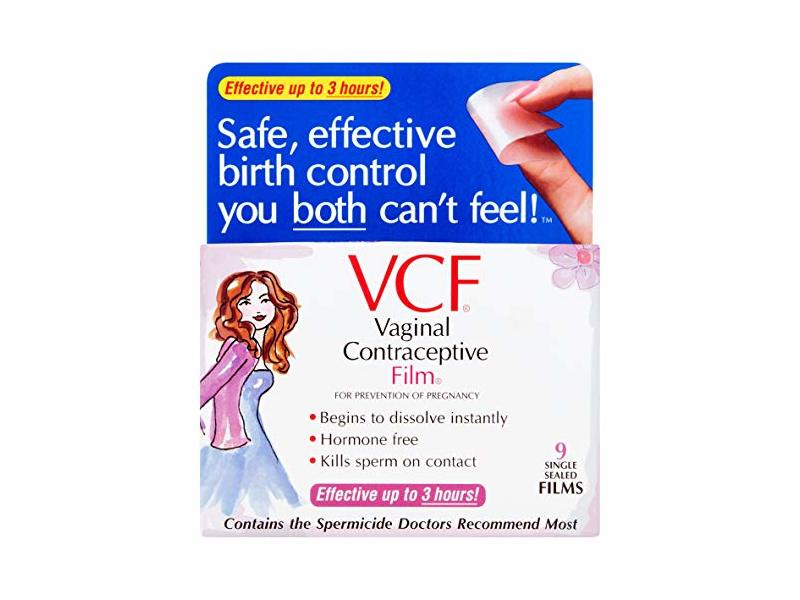
Vaginal contraceptive films are a relatively new approach to contraception, offering a convenient and potentially discreet method for women. These thin, dissolvable films are designed to release spermicidal agents within the vagina, effectively preventing pregnancy. While still a developing area of reproductive health, their potential for user-friendliness and ease of use is attracting attention.These films provide a non-hormonal alternative to other methods, aiming to offer a diverse range of choices for women seeking contraception.
Understanding the different types, mechanisms, and available brands is crucial for informed decision-making.
History of Vaginal Contraceptive Films
The development of vaginal contraceptive films is a relatively recent advancement in reproductive health technology. Early research focused on creating effective, yet easily applicable, forms of spermicidal agents. Over time, the focus shifted towards developing films that could be readily absorbed and dissolved within the vaginal environment. The aim was to minimize the need for messy creams or gels, while maintaining the effectiveness of spermicidal protection.
Types of Vaginal Contraceptive Films
Currently, the market offers various types of vaginal contraceptive films. These films may vary in active ingredients, dosage, and application methods. The development of new and improved formulations continues, aiming to enhance user experience and effectiveness.
Mechanism of Action for Vaginal Contraceptive Films
Vaginal contraceptive films work by releasing spermicidal agents within the vagina. These agents create a hostile environment for sperm, hindering their ability to reach and fertilize an egg. The specific mechanisms vary depending on the active ingredients in each film, but generally involve creating a barrier to sperm motility and/or compromising sperm viability.
The effectiveness of the films depends on proper application and adherence to usage instructions.
Comparison of Vaginal Contraceptive Films
| Brand | Active Ingredient | Dosage | Application Method |
|---|---|---|---|
| Film A | Nonoxynol-9 | One film per application | Insert film into the vagina, ensuring full coverage. |
| Film B | Benzyl alcohol | One film per application | Place the film in the vagina and allow it to dissolve. |
| Film C | Polyurethane | One film per application | Apply the film directly to the vaginal opening and gently massage. |
Note: This table provides a simplified comparison. Specific details regarding dosage and application may vary depending on the manufacturer and product. Always refer to the product information leaflet for detailed instructions. Each brand may have variations in ingredients and usage guidelines.
Effectiveness and Safety
Vaginal contraceptive films offer a promising new approach to contraception, but understanding their effectiveness and safety profile is crucial for informed decision-making. These films, designed to be inserted vaginally, aim to prevent pregnancy by delivering a specific dose of medication. Their potential for convenience and user-friendliness makes them an attractive option, especially for those seeking non-hormonal methods. However, like any medical intervention, they come with potential side effects and considerations.The effectiveness of vaginal contraceptive films varies depending on factors such as correct usage, individual body chemistry, and adherence to instructions.
Studies show that, when used consistently and correctly, these films can provide a high degree of protection against unintended pregnancy. However, it is important to note that, as with any contraceptive method, consistent and correct use is essential to maximize effectiveness.
Effectiveness Rates
Vaginal contraceptive films, when used correctly, demonstrate high effectiveness rates in preventing pregnancy. Clinical trials have shown that their effectiveness is comparable to other barrier methods like condoms, when used consistently and correctly. The precise effectiveness rate can vary slightly based on the specific formulation and individual factors, but overall, the data suggests a high degree of protection against pregnancy.
Potential Side Effects
Vaginal contraceptive films, like other medical products, may cause various side effects. These side effects typically manifest as localized reactions in the vaginal area.
- Some users may experience mild irritation, itching, or discomfort at the site of application. These reactions are often temporary and resolve on their own.
- Rarely, users may experience more significant discomfort, such as pain or swelling. In such cases, discontinuation of use and consultation with a healthcare professional are recommended.
Safety Profile, Vcf vaginal contraceptive film
The safety profile of vaginal contraceptive films is generally positive. The films are designed to be non-hormonal, aiming to reduce potential systemic side effects. However, potential risks and contraindications should be considered.
- Allergic reactions to the film’s components are possible. Individuals with known allergies to specific ingredients should consult their healthcare provider before use.
- The film’s components may interact with other medications or health conditions. Full disclosure of medical history and current medications to a healthcare professional is crucial.
- Proper storage and handling of the films are essential to maintain their effectiveness and safety. Following the manufacturer’s instructions is paramount.
Potential Side Effects Table
The following table summarizes potential side effects and their estimated frequency:
| Side Effect | Frequency |
|---|---|
| Mild irritation/discomfort | Common |
| Itching | Occasional |
| Pain/swelling | Rare |
| Allergic reaction | Rare |
Application and Usage
Applying vaginal contraceptive films correctly is crucial for their effectiveness and safety. Proper insertion and removal techniques are vital for maximizing the protection they offer and minimizing potential discomfort or side effects. Understanding the steps involved and potential pitfalls can empower you to use these films confidently and effectively.Correct application ensures the film remains in place, preventing pregnancy, and minimizing the risk of side effects.
Improper application can lead to the film slipping out, reducing its effectiveness and increasing the risk of pregnancy. Learning the proper steps and common mistakes to avoid will significantly improve your experience with vaginal contraceptive films.
Proper Application Procedure
Correct application is key to the film’s effectiveness. Ensure the film is intact and free of tears or damage before use. Follow the manufacturer’s instructions meticulously for optimal results. The film’s placement and duration are critical aspects to ensure efficacy.
Steps in Inserting the Film
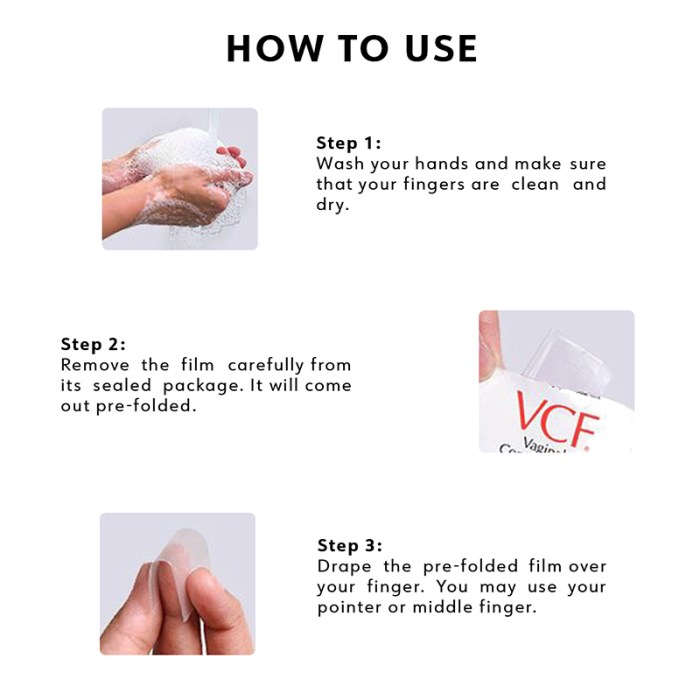
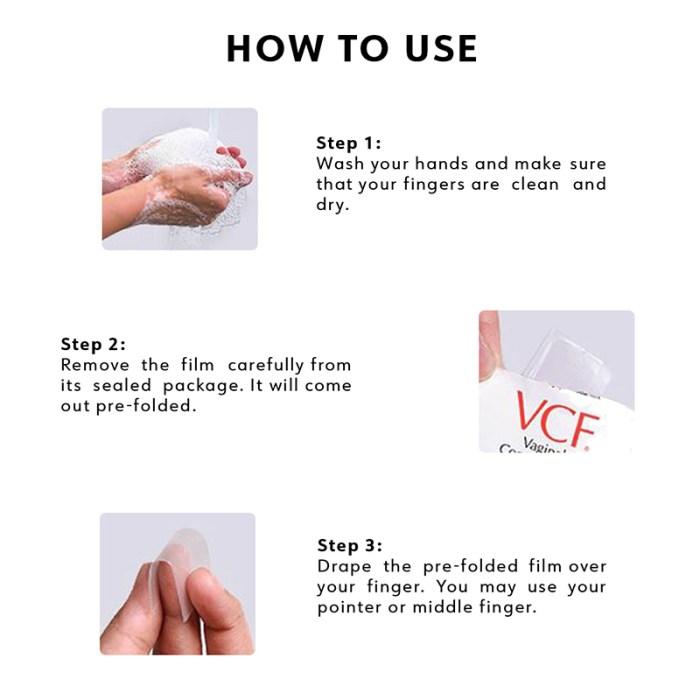
- Clean and dry the vaginal area before application. This helps maintain hygiene and ensures proper film adhesion.
- Carefully remove the film from its packaging. Ensure you handle it gently to prevent tearing.
- Locate the applicator, if provided, and place the film into the applicator as instructed. This helps to position the film correctly within the vagina.
- Using the applicator (if provided), gently insert the film deep into the vagina, avoiding any forceful or jarring movements.
- Remove the applicator, if used, carefully and discard it properly.
- Lie down or sit comfortably for a few minutes to allow the film to adhere properly. This helps the film settle and maintain its position.
Steps in Removing the Film
- Wait until the recommended removal time as specified by the manufacturer. Following the removal instructions helps ensure the film has fully dissolved and released its active ingredients.
- Gently try to remove the film. If it’s difficult to remove, don’t force it. Some films may dissolve gradually over time. Wait a little longer, and if necessary, consult a healthcare provider.
- If the film is not completely removed after the suggested timeframe, contact a healthcare provider to determine if further action is needed.
- Clean the vaginal area gently with mild soap and water. This ensures hygiene and comfort after removal.
Common Mistakes to Avoid
- Forgetting to clean the vaginal area before application. This can compromise the effectiveness and hygiene of the process.
- Using the film past the expiration date. Expired films may not be as effective or may pose health risks.
- Inserting the film too forcefully or roughly. This can cause discomfort or damage the film, reducing its effectiveness.
- Ignoring the manufacturer’s instructions. Following the provided instructions is crucial for optimal use and safety.
Step-by-Step Guide with Illustrations ( text instead of images)
(Imagine a simple diagram here. A close-up view of the film in its packaging, showing the intact film. A second image would show the film being carefully inserted into the vagina, perhaps with a gentle hand. A third image would illustrate the film dissolving and releasing its active components after the required duration.)A clear visual guide would demonstrate the correct application process, ensuring the film is placed correctly and preventing any accidental tearing.
Table for Use, Precautions, and Troubleshooting
| Use | Precautions | Troubleshooting Tips |
|---|---|---|
| Follow manufacturer’s instructions precisely. | Do not use if the film is damaged or expired. | If the film is difficult to remove, wait longer, and contact a healthcare provider if necessary. |
| Use only as directed. | Avoid rough or forceful insertion. | If discomfort is experienced, contact a healthcare provider. |
| Remove the film after the recommended time. | Store the film in a cool, dry place away from direct sunlight. | If the film does not dissolve completely, consult a healthcare provider. |
Efficacy Compared to Other Contraceptives
Vaginal contraceptive films offer a promising new approach to contraception, but how do they stack up against existing methods? This section delves into the efficacy of these films, comparing them to oral contraceptives, condoms, and intrauterine devices (IUDs). We’ll explore the advantages and disadvantages of each method and highlight the specific needs and preferences of potential users.Comparing the effectiveness of different contraceptive methods is crucial for informed decision-making.
While a perfect contraceptive doesn’t exist, understanding the strengths and weaknesses of each approach helps individuals select the best option for their lifestyle and circumstances.
Efficacy Comparison
Different contraceptive methods achieve effectiveness through various mechanisms. Oral contraceptives, for example, regulate hormone levels to prevent ovulation, while condoms physically prevent sperm from reaching the egg. IUDs, on the other hand, create a hostile environment for sperm and/or prevent implantation. Vaginal contraceptive films operate by delivering a spermicidal agent to the vagina, effectively neutralizing sperm. Understanding these differences is key to evaluating their relative effectiveness.
VCF vaginal contraceptive films are a fascinating new method of birth control. Understanding how they work, like any new method, requires a bit of research. For example, if you’re concerned about skin reactions, knowing the difference between atopic and contact dermatitis is important, as certain reactions can be related to the components of these films. To learn more about the nuances of skin conditions like this, check out this helpful resource on atopic dermatitis contact dermatitis difference.
Ultimately, though, the effectiveness and safety of VCFs will depend on individual experiences and consultation with a healthcare professional.
Pros and Cons of Vaginal Contraceptive Films
Vaginal contraceptive films offer several advantages, including convenience and potential for user-friendliness. The ability to apply the film shortly before intercourse, without the need for ongoing medication or device insertion, might appeal to many. However, their effectiveness, like other methods, depends on consistent and correct use.
- Convenience and Ease of Use: The on-demand application of vaginal contraceptive films is a significant advantage, offering flexibility compared to daily pill-taking or the need for insertion of an IUD. This user-friendly aspect can make it more appealing to those who prefer less complex routines.
- Potential for Reduced Side Effects: Some individuals experience side effects with hormonal contraceptives, such as oral pills. Vaginal contraceptive films avoid the systemic hormonal effects, potentially reducing these side effects for some users.
- Potential for Improved Adherence: The ease of use might contribute to better adherence to the contraceptive regimen, leading to higher effectiveness compared to methods requiring daily or regular actions.
- Potential Limitations: While user-friendly, the effectiveness of vaginal contraceptive films hinges on proper application. Incorrect application can significantly reduce efficacy. Furthermore, factors like allergies or sensitivity to the film’s components might pose limitations for some users.
Target Audience
The target audience for vaginal contraceptive films likely encompasses individuals seeking a non-hormonal, on-demand contraceptive option. This could include women who have experienced side effects from hormonal contraceptives, or those who prefer a more flexible method compared to daily pills or IUD insertion. Individuals seeking a method that can be incorporated into their existing routine without significant lifestyle changes might also find this method suitable.
Comparison Table
| Feature | Vaginal Contraceptive Films | Oral Contraceptives | Condoms | Intrauterine Devices (IUDs) |
|---|---|---|---|---|
| Mechanism | Spermicidal agent | Hormonal regulation | Physical barrier | Hostile environment/implantation prevention |
| Effectiveness (typical use) | ~88% | ~91% | ~82% | ~99% |
| Ease of Use | High | Medium | High | Low |
| Side Effects | Potentially low | Variable | Low | Potentially low |
| Cost | Moderate | Moderate | Low | High |
Note: Effectiveness rates are approximate and can vary based on individual factors and adherence to instructions. Consult with a healthcare provider for personalized recommendations.
User Experiences and Reviews: Vcf Vaginal Contraceptive Film
Vaginal contraceptive films, like any new product, have generated a range of user experiences. Understanding these experiences, both positive and negative, is crucial for assessing the overall acceptance and suitability of this method of contraception. User feedback provides valuable insights into the practical aspects of use, potential challenges, and the overall satisfaction level.
Effectiveness Feedback
User reviews often highlight the effectiveness of vaginal contraceptive films. Many report experiencing a high level of confidence in their protection against pregnancy. Some users cite successful use for extended periods, demonstrating the consistency of the film’s performance. Conversely, some users have reported instances of unintended pregnancies, although the reasons for these occurrences can vary and are not necessarily linked directly to the film’s efficacy.
A thorough understanding of the factors contributing to these instances is vital. This could involve user error in application, insufficient understanding of proper usage, or interactions with other medications or conditions.
Usability and Application Concerns
The application process, a key aspect of user experience, has generated both positive and negative feedback. Some users report that the application is straightforward and convenient, while others find it challenging or uncomfortable. Common challenges often include difficulty in applying the film correctly, leading to concerns about its effectiveness. Some users have experienced discomfort or irritation during or after application.
Addressing these concerns requires clear and accessible instructions, and potential modifications to the film’s design to enhance ease of use and comfort.
Overall User Satisfaction
Overall user satisfaction with vaginal contraceptive films is diverse and depends on individual experiences. While some users express high satisfaction with the film’s effectiveness and ease of use, others experience challenges or discomfort. The positive experiences often emphasize the convenience and potential for self-management of contraception. Conversely, negative experiences frequently cite application difficulties, discomfort, and concerns about effectiveness.
Examples of Positive and Negative Experiences
A common positive experience involves users who report successful use for extended periods without any issues related to effectiveness or discomfort. They appreciate the convenience and the ability to manage their contraception independently. Conversely, a negative experience might involve a user who experienced discomfort during application or after use, leading to concerns about the safety and long-term suitability of the product.
Another negative experience could involve an unintended pregnancy reported by a user, although the specific reason behind the failure should be investigated.
Summary of User Reviews
| Category | User Feedback Example |
|---|---|
| Positive | “Easy to use and effective. I’ve been using it for several months without any issues.” |
| Neutral | “Works as intended, but application can be tricky sometimes. A bit of discomfort initially.” |
| Negative | “Application was painful. I experienced discomfort and irritation, and I ended up getting pregnant.” |
Potential Benefits and Drawbacks
Vaginal contraceptive films offer a novel approach to contraception, promising convenience and potential advantages over traditional methods. However, like any medical intervention, they also come with potential drawbacks and limitations. This section delves into the specific benefits, drawbacks, and comparative analysis of vaginal contraceptive films, alongside a comprehensive comparison to other methods.Understanding both the positive and negative aspects of this technology is crucial for informed decision-making.
Potential Benefits of Vaginal Contraceptive Films
Vaginal contraceptive films, designed for discreet application, offer several potential advantages. Their small size and ease of use promote user convenience and potentially higher adherence rates compared to some other methods, such as pills or injections. This characteristic simplifies the daily regimen, reducing the potential for forgetting doses and improving overall compliance.
- Discreet Application: The film’s design allows for private and convenient application, promoting a higher likelihood of consistent use.
- Potential for Improved Adherence: The simplicity of application and smaller size might lead to higher user adherence rates compared to other contraceptive methods, potentially resulting in greater effectiveness.
- Potential for Reduced Side Effects: Some users may experience fewer side effects compared to hormonal methods. This is a potential advantage but requires further research and large-scale clinical trials.
Potential Drawbacks and Limitations of Vaginal Contraceptive Films
While promising, vaginal contraceptive films have certain limitations. Potential drawbacks include concerns regarding effectiveness, potential side effects, and cost-effectiveness. Thorough understanding of these limitations is vital for potential users.
- Effectiveness: The effectiveness of vaginal contraceptive films needs further validation through extensive clinical trials and real-world use data. Preliminary results are promising but need more rigorous assessment.
- Potential Side Effects: Possible side effects, such as irritation or allergic reactions, need to be carefully monitored and reported. Further research is needed to determine the prevalence and severity of potential side effects.
- Cost-Effectiveness: The initial cost of vaginal contraceptive films might be a factor. The long-term cost-effectiveness compared to other methods needs further analysis.
Advantages and Disadvantages Compared to Other Contraceptive Methods
Comparing vaginal contraceptive films to other methods reveals a nuanced picture. Each method presents unique benefits and drawbacks that should be considered alongside individual preferences and needs.
| Feature | Vaginal Contraceptive Films | Other Methods (e.g., Pill, IUD, Condoms) |
|---|---|---|
| Ease of Use | Potentially higher ease of use due to discreet application | Varying ease of use; some require daily/monthly adherence. |
| Effectiveness | Effectiveness needs further validation | Generally well-established effectiveness for various methods |
| Side Effects | Potential for local irritation or allergic reactions | Potential for hormonal side effects (pill), or physical discomfort (IUD). |
| Cost | Potential cost differences | Variable costs depending on the specific method. |
Detailed Comparison to Other Contraceptive Options
A comprehensive comparison should involve considering factors like efficacy, side effects, user convenience, and cost. Vaginal contraceptive films present a novel approach with the potential to address some shortcomings of existing methods. However, more data is needed to definitively compare them across the spectrum of available options. The long-term impact on user health and the wider implications for public health are still to be assessed.
VCF vaginal contraceptive films are a pretty interesting way to prevent pregnancy, right? They’re a discreet option, but sometimes, men face different reproductive health challenges. For example, exploring solutions like external penile prostheses for erectile dysfunction treatment can be crucial for some. Ultimately, though, VCF vaginal contraceptive films offer a user-friendly approach to family planning for many women.
Health and Medical Considerations
Vaginal contraceptive films, like any other medical intervention, come with specific health considerations. Understanding these factors is crucial for making informed decisions about their use. This section details the importance of professional guidance, potential interactions, and precautions to ensure safe and effective use.Healthcare professionals play a vital role in guiding individuals regarding the use of vaginal contraceptive films.
They can assess individual health conditions, provide personalized advice, and address any concerns or questions. This personalized approach ensures that the film is suitable for the user’s specific circumstances.
Role of Healthcare Professionals
Healthcare providers are essential in evaluating a person’s suitability for using vaginal contraceptive films. They can conduct a comprehensive health assessment, including medical history, current medications, and pre-existing conditions. This evaluation helps determine if the film is appropriate and safe for the individual. Regular check-ups with a doctor can help monitor the user’s health and well-being during the use of these films.
VCF vaginal contraceptive films are a pretty interesting option for birth control, but it’s important to remember that they might not be the best choice for everyone. If you’re experiencing a male yeast infection, figuring out how to get rid of it quickly is crucial. Check out this helpful guide for tips on managing male yeast infections effectively: how to get rid of a male yeast infection fast.
Ultimately, understanding your body and choosing the right birth control method is key for overall well-being, and consulting a healthcare professional is always recommended when considering any new approach.
Importance of Consulting a Doctor
Before using vaginal contraceptive films, consulting a healthcare professional is critical. A doctor can assess individual health conditions and identify any potential risks or contraindications. This consultation ensures the film’s safety and efficacy for the user. Failing to consult a doctor could lead to unforeseen complications or interactions with other medications.
Potential Interactions with Other Medications or Health Conditions
Certain medications and underlying health conditions can interact with vaginal contraceptive films, potentially affecting their effectiveness or safety. These interactions require careful consideration. Some medications may reduce the effectiveness of the film, while others might exacerbate existing health conditions. It’s crucial to discuss all medications, including over-the-counter drugs and supplements, with a doctor before starting use.
Medical Considerations and Precautions
Understanding potential medical considerations is essential for responsible use. Factors such as allergies, pre-existing conditions, and current medications must be carefully evaluated. A thorough discussion with a healthcare provider helps identify any potential risks and allows for appropriate precautions. Users should promptly report any unusual symptoms or reactions to their doctor.
Table of Potential Medical Interactions and Contraindications
| Potential Medical Condition/Medication | Potential Interaction/Contraindication | Recommendation |
|---|---|---|
| Known allergies to film components | Possible allergic reactions, ranging from mild skin irritation to severe anaphylaxis. | Do not use the film. Consult a doctor for alternative contraception methods. |
| History of vaginal infections or irritation | Increased risk of worsening existing conditions or developing new ones. | Consult a doctor before use. The film may not be suitable. |
| Use of certain medications (e.g., antibiotics, antifungals) | Possible interaction affecting the film’s effectiveness or safety. | Consult a doctor to determine if the film is safe to use concurrently with the medication. |
| Severe liver or kidney disease | Potential for increased drug metabolism or excretion, potentially affecting film effectiveness or safety. | Consult a doctor before use. The film may not be suitable for use in cases of severe liver or kidney disease. |
| Pregnancy or breastfeeding | The safety of the film during pregnancy or breastfeeding has not been definitively established. | Do not use the film during pregnancy or breastfeeding. Consult a doctor for alternative contraception methods. |
Future Trends and Research
The future of vaginal contraceptive films is brimming with exciting possibilities. Ongoing research and development aim to improve effectiveness, safety, and user experience, making these films an even more attractive option for women seeking reliable birth control. Innovations in formulation and delivery systems promise to streamline application and enhance comfort.The current focus is on creating films that offer a wider range of contraceptive options, possibly including those tailored to specific needs and preferences.
This personalized approach could lead to higher patient satisfaction and adherence to the contraceptive regimen.
Potential Advancements in Formulation
Researchers are exploring various approaches to enhance the efficacy and safety of vaginal contraceptive films. One promising area is the development of films containing multiple active ingredients, potentially offering broader spectrum protection against unintended pregnancies. For example, combining a hormone with a spermicide could offer enhanced protection against both sperm motility and implantation. Additionally, incorporating sustained-release technologies could potentially reduce the frequency of application.
New Delivery Systems and Application Methods
The current application methods for vaginal contraceptive films may not be optimal for all users. Research is focusing on developing alternative delivery systems to improve ease of use and adherence. Imagine a film that dissolves more quickly or that is more easily incorporated into existing sexual practices. This might involve incorporating innovative polymers or designing films with tailored release mechanisms.
Research and Development Progress
Significant progress has been made in the research and development of vaginal contraceptive films. Early clinical trials have demonstrated promising results in terms of effectiveness and safety. Further research is crucial to refine formulations, optimize application methods, and gather long-term data on safety and efficacy. The ongoing effort to develop user-friendly and reliable methods of contraception is a key driver for future innovation.
Ongoing Studies and Trials
Numerous studies and clinical trials are underway to evaluate the safety and effectiveness of different formulations and application methods for vaginal contraceptive films. These studies are often designed to assess the efficacy compared to existing methods, the potential side effects, and the overall user experience. One key area of research focuses on determining the optimal duration of film effectiveness and the potential for longer-acting formulations.
Key Research Areas and Future Trends
| Research Area | Future Trend |
|---|---|
| Improved Formulation | Development of multi-ingredient films with sustained-release properties to enhance efficacy and reduce application frequency. |
| Enhanced Delivery Systems | Exploration of alternative application methods, such as dissolvable films or films with tailored release mechanisms, to improve user experience and adherence. |
| Personalized Formulation | Creation of customized films based on individual needs and preferences to maximize efficacy and patient satisfaction. |
| Extended Duration | Development of films with extended durations of effectiveness to reduce the frequency of application. |
| Safety and Tolerability | Further research to ensure the long-term safety and tolerability of vaginal contraceptive films for all users. |
Wrap-Up
In conclusion, VCF vaginal contraceptive film presents a promising new option in the realm of contraception. While further research and real-world experience are needed to fully understand its long-term implications, its unique approach and potential advantages warrant further consideration. This guide has provided a comprehensive overview, allowing readers to weigh the benefits and drawbacks and decide if it’s the right choice for them.