
Triple bypass surgery recovery is a journey filled with both challenges and triumphs. From pre-surgery preparations to long-term lifestyle adjustments, this guide delves into every crucial aspect of this significant procedure. We’ll explore the medical evaluations, surgical approaches, immediate post-operative care, and the essential steps for a successful recovery, including nutritional considerations, physical therapy, and managing potential complications.
This detailed guide provides valuable insights and practical advice to help patients navigate this challenging yet rewarding process. We’ll also address the importance of emotional support and highlight the role of the surgical team throughout the recovery period.
Pre-Surgery Considerations: Triple Bypass Surgery Recovery
Before undergoing triple bypass surgery, a meticulous preparation process is crucial for a successful outcome. This involves a series of medical evaluations, lifestyle adjustments, and emotional preparation. Thorough understanding of these pre-operative steps can significantly reduce potential risks and facilitate a smoother recovery.
Medical Evaluations and Tests
Extensive medical evaluations are performed to assess the patient’s overall health and identify any potential complications. These evaluations ensure the patient is a suitable candidate for the procedure and that any underlying health conditions are managed appropriately. The process often includes a detailed medical history review, physical examination, and various diagnostic tests.
| Test Name | Description | Normal Result | Abnormal Result |
|---|---|---|---|
| Electrocardiogram (ECG) | Measures the electrical activity of the heart. | Normal heart rhythm patterns. | Irregular heartbeats, abnormal heart rate, or signs of heart damage. |
| Blood Tests (Complete Blood Count, Lipid Panel, etc.) | Evaluates blood components and cholesterol levels. | Normal levels of red blood cells, white blood cells, platelets, and cholesterol. | Low red blood cell count, high cholesterol levels, abnormal blood clotting factors. |
| Chest X-ray | Visualizes the structures of the chest, including the heart and lungs. | Clear view of the heart and lungs, absence of any significant abnormalities. | Presence of fluid around the lungs, enlarged heart, or signs of pneumonia. |
| Cardiac Catheterization | Provides detailed images of the heart’s blood vessels and assesses blood flow. | Adequate blood flow through coronary arteries. | Significant blockages in the coronary arteries, reduced blood flow. |
Lifestyle Adjustments
Adopting healthy lifestyle choices before surgery is vital for improving overall health and reducing potential complications. These adjustments should be made in consultation with the healthcare team.
- Smoking Cessation: Smoking significantly impacts blood vessels and increases the risk of complications. Quitting smoking well before the surgery is strongly recommended to improve healing and reduce cardiovascular risks. A doctor can provide cessation strategies and support.
- Dietary Modifications: A heart-healthy diet, rich in fruits, vegetables, and lean proteins, is essential. Reducing saturated and trans fats, and controlling cholesterol levels is crucial for optimizing heart health.
- Weight Management: Maintaining a healthy weight can reduce strain on the heart and improve overall well-being. Consult a registered dietitian or nutritionist for personalized dietary plans.
Medication Management
Careful management of medications is critical to ensure optimal health and reduce potential complications. Patients should discuss all medications, including over-the-counter drugs and supplements, with their doctor well before surgery. Adjustments or discontinuation of certain medications may be necessary.
- Medication Cessation: Some medications, such as blood thinners, might need to be discontinued or adjusted before surgery to prevent complications during and after the procedure. Following the physician’s instructions meticulously is essential.
Emotional Preparation and Support Systems
Undergoing major surgery like triple bypass can be emotionally challenging. Building a strong support system and practicing relaxation techniques can help patients manage anxiety and stress. Open communication with loved ones, support groups, or mental health professionals can provide emotional guidance.
- Support Systems: A robust support system can be invaluable. Family, friends, and support groups provide emotional comfort and practical assistance throughout the process.
- Stress Management: Techniques such as meditation, deep breathing exercises, and counseling can help patients manage stress and anxiety related to the surgery and recovery.
Surgical Procedure Overview
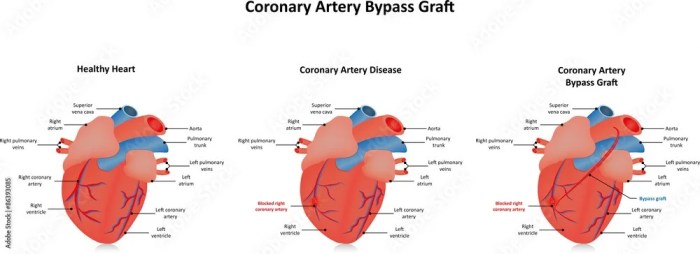
Triple bypass surgery, a crucial intervention for severe coronary artery disease, involves rerouting blood flow to the heart muscle. Understanding the different approaches and steps involved in this procedure is essential for patients preparing for this life-altering surgery. This overview will detail the surgical techniques, the surgical team’s role, and the potential recovery times and complications.
Recovering from triple bypass surgery is a journey, filled with ups and downs. One aspect that can sometimes complicate matters is the presence of pleural fluid, which can build up in the lining of the lungs. Understanding these pleural fluid conditions and procedures, like those detailed in what is pleural fluid conditions and procedures , can help patients and their families navigate the complexities of post-surgery care.
Fortunately, with proper medical attention and a positive attitude, the recovery process for triple bypass surgery is manageable.
Surgical Approaches in Triple Bypass
Various surgical approaches are employed for triple bypass procedures, each with its own advantages and disadvantages. The choice of approach often depends on the patient’s specific anatomical conditions and the surgeon’s expertise. Open-heart surgery, using a sternotomy (incision through the breastbone), remains a common method. Minimally invasive techniques, like the use of smaller incisions and specialized instruments, are also gaining popularity.
Steps Involved in the Surgical Procedure
The surgical procedure generally follows these steps:
- The patient is placed under general anesthesia.
- A sternotomy incision is made, allowing access to the heart and coronary arteries.
- The surgeon identifies the blocked coronary arteries.
- Healthy blood vessels, often taken from the leg or arm (saphenous vein or radial artery), are harvested and prepared for grafting.
- The blocked arteries are carefully opened, and the grafts are meticulously implanted to bypass the blocked sections.
- The heart is carefully monitored during the procedure to ensure adequate blood flow and oxygenation.
- The sternotomy incision is closed, and the chest is closed with sutures and/or staples.
Role of the Surgical Team
A multidisciplinary team plays a crucial role in ensuring a safe and successful triple bypass surgery. The cardiac surgeon is responsible for the surgical procedure, while anesthesiologists manage the patient’s anesthesia and monitor vital signs. Cardiovascular nurses closely monitor the patient’s condition and administer medications. Cardiac technicians assist with monitoring equipment and patient care. Other specialists, such as perfusionists, may also be involved in the operation, particularly for cases requiring cardiopulmonary bypass.
Each member of the team plays a vital role in ensuring the patient’s well-being.
Recovery Time and Potential Complications
Recovery time varies considerably among patients undergoing triple bypass surgery. Factors such as age, overall health, and the complexity of the procedure influence the duration of recovery. Patients typically stay in the hospital for several days, recovering from the anesthesia and monitoring their progress. The need for intensive care and the duration of recovery time depend on individual responses to the procedure.
Recovering from triple bypass surgery is a journey, and patience is key. Beyond the physical healing, managing skin conditions like atopic dermatitis and contact dermatitis can also be a significant factor in overall well-being. Understanding the nuances between these skin conditions, like the difference between atopic dermatitis and contact dermatitis, can be crucial for effective self-care during recovery.
atopic dermatitis contact dermatitis difference Finding the right skincare routine and treatments is essential to ensure a smooth recovery from the surgery.
Potential complications include bleeding, infection, blood clots, and damage to surrounding tissues. A careful post-operative care plan is crucial in minimizing these complications.
Comparison of Surgical Techniques
| Technique | Incision Type | Recovery Time | Potential Complications |
|---|---|---|---|
| Open-heart surgery (sternotomy) | Large incision through the breastbone | Extended recovery period (weeks to months) | Increased risk of infection, bleeding, and cardiac complications |
| Minimally invasive techniques (e.g., minimally invasive direct coronary artery bypass grafting (MIDCAB)) | Smaller incisions, often around the ribs | Shorter recovery period (weeks) | Lower risk of infection and complications, but potentially more complex procedures |
Immediate Post-Operative Phase

The immediate post-operative period following triple bypass surgery is crucial for recovery. Patients are closely monitored for complications and their bodies are working hard to heal. Understanding the procedures and expectations can help alleviate anxiety and foster a more positive recovery experience.
Hospital Stay
The typical hospital stay after triple bypass surgery is approximately 3 to 5 days, although this can vary depending on individual recovery progress and the presence of any complications. During this time, patients are closely observed to ensure their vital signs remain stable and their bodies are responding well to the procedure. This period of intensive monitoring allows healthcare professionals to address any issues promptly.
Monitoring Procedures and Vital Signs
Throughout the post-operative period, a range of vital signs are meticulously tracked. These include heart rate, blood pressure, respiratory rate, and oxygen saturation levels. Continuous monitoring ensures that any fluctuations are identified and addressed promptly, preventing potentially serious complications. Electrocardiograms (ECGs) are also commonly used to assess the heart’s electrical activity, offering a valuable snapshot of the heart’s functioning.
Recovering from triple bypass surgery is tough, but focusing on small victories helps. One aspect of post-op care that often gets overlooked is managing potential urinary tract infections (UTIs). Understanding the nuances of antibiotics like macrodantin vs macrobid can be crucial for a smooth recovery. Knowing the differences between these medications can help you and your doctor navigate the best treatment plan.
For more insights on the distinctions between macrodantin vs macrobid, check out this helpful resource: macrodantin vs macrobid what s the difference. Ultimately, consistent communication with your medical team and proactive management of potential issues will be key to a faster and healthier recovery journey after your triple bypass.
Regular blood tests are also performed to evaluate various parameters like blood cell counts, kidney function, and electrolyte levels. This comprehensive monitoring helps doctors identify potential complications early on.
Pain Management Strategies
Pain management is a crucial aspect of post-operative care. A multi-modal approach is often employed, combining medication with non-pharmacological strategies. Pain medications, such as opioids and nonsteroidal anti-inflammatory drugs (NSAIDs), are typically prescribed to manage post-operative discomfort. Physical therapy and other pain-relieving techniques, like heat or cold therapy, may also be incorporated. The specific pain management plan is tailored to each patient’s needs and pain tolerance.
Physical Restrictions and Limitations
Patients undergoing triple bypass surgery typically face certain physical restrictions to promote healing and prevent complications. These restrictions may include limitations on activities like lifting heavy objects, strenuous exercises, and extended periods of standing. Ambulation is usually encouraged, but the extent of movement is gradually increased based on the patient’s tolerance and recovery. Strict adherence to these restrictions is essential for optimal healing and a speedy recovery.
Post-Operative Medications
Understanding the medications prescribed after surgery is crucial for managing recovery and minimizing side effects. The following table provides an overview of common post-operative medications, their purposes, and potential side effects.
| Medication | Purpose | Potential Side Effects |
|---|---|---|
| Aspirin | Blood thinner to prevent blood clots. | Stomach upset, bleeding, allergic reactions. |
| Statins | Lower cholesterol levels. | Muscle pain, liver problems. |
| Blood pressure medications | Manage blood pressure. | Dizziness, lightheadedness, fatigue. |
| Anticoagulants (e.g., Heparin, Warfarin) | Prevent blood clots. | Bleeding, bruising, allergic reactions. |
| Pain relievers (e.g., Opioids, NSAIDs) | Manage pain. | Constipation, nausea, vomiting, allergic reactions, stomach ulcers (with NSAIDs). |
| Antibiotics | Prevent infection. | Diarrhea, nausea, allergic reactions. |
Early Recovery Period (1-4 weeks)
The first few weeks after triple bypass surgery are crucial for healing and regaining strength. This period is characterized by a range of physical and emotional adjustments as your body works to recover from the procedure. Understanding the expected changes and taking proactive steps to manage pain and discomfort will greatly contribute to a smoother recovery journey.The early recovery period, encompassing the first four weeks, is a time of significant physical and emotional adaptation.
Patients experience a spectrum of sensations, from the initial post-operative discomfort to the gradual return of strength and mobility. A strong support system and adherence to medical recommendations are essential for a successful transition through this phase.
Physical Changes and Adjustments
Physical recovery from triple bypass surgery involves a gradual return to normalcy. Initial days may involve significant discomfort, swelling, and fatigue. Patients may experience limited mobility and difficulty with daily tasks. Gradually, strength and stamina will improve with proper care and rehabilitation. For example, simple tasks like dressing or climbing stairs might initially feel challenging, but these activities will become easier over time.
Observe the rate of improvement and address any concerns promptly with your medical team.
Emotional Considerations
The emotional impact of surgery cannot be underestimated. Patients may experience anxiety, fear, and a range of other emotions. It’s important to acknowledge and address these feelings with support from family, friends, and healthcare professionals. Open communication with loved ones and participation in support groups can be invaluable during this period. Furthermore, maintaining a positive outlook and focusing on small victories along the recovery path is critical for emotional well-being.
Importance of Physical Therapy and Rehabilitation
Physical therapy plays a vital role in regaining strength and mobility. Exercises designed to improve range of motion, muscle strength, and cardiovascular fitness are crucial for a successful recovery. These exercises are tailored to individual needs and progress, and they are overseen by a physical therapist who monitors the patient’s recovery trajectory. Early mobilization, as guided by your healthcare team, helps prevent complications and encourages a faster recovery.
Physical therapy sessions typically start soon after the immediate post-operative phase and continue throughout the recovery period.
Pain and Discomfort Management Strategies
Managing pain and discomfort is essential during the early recovery period. Over-the-counter pain relievers, as prescribed by your doctor, can help control discomfort. Using ice packs on the surgical site can help reduce swelling and alleviate pain. Proper positioning and support are important for managing discomfort during rest and activity. Also, consider alternative therapies like gentle stretching and relaxation techniques to promote comfort and well-being.
For example, gentle walking and controlled breathing exercises can significantly reduce pain and discomfort.
Potential Complications
While most patients recover without complications, some potential issues may arise during the early recovery period. These may include infections, blood clots, or difficulty breathing. Prompt reporting of any unusual symptoms to your healthcare team is essential. Regular follow-up appointments and monitoring are crucial for detecting and addressing potential complications promptly. For example, persistent fever, unusual swelling, or shortness of breath are all reasons to contact your doctor.
Essential Recovery Tips
- Follow prescribed medication regimen meticulously. Adherence to your medication schedule is crucial for managing pain, preventing complications, and ensuring your body has the necessary resources for healing.
- Maintain a healthy diet. Nourishing your body with a balanced diet rich in protein, vitamins, and minerals is vital for tissue repair and overall recovery.
- Prioritize adequate rest and sleep. Allowing your body ample time for rest and recovery is essential for healing and preventing complications.
- Engage in gentle, supervised exercise. As prescribed by your physical therapist, start with gentle exercises to promote circulation and prevent muscle stiffness.
- Maintain good hygiene. Proper hygiene practices, such as keeping the surgical site clean and avoiding infection risks, are important for a swift and safe recovery.
- Manage stress and emotions. Acknowledge and address emotional needs through supportive relationships, relaxation techniques, or counseling if needed.
- Report any unusual symptoms promptly. Communication with your medical team is crucial for early detection and management of any potential complications.
Long-Term Recovery and Lifestyle Changes
After the initial recovery period, the journey continues toward long-term well-being. A triple bypass surgery is a significant procedure, and ongoing commitment to healthy habits is essential for optimal results and a fulfilling life. This phase focuses on the long-term recovery process, potential effects, and necessary lifestyle adjustments.The long-term recovery period following triple bypass surgery isn’t just about physical healing; it’s a crucial time for adopting new routines and maintaining overall health.
It involves building strength, adapting to dietary changes, and recognizing the importance of consistent follow-up care. Success hinges on patient engagement and a proactive approach to managing health.
Potential Long-Term Effects
Triple bypass surgery can have various long-term effects, though many individuals experience minimal complications. Some patients might experience persistent fatigue, though this typically diminishes with time and lifestyle adjustments. The risk of blood clots, while reduced with appropriate medication and preventative measures, remains a possibility, requiring careful monitoring and adherence to prescribed therapies. Proper management of potential complications and consistent monitoring are vital.
Lifestyle Modifications for Long-Term Health
Adopting healthy lifestyle choices is critical for long-term health and well-being after triple bypass surgery. Regular exercise, a balanced diet, and stress management techniques are essential components of this new lifestyle. The body needs time to heal and adapt to these changes. Gradual integration of activities and consistent adherence to a healthy routine is key. The body’s response to these lifestyle changes will vary, but with patience and dedication, long-term well-being is achievable.
- Physical Activity: Incorporating regular physical activity into the daily routine is crucial for maintaining cardiovascular health. Walking, swimming, or light cardio exercises, as cleared by a physician, can improve stamina and overall health. Starting with short durations and gradually increasing intensity is advised. This approach allows the body to adjust without causing strain or discomfort.
- Stress Management: Chronic stress can negatively impact recovery and overall well-being. Practicing stress-reducing techniques, such as meditation, yoga, or deep breathing exercises, can help manage stress levels effectively. Finding healthy coping mechanisms is vital for long-term health. Stress management is just as important as physical activity.
- Dietary Adjustments: A healthy diet is essential for managing cholesterol levels, maintaining blood sugar, and supporting overall health. Dietary changes are essential after surgery, and this is often a crucial part of the long-term health plan.
Importance of Follow-up Appointments and Monitoring
Regular follow-up appointments with the healthcare team are vital for monitoring progress, addressing concerns, and ensuring continued well-being. These appointments allow for personalized guidance, early detection of potential complications, and necessary adjustments to the recovery plan. Communication with the medical team is essential for a successful long-term recovery. This proactive approach to monitoring health ensures that patients are actively involved in their well-being.
Dietary Recommendations Before and After Surgery
| Food Type | Before Surgery | After Surgery | Reasoning |
|---|---|---|---|
| Saturated Fats | Moderate intake | Limited intake | Reducing saturated fats can help lower cholesterol levels, a crucial aspect of heart health. |
| Trans Fats | Limited intake | Avoid | Trans fats are detrimental to heart health and should be minimized or eliminated to support recovery. |
| Fruits and Vegetables | Regular intake | Increased intake | Fruits and vegetables provide essential vitamins, minerals, and fiber, supporting overall health and recovery. |
| Whole Grains | Regular intake | Increased intake | Whole grains offer complex carbohydrates and fiber, aiding in digestion and promoting sustained energy levels. |
| Lean Protein | Regular intake | Regular intake | Lean protein sources provide essential amino acids for tissue repair and growth. |
| Processed Foods | Occasional intake | Minimized intake | Processed foods often contain high levels of sodium, unhealthy fats, and additives, which can negatively impact heart health. |
Nutritional Considerations
Following triple bypass surgery, your nutritional intake plays a crucial role in your recovery. Proper nutrition helps your body heal, rebuild tissues, and regain strength. A balanced diet provides the essential nutrients needed for optimal recovery, reducing complications, and promoting overall well-being. Focus on easily digestible foods, and monitor your calorie intake to support your body’s needs throughout this period.
Importance of a Healthy Diet
A healthy diet after triple bypass surgery is essential for optimal recovery. It fuels the body’s repair processes, supports the immune system, and helps manage any potential complications. Proper nutrition promotes healing and reduces the risk of infection, ensuring a smoother and faster recovery journey. This involves consuming nutrient-rich foods while avoiding processed foods, excessive sugars, and unhealthy fats.
Specific Nutritional Needs and Dietary Recommendations
Your nutritional needs after surgery are unique and may vary depending on individual circumstances. It’s important to discuss your specific dietary needs with your doctor or a registered dietitian. They can create a personalized plan tailored to your requirements, helping you navigate the dietary changes necessary for successful recovery. Focus on lean protein sources, complex carbohydrates, and healthy fats.
Hydration is also critical.
Role of Vitamins, Minerals, and Supplements
Vitamins, minerals, and supplements can play a supportive role in your recovery. However, it’s crucial to consult with your healthcare provider before taking any supplements. They can advise on appropriate dosages and potential interactions with medications. Ensure that your diet provides a good foundation for these nutrients.
Examples of Healthy Meals and Snacks, Triple bypass surgery recovery
Here are some examples of healthy meals and snacks suitable for the post-surgery period:
- Breakfast: Oatmeal with berries and a sprinkle of nuts, or scrambled eggs with whole-wheat toast and a side salad.
- Lunch: Grilled chicken salad with mixed greens, avocado, and a light vinaigrette dressing. A lentil soup with a side of whole-grain bread is also a great option.
- Dinner: Baked fish with roasted vegetables, or lean ground turkey with brown rice and steamed broccoli.
- Snacks: Fruits like apples, bananas, and oranges; Greek yogurt with granola; or a handful of almonds.
Sample Meal Plans
The following table provides sample meal plans for different days of the week, offering a variety of nutritious options:
| Day | Breakfast | Lunch | Dinner | Snacks |
|---|---|---|---|---|
| Monday | Scrambled eggs with whole-wheat toast and fruit | Grilled chicken salad with mixed greens and vinaigrette | Baked salmon with roasted asparagus and quinoa | Apple slices with almond butter, a handful of almonds |
| Tuesday | Oatmeal with berries and nuts | Lentil soup with whole-grain bread | Lean ground turkey with brown rice and steamed broccoli | Greek yogurt with granola, banana slices |
| Wednesday | Smoothie with protein powder, fruit, and spinach | Turkey and avocado sandwich on whole-wheat bread | Chicken stir-fry with brown rice and mixed vegetables | Orange slices, a small handful of mixed nuts |
| Thursday | Yogurt with granola and fruit | Leftover chicken stir-fry | Baked chicken breast with sweet potato and green beans | Carrot sticks with hummus, a small handful of walnuts |
| Friday | Whole-wheat pancakes with fruit and syrup | Tuna salad sandwich on whole-wheat bread with a side of grapes | Lean beef stir-fry with brown rice and steamed vegetables | Edamame, a few slices of watermelon |
Physical Therapy and Rehabilitation
Recovering from triple bypass surgery requires a multifaceted approach, and physical therapy plays a crucial role in regaining strength, mobility, and overall well-being. This structured program helps patients safely progress through the recovery journey, minimizing complications and maximizing their ability to return to their daily activities. Early intervention and consistent adherence to the prescribed exercises are key to a successful recovery.
Importance of Physical Therapy
Physical therapy is essential for patients undergoing triple bypass surgery to restore functional abilities and prevent complications. It focuses on improving strength, flexibility, and cardiovascular fitness, which are all significantly impacted by the procedure and the recovery process. Physical therapy also plays a critical role in pain management, reducing the risk of blood clots, and improving overall quality of life.
It allows patients to regain independence and confidence in their physical abilities.
Various Exercises and Therapies
Physical therapy for triple bypass recovery involves a range of exercises and therapies tailored to the individual’s needs and progress. These include:
- Range-of-motion exercises: These gentle movements help maintain joint flexibility and prevent stiffness, which is common after surgery. Examples include arm circles, leg stretches, and ankle rotations. These exercises are crucial in the early stages to prevent contractures and maintain joint mobility.
- Strengthening exercises: As patients progress, strengthening exercises are introduced to rebuild muscle mass and improve overall strength. These exercises might include light weightlifting, resistance band exercises, and progressively challenging bodyweight exercises, such as squats and lunges.
- Cardiovascular exercises: Gradual increases in cardiovascular activity, such as walking, stationary cycling, or swimming, are important for improving heart health and overall endurance. These exercises should be tailored to the patient’s individual tolerance and progress.
- Manual therapy: In some cases, manual therapy techniques like massage or mobilization are used to address specific muscle or joint pain and improve range of motion.
- Education: Patients receive education on proper body mechanics, posture, and activity modification to prevent further injury and promote long-term well-being. This empowers them to take an active role in their recovery.
Goals and Objectives of Physical Therapy
The primary goals of physical therapy in triple bypass recovery are to:
- Reduce pain and discomfort: Physical therapy techniques aim to minimize pain and discomfort associated with the surgery and the recovery process.
- Improve range of motion: The program focuses on restoring full range of motion in affected joints and limbs.
- Increase strength and endurance: Exercises gradually build muscle strength and cardiovascular endurance to support daily activities.
- Prevent complications: The program minimizes the risk of blood clots, stiffness, and other complications associated with prolonged immobility.
- Improve overall functional capacity: Therapy helps patients regain the ability to perform everyday tasks safely and efficiently.
Sample Physical Therapy Exercise Program
This is a sample program; a personalized program will be developed by a physical therapist based on individual needs and progress. It is crucial to follow the instructions of your physical therapist and to listen to your body.
| Exercise | Benefits | Instructions |
|---|---|---|
| Arm Circles | Improves shoulder mobility and reduces stiffness. | Stand or sit tall, arms relaxed at your sides. Slowly make small circles with your arms forward and backward, gradually increasing the size of the circles as tolerated. |
| Quadriceps Sets | Strengthens the quadriceps muscles in the thighs. | Lie on your back with one leg straight. Tighten the muscles of the thigh (quadriceps) and hold for 5 seconds. Repeat 10-15 times, then switch legs. |
| Wall Slides | Strengthens back and leg muscles, improving posture and balance. | Stand facing a wall with feet shoulder-width apart. Slide your back down the wall until your knees are bent at a 90-degree angle. Hold for 5 seconds and return to the starting position. |
| Walking | Improves cardiovascular health, strengthens legs, and increases endurance. | Start with short walks and gradually increase the duration and distance as tolerated. |
Potential Complications and Risks
While triple bypass surgery is a life-saving procedure, like any major surgery, it carries potential risks and complications. Understanding these possibilities can empower you to make informed decisions and work closely with your healthcare team to mitigate risks and manage any complications that may arise. This section Artikels potential complications, their symptoms, management, and frequency to help you prepare for your recovery.
Types of Potential Complications
Post-operative complications can affect various bodily systems. They range from relatively minor issues to more serious conditions requiring immediate medical attention. Recognizing the signs and symptoms of potential complications is crucial for timely intervention and optimal recovery.
Cardiovascular Complications
Cardiac complications are a significant concern following triple bypass surgery. These complications can stem from the surgical procedure itself or from pre-existing conditions exacerbated by the surgery. Monitoring for these complications is paramount to ensure patient safety.
- Thrombosis: Blood clots can form in the veins or arteries, potentially leading to serious conditions like pulmonary embolism (PE) or deep vein thrombosis (DVT). Symptoms may include swelling, pain, redness, and warmth in the affected area, shortness of breath, chest pain, and rapid heartbeat. Management involves anticoagulant medications, compression stockings, and in severe cases, thrombolytic therapy. The frequency of thrombosis varies, but it’s a known possibility.
- Arrhythmias: Irregular heartbeats can occur during recovery. These can range from mild palpitations to more severe conditions requiring intervention. Symptoms include palpitations, dizziness, lightheadedness, shortness of breath, and chest discomfort. Management depends on the type and severity of the arrhythmia, and may involve medication, pacemaker placement, or other interventions. The incidence of arrhythmias can vary based on individual factors and surgical techniques.
- Heart Attack (MI): Although less frequent than other complications, a heart attack can occur post-surgery. Symptoms include severe chest pain or pressure, pain radiating to the arm or jaw, shortness of breath, nausea, and sweating. Immediate medical attention is critical. Treatment involves aggressive cardiac care and potentially further surgical intervention. Heart attacks post-surgery are rare but serious.
Respiratory Complications
Respiratory complications are another potential concern. The surgery itself can affect the lungs, and pre-existing conditions can be exacerbated. Early detection and intervention are crucial for optimal recovery.
- Pneumonia: Infection of the lungs can develop due to reduced lung function and immobility post-surgery. Symptoms include fever, chills, cough with sputum production, shortness of breath, and chest pain. Management includes antibiotics, pain relievers, and respiratory therapies. Pneumonia is a common post-operative complication, often treated effectively with prompt intervention.
- Atelectasis: Collapse of the lung tissue can occur due to reduced lung expansion. Symptoms may include shortness of breath, chest pain, and a persistent cough. Treatment involves deep breathing exercises, physical therapy, and in severe cases, supplemental oxygen or mechanical ventilation. Atelectasis is also relatively common post-surgery and is often resolved with supportive care.
Other Potential Complications
Other complications may arise, though less frequently than cardiovascular or respiratory issues.
- Infection: Surgical site infections are a possibility. Symptoms include redness, swelling, pain, and drainage from the incision site, along with fever. Management involves antibiotics and wound care. Surgical site infections can occur, though proper hygiene and antibiotic protocols help minimize risk.
- Blood clots in the legs (DVT): Blood clots in the deep veins of the legs can occur, potentially traveling to the lungs (pulmonary embolism). Symptoms include swelling, pain, redness, and warmth in the affected leg. Management includes anticoagulant medications and in severe cases, thrombolytic therapy. DVTs are possible, though preventive measures and medication can minimize risk.
Potential Complications Table
| Potential Complication | Symptoms | Treatment Options |
|---|---|---|
| Thrombosis | Swelling, pain, redness, warmth, shortness of breath, chest pain, rapid heartbeat | Anticoagulants, compression stockings, thrombolytic therapy |
| Arrhythmias | Palpitations, dizziness, lightheadedness, shortness of breath, chest discomfort | Medication, pacemaker placement, other interventions |
| Heart Attack | Severe chest pain or pressure, radiating pain, shortness of breath, nausea, sweating | Aggressive cardiac care, further surgical intervention |
| Pneumonia | Fever, chills, cough, shortness of breath, chest pain | Antibiotics, pain relievers, respiratory therapies |
| Atelectasis | Shortness of breath, chest pain, persistent cough | Deep breathing exercises, physical therapy, supplemental oxygen/ventilation |
| Infection | Redness, swelling, pain, drainage from incision, fever | Antibiotics, wound care |
| DVT | Swelling, pain, redness, warmth in leg | Anticoagulants, thrombolytic therapy |
Managing Pain and Discomfort
Post-triple bypass surgery, pain and discomfort are common experiences. Effective pain management is crucial for a smooth recovery. Understanding the various strategies available and the importance of adherence to prescribed regimens can significantly impact your journey toward optimal well-being. This section will delve into the different pain management approaches, emphasizing the significance of medication adherence and exploring alternative relief methods.Pain management after triple bypass surgery involves a multi-faceted approach.
Different individuals respond differently to various pain management techniques. A tailored strategy, often developed in consultation with your healthcare team, is essential for optimal comfort and recovery.
Common Pain Management Strategies
Post-operative pain is often managed through a combination of medications. These strategies are crucial for facilitating mobility, promoting wound healing, and enabling a more comfortable recovery. The selection of pain management strategies should be guided by the patient’s specific needs and the severity of their pain.
- Prescription Medications: Opioids, non-steroidal anti-inflammatory drugs (NSAIDs), and acetaminophen are commonly prescribed to manage post-operative pain. Opioids, while effective, can have side effects like nausea, constipation, and respiratory depression. NSAIDs can also cause stomach upset and bleeding. Acetaminophen is generally considered safer but may not be as effective for severe pain.
- Patient-Controlled Analgesia (PCA): PCA pumps allow patients to self-administer pain medication through a small intravenous (IV) line. This approach offers a degree of control over pain relief, reducing the need for frequent nurse interventions.
- Local Anesthesia and Regional Anesthesia: These techniques can provide targeted pain relief to specific areas, reducing the need for systemic pain medication. Epidural or spinal blocks may be used, particularly during the initial postoperative period.
Importance of Medication Adherence
Adherence to the prescribed medication regimen is vital for effective pain management and overall recovery. Failure to follow the prescribed dosage or schedule can lead to inadequate pain control, prolonged discomfort, and potential complications.
- Proper Dosage and Timing: Adhering to the prescribed dosage and schedule is crucial for achieving the desired pain relief without adverse effects. Taking medication as directed, even if you don’t feel much pain, helps maintain consistent blood levels and maximizes effectiveness.
- Reporting Side Effects: It’s essential to report any unusual side effects or concerns regarding the medication to your healthcare provider. This allows for adjustments to the treatment plan, preventing potential complications.
- Avoiding Interactions: Certain medications can interact negatively, potentially leading to adverse reactions. Your healthcare provider can advise you on potential interactions and recommend appropriate precautions.
Alternative Pain Relief Methods
Alternative methods, often used in conjunction with medications, can contribute to a more holistic approach to pain management.
- Heat and Cold Therapy: Applying heat or cold packs to the affected area can help reduce inflammation and muscle spasms. Heat promotes blood flow, while cold reduces swelling and pain.
- Massage Therapy: Gentle massage can promote relaxation, reduce muscle tension, and improve circulation. This can be especially beneficial in alleviating pain associated with muscle stiffness.
- Acupuncture: Acupuncture involves inserting thin needles into specific points on the body to stimulate energy flow. Some individuals find it helpful in managing pain and reducing discomfort.
- Relaxation Techniques: Techniques like deep breathing, meditation, and progressive muscle relaxation can help manage stress and anxiety, which can often contribute to pain perception.
Comparing Pain Management Options
Different pain management strategies have varying degrees of effectiveness, side effects, and costs. Careful consideration of these factors, in consultation with your healthcare team, is important for choosing the most appropriate approach.
| Pain Management Technique | Effectiveness | Side Effects | Cost |
|---|---|---|---|
| Prescription Medications (Opioids) | High | Potential for respiratory depression, constipation, nausea | Variable |
| Prescription Medications (NSAIDs) | Moderate to High | Potential for stomach upset, bleeding | Variable |
| Patient-Controlled Analgesia (PCA) | High | Potential for oversedation, risk of infection | Moderate to High |
| Heat/Cold Therapy | Moderate | Minimal | Low |
| Massage Therapy | Moderate | Minimal | Variable |
Wrap-Up
Ultimately, recovering from triple bypass surgery requires a multifaceted approach that encompasses physical, emotional, and lifestyle adjustments. This guide offers a comprehensive overview of the journey, from initial preparations to long-term well-being. By understanding the various stages of recovery, patients can proactively address challenges and cultivate a strong support system for optimal results. Remember, a successful recovery is a collaborative effort between the patient, medical team, and support network.