The three phases of swallowing sets the stage for this enthralling narrative, offering readers a glimpse into the intricate process of getting food from mouth to stomach. This exploration delves into the voluntary and involuntary actions, the key anatomical structures, and the coordinated sequence of events that make up this essential bodily function. We’ll examine the oral, pharyngeal, and esophageal phases, highlighting the unique challenges and adaptations involved.
From the initial stages of chewing and bolus formation in the oral cavity to the coordinated contractions of the pharynx and esophagus, each phase plays a crucial role. Understanding these phases is essential for diagnosing and treating swallowing disorders, commonly known as dysphagia.
Overview of Swallowing
Swallowing, or deglutition, is a complex process crucial for maintaining nutrition and hydration. It involves a coordinated series of muscular contractions and anatomical movements that propel food from the mouth to the stomach. This intricate mechanism is essential for our daily lives, and understanding its phases helps us appreciate the delicate balance of physiological processes at play.The act of swallowing can be broadly divided into three distinct phases: the oral, pharyngeal, and esophageal phases.
Each phase has its unique characteristics and functions, contributing to the overall efficiency and safety of the process. Disruptions in any of these phases can lead to difficulties with swallowing, known as dysphagia, which can impact health and well-being.
Oral Phase
The oral phase initiates the swallowing process. It’s a voluntary phase, meaning we consciously control the initial movements. The tongue plays a critical role, shaping the bolus (food mass) and pushing it posteriorly toward the back of the mouth. This involves a series of precise tongue movements, aided by the lips, teeth, and cheeks, to form and propel the bolus.
The bolus is then prepared for the next phase.
Pharyngeal Phase
The pharyngeal phase is a reflexive phase. Once the bolus reaches the oropharynx (the area at the back of the mouth), it triggers a cascade of involuntary reflexes. This rapid sequence of events ensures the bolus passes through the pharynx efficiently. Crucially, the soft palate elevates to seal off the nasopharynx, preventing food from entering the nasal cavity.
The epiglottis, a flap of cartilage, tilts downwards to cover the trachea, preventing aspiration (food entering the lungs). Simultaneously, the muscles of the pharynx contract in a wave-like motion, propelling the bolus towards the esophagus. These involuntary actions are essential for preventing choking.
Esophageal Phase
The esophageal phase is the final phase of swallowing. This phase is also involuntary. The bolus, propelled by peristaltic waves (rhythmic contractions of the esophageal muscles), travels down the esophagus. The esophagus is a muscular tube that connects the pharynx to the stomach. These coordinated contractions ensure the bolus reaches the stomach without issues.
The lower esophageal sphincter (LES) relaxes to allow the bolus to enter the stomach. This ensures unidirectional flow and prevents regurgitation of stomach contents.
Flowchart of Swallowing Stages
| Stage | Description |
|---|---|
| Oral Phase | Voluntary movement of bolus by tongue. |
| Pharyngeal Phase | Involuntary reflexes: soft palate elevates, epiglottis tilts, pharyngeal muscles contract. |
| Esophageal Phase | Peristaltic waves move bolus to stomach; LES relaxes. |
Oral Phase
The oral phase of swallowing is the initial, voluntary stage where food is prepared for subsequent stages. This crucial phase involves a complex interplay of muscular actions and sensory feedback to ensure efficient bolus formation and propulsion into the pharynx. It’s a dynamic process that’s susceptible to dysfunction, leading to swallowing disorders like dysphagia.
Ever wondered about the intricate process of swallowing? It’s actually a three-phase marvel, involving the oral, pharyngeal, and esophageal stages. Understanding these stages is crucial for proper diagnosis and treatment, just as seeking advice from a specialist is key to avoiding misdiagnosis for skin conditions. For example, if you’re concerned about a skin issue, consulting a qualified dermatologist at ask an expert avoid misdiagnosis for skin conditions can help prevent costly errors.
Ultimately, whether it’s swallowing or skin concerns, getting expert advice is essential for a positive outcome.
Voluntary and Involuntary Components
The oral phase encompasses both voluntary and involuntary actions. The initial positioning of the bolus and the decision to swallow are voluntary. However, once the swallowing reflex is triggered, involuntary muscular contractions take over to move the bolus. This seamless transition from voluntary to involuntary control is essential for a smooth and efficient swallowing process.
Muscles Involved in Tongue Movement and Bolus Formation
Several muscles play vital roles in tongue movement and bolus formation during the oral phase. The intrinsic muscles of the tongue, such as the superior longitudinal, inferior longitudinal, transverse, and vertical muscles, are responsible for precise shaping and positioning of the bolus. Extrinsic muscles, including the genioglossus, hyoglossus, styloglossus, and palatoglossus, contribute to the tongue’s movements and interaction with the oral cavity.
Coordination among these muscles is crucial for the formation of a cohesive bolus and its propulsion toward the pharynx.
Comparison: Healthy vs. Dysphagia
In healthy individuals, the oral phase is characterized by precise tongue movements, efficient bolus formation, and effortless transfer to the pharynx. In contrast, individuals with dysphagia may experience difficulties in any aspect of the oral phase. This could manifest as problems with lip closure, tongue weakness, inability to form a cohesive bolus, or reduced coordination between tongue and palate movements.
The severity of dysphagia can significantly impact the efficiency and safety of the swallowing process.
Ever wondered about the intricate process of swallowing? It’s actually a three-phase marvel! First, the food is moved to the back of your throat, then it’s squeezed down your esophagus. Finally, the stomach does its work. Interestingly, sometimes muscle tension in the throat and esophagus can cause swallowing issues. Fortunately, massage therapy helps relieve pain from these types of muscle tension, potentially improving the entire swallowing process.
Massage therapy helps relieve pain by targeting the muscles involved in swallowing. Understanding these phases is key to recognizing when something might be off.
Role of Saliva
Saliva plays a critical role in the oral phase. It lubricates the bolus, aiding in its formation and facilitating its movement along the oral cavity. The presence of enzymes in saliva also begins the process of chemical digestion. The consistency of saliva, along with the bolus characteristics, significantly impacts the swallowing process. Changes in saliva production or composition can affect the entire swallowing mechanism.
Oral Phase Abnormalities
Several abnormalities can disrupt the oral phase of swallowing. These can include problems with lip closure, tongue weakness or incoordination, difficulties in bolus formation, reduced sensory feedback, and impaired oropharyngeal coordination. Examples of such abnormalities include problems with oral motor skills, oropharyngeal muscle weakness, and problems with sensory feedback. These issues can lead to difficulties with food or liquid intake and even pose a risk of aspiration.
Bolus Consistency and Swallowing
The consistency of the bolus directly influences the oral phase and the overall swallowing process. Different consistencies demand varying degrees of tongue manipulation and coordination with other oral structures.
| Bolus Type | Description | Impact on Swallowing |
|---|---|---|
| Liquid | Thin, easily flowing | Requires minimal tongue action; potential for rapid transit, but increased risk of aspiration if not managed correctly. |
| Semi-liquid | Slightly thicker than liquid, with some viscosity | Requires some tongue manipulation to create a cohesive bolus; increased potential for aspiration if bolus not adequately formed. |
| Solid | Dense, requiring significant chewing and manipulation | Requires thorough chewing and bolus formation to ensure smooth transfer to the pharynx; decreased risk of aspiration if bolus is appropriately formed. |
Pharyngeal Phase
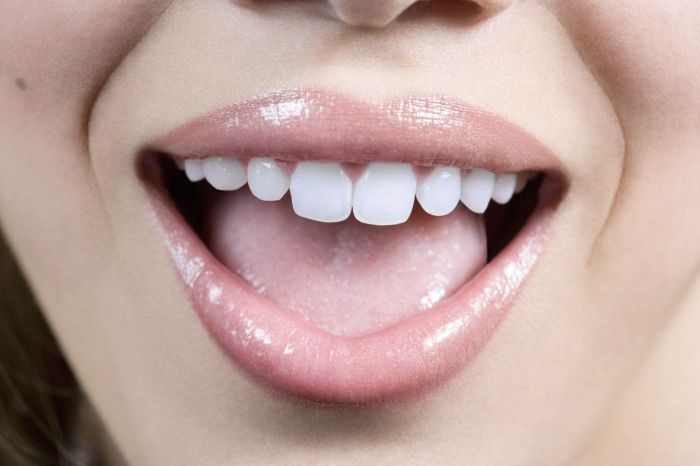
The pharyngeal phase of swallowing is a crucial and rapid event, swiftly transferring the bolus from the oral cavity to the esophagus. This stage is characterized by a complex interplay of reflexes and coordinated muscle contractions that ensure the bolus avoids the airway and travels efficiently to the stomach. This phase is critical for preventing aspiration, which can lead to serious health complications.The pharyngeal phase is triggered by specific sensory signals originating from the oropharynx.
These signals, detected by specialized receptors, initiate a cascade of events that propel the bolus downward while simultaneously protecting the airway.
Triggering Mechanisms
The pharyngeal phase is initiated when the bolus contacts the posterior pharyngeal wall. This sensory stimulation, detected by mechanoreceptors and chemoreceptors, triggers a series of reflexes, including the pharyngeal swallow reflex. The precise location and intensity of this stimulation influence the speed and intensity of the subsequent events.
Reflexes Involved
Several reflexes are instrumental in the coordination of the pharyngeal phase. The most prominent is the pharyngeal swallow reflex, a complex neural response. This reflex involves the coordinated contraction of muscles in the pharynx, soft palate, and larynx. The timing and strength of these contractions are essential to prevent aspiration and propel the bolus effectively.
Coordination with Breathing
The pharyngeal phase is intricately linked to breathing. During swallowing, respiration is momentarily suspended. This temporary cessation of breathing is a protective mechanism to prevent food or liquid from entering the trachea. The precise timing of this suspension is crucial to minimize any disruption to normal breathing patterns.
Ever wondered about the intricate process of swallowing? It’s actually a three-stage marvel, involving the oral, pharyngeal, and esophageal phases. But sometimes, these seemingly simple actions can be disrupted by conditions like dissociative and conversion disorder, dissociative and conversion disorder , where psychological factors can significantly impact physical functions. Ultimately, understanding these complex interactions is key to recognizing and addressing potential issues in the three phases of swallowing.
Closure Mechanisms of the Upper Airway
The pharyngeal phase involves intricate closure mechanisms to prevent aspiration. The soft palate elevates and retracts, sealing off the nasopharynx. The epiglottis, a leaf-shaped cartilage, tilts downward to cover the laryngeal inlet. These actions ensure that the bolus is directed posteriorly and inferiorly towards the esophagus, not into the trachea.
Key Events of the Pharyngeal Phase
The pharyngeal phase is a rapid sequence of events. These events ensure efficient transfer of the bolus to the esophagus while protecting the airway.
- Sensory Stimulation: The bolus contacting the posterior pharyngeal wall triggers sensory receptors.
- Pharyngeal Swallow Reflex: This reflex initiates the coordinated contraction of pharyngeal muscles.
- Laryngeal Closure: The epiglottis folds downward, and the larynx elevates and moves forward, sealing off the airway.
- Soft Palate Elevation: The soft palate elevates and retracts, preventing food from entering the nasal cavity.
- Pharyngeal Contraction: Sequential contractions of pharyngeal constrictor muscles propel the bolus inferiorly.
- Respiration Suspension: Breathing is temporarily suspended to prevent aspiration.
- Esophageal Opening: The upper esophageal sphincter relaxes, allowing the bolus to enter the esophagus.
Summary Table
| Event Number | Event Description | Relevant Structures |
|---|---|---|
| 1 | Bolus contacts posterior pharyngeal wall | Mechanoreceptors, Chemoreceptors |
| 2 | Pharyngeal swallow reflex initiated | Pharyngeal muscles, soft palate, larynx |
| 3 | Larynx elevates and moves forward, epiglottis tilts | Epiglottis, larynx |
| 4 | Soft palate elevates and retracts | Soft palate |
| 5 | Pharyngeal constrictor muscles contract sequentially | Pharyngeal constrictor muscles |
| 6 | Respiration momentarily suspended | Respiratory muscles |
| 7 | Upper esophageal sphincter relaxes | Upper esophageal sphincter |
Esophageal Phase: The Three Phases Of Swallowing
The esophageal phase is the final stage of swallowing, where the bolus, propelled by muscular contractions, travels from the pharynx to the stomach. This intricate process, meticulously orchestrated by the nervous system, ensures the efficient and safe transport of food. Understanding this phase is crucial for comprehending the entire swallowing mechanism and identifying potential disorders.
Peristaltic Waves
Peristaltic waves, a series of coordinated contractions and relaxations of smooth muscles in the esophagus, propel the bolus downward. These waves originate in the upper esophagus and progressively move toward the stomach. The coordinated nature of these contractions ensures unidirectional movement of the bolus. The strength and frequency of these waves are modulated to accommodate the volume and consistency of the bolus.
This rhythmic, wave-like movement is crucial for preventing the bolus from flowing backward.
Esophageal Sphincters
Esophageal sphincters are crucial for regulating the passage of the bolus. The upper esophageal sphincter (UES) acts as a gatekeeper, preventing air from entering the esophagus during respiration and ensuring the bolus moves into the esophagus during swallowing. The lower esophageal sphincter (LES), also known as the gastroesophageal sphincter, lies at the junction between the esophagus and stomach. It relaxes to allow the bolus to enter the stomach and contracts to prevent the reflux of stomach contents back into the esophagus.
The interplay between these sphincters is essential for maintaining proper esophageal function.
Bolus Movement
The coordinated contractions of esophageal muscles, guided by the peristaltic waves, move the bolus through the esophagus. The rhythmic contractions generate a pressure gradient that propels the bolus downwards. This controlled movement ensures that the bolus is delivered to the stomach without encountering any obstacles. This is a critical aspect of the process, ensuring food reaches the stomach without regurgitation or backflow.
Esophageal Phase in Healthy and Diseased States
In healthy individuals, the esophageal phase is swift and efficient. The bolus travels smoothly and without interruption. In contrast, in individuals with esophageal disorders, the process may be impaired. Conditions like achalasia, esophageal spasms, or esophageal strictures can disrupt peristaltic waves, resulting in delayed transit or abnormal bolus movement. This can manifest as dysphagia (difficulty swallowing) and other symptoms.
For example, achalasia, characterized by a failure of the LES to relax, can cause significant esophageal dilation and prolonged transit times.
Mechanisms Preventing Reflux
Several mechanisms prevent the reflux of stomach contents into the esophagus. The LES plays a pivotal role in this process. Its normal contraction pressure effectively blocks the retrograde flow of gastric contents. In addition, the angle of the esophageal junction with the stomach, along with the presence of a protective mucus layer lining the esophagus, contributes to the prevention of reflux.
These mechanisms help to prevent the potentially damaging effects of stomach acid on the esophageal lining.
Esophageal Motility Disorders
| Disorder Type | Description | Symptoms |
|---|---|---|
| Achalasia | Failure of the lower esophageal sphincter to relax. | Dysphagia, chest pain, regurgitation |
| Esophageal Spasm | Uncoordinated contractions of the esophageal muscles. | Chest pain, dysphagia, sometimes radiating pain |
| Esophageal Stricture | Narrowing of the esophagus. | Dysphagia, often progressively worsening |
| Diffuse Esophageal Spasm | Irregular and frequent contractions throughout the esophagus. | Chest pain, dysphagia, heartburn |
The table above highlights some common esophageal motility disorders, illustrating the diverse range of potential disruptions to the normal esophageal phase. These conditions can significantly impact the quality of life for affected individuals, necessitating appropriate medical interventions.
Dysphagia
Dysphagia, often referred to as swallowing difficulty, is a common and sometimes serious condition affecting the ability to move food and liquids from the mouth to the stomach. It can significantly impact a person’s quality of life, causing discomfort, nutritional deficiencies, and even aspiration pneumonia. Understanding the various aspects of dysphagia, including its causes, symptoms, and treatment, is crucial for effective management and care.Dysphagia arises from a disruption in the normal coordinated process of swallowing, impacting one or more of the three phases: oral, pharyngeal, and esophageal.
This disruption can stem from a wide array of medical conditions, affecting individuals across all age groups. Proper diagnosis and tailored treatment plans are essential to address the underlying cause and improve swallowing function.
Causes of Dysphagia
A multitude of factors can contribute to dysphagia. Neurological conditions, such as stroke, multiple sclerosis, Parkinson’s disease, and amyotrophic lateral sclerosis (ALS), frequently lead to swallowing problems due to impaired nerve signals controlling the muscles involved in swallowing. Other potential causes include structural abnormalities in the mouth, throat, or esophagus, such as tumors, strictures, or anatomical variations. Furthermore, certain medical treatments, like radiation therapy for head and neck cancers, can cause damage to the swallowing mechanism.
Finally, some medications can have side effects that interfere with swallowing.
Phases Affected by Dysphagia
Dysphagia can affect any of the three phases of swallowing, disrupting the coordinated movements required for successful ingestion. In the oral phase, difficulties may include problems with chewing, bolus formation, or initiating the swallow. During the pharyngeal phase, dysphagia can manifest as delays in the movement of the bolus through the pharynx, impaired closure of the airway, or incomplete clearing of the pharynx.
In the esophageal phase, the issues might involve delayed or incomplete transit of the bolus through the esophagus, or difficulties with esophageal motility. Each phase disruption leads to different symptoms and requires different diagnostic and treatment approaches.
Symptoms of Dysphagia
Individuals experiencing dysphagia may present with a range of symptoms. These can include difficulty chewing, food getting stuck in the throat or chest, pain while swallowing, sensation of a lump in the throat, frequent throat clearing, coughing or choking during or after meals, and regurgitation of undigested food. The specific symptoms often vary depending on the underlying cause and the phase of swallowing affected.
It is important to note that symptoms can be subtle and easily overlooked, which highlights the importance of prompt medical evaluation.
Diagnostic Methods for Dysphagia
Several diagnostic methods are available to identify and characterize dysphagia. These include videofluoroscopy (modified barium swallow), a procedure that uses X-rays to visualize the swallowing process. Fiberoptic endoscopic evaluation of swallowing (FEES) is another method that allows direct visualization of the pharynx and larynx during swallowing. These procedures provide detailed information about the site and nature of the swallowing problem.
Further investigations might include blood tests, neurological assessments, and imaging studies to identify the underlying medical condition.
Treatment Approaches for Dysphagia
Treatment for dysphagia is tailored to the specific cause and severity of the condition. Nutritional modifications, such as thickened liquids and soft foods, can help manage symptoms. Swallowing therapy, involving exercises and techniques to improve muscle strength and coordination, is often prescribed. Medications may be used to address underlying conditions contributing to dysphagia. In some cases, surgical interventions may be necessary to correct structural abnormalities or reduce obstructions.
The treatment approach is always developed in collaboration with the patient to ensure optimal outcomes.
Types of Dysphagia and Potential Causes
| Dysphagia Type | Potential Causes | Symptoms |
|---|---|---|
| Oropharyngeal Dysphagia | Neurological disorders (stroke, Parkinson’s, ALS), structural abnormalities (tumors, strictures), musculoskeletal problems | Difficulty initiating the swallow, food sticking in the throat, coughing or choking, nasal regurgitation, pain while swallowing |
| Esophageal Dysphagia | Esophageal motility disorders (achalasia, esophageal strictures), structural abnormalities (tumors, diverticula), medication side effects | Difficulty swallowing solids or liquids, food sticking in the chest, pain behind the breastbone, heartburn |
| Achalasia | Neurological disorder affecting the muscles in the lower esophagus | Difficulty swallowing solids and liquids, regurgitation of undigested food, chest pain, heartburn |
Clinical Implications
Accurate assessment of swallowing is paramount in clinical practice. A thorough understanding of the intricate process of swallowing, encompassing its three distinct phases, is crucial for effective diagnosis and treatment planning. Early identification and intervention for swallowing disorders, known as dysphagia, can significantly improve a patient’s quality of life and overall health outcomes. Understanding how the phases work together is key to developing tailored treatment plans that address specific impairments and prevent further complications.A deep understanding of the oral, pharyngeal, and esophageal phases of swallowing enables clinicians to identify the precise location and nature of a swallowing problem.
This knowledge empowers them to develop personalized interventions that target the specific deficits affecting a patient. This targeted approach maximizes the likelihood of success and minimizes the risk of further complications. For instance, knowing that a patient struggles primarily with the pharyngeal phase may necessitate different treatment strategies than a patient with oral phase difficulties.
Importance of Accurate Swallowing Assessment
A comprehensive swallowing assessment is vital for identifying and characterizing dysphagia. This assessment usually involves a combination of clinical observations, instrumental evaluations (such as videofluoroscopy or FEES), and patient self-reporting. The results of these assessments provide crucial information for determining the type and severity of the swallowing problem. This information is critical in the development of effective treatment strategies.
Early and accurate assessment enables timely intervention, reducing the risk of aspiration pneumonia and other potentially life-threatening complications.
How Understanding Phases Helps Treatment Planning
The sequential nature of swallowing, broken down into the oral, pharyngeal, and esophageal phases, is instrumental in treatment planning. By pinpointing the specific phase where difficulties arise, clinicians can tailor interventions to address the underlying cause. For example, if a patient struggles with the oral phase, interventions might focus on improving oral motor skills, while difficulties in the pharyngeal phase may require strategies to strengthen pharyngeal contractions.
This precise targeting enhances the effectiveness of treatment by addressing the root cause of the dysphagia.
Impact of Swallowing Phase Knowledge on Patient Management
Knowledge of the swallowing phases significantly impacts patient management. It allows for a personalized approach to care, ensuring that treatment is tailored to the individual’s specific needs. For instance, dietary modifications, compensatory strategies, and the use of assistive devices can all be integrated into a comprehensive management plan. The precise understanding of which phase is affected enables a proactive approach to managing dysphagia and optimizing patient outcomes.
Clinical Significance of Swallowing Phases
| Swallowing Phase | Clinical Significance | Potential Issues |
|---|---|---|
| Oral Phase | Involves preparation and initiation of bolus movement. Difficulties can include reduced lip closure, tongue weakness, or problems with mastication. | Reduced lip closure, decreased tongue strength, impaired bolus formation, and mastication problems. |
| Pharyngeal Phase | Characterized by the involuntary movement of the bolus through the pharynx. Difficulties often result in delayed or incomplete laryngeal closure, leading to aspiration risk. | Delayed laryngeal closure, incomplete laryngeal elevation, decreased pharyngeal peristalsis, and aspiration. |
| Esophageal Phase | The final phase, involving transport of the bolus through the esophagus to the stomach. Difficulties can arise from esophageal motility disorders. | Dysmotility, esophageal strictures, and delayed esophageal transit. |
Illustrations
Visual representations are crucial for understanding the complex process of swallowing. Illustrations allow us to grasp the intricate interplay of muscles, tissues, and structures involved in each phase. This section will delve into detailed anatomical depictions of the pharynx and esophagus, accompanied by illustrations showcasing the sequential events during swallowing.
Pharynx Anatomy
The pharynx, a funnel-shaped muscular tube, plays a pivotal role in the passage of food from the oral cavity to the esophagus. Its complex structure is vital for efficient swallowing. It’s composed of three parts: nasopharynx, oropharynx, and laryngopharynx. Each section has unique functions in the swallowing process. The oropharynx and laryngopharynx are critical for directing food toward the esophagus and preventing it from entering the trachea.
- The nasopharynx is the superior portion of the pharynx and is involved in respiration. It is not directly involved in the swallowing process.
- The oropharynx, located behind the oral cavity, is the central hub for the transfer of food bolus from the mouth. It’s lined with stratified squamous epithelium.
- The laryngopharynx is the inferior portion of the pharynx. It is positioned at the junction of the pharynx and esophagus. It is crucial in the movement of the bolus to the esophagus.
Esophagus Anatomy, The three phases of swallowing
The esophagus is a muscular tube that connects the pharynx to the stomach. Its primary function is to transport food and liquids from the pharynx to the stomach. The esophagus’s structure is adapted for this task.
- The esophagus is lined with a mucous membrane, which helps in the smooth passage of the bolus. The esophagus’s wall comprises several layers of smooth muscle that contract in a coordinated fashion to propel the food down.
- The upper esophageal sphincter (UES) regulates the entry of food from the pharynx into the esophagus. It prevents air from entering the esophagus during breathing.
- The lower esophageal sphincter (LES) is located at the junction of the esophagus and the stomach. It prevents reflux of stomach contents into the esophagus.
Pharyngeal Phase Illustration
The pharyngeal phase involves a rapid sequence of events, critical for preventing food from entering the trachea. The illustration below depicts the coordinated muscular contractions and structural changes that occur. Imagine a rapid series of events triggered by the bolus touching the posterior pharynx.
- The soft palate elevates, sealing off the nasopharynx.
- The larynx elevates and tilts forward, positioning the epiglottis to cover the laryngeal inlet.
- The pharyngeal constrictors contract sequentially, propelling the bolus downward towards the esophagus.
- The UES relaxes, allowing the bolus to enter the esophagus.
Esophageal Phase Illustration
The esophageal phase is characterized by peristaltic waves that propel the bolus through the esophagus. The illustration below showcases the sequential contractions of the esophageal muscles.
- Peristaltic waves begin in the upper esophagus and move downward.
- The waves are generated by coordinated contractions of the circular and longitudinal muscles in the esophageal wall.
- These contractions propel the bolus toward the stomach.
- The LES relaxes to allow the bolus to enter the stomach.
Swallowing Process Illustration
The swallowing process is a complex interplay of the oral, pharyngeal, and esophageal phases. The illustration below depicts the entire process, highlighting the coordinated movements of the structures involved. The illustration emphasizes the intricate coordination required for efficient swallowing and the importance of each phase in preventing aspiration.
- The oral phase begins with the formation of a bolus in the mouth.
- The pharyngeal phase quickly follows, moving the bolus from the mouth to the esophagus.
- The esophageal phase involves the transport of the bolus to the stomach through peristaltic waves.
Linking Phases to Oral Cavity and Esophagus
The oral cavity initiates the swallowing process by forming the bolus. The pharyngeal phase connects the oral cavity to the esophagus, transporting the bolus. The esophageal phase concludes the process by delivering the bolus to the stomach. The interplay between these phases ensures smooth and efficient passage of food, preventing aspiration.
Outcome Summary
In conclusion, the intricate dance of the three phases of swallowing is a testament to the human body’s remarkable complexity. From the voluntary actions of the oral phase to the involuntary reflexes of the pharyngeal phase and the peristaltic waves of the esophageal phase, each step is meticulously orchestrated to ensure efficient and safe transport of food. We’ve explored the delicate balance between these phases and their susceptibility to disruption, particularly in the context of dysphagia.
This understanding has critical implications for clinical practice, highlighting the importance of accurate assessment and effective treatment planning.