Stay clean during your period is crucial for comfort and well-being. This guide dives deep into essential hygiene practices, daily routines, and considerations for various activities. We’ll explore different menstrual products, their pros and cons, and how to choose the best option for your needs. From handling accidents to understanding cultural factors, this comprehensive guide equips you with the knowledge to maintain optimal hygiene throughout your cycle.
We’ll cover everything from choosing the right products and maintaining a clean daily routine, to managing odor, and dealing with leaks or accidents. Learning about the best hygiene practices, including perineal care, will be a focus. The importance of choosing breathable clothing and understanding the impact of different foods and drinks will also be discussed.
Hygiene Practices During Menstruation
Maintaining optimal hygiene during menstruation is crucial for overall well-being and comfort. Proper practices help prevent infections and maintain a feeling of confidence and cleanliness throughout the cycle. A focus on meticulous hygiene allows you to embrace this natural bodily function without any discomfort or worries.Effective hygiene during menstruation involves a multifaceted approach, encompassing specific steps for different body parts, the selection of appropriate menstrual products, and meticulous handwashing practices.
This comprehensive guide will illuminate these essential elements, empowering you to maintain a high level of cleanliness and confidence.
Essential Hygiene Steps
Proper hygiene during menstruation involves a series of actions that ensure comfort and prevent infections. A comprehensive approach to hygiene encompasses steps for different body parts and the selection of appropriate menstrual products. These steps are vital for maintaining overall well-being.
- Personal Care: Regular cleansing of the genital area is essential. Use a gentle, unscented cleanser and lukewarm water to avoid irritation. Avoid harsh soaps or strong perfumes, which can disrupt the natural pH balance of the vagina. Wipe front to back to prevent bacterial contamination from the anus to the vagina.
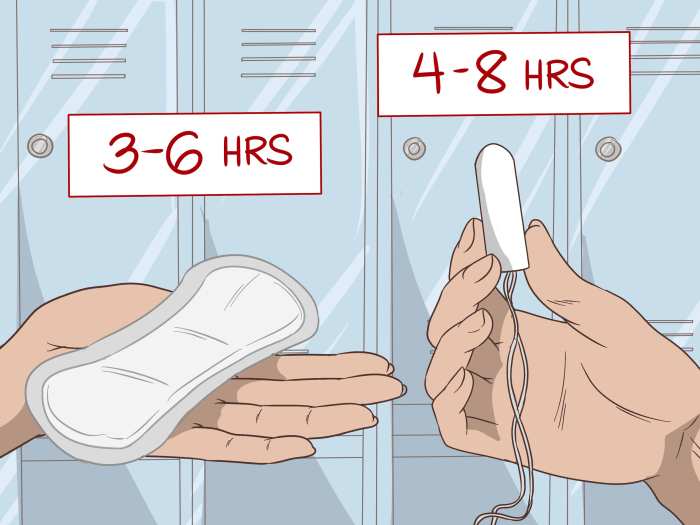
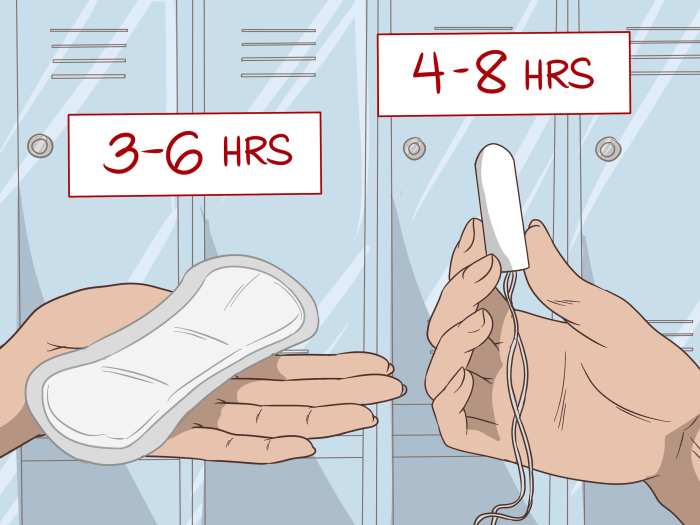
- Changing Products Frequently: Changing menstrual products regularly is critical to prevent bacterial buildup and maintain hygiene. This is especially important for pads and tampons, where prolonged use can lead to discomfort and potential infections. Follow product instructions for appropriate change intervals.
- Handwashing: Handwashing is paramount before and after using any menstrual product. This simple yet effective step helps prevent the transfer of bacteria from the product to the body and vice versa.
Choosing the Right Menstrual Products
Selecting the right menstrual product depends on personal preference, lifestyle, and the flow intensity. Understanding the advantages and disadvantages of different products is essential for choosing the best option.
- Pads: Pads are a traditional choice for menstrual hygiene. They absorb menstrual flow and are often discreet. Choose pads with breathable materials to minimize moisture buildup. Look for leak-proof features to ensure discretion and prevent accidents.
- Tampons: Tampons are inserted into the vagina to absorb menstrual flow. They provide a discreet option, but they require careful insertion and removal to prevent potential complications like toxic shock syndrome (TSS). Always follow instructions carefully and choose the appropriate absorbency level for your flow.
- Menstrual Cups: Menstrual cups are reusable, silicone devices inserted into the vagina to collect menstrual flow. They are environmentally friendly and can reduce waste. Proper insertion and removal techniques are necessary for effective use and hygiene.
Comparing Hygiene Practices Across Products
Different menstrual products have unique hygiene considerations.
- Pads: Pads require frequent changing to maintain hygiene. They are usually changed every 4-8 hours, depending on flow intensity. The outer layer of the pad is designed to absorb the flow and prevent leakage. The inner layer is designed to prevent the flow from leaking out.
- Tampons: Tampons need to be changed regularly, typically every 4-8 hours. Proper insertion and removal are essential to avoid discomfort and infection. Hygiene is crucial to prevent TSS, which is a rare but serious bacterial infection.
- Menstrual Cups: Menstrual cups are changed less frequently than pads or tampons. Typically, they can be worn for 4-8 hours and then emptied and cleaned. Hygiene practices involve thoroughly cleaning the cup before re-insertion. The cup is designed to collect the flow, and it is usually emptied and cleaned every 4-8 hours.
Menstrual Hygiene Product Comparison Table
| Product | Pros (Cleanliness) | Cons (Cleanliness) | Ease of Use |
|---|---|---|---|
| Pads | Easy to use, readily available, good for heavier flows, less risk of TSS | Can be bulky, may cause skin irritation for some, can leak if not changed frequently | High |
| Tampons | Discreet, good for light to moderate flows, less bulk than pads | Requires practice to insert and remove correctly, risk of TSS if not changed regularly, can be uncomfortable for some | Medium |
| Menstrual Cups | Environmentally friendly, reusable, good for light to moderate flows, comfortable and discreet, no risk of TSS | Requires initial learning curve for insertion and removal, can be uncomfortable for some, may not be suitable for heavier flows | Low (initially), High (after learning) |
Daily Routine and Habits
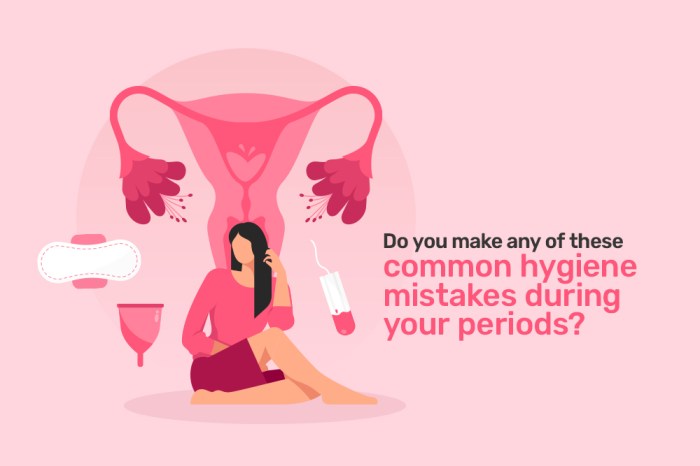
Maintaining optimal hygiene during menstruation is crucial for comfort and well-being. A consistent daily routine, coupled with mindful choices in clothing and diet, can significantly impact your experience. This routine should be personalized to your individual needs and flow with your lifestyle.A well-structured daily routine, focusing on hygiene practices, can significantly reduce discomfort and maintain a sense of confidence throughout your cycle.
This involves understanding the frequency of product changes, the importance of breathable clothing, and recognizing potential pitfalls to avoid.
Frequency of Product Changes
Maintaining cleanliness during menstruation requires regular product changes. The frequency depends on the type of product used and individual flow levels. For example, a heavier flow might necessitate a change every 4-6 hours, while a lighter flow could be managed with changes every 8-12 hours. Listening to your body and adjusting the schedule accordingly is key. It’s essential to have extra supplies readily available to prevent any unexpected delays.
Choosing Comfortable and Breathable Clothing
Comfortable and breathable clothing is essential for optimal hygiene. Cotton or linen are preferred over synthetic fabrics, as they allow air circulation and prevent moisture buildup. Tight clothing, particularly during menstruation, can trap heat and moisture, potentially leading to discomfort and odor. Wearing loose-fitting, breathable garments allows for better air circulation, keeping you dry and comfortable.
Common Mistakes to Avoid
Several common mistakes can negatively impact menstrual hygiene. Forgetting to change products regularly can lead to bacterial growth and odor. Using products that aren’t appropriate for your flow or activity level can also cause discomfort. Forgetting to wash hands after changing products is another common error, which can spread bacteria. These mistakes are easily avoided with a bit of awareness and planning.
Strategies for Managing Odor
Managing odor during menstruation is a crucial aspect of maintaining hygiene. Regular product changes, as mentioned earlier, are vital. Using a menstrual cup, for instance, can minimize odor as the cup doesn’t absorb as much fluid, thereby preventing buildup. Maintaining good overall hygiene, including showering or bathing regularly, can also help. The importance of proper hygiene and clean products cannot be overstated.
Foods and Drinks That Impact Menstrual Hygiene and Odor
Certain foods and drinks can influence both menstrual hygiene and odor. Spicy foods, for example, can sometimes exacerbate odor. Similarly, excessive caffeine or alcohol consumption might contribute to fluid retention, which could indirectly impact menstrual hygiene. On the other hand, some foods, like yogurt, might contribute to a healthy gut microbiome, which in turn could contribute to a more manageable experience.
A balanced diet can help maintain overall well-being, including during menstruation. A list of potential culprits, along with potential alternatives, can help you make informed choices.
- Spicy Foods: Can sometimes exacerbate odor. Consider moderation.
- Excessive Caffeine: Might contribute to fluid retention.
- Alcohol: Potential for fluid retention and odor.
- Yogurt: May contribute to a healthy gut microbiome.
- Fruits and Vegetables: Provide essential nutrients and hydration.
Cleanliness During Activities
Maintaining optimal hygiene during menstruation is crucial, especially during active periods. This includes activities like sports, swimming, and exercise, as well as travel and everyday routines. Understanding how to maintain cleanliness during these various activities ensures comfort and confidence throughout your cycle.Proper hygiene practices during menstruation are vital for overall well-being. This encompasses more than just changing your period products; it involves strategic planning and product selection to maintain comfort and prevent potential issues like infections.
A well-thought-out approach to hygiene during various activities ensures that your period doesn’t disrupt your lifestyle.
Maintaining Hygiene During Sports, Swimming, and Exercise
Maintaining hygiene during physical activities requires a proactive approach. Using absorbent and leak-proof period products is essential to prevent discomfort and potential mess. Changing regularly, at least every 4-6 hours, is critical to prevent bacterial growth and maintain freshness. For high-intensity activities, consider using a combination of a period cup or a tampon and a period underwear for added protection.
Maintaining Cleanliness During Travel or Overnight Stays
Travel or overnight stays require careful planning to ensure continued hygiene. Pack extra period products, including a backup option, and a small travel-sized hygiene kit. Choosing leak-proof products can be especially helpful for unexpected delays or disruptions to your routine. Utilize discreet and convenient storage solutions to maintain your privacy. Consider bringing a travel-sized, refillable period product container for added portability.
Staying clean during your period is crucial for comfort and hygiene. One thing that can sometimes complicate things is dealing with stomach issues, and if you’re wondering about the differences between medications like lansoprazole vs omeprazole, it’s worth checking out this comparison: lansoprazole vs omeprazole what s the difference. Fortunately, understanding these options can help you feel more comfortable and manage any discomfort, allowing you to focus on staying clean and feeling your best during your period.
Importance of Post-Menstrual Hygiene
Post-menstrual hygiene focuses on the continuation of good habits. Even after menstruation ends, proper perineal care is essential. Regular cleansing with water and a mild cleanser, and avoiding harsh chemicals, can prevent potential infections and maintain comfort. The practices you use throughout your cycle should be sustained for optimal hygiene.
Staying clean during your period is crucial for comfort and hygiene. It’s all about proper cleansing and changing your products regularly, right? But did you know that just like eyebrows, which can be a real worry sometimes when it comes to their growth (check out do eyebrows grow back ), your body’s natural processes are amazing. Keeping up with your personal hygiene is essential, and focusing on good habits makes all the difference in your overall well-being during this time.
Importance of Perineal Hygiene After Using the Restroom
Maintaining perineal hygiene after using the restroom is critical for preventing infections. Wipe from front to back to prevent contamination. Using a bidet or water-based cleaning methods can be especially helpful. Remember that consistent, gentle cleansing and careful wiping are essential for maintaining cleanliness.
Choosing the Right Hygiene Products for Different Activities
Selecting the appropriate hygiene products depends on the activity. For sports and exercise, leak-proof and absorbent options are essential. Swimming requires water-resistant products. For travel, discreet and compact products are preferred. A variety of products can be used to address the unique needs of each activity.
Consider factors like absorbency, leak protection, and comfort when choosing your period products. For instance, for high-impact activities, consider period underwear to add an extra layer of protection.
Dealing with Accidents and Leaks
Dealing with unexpected leaks or accidents during menstruation can be frustrating, but understanding how to handle these situations effectively can make a big difference in maintaining comfort and hygiene. A proactive approach to leak prevention and a swift response to accidents can help you feel confident and prepared throughout your cycle.
Appropriate Actions for Leaks and Accidents
Knowing what to do when a leak happens is crucial. Immediate action prevents further issues and maintains hygiene. First, try to remain calm. Panic can hinder your ability to respond effectively. Next, find a private and clean space to address the situation.
This might be a bathroom, a changing room, or even a secluded corner.
Staying clean during your period is crucial for comfort and overall health. Just like managing insulin resistance, which can sometimes lead to diabetes, proper hygiene is essential. Understanding the connection between these two seemingly disparate topics can help you prioritize your well-being. For more on the difference between insulin resistance and diabetes, check out this helpful resource: insulin resistance vs diabetes.
Keeping your hygiene routine consistent, especially during your period, is key to preventing infections and discomfort.
Cleaning Up Accidental Leaks Effectively and Safely
Cleaning up a leak involves more than just wiping. Using clean water and a gentle, mild soap is recommended. Avoid harsh chemicals or abrasive materials that could irritate the skin. Thoroughly clean the affected area, including undergarments, to eliminate any traces of blood. If using disposable products, discard them properly in a sanitary waste bin.
Choosing Absorbent Products to Minimize Leaks
Selecting appropriate absorbent products is key to leak prevention. Consider factors such as absorbency, fit, and material composition. Thicker pads, higher absorbency tampons, or menstrual cups might be necessary depending on your flow. Testing different products can help you identify those that best suit your needs. Consider purchasing different types and sizes to find the best fit for different activities or levels of flow.
Quick Fixes for Minor Leaks or Spills
Minor leaks can sometimes be managed with quick fixes. A strategically placed sanitary napkin or panty liner can often absorb small amounts of leakage. If the leak is coming from a tampon or menstrual cup, ensuring proper insertion and usage can sometimes resolve the issue. A change of undergarments is crucial.
Strategies for Preventing Leaks or Accidents in Various Situations
Leak prevention is possible with the right strategies, especially in high-activity situations. Wearing appropriate undergarments, such as those designed for added protection, is recommended. Carrying extra absorbent products, like a spare pad or liner, can be invaluable for unforeseen situations. When engaging in physical activities, consider wearing a menstrual cup for a leak-free experience. Adjusting your schedule for bathroom breaks, particularly during heavy flow periods, can also help to prevent leaks.
Cultural and Social Factors
Cultural norms and beliefs surrounding menstruation significantly influence how individuals experience and manage their periods. These norms vary greatly across different cultures and societies, impacting everything from access to menstrual hygiene products to the level of social stigma associated with menstruation. Understanding these factors is crucial for promoting good menstrual hygiene practices globally.Cultural perceptions of menstruation often dictate the level of privacy afforded to women during their periods.
Some cultures consider menstruation impure or taboo, leading to social isolation and restrictions on women’s participation in certain activities. In contrast, other cultures view menstruation as a natural bodily function, fostering acceptance and open discussions about it. These differing views directly affect access to resources and support systems for managing menstruation.
Influence of Cultural Norms on Menstrual Hygiene Practices
Cultural norms play a vital role in shaping menstrual hygiene practices. In some cultures, menstruation is considered a time of ritual purification or restriction, influencing the types of clothing, activities, and social interactions permitted. For example, in certain communities, women might be restricted from entering temples or participating in religious ceremonies during their periods. Conversely, in some cultures, menstruation is viewed as a natural process, and women are encouraged to maintain their daily routines.
Role of Education and Awareness in Promoting Good Menstrual Hygiene
Education and awareness campaigns are essential tools in promoting good menstrual hygiene. By providing accurate information about menstruation, its biological processes, and the importance of hygiene, these initiatives empower individuals to make informed choices. Education can also dispel myths and misconceptions surrounding menstruation, fostering a more positive and accepting societal view. For instance, schools and community centers can offer educational programs to young girls and women, addressing topics such as hygiene practices, product availability, and menstrual health.
Impact of Societal Pressures and Stigma Surrounding Menstruation
Societal pressures and stigma surrounding menstruation can significantly impact women’s lives. The shame and secrecy often associated with menstruation can lead to feelings of isolation, embarrassment, and discomfort. This stigma can also affect women’s access to education and employment opportunities. Furthermore, the lack of open dialogue and awareness surrounding menstruation can contribute to misinformation and misconceptions about the condition.
For example, the social stigma surrounding menstruation in some cultures can lead to women avoiding public spaces or restricting their participation in social events during their periods.
Availability of Menstrual Hygiene Products in Different Communities
The availability of menstrual hygiene products varies significantly across different communities. In some developed nations, access to affordable and readily available products like pads and tampons is widespread. However, in many developing countries, access to these products can be limited, particularly for women in rural areas. This lack of access can negatively impact women’s health, education, and economic opportunities.
Furthermore, affordability is a major factor; the cost of menstrual hygiene products can be prohibitive for some women, particularly those in low-income households.
Importance of Menstrual Hygiene in Public Spaces
Maintaining menstrual hygiene in public spaces is crucial for promoting women’s well-being and social inclusion. Adequate access to sanitation facilities, including private restrooms and disposal facilities for used products, is essential. The presence of these facilities can empower women to participate fully in public life without fear of embarrassment or discomfort. Additionally, promoting open conversations about menstruation in public spaces can foster a more supportive and inclusive environment for everyone.
This includes making sure that public restrooms are equipped with adequate supplies and that women feel safe and comfortable using them.
Menstrual Health and Hygiene Products
Navigating menstruation effectively involves more than just basic hygiene. Understanding the different types of menstrual products available, their proper use, and disposal is crucial for both personal comfort and environmental responsibility. This section dives into the world of menstrual hygiene products, exploring their diverse options and implications.
Types of Menstrual Hygiene Products
Various products cater to different needs and preferences. Choosing the right one depends on factors like comfort, cost, and personal preference. Understanding the options available is the first step in making an informed decision.
- Sanitary Pads: These disposable products absorb menstrual flow, providing a barrier between the body and clothing. They come in various sizes, absorbencies, and shapes to accommodate different flow levels and personal preferences.
- Tampons: These are inserted into the vagina to absorb menstrual flow. They come in different absorbencies, and are often chosen for their discretion and comfort during activities.
- Menstrual Cups: These reusable, flexible cups are inserted into the vagina to collect menstrual flow. They offer a more sustainable alternative to disposable products, with potential cost savings over time.
- Menstrual Underwear: These specialized underwear are designed to absorb menstrual flow. They offer a hands-free and discreet solution, eliminating the need for separate products.
Proper Use and Disposal of Products, Stay clean during your period
Correct usage and disposal are essential for both hygiene and environmental protection. Each product type has specific instructions that should be followed for optimal use and safety.
- Sanitary Pads: Change sanitary pads regularly, typically every 4-8 hours, or more frequently if needed. Follow the manufacturer’s instructions for disposal, often involving the use of a standard trash receptacle.
- Tampons: Tampons should be changed every 4-8 hours, as directed by the product’s instructions. Never leave a tampon in for extended periods, as this can lead to toxic shock syndrome (TSS). Dispose of tampons in a standard trash receptacle.
- Menstrual Cups: Follow the manufacturer’s instructions for insertion and removal. Clean the cup with warm water and soap after each use. Dispose of the used cup in a standard trash receptacle, or recycle it depending on the material.
- Menstrual Underwear: Change menstrual underwear regularly, as per the manufacturer’s instructions. These are typically machine washable and should be treated as other laundry.
Cost-Effectiveness Comparison
The cost-effectiveness of menstrual products varies significantly. Initial investment and ongoing costs should be considered when making a choice.
| Product | Initial Cost | Ongoing Cost | Overall Cost-Effectiveness |
|---|---|---|---|
| Sanitary Pads | Low | Moderate to High (depending on brand and absorbency) | Generally moderate, with some brands offering good value. |
| Tampons | Moderate | Moderate to High (depending on brand and absorbency) | Generally moderate, with some brands offering good value. |
| Menstrual Cups | Moderate to High | Low (reusable) | High (long-term savings) |
| Menstrual Underwear | Moderate to High | Moderate (for replacements) | Moderate to High (depends on the frequency of replacements). |
Factors to Consider When Choosing
Personal comfort, environmental impact, and financial considerations play a vital role in selecting menstrual products.
- Comfort and Absorbency: Choose a product that feels comfortable and provides adequate absorbency for your flow level.
- Cost: Consider the initial investment and ongoing costs of different products to find a balance that works for your budget.
- Sustainability: Evaluate the environmental impact of each product and choose the one that aligns with your sustainability values.
- Personal Preference: Consider factors like discretion, ease of use, and overall comfort when making your choice.
Environmental Impact of Different Products
The environmental impact of menstrual products ranges widely, depending on the materials used and disposal methods.
- Sanitary Pads: These are typically made of plastic and other materials that require significant resources to produce and are difficult to recycle, leading to environmental concerns.
- Tampons: Similar to pads, tampons often involve plastic and require substantial resources, with limited recycling options.
- Menstrual Cups: Reusable cups have a significantly lower environmental footprint due to their reduced waste generation, and can be made from materials that are easier to recycle.
- Menstrual Underwear: These are often made from sustainable materials like organic cotton, with potential for recycling and lower environmental impact.
Final Summary: Stay Clean During Your Period
Maintaining cleanliness during your period is a multifaceted process, encompassing product choices, daily habits, and activity considerations. By understanding the pros and cons of various menstrual products, establishing a suitable routine, and addressing potential issues like leaks and odor, you can achieve optimal hygiene and comfort. This comprehensive guide empowers you to navigate your menstrual cycle with confidence and ease.
Remember, taking care of your body during this time is essential, and understanding the cultural and societal factors surrounding menstruation is vital too. From managing activities to dealing with accidents, we’ve covered all the bases to help you stay clean and confident throughout your period.