Returning to the office to get medical test results can be a nerve-wracking experience. It’s a moment of uncertainty, tinged with anticipation and perhaps a bit of anxiety. Understanding the process, from initial requests to receiving results, can ease the stress and make the entire experience smoother. This exploration delves into the various facets of this common scenario, from the logistical steps to the emotional impact of receiving those results.
This article will examine the practical aspects of returning to the office for test results, including typical office procedures, different communication methods, and potential obstacles. We’ll also explore the emotional side of the situation, looking at how to manage anxiety and support patients through this process. Alternative solutions, such as online portals and mail, will also be considered, along with real-world scenarios to illustrate different situations and potential outcomes.
Understanding the Context: Returning To The Office To Get Medical Test Results
Returning to the office for medical test results is a common yet often anxiety-inducing experience. The anticipation of the outcome, coupled with the logistical hurdles of scheduling and travel, can create significant stress. This post delves into the nuances of this situation, exploring the emotional impact, potential reasons for the visit, and the practical steps involved.This experience often triggers a range of emotions, from mild apprehension to significant worry.
The unknown outcome, the possibility of a serious diagnosis, and the need to navigate the administrative aspects of the process can contribute to the emotional burden. Knowing the factors contributing to this anxiety is the first step toward managing it.
Ugh, back to the office to pick up those medical test results. My hands are already feeling a little numb and tingly, which is a common symptom of conditions like rheumatoid arthritis, particularly numbness and tingling in the hands and feet. I’m hoping the results are good, but it’s always a bit nerve-wracking going back to the office for that kind of thing.
Rheumatoid arthritis numbness and tingling can be quite debilitating, so I’m hoping my results aren’t pointing in that direction. Hopefully, the results will be positive and I can get back to my usual routine, hopefully soon.
Possible Reasons for Returning to the Office
There are several reasons why someone might need to return to the office to collect medical test results. A doctor might request the patient’s return to review specific test results, particularly those that require further evaluation, explanation, or additional testing. For example, an abnormal blood test might necessitate a follow-up visit to the office for a comprehensive review of the findings and a discussion of potential treatment plans.
Additionally, the office might be the location for the initial delivery of test results, such as for a routine check-up or a specific condition under investigation.
Emotional and Psychological Impact
The anticipation of test results can evoke a range of emotions, including anxiety, fear, and uncertainty. The unknown nature of the outcome often fuels worry, especially if the test relates to a suspected or known health concern. Furthermore, the need to navigate the logistical aspects of the visit, such as travel and scheduling, can further exacerbate the emotional toll.
This experience can significantly impact an individual’s mental well-being.
Returning to the office to pick up those crucial medical test results felt like a monumental task. My anxiety was through the roof, wondering about the potential implications. It’s a common fear, and understanding the possible causes and risk factors for conditions like esophageal cancer can help put things into perspective. For instance, did you know that certain dietary habits, smoking, or even a family history can increase the likelihood of developing esophageal cancer?
Esophageal cancer causes and risk factors are important to consider, especially when facing health uncertainties. Thankfully, my results were positive, and I was relieved to get back to my work routine. Now, I can get back to the business of life.
Steps Involved in Collecting Results
Collecting and receiving medical test results typically involves several steps. First, the patient receives a notification from the clinic or hospital about the availability of the results. This notification often includes the date, time, and location for the collection of the results. The patient then needs to schedule a time to visit the office. Upon arrival, the patient typically presents their identification, and the staff will verify their identity and provide the results.
The process can be straightforward but may include explanations or further questions from the medical staff depending on the complexity of the findings.
Potential Logistical Challenges
Returning to the office for test results can present various logistical challenges. Scheduling conflicts, travel time, and potential delays in receiving results can create significant disruptions. Finding childcare or arranging transportation might be necessary, adding further complexity. The time required for the entire process, including travel, waiting, and the explanation of the results, can be a significant factor in an individual’s day.
Examples of Specific Test Results
Different types of tests require different approaches. For instance, blood tests often involve a simple collection and analysis. Imaging tests, like X-rays or MRIs, may require the patient to return to the facility for image review and interpretation. Results from specialized tests, such as genetic testing or biopsies, can involve more intricate processes, including further consultations and detailed discussions.
Logistics and Procedures
Returning to the office to collect medical test results necessitates a smooth and efficient process. Clear procedures, well-defined roles, and robust communication are vital to ensure timely and accurate delivery of information. This section details the typical office procedures for handling test result requests, along with potential obstacles and solutions.Understanding the specific procedures within a given office environment is crucial.
A well-structured process flow ensures the smooth handling of requests, minimizing delays and improving patient satisfaction.
Office Procedures for Handling Test Result Requests
The office typically handles test result requests through a pre-defined process. This process involves a coordinated effort between reception, the lab, and the doctor’s office. A clear understanding of each department’s role and responsibilities is essential for smooth operation.
Process Flow Chart for Retrieving Results
A well-structured process flow chart helps visualize the steps involved in retrieving test results. The flow chart typically starts with the patient’s request, progresses through the necessary approvals and validations, and culminates in the release of the results to the patient. A visual representation aids in understanding and tracking the progress of the request.
Departments/Personnel Involved in the Process
The following table Artikels the roles and responsibilities of the various departments and personnel involved in the test result retrieval process.
| Department | Role | Responsibilities |
|---|---|---|
| Reception | Receptionist | Records the request, verifies patient identity, and schedules the release of the results, ensuring the accuracy of patient information. May act as the initial point of contact. |
| Lab | Lab Technician/Manager | Stores and manages the test results, verifies the accuracy of the results, and prepares the results for release. They maintain records and ensure data integrity. |
| Doctor’s Office | Medical Assistant/Nurse/Physician | Authorizes the release of results, reviews the results for accuracy, and determines the appropriate method of communication to the patient. May also discuss the results with the patient. |
Potential Obstacles and Solutions
Several obstacles can hinder the smooth retrieval of test results. Identifying these obstacles and implementing solutions is crucial for efficiency.
- Missing or Incomplete Patient Information: A receptionist can verify the patient’s identity and ensure all necessary information is available, thus preventing delays in result release. A standardized form can streamline the process.
- Technical Issues: Regular maintenance of computer systems and communication networks, along with backup plans, are vital for uninterrupted operation. This will minimize delays due to system failures.
- Communication Breakdown: Establishing clear communication channels between departments is critical. This can be achieved through designated email addresses, phone numbers, or internal messaging systems. Regular meetings to review processes and procedures can ensure that communication is clear and concise.
- Unclear Procedures: Well-documented procedures and guidelines can eliminate confusion. This includes detailed instructions on handling requests, communicating results, and managing potential errors. Training materials for personnel involved in the process can be helpful.
Methods of Communicating Results
Different methods exist for communicating test results, each with its advantages and disadvantages. The choice of method often depends on the sensitivity of the information and the patient’s preference.
- Email: Convenient and efficient for non-sensitive information. However, it lacks immediate feedback and might not be suitable for urgent results.
- Phone Call: Allows for immediate clarification and ensures prompt communication. However, it may not be suitable for detailed information or for patients who prefer written documentation.
- In-Person: Provides an opportunity for detailed discussion and clarification, allowing the patient to ask questions and receive immediate feedback. This is often preferred for sensitive results or when immediate action is needed. However, this method can be time-consuming and might not be suitable for all patients.
Communication and Information
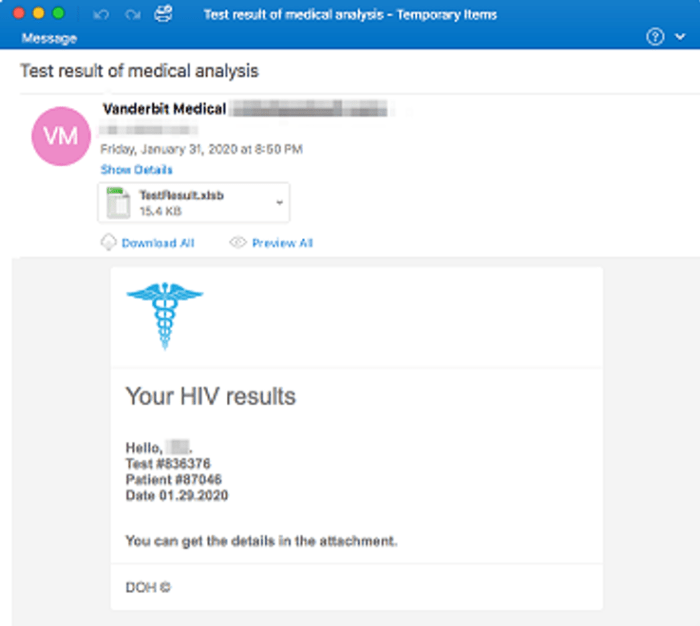
Getting your medical test results can be a nerve-wracking experience. Clear and effective communication from the healthcare provider is crucial during this process, ensuring patients understand their results and next steps. This section details effective communication strategies, provides examples, and highlights patient rights regarding medical information.Effective communication in this context is not just about conveying the results; it’s about fostering trust and enabling informed decision-making.
This involves delivering the information in a way that is both empathetic and informative, allowing patients to ask questions and receive accurate explanations. A well-structured communication plan minimizes anxiety and maximizes understanding.
Effective Communication Strategies
Effective communication strategies for delivering test results focus on clarity, empathy, and a patient-centered approach. Providing results in a calm, reassuring manner is key. Active listening to patient concerns and addressing their questions with patience is equally important. This approach ensures that patients feel heard and understood, minimizing any potential anxiety or confusion.
Sample Phone Call Script for Delivering Test Results
This sample script provides a framework for delivering test results over the phone:
“Hello [Patient Name], this is [Your Name] from [Clinic Name]. I’m calling to share your test results. I understand this may be a sensitive topic. Please tell me if you have any questions or concerns before I proceed. Your [Specific Test Name] results show [Result, e.g., a slightly elevated glucose level]. This is not necessarily cause for alarm. [Optional: Briefly explain the significance of the result without medical jargon, e.g., this might indicate a need for further testing to rule out any underlying issues]. We recommend scheduling a follow-up appointment with [Doctor’s Name] to discuss these findings in more detail. Is there anything else I can clarify for you? Could you please confirm your availability for a follow-up appointment in the coming week?”
Returning to the office for those crucial medical test results felt like a whole process, almost like the three phases of swallowing. First, the anticipation, the nervous chewing over possibilities, then the actual receiving of the results – the tongue and throat working together to process the information. Finally, the digestion of the news, whether good or bad.
Learning about the three phases of swallowing here really helped me understand how much our bodies go through even for something as seemingly simple as getting results. Hopefully, the outcome will be positive and I can finally get back to my work, once the information is digested.
Comparison of Result Delivery Methods
This table compares various methods of informing patients about their test results, highlighting their respective advantages and disadvantages:
Patient Rights Regarding Medical Information
Patients have the right to access, review, and receive explanations of their medical records, including test results. They have the right to ask questions and seek clarification. Providers are obligated to deliver information in a clear and understandable manner. Maintaining confidentiality and protecting patient privacy are paramount.
Importance of Clear and Concise Communication
Clear and concise communication is paramount when delivering test results. Ambiguity or jargon can lead to misinterpretation, anxiety, and potentially delayed or inappropriate treatment. Healthcare providers should strive to provide information in a manner that is easy to understand, even for patients with limited medical knowledge. Providing context and potential implications of the results is crucial for effective patient care.
Emotional Considerations
Returning to the office to receive medical test results can be a profoundly emotional experience. The anticipation, uncertainty, and potential implications of the outcomes can trigger a range of feelings, from anxiety and fear to relief and hope. Understanding and acknowledging these emotions is crucial for providing compassionate support and facilitating a smooth and constructive process.Navigating this sensitive period requires empathy, clear communication, and a thoughtful approach to handling potentially distressing news.
The following sections will explore the potential emotional impact of receiving test results, common reactions, strategies for emotional support, and examples of empathetic language to use when communicating results. This discussion will also examine different approaches to handling sensitive information.
Potential Emotional Impact of Test Results
Receiving medical test results can trigger a wide array of emotional responses. The uncertainty surrounding the outcomes, combined with the potential impact on health, relationships, and future plans, can lead to significant emotional distress. The emotional impact is not just limited to the patient but can also affect family members, friends, and other support systems.
Common Reactions and Responses, Returning to the office to get medical test results
The spectrum of reactions to receiving medical test results is vast. Patients may experience:
- Anxiety and Fear: Uncertainty about the results can trigger intense anxiety and fear, especially if the patient has a pre-existing condition or a family history of the same condition.
- Relief and Hope: Positive results can evoke feelings of relief and hope, potentially leading to a sense of optimism and renewed focus on health and well-being.
- Depression and Grief: Negative results can lead to feelings of sadness, grief, and depression. The realization of a serious condition or the need for significant lifestyle adjustments can be emotionally challenging.
- Anger and Frustration: Patients may express anger and frustration if the results are unexpected or if they feel their concerns were not adequately addressed by the healthcare system.
- Confusion and Disbelief: The complexity of medical information and the unexpected nature of the results can lead to feelings of confusion and disbelief.
Strategies for Emotional Support
Providing emotional support during this process is crucial. Empathetic listening, validation of feelings, and a calm, reassuring demeanor are essential.
- Active Listening: Allow patients ample time to express their emotions and concerns without interruption. Avoid judgmental responses or attempts to minimize their feelings.
- Validation of Feelings: Acknowledge and validate the patient’s emotional responses, even if they seem intense or unexpected. Statements like “That sounds incredibly difficult” or “It’s understandable that you’re feeling this way” can be helpful.
- Providing Information in a Supportive Manner: Present information clearly and concisely, avoiding medical jargon. Provide opportunities for questions and ensure the patient feels heard and understood.
- Referral to Support Services: If necessary, refer patients to support groups, counselors, or other resources that can provide additional emotional support.
Empathetic Language for Communicating Results
The language used to communicate results is crucial. Empathetic and supportive language can help mitigate anxiety and foster trust.
- Examples of Empathetic Language: “I understand this is a difficult time for you,” or “It’s completely understandable that you’re feeling confused.” “We’re here to support you through this.” or “Let’s talk about your concerns.” or “I want to be sure you have all the information you need to make informed decisions.”
Different Approaches to Handling Sensitive Information
Different approaches to handling sensitive information can significantly impact patient well-being. The approach chosen should prioritize the patient’s comfort and understanding.
- Direct and Concise Communication: Presenting results directly and concisely can be effective for some patients, while others may prefer a more gradual approach.
- Gradual Disclosure: A gradual disclosure of information, especially if the results are complex or concerning, can help the patient adjust to the news and manage the emotional impact.
- Providing Options and Control: Offering patients choices about how they receive information, when they want to discuss the results, or if they prefer additional support can significantly reduce stress and anxiety.
Alternative Solutions
Returning to the office for medical test results can be inconvenient, especially if there are time constraints or accessibility issues. Fortunately, alternative methods for receiving these results can offer more flexibility and convenience. Exploring these options ensures a smoother process for patients and streamlines the healthcare system.
Alternative Result Delivery Methods
Different methods for receiving medical test results exist, each with its own set of advantages and disadvantages. Choosing the most suitable method depends on individual circumstances and preferences.
| Method | Advantages | Disadvantages |
|---|---|---|
| Online Portal | Convenience, 24/7 access, reduced wait times, potential for immediate action on results, secure delivery, often integrated with patient portals, ability to download and print results. | Requires internet access, potential for technical difficulties, security concerns if not properly secured, possible lack of familiarity with the portal, limited access to specialized interpretation or explanation. |
| Familiar process, potentially more secure for highly sensitive information, tangible copy of results, suitable for those without internet access. | Delayed delivery, potential for loss or damage during transit, reliance on postal services, limited accessibility if the patient is not at home. |
Implementing Remote Result Delivery Systems
Implementing remote result delivery systems requires careful planning and consideration of security measures. A robust online portal, for example, should incorporate encryption and authentication protocols to protect patient data. This ensures that only authorized individuals can access results. Additionally, clear instructions and support materials should be provided to patients to facilitate easy navigation of the system.
Security is paramount in remote result delivery systems. For online portals, robust authentication methods, such as multi-factor authentication, should be implemented. Secure encryption protocols should protect sensitive data during transmission and storage. Regular security audits and updates are essential to ensure ongoing protection against cyber threats. Clear communication channels are vital to address any technical issues or questions that patients may encounter.
Mail delivery systems, while seemingly simple, should also be secure. Use of certified mail or tracking services can ensure that results are delivered safely and securely. A secure packaging system can further protect results. Detailed procedures for handling lost or damaged mail should be in place to protect patient privacy and maintain confidentiality.
Illustrative Scenarios

Returning to the office for medical test results can be a nerve-wracking experience. Understanding the potential scenarios, from straightforward cases to more complex situations, is crucial for managing anxieties and ensuring a smooth process. This section explores various possibilities, highlighting the steps involved, and strategies for navigating them effectively.
Scenario: Routine Test Results
A patient needs to return to the office for the results of a routine blood test. The patient scheduled an appointment and received confirmation. Upon arrival, the patient meets with the medical assistant, who verifies their identity and provides the results. The physician reviews the results, discusses any relevant implications, and provides appropriate recommendations or next steps.
If the results are normal, the patient is reassured, and appropriate follow-up is scheduled. If there are abnormalities, the physician discusses the implications and recommends further tests or treatment. This scenario emphasizes the importance of clear communication and a supportive environment.
Scenario: Delayed Results
Sometimes, test results are delayed due to unforeseen circumstances, such as laboratory equipment malfunctions or high volume of tests. The patient should be promptly notified of the delay. The notification should include an estimated timeframe for receiving the results. In cases of significant delays, the physician or medical assistant should offer alternative options, such as a phone call or a follow-up appointment, to ensure the patient receives timely updates.
The patient’s concerns are acknowledged and addressed throughout the process.
Scenario: Patient Anxiety
A patient experiencing anxiety about their test results can benefit from empathetic and proactive communication. The medical team can employ strategies such as providing reassurance, explaining the results in a clear and concise manner, and addressing the patient’s concerns with empathy. Active listening and creating a safe space for the patient to express their feelings are paramount. A supportive environment where the patient feels comfortable asking questions is crucial for reducing anxiety and promoting understanding.
Scenario: Successful Communication
A patient receives their test results via a detailed report and a follow-up phone call from their physician. The physician carefully explains the results, emphasizing the importance of specific factors. The patient’s questions are answered thoroughly, and any uncertainties are addressed promptly. The conversation focuses on clear communication, active listening, and empathy. The patient feels informed and reassured, leading to a positive outcome.
Scenario: Online Portal Access
A patient receives test results through a secure online portal. The portal provides detailed information about the test results, including numerical values, and any necessary graphs or charts. The patient can access their results anytime and review them at their convenience. The online portal facilitates a transparent and efficient communication channel, empowering the patient to actively participate in their healthcare journey.
The portal may include a section where the patient can ask questions or schedule a follow-up appointment.
End of Discussion
In conclusion, returning to the office for test results, while potentially stressful, can be navigated with preparation and understanding. The process, from initial requests to receiving results, can be made more manageable by anticipating potential challenges, implementing efficient communication strategies, and recognizing the importance of emotional support. By considering the various options and approaches, individuals can approach this experience with a greater sense of control and confidence.