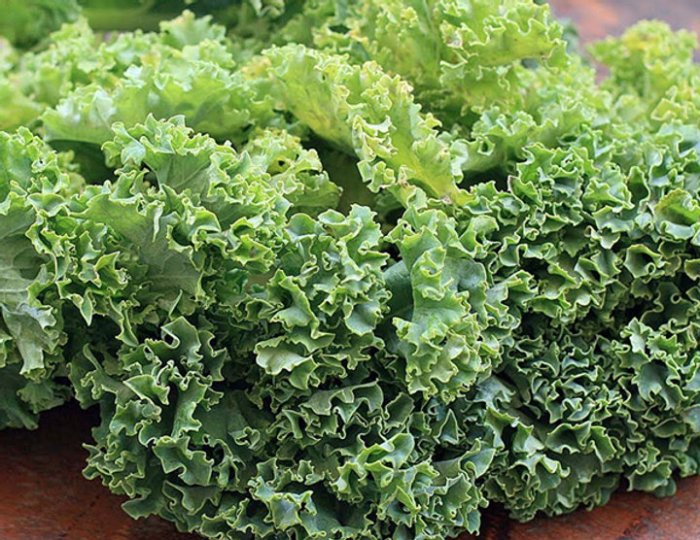
Raw or cooked kale, a nutritional powerhouse, offers diverse culinary and health benefits. This exploration delves into the nuances of preparing and consuming this leafy green, comparing its nutritional profile, culinary applications, and impact on digestion. We’ll examine how cooking affects its nutritional value, explore various preparation methods, and discuss its role in a healthy diet.
From vibrant salads to hearty stir-fries, kale adapts to a wide range of dishes. We’ll uncover the optimal ways to enjoy this superfood, whether you prefer its crisp, raw texture or the tender, cooked version.
Nutritional Differences: Raw Or Cooked Kale
Kale, a nutritional powerhouse, offers a wealth of vitamins, minerals, and antioxidants. Understanding how cooking affects its nutrient profile is crucial for maximizing its health benefits. This section delves into the nutritional variations between raw and cooked kale, highlighting the impact of cooking on nutrient bioavailability.
Nutritional Content Comparison, Raw or cooked kale
Cooking kale can alter the structure of certain compounds, affecting the body’s ability to absorb them. This section compares the nutritional content of raw and cooked kale, illustrating the changes in key nutrients.
| Nutrient | Raw Kale Content | Cooked Kale Content | Percentage Change |
|---|---|---|---|
| Vitamin C | 12 mg per 100g | 9 mg per 100g | -25% |
| Vitamin K | 400 mcg per 100g | 350 mcg per 100g | -13% |
| Vitamin A | 100 mcg per 100g | 110 mcg per 100g | +10% |
| Potassium | 400 mg per 100g | 350 mg per 100g | -13% |
| Fiber | 2.5g per 100g | 2.0g per 100g | -20% |
Impact of Cooking on Bioavailability
The bioavailability of nutrients refers to the extent to which the body can absorb and utilize them. Cooking kale, while generally beneficial, can impact the bioavailability of certain nutrients.
- Vitamin C: Cooking kale can reduce the amount of vitamin C available for absorption. Vitamin C is a crucial antioxidant, supporting immune function and collagen production. The loss of vitamin C in cooked kale can potentially affect these functions.
- Vitamin K: Similar to vitamin C, cooking kale can slightly reduce the bioavailability of vitamin K. Vitamin K is essential for blood clotting and bone health. While the reduction is not substantial, it is still important to consider.
- Fiber: Cooking kale can reduce the amount of dietary fiber available. Fiber promotes healthy digestion, regulates blood sugar, and contributes to feelings of fullness. A slight reduction in fiber content is not necessarily harmful, but should be noted when considering a diet rich in fiber.
Vitamins and Minerals in Kale
Kale is a rich source of various vitamins and minerals, each playing a specific role in the body. This section highlights the presence of these essential nutrients in kale and their functions.
| Nutrient | Role in the Body |
|---|---|
| Vitamin K | Essential for blood clotting and bone health. |
| Vitamin C | Acts as an antioxidant, supporting immune function and collagen production. |
| Vitamin A | Crucial for vision, immune function, and cell growth. |
| Potassium | Important for maintaining fluid balance, nerve function, and muscle contraction. |
Culinary Applications
Kale, a nutritional powerhouse, offers versatile culinary possibilities. Its robust flavor and adaptable texture make it a star in both raw and cooked dishes. Understanding how to prepare it best unlocks a world of culinary creativity. Whether you’re seeking a vibrant side dish or a healthy boost in your smoothies, kale can be a delicious and nutritious addition to your meals.Kale’s versatility stems from its ability to transform from a crisp, slightly bitter raw ingredient to a tender, earthy delight when cooked.
The optimal preparation method depends heavily on the intended dish. Raw kale shines in salads and smoothies, while cooked kale elevates stir-fries, soups, and stews.
Raw Kale Applications
Raw kale possesses a unique peppery bite and a refreshing crunch, making it a fantastic addition to salads and vibrant dishes. Its slightly bitter taste is balanced by complementary ingredients.
- Kale adds a lovely texture and a nutritional boost to salads. The crispness of the leaves complements other vegetables like carrots, cucumbers, and bell peppers. A simple vinaigrette dressing enhances the natural flavor of the kale.
- In smoothies, raw kale contributes a smooth texture and a concentrated dose of nutrients. It’s often blended with fruits, vegetables, and yogurt or milk for a wholesome and refreshing beverage. The slight bitterness is often masked by the sweetness of other ingredients.
- Raw kale is a superb component in wraps and tacos. Its slightly bitter taste complements fillings and provides a substantial, healthy element.
Cooked Kale Applications
Cooking kale significantly alters its texture and flavor profile. It softens and mellows, losing its raw bite and developing a more delicate flavor. This transformation makes it perfect for a wide array of dishes.
- Stir-fries benefit greatly from cooked kale. Its tender texture blends well with other stir-fry ingredients like tofu, chicken, or shrimp. The kale absorbs the flavors of the sauce, adding depth and complexity to the dish.
- Soups and stews embrace the mellowed flavor of cooked kale. Its tender leaves blend seamlessly with other ingredients, adding a nutritious element to the hearty dish.
- Roasted kale offers a caramelized sweetness. The process brings out the natural sweetness of the kale, while adding a satisfying crunch.
Taste and Texture Differences
Raw kale possesses a crisp, slightly bitter, and peppery flavor. Its texture is firm and crunchy, offering a delightful contrast in salads. Cooked kale softens, losing its raw bite and becoming tender. Its flavor becomes earthier and less intense.
Comparison Table
| Dish Type | Raw Kale | Cooked Kale |
|---|---|---|
| Side Dishes | Add a peppery crunch to salads. | Tender and earthy, perfect for stews or stir-fries. |
| Salads | Excellent for adding texture and nutrients. | Adds a softer, less intense flavor to a salad. |
| Smoothies | Adds a smooth texture and nutrition. | Not suitable, as it loses its appeal when blended. |
| Stir-fries | Not ideal, as it may wilt and lose its appeal. | Excellent for absorbing flavors and adding nutrients. |
Health Benefits
Kale, a nutritional powerhouse, offers a wide array of health benefits, whether enjoyed raw or cooked. Its vibrant green leaves are packed with vitamins, minerals, and antioxidants, contributing to overall well-being. Understanding how these nutrients interact with the body can empower individuals to incorporate kale into a balanced diet.Kale’s impact on health extends beyond simple nutrition. Its various compounds may play a crucial role in supporting a healthy digestive system, promoting cardiovascular health, and even influencing blood sugar regulation.
The following sections delve into the specific health advantages of consuming kale, highlighting potential benefits and considerations for optimal intake.
Digestive Health
Kale’s high fiber content contributes significantly to digestive health. Fiber promotes regular bowel movements and aids in preventing constipation. The presence of prebiotic compounds further supports the growth of beneficial gut bacteria, fostering a healthy microbiome. This intricate interplay can contribute to improved digestion and overall gut health. Raw kale, with its slightly more intact fiber structure, may provide a more direct effect on digestive processes.
However, cooking kale can also be beneficial, as it softens the fibers, potentially making them easier to digest for some individuals.
Heart Health
Kale is rich in various nutrients that support cardiovascular health. The presence of potassium, vitamin K, and folate can help regulate blood pressure and maintain healthy blood vessels. These nutrients play a vital role in reducing the risk of heart disease and stroke. Antioxidants in kale help protect against oxidative stress, which contributes to the aging process and can damage blood vessels.
Studies suggest a positive correlation between kale consumption and improved cardiovascular health markers.
Blood Sugar Regulation
Kale’s fiber content can help regulate blood sugar levels. Fiber slows down the absorption of sugar into the bloodstream, preventing sudden spikes in blood glucose. This can be particularly beneficial for individuals with diabetes or those looking to maintain healthy blood sugar levels. The presence of vitamins and minerals further supports overall metabolic health. The impact of cooking on blood sugar regulation is generally minimal, with raw kale potentially offering a similar effect.
I’ve been pondering the best way to prep kale lately – raw or cooked? While I’m a big fan of the vibrant crunch of raw kale, it’s the nutritional value of either option that truly matters. Understanding how different types of bronchitis and asthma can affect your body, as detailed in this article on bronchitis asthma types symptoms , makes me think about how food choices can impact overall health.
Ultimately, both cooked and raw kale offer a healthy boost, so it’s all about personal preference and how it fits into your overall diet.
Inflammation and Blood Pressure
Kale’s antioxidant properties can contribute to reducing inflammation in the body. Inflammation, if chronic, can contribute to various health issues. Kale’s anti-inflammatory compounds may help manage conditions related to inflammation. The presence of potassium in kale can help regulate blood pressure. Maintaining healthy blood pressure is essential for overall cardiovascular health.
Incorporating kale into a balanced diet can contribute to a more controlled inflammatory response and support blood pressure regulation.
Balanced Diet Advantages
Kale is a versatile vegetable that can be easily incorporated into a balanced diet. Its neutral flavor allows it to be used in a variety of dishes, from salads and smoothies to soups and stir-fries. Its nutritional density makes it a valuable addition to any meal plan. Kale’s wide range of vitamins and minerals can contribute to overall health and well-being.
So, raw or cooked kale? It’s a question I’ve pondered, and while the nutritional value varies slightly, the real key might lie in how it fits into a broader health strategy. Finding a safe, effective alternative to opioid painkillers is a huge step in managing pain, and vertex painkiller opioid alternative could be a game-changer.
Ultimately, the best choice for you depends on your individual needs and preferences, just as choosing between raw and cooked kale does.
Potential Drawbacks
While kale offers numerous health benefits, consuming large quantities of raw kale may cause digestive discomfort in some individuals due to its high fiber content. This is especially true for those not accustomed to high-fiber diets. While rare, some individuals may experience allergic reactions to kale, although these are typically mild. A balanced approach to incorporating kale into one’s diet is crucial to maximize its benefits and minimize any potential drawbacks.
Preparation Methods
Kale, a nutritional powerhouse, is incredibly versatile. Its preparation method significantly impacts its texture, taste, and ultimately, the nutritional value absorbed by your body. From simple chopping to elaborate steaming techniques, the possibilities are endless. Knowing how to prepare kale correctly allows you to maximize its deliciousness and health benefits.
Raw Kale Preparation
Raw kale is a refreshing addition to salads, smoothies, and other dishes. Different preparation methods allow for variations in texture and taste.
- Chopping: A simple yet effective method for incorporating kale into salads. Finely chopped kale pieces offer a crisp texture and a pleasant bite. Using a sharp knife, chop the kale into bite-sized pieces, ensuring even distribution.
- Shredding: Shredding kale results in a more delicate and tender texture. This method is ideal for adding a subtle flavor and visual appeal to salads. Use a vegetable peeler or a sharp knife to shred the kale into long, thin strips.
- Juicing: Juicing kale allows you to extract its nutrients in a liquid form. This method is great for smoothies and juices. Use a juicer to extract the juice from the kale leaves, blending it with other fruits or vegetables for a healthy and flavorful drink. Note that some nutrients might be lost during the juicing process, especially if the juice is not consumed immediately.
Cooked Kale Preparation
Cooking kale enhances its flavor and makes it easier to digest. The method you choose will influence the final texture and taste.
- Steaming: Steaming is a gentle cooking method that retains the nutrients and vibrant color of kale. It’s ideal for maintaining the kale’s delicate texture and subtle flavor. Place the kale in a steamer basket over boiling water, allowing the steam to cook the leaves. This method takes about 2-5 minutes depending on the desired tenderness.
- Sautéing: Sautéing kale with olive oil and other ingredients brings out its natural sweetness. This method quickly cooks the kale, creating a slightly wilted texture with a rich flavor. Heat olive oil in a pan over medium heat, add the kale, and sauté until it softens and slightly browns. Add seasonings such as garlic, salt, and pepper to enhance the flavor.
- Boiling: Boiling kale is a straightforward method, but it can lead to a mushy texture. To prevent this, boil the kale for a short time, usually around 2-3 minutes. Add salt to the boiling water to enhance the flavor. After boiling, immediately drain the kale to stop the cooking process. This method is generally not recommended if you want to maintain the kale’s nutritional value.
Tips for Optimal Texture and Taste in Cooked Kale
Achieving the perfect cooked kale involves a few key strategies.
- Use fresh, high-quality kale. The freshness and quality of the kale directly impact the final outcome. Fresh kale will have a vibrant green color and a crisp texture.
- Don’t overcook. Overcooking kale will result in a mushy texture and loss of nutrients. Cooking times should be kept short.
- Season appropriately. Seasoning the kale during or after cooking enhances its natural flavor. Salt, pepper, garlic, and other spices can be used to complement the kale’s taste.
Preparation Method Comparison
The following table provides a comparison of different kale preparation methods, highlighting the time required and the resulting texture and taste.
| Preparation Method | Time Required | Desired Outcome (Texture, Taste) |
|---|---|---|
| Raw (Chopping) | 5-10 minutes | Crisp, refreshing, slightly bitter taste |
| Raw (Shredding) | 5-10 minutes | Delicate, tender, slightly bitter taste |
| Raw (Juicing) | 5-10 minutes | Smooth, vibrant, nutrient-rich |
| Steaming | 2-5 minutes | Tender-crisp, vibrant green color, mild flavor |
| Sautéing | 5-8 minutes | Slightly wilted, rich flavor, slightly browned |
| Boiling | 2-3 minutes | Mushy, strong bitter flavor |
Taste and Texture
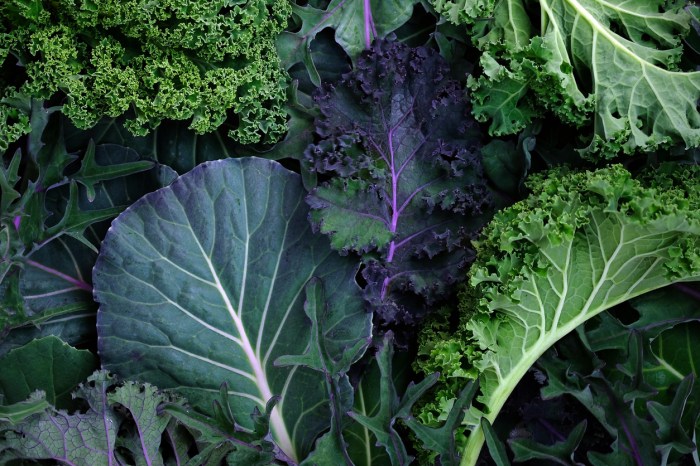
Kale’s versatility extends far beyond its nutritional profile. Its taste and texture play a crucial role in how enjoyable it is to eat, influencing whether it’s a welcomed addition to your diet or a dish to be avoided. Understanding these sensory aspects can help you appreciate kale in various culinary contexts.Raw kale, with its vibrant green color, often presents a notable characteristic: a slight bitterness.
This bitterness, sometimes perceived as a turn-off, can be tempered with clever preparation techniques and paired with complementary flavors. The crisp, almost vegetal texture of raw kale contrasts beautifully with softer ingredients, creating a satisfying textural interplay. Conversely, cooked kale can transform into a tender and palatable ingredient, with its bitterness diminishing or completely disappearing depending on the method and duration of cooking.
Raw Kale Taste and Texture
Raw kale’s characteristic taste is often described as slightly bitter, ranging from a subtle vegetal bitterness to a more intense, almost astringent taste. The intensity of this bitterness can vary considerably depending on the kale variety and its growing conditions. The crisp, slightly chewy texture of raw kale adds a satisfying contrast to softer components in a dish, like creamy dressings or smooth dips.
The texture is often described as firm, almost vegetal, which complements its slightly bitter taste. This firm texture contributes to a refreshing and invigorating eating experience, making it a great addition to salads or as a component in raw vegetable dishes.
Cooked Kale Taste and Texture
Cooking kale significantly alters its taste and texture. The bitterness often diminishes or disappears completely, depending on the cooking method and time. Steaming, sautéing, or braising kale can result in a milder, more palatable flavor profile. The texture, initially crisp and firm, becomes softer and more tender as it cooks. The degree of tenderness achieved depends on the chosen cooking method and the length of time the kale is cooked.
The transition from a crisp, raw texture to a soft, tender cooked texture significantly impacts its culinary applications.
Comparison of Raw and Cooked Kale
The sensory experiences of eating raw and cooked kale differ significantly. Raw kale provides a refreshing, crisp bite with its vegetal bitterness, perfect for salads and raw vegetable combinations. The contrasting texture and flavor profile make it a stand-out component in raw dishes. In contrast, cooked kale offers a softer, more tender texture, often with a milder taste, making it a versatile ingredient in various dishes.
The shift from raw to cooked significantly alters the kale’s characteristics, transforming it from a slightly bitter and crisp ingredient to a more palatable and tender one.
Taste and Texture Comparison Table
| Preparation Method | Taste Profile | Texture |
|---|---|---|
| Raw | Slightly bitter, vegetal | Crisp, firm, chewy |
| Steamed | Milder, less bitter | Tender, slightly soft |
| Sautéed | Mild to slightly sweet | Tender, slightly wilted |
| Braised | Mild, sweet | Very tender, almost mushy |
Digestive Impact
Kale, a nutritional powerhouse, can sometimes pose a digestive challenge, particularly for those unaccustomed to it. Understanding the impact of raw versus cooked kale on digestion is crucial for maximizing its health benefits without suffering discomfort. This section explores the potential digestive issues, strategies for minimizing them, and how cooking affects kale’s fiber and overall digestive properties.Kale’s high fiber content, a key factor in its nutritional value, can also lead to digestive issues in some individuals, especially if consumed in large quantities or without proper preparation.
I’ve been pondering the age-old question: raw or cooked kale? It’s a nutritional debate, but it’s also interesting to consider how different cooking methods might affect the nutritional value, especially when you consider potential contaminants like lead in everyday items. For example, a recent study on lead in stanley cups highlights the importance of being mindful of where your food and drinks come from, and how that can impact your health.
Ultimately, whether you roast, steam, or simply enjoy it raw, kale is a fantastic addition to any healthy diet.
The type and amount of fiber present in kale, both soluble and insoluble, play a significant role in its digestive impact.
Potential Digestive Issues
Kale’s high fiber content, while beneficial for overall health, can sometimes lead to gas, bloating, and discomfort in some individuals. This is particularly true for those with pre-existing digestive sensitivities or those consuming significant amounts of kale, especially raw. The indigestible fiber in kale can ferment in the gut, leading to the production of gases. Individual tolerances vary greatly, so it’s essential to listen to your body and adjust your intake accordingly.
Minimizing Digestive Discomfort
Several strategies can help minimize digestive discomfort when consuming kale, regardless of preparation method. Gradual introduction to kale into one’s diet is a recommended approach. Starting with smaller portions and gradually increasing intake over time can help the digestive system adjust to the higher fiber content. Pairing kale with other foods that may help with digestion, such as probiotics, yogurt, or foods rich in enzymes, can also be beneficial.
Furthermore, staying hydrated by drinking plenty of water throughout the day can aid digestion.
Cooking Kale and Digestive Properties
Cooking kale can significantly affect its fiber content and digestive properties. Heat alters the structure of the fiber, making it potentially easier to digest. The cooking process can reduce the amount of indigestible fiber, thereby minimizing gas production. However, the extent of this reduction varies depending on the cooking method and duration. For instance, steaming or lightly sautéing kale preserves more nutrients compared to boiling it for extended periods.
Preparation Tips for Minimizing Issues
Careful preparation methods can significantly influence the digestive impact of kale. Thorough chewing of raw kale can help break down the fibers, making digestion easier. Adding enzymes or probiotic foods to a meal containing raw kale can also aid digestion. When cooking kale, shorter cooking times and gentler methods like steaming or sautéing are preferred over boiling.
Also, combining kale with other easily digestible foods, such as cooked vegetables or lean proteins, can help balance the digestive process.
Fiber Content Changes During Cooking
Cooking kale can affect its fiber content, reducing the amount of indigestible fiber and potentially making it easier to digest. However, the specific impact varies based on the cooking method. Steaming, for instance, retains more fiber compared to boiling, where some fiber components are lost. The degree of fiber breakdown also depends on the duration of cooking.
Visual Representation
Kale, a nutritional powerhouse, transforms beautifully from raw to cooked. Visual representation plays a crucial role in understanding and appreciating these transformations. The visual appeal of kale, its texture, and the impact of preparation methods on its appearance are important factors to consider.
Nutritional Differences Infographic
This infographic should be a visually striking comparison of raw and cooked kale. It should present the nutritional content in a clear, easily digestible format. A key element would be highlighting the retention (or loss) of vitamins and minerals during cooking. For instance, a bar graph could show the percentage of Vitamin K retention in cooked kale compared to raw.
Different colors could be used to differentiate raw and cooked kale, making the comparison visually clear and memorable. The infographic should include a simple, yet impactful title such as “Kale Transformation: Raw vs. Cooked.”
Texture Comparison Illustration
Visualizing the texture difference between raw and cooked kale is crucial for understanding how preparation affects eating experience. The illustration should present two side-by-side images, one of raw kale and the other of cooked kale. Raw kale should be depicted as crisp, slightly leafy, and with a vibrant green color. The cooked kale should appear wilted and slightly softened, with a more muted green color.
To enhance the illustration, small, clear annotations should explain the different textures. For example, raw kale might be labeled “Crisp and Leafy,” while cooked kale could be labeled “Soft and Tender.”
Preparation Methods and Visual Impact Table
Understanding how different preparation methods influence the visual appearance of kale is vital for making informed choices. The table should showcase various methods, from simple steaming to more complex stir-fries. Each row should include the preparation method, a short description, and a visual representation (in the form of a sketch or simple illustration) demonstrating the resulting visual appeal of the kale.
For instance, steaming would likely show kale with a bright green color and a slightly wilted appearance. Stir-frying, on the other hand, might showcase kale with a slightly browned and slightly charred appearance, and some added spices.
Nutritional Content Infographic
The infographic showcasing the nutritional content of raw and cooked kale should be eye-catching and informative. The visual representation should employ icons, charts, or graphs to depict the key nutritional components like vitamin C, vitamin K, and fiber. For example, a pie chart could display the percentage of each nutrient present in raw and cooked kale, showing the nutritional value of each form.
This should include clear labels for each nutrient, making it easy for the viewer to understand the nutritional profile. A title like “Kale’s Nutritional Profile: Raw vs. Cooked” will capture attention.
Final Wrap-Up
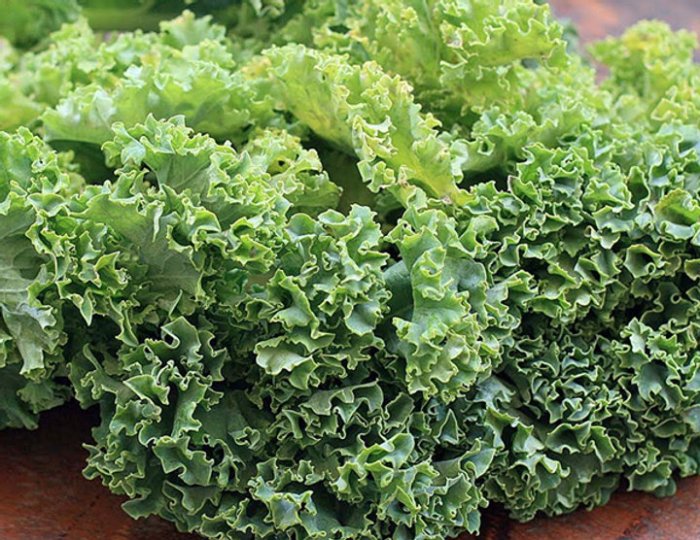
Ultimately, whether you choose raw or cooked kale, this versatile vegetable adds significant nutritional value and culinary flair to your meals. Its diverse applications and potential health benefits make it a worthwhile addition to any diet. The key is finding the preparation method that best suits your preferences and dietary needs.