Rapid and extreme mood swings can be incredibly disruptive, impacting daily life and relationships. This exploration delves into the complexities of these intense emotional shifts, examining their causes, triggers, and potential consequences. We’ll uncover the difference between normal mood fluctuations and clinically significant swings, providing valuable insights into understanding and managing these experiences.
The article will cover a range of topics, including identifying triggers and patterns, the impact on daily life, potential underlying conditions, and effective coping mechanisms. We’ll also discuss the critical importance of seeking professional help when necessary.
Defining Rapid and Extreme Mood Swings

Rapid and extreme mood swings are characterized by dramatic shifts in emotional states, ranging from intense happiness and euphoria to profound sadness, anger, or irritability. These shifts occur within a short period and can significantly disrupt daily life. Understanding the nuances of these swings, differentiating them from normal mood fluctuations, and recognizing the underlying causes are crucial for effective management and support.These fluctuations often involve a wide spectrum of emotions, including feelings of intense joy, overwhelming sadness, profound anger, irritability, anxiety, and even fear.
The intensity and rapidity of these emotional shifts distinguish them from the typical, day-to-day mood variations experienced by most people. Identifying the specific triggers and underlying causes of these swings is critical to addressing the issue effectively.
Understanding the Spectrum of Mood Swings
Normal mood fluctuations are a natural part of human experience. They are typically subtle and temporary, influenced by factors like sleep, stress, and social interactions. Clinically significant mood swings, however, are more intense, prolonged, and disruptive, often impacting daily functioning and relationships. The critical difference lies in the severity and frequency of the shifts, their impact on daily life, and potential underlying conditions.
Experiencing rapid and extreme mood swings can be really challenging, impacting everything from relationships to daily tasks. Sometimes, seemingly unrelated factors, like changes in hormone levels, can play a significant role. Interestingly, just like the long and short of aging nails can reveal insights into our health, exploring potential underlying medical conditions can also be beneficial. For example, learning more about the specifics of aging nails can be insightful, and perhaps finding ways to address them.
Ultimately, understanding these fluctuations in mood requires a multifaceted approach, encompassing both physical and mental well-being. the long and short of aging nails can offer a window into the broader context of health. This can be useful when considering a comprehensive approach to managing rapid and extreme mood swings.
Factors Contributing to Mood Swings
Numerous factors can contribute to rapid and extreme mood swings. Biological influences, such as hormonal imbalances, genetic predispositions, and neurological conditions, can play a significant role. Psychological factors, including stress, trauma, anxiety disorders, and personality traits, also contribute to the intensity and frequency of mood swings. Environmental factors, such as significant life changes, social pressures, and relationship difficulties, can trigger or exacerbate these fluctuations.
Comparing Different Types of Mood Swings
| Type of Mood Swing | Characteristics | Biological Influences | Psychological Influences | Environmental Influences |
|---|---|---|---|---|
| Bipolar Disorder | Characterized by extreme mood swings between manic episodes (euphoria, impulsivity) and depressive episodes (sadness, hopelessness). | Genetic predisposition, neurotransmitter imbalances (e.g., serotonin, dopamine). | Impulsivity, heightened risk-taking behavior, distorted thinking patterns. | Significant life stressors, substance use, sleep disruption. |
| Personality Disorders (e.g., Borderline Personality Disorder) | Involve enduring patterns of maladaptive thoughts, feelings, and behaviors that significantly impact interpersonal relationships and daily functioning. Mood swings can be intense and unpredictable. | Possible genetic or neurobiological factors, but less clearly defined. | Difficulties with emotional regulation, intense fear of abandonment, unstable self-image. | Trauma, adverse childhood experiences, significant relationship disruptions. |
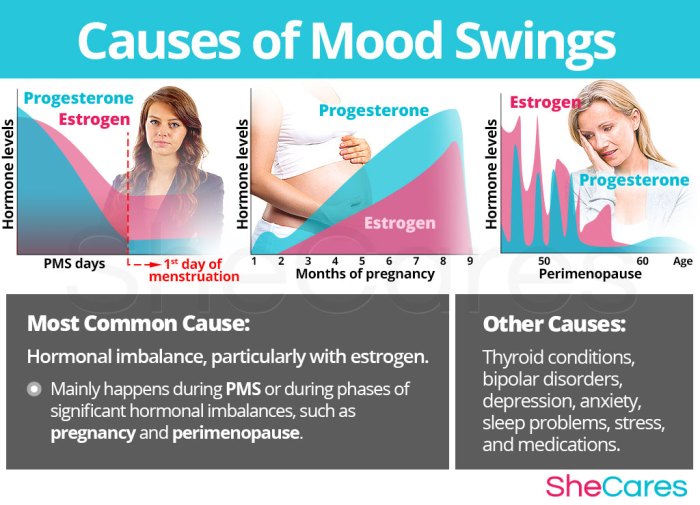
| Hormonal Fluctuations (e.g., Premenstrual Syndrome, Menopause) | Mood swings can be cyclical and linked to hormonal shifts, particularly in women. | Fluctuations in estrogen and progesterone levels. | Increased sensitivity to stress, irritability, anxiety. | Stressful life events, lack of sleep, poor diet. |
Identifying Triggers and Patterns: Rapid And Extreme Mood Swings
Understanding the triggers and patterns behind rapid and extreme mood swings is crucial for developing effective coping strategies. This involves recognizing the specific factors that contribute to these shifts and identifying consistent patterns in their frequency, intensity, and duration. By pinpointing these elements, individuals can better anticipate and manage their mood fluctuations.
Common Triggers for Mood Swings
Identifying the specific triggers that precede mood swings is a key step in managing these fluctuations. Different triggers affect individuals differently, and recognizing these factors allows for targeted interventions. Understanding the relationship between external events and internal responses is essential.
| Trigger Type | Description | Potential Coping Mechanisms |
|---|---|---|
| Environmental | Changes in weather, noise levels, or crowded spaces; disruptions in daily routines. | Developing routines, using noise-canceling headphones, practicing mindfulness exercises in stressful environments. |
| Social | Conflicts with others, social isolation, or feeling excluded. Experiences of rejection or perceived criticism. | Practicing assertive communication, seeking support from trusted individuals, engaging in activities that promote social connection. |
| Physical | Lack of sleep, poor diet, physical illness, or changes in medication. Changes in hormone levels. | Establishing a consistent sleep schedule, maintaining a balanced diet, scheduling regular check-ups with healthcare providers. |
| Emotional | Unresolved emotional issues, stress, anxiety, or trauma. Feelings of helplessness or hopelessness. | Practicing self-compassion, engaging in therapy, developing healthy coping mechanisms for stress. |
| Psychological | Changes in thought patterns, negative self-talk, or obsessive thoughts. Perfectionism, fear of failure, or low self-esteem. | Cognitive Behavioral Therapy (CBT) techniques, positive affirmations, journaling to identify negative thought patterns. |
Recognizing Patterns in Mood Swings
Recognizing patterns in mood swings is vital for effective management. Consistent observation and documentation are crucial. This involves not just the feeling, but also the duration and intensity of the shifts.
- Frequency: Tracking how often mood swings occur over a period of time, such as weekly or monthly. Regular monitoring allows for the identification of recurring cycles.
- Intensity: Assessing the severity of each mood swing on a scale, such as 1-10, to understand the range of emotional fluctuations. This helps gauge the potential impact of triggers.
- Duration: Noting how long each mood swing lasts, from onset to resolution. This information aids in predicting the duration of the shift and identifying potential contributing factors.
Connecting Events and Mood Shifts
Examining the relationship between specific events and mood shifts is crucial. This process often reveals patterns that might otherwise be missed.
- Correlation: Identifying events that frequently precede or coincide with mood swings. This can involve noting the context and specifics of each episode.
- Causation: Determining if there’s a direct causal link between a particular event and a specific mood shift. This process can involve careful consideration of the event’s potential impact on the individual.
Methods for Tracking Mood Swings
Consistent documentation of mood swings is critical for understanding and managing them. A structured approach to recording information facilitates the identification of patterns.
| Method | Description |
|---|---|
| Daily Mood Log | A simple daily log can track the date, time, specific events, and corresponding mood rating (e.g., 1-10). Detailed entries about external triggers and feelings can be helpful. |
| Mood Tracking Apps | Various apps can automatically record mood data and identify patterns, often including a wide array of customizable options. |
| Journaling | Writing down thoughts, feelings, and experiences related to mood swings can offer insights and improve self-awareness. |
Impact on Daily Life
Rapid and extreme mood swings significantly disrupt daily life, impacting relationships, work, school, and overall well-being. These unpredictable shifts can create a constant state of uncertainty and difficulty in navigating social situations. Understanding the multifaceted consequences of these swings is crucial for developing effective coping mechanisms and support systems.Uncontrolled mood swings can severely hamper daily functioning. Individuals may struggle to maintain consistent routines, meet deadlines, or engage in tasks requiring sustained focus.
The emotional volatility often makes it challenging to form and maintain healthy relationships, as partners, friends, and family members may feel overwhelmed or confused by the unpredictable shifts in behavior.
Effects on Daily Functioning
The erratic nature of mood swings can interfere with numerous aspects of daily life. Maintaining a stable routine becomes challenging as individuals experience unpredictable energy levels, motivation fluctuations, and difficulty concentrating. This can lead to missed appointments, work-related setbacks, and academic struggles. For instance, a student experiencing a rapid shift from intense motivation to profound apathy might miss important lectures or fail to complete assignments, hindering their academic progress.
Impact on Relationships
Mood swings can strain interpersonal relationships. Unpredictable emotional outbursts, irritability, or periods of withdrawal can alienate loved ones and create conflict. A person experiencing intense anger might lash out at a partner or friend, damaging the relationship. Conversely, periods of extreme sadness might lead to social isolation and withdrawal, further hindering relationship stability. These patterns can lead to feelings of frustration, fear, and even resentment in those around the affected individual.
Experiencing rapid and extreme mood swings can be really disruptive, impacting everything from your relationships to your daily tasks. It’s fascinating how physical health, like the connection between quadriceps and back health, can unexpectedly influence our emotional well-being. For example, exploring how quadriceps and back health how do they relate could shed light on the complex interplay between body and mind, potentially offering insights into managing those mood swings.
Ultimately, understanding these connections is key to finding strategies for improved emotional regulation.
Challenges in Work and School
Mood swings can present significant obstacles in professional and academic settings. Consistency in performance is often compromised. The emotional instability can make it difficult to maintain focus, complete tasks, and interact with colleagues or professors. This can manifest as missed deadlines, reduced productivity, or strained relationships with supervisors or classmates. An employee experiencing a depressive episode, for instance, might struggle to complete their work responsibilities or communicate effectively with their team.
Social Interactions
Social situations can become increasingly difficult to navigate with unpredictable mood swings. The constant uncertainty about emotional responses can lead to misunderstandings, conflicts, and feelings of isolation. A person might unintentionally offend others due to an unexpected outburst of anger, creating further strain in their social network. Maintaining healthy social connections becomes a constant challenge.
Potential Consequences of Unmanaged Mood Swings
| Life Domain | Potential Consequences |
|---|---|
| Personal | Increased feelings of isolation, strained relationships, difficulty managing daily tasks, reduced self-esteem. |
| Professional | Decreased productivity, missed deadlines, strained work relationships, potential job loss. |
| Social | Difficulty maintaining friendships, social isolation, misunderstandings, conflict with peers. |
Potential Underlying Conditions
Rapid and extreme mood swings can be a symptom of various underlying conditions, often requiring professional medical evaluation. Understanding these potential conditions is crucial for early diagnosis and appropriate treatment. The severity and frequency of these mood swings can significantly impact daily life, affecting relationships, work, and overall well-being. It’s important to remember that this information is for educational purposes only and should not be considered medical advice.
Bipolar Disorder
Bipolar disorder is a mental health condition characterized by significant shifts in mood, energy, and activity levels. These shifts typically manifest as episodes of mania or hypomania, followed by periods of depression. Mania is characterized by elevated mood, increased energy, impulsivity, and racing thoughts. Hypomania is a less severe form of mania. Depressive episodes involve feelings of sadness, hopelessness, loss of interest, and fatigue.
- Symptoms of bipolar disorder can include: Elevated or irritable mood, increased energy, racing thoughts, impulsivity, decreased need for sleep, inflated self-esteem, excessive involvement in pleasurable activities that have a high potential for painful consequences, distractibility, and pressured speech.
- Examples of how bipolar disorder can manifest as mood swings: A person experiencing a manic episode might engage in risky behaviors, such as excessive spending or impulsive decisions. During a depressive episode, they may experience profound sadness and loss of interest in activities they once enjoyed. The rapid cycling between these extremes can be very challenging.
Major Depressive Disorder (MDD)
Major depressive disorder (MDD) is a common mood disorder characterized by persistent sadness, loss of interest, and a range of other symptoms that significantly impair daily life. While not always associated with extreme mood swings, it’s crucial to note that depressive episodes can be accompanied by significant mood fluctuations.
- Symptoms of MDD can include: Persistent sadness, loss of interest or pleasure in activities, changes in appetite or sleep, fatigue, feelings of worthlessness or guilt, difficulty concentrating, and thoughts of death or suicide.
- Examples of how MDD can manifest as mood swings: While not always dramatic, someone with MDD may experience fluctuating moods throughout the day. For instance, they might feel more hopeful one moment, then overwhelmed and hopeless the next. These fluctuations can be subtle but still impactful.
Seasonal Affective Disorder (SAD)
Seasonal affective disorder (SAD) is a type of depression that’s linked to the changing seasons. It typically occurs during the fall and winter months when there is less sunlight. SAD can lead to mood swings, although these are often less dramatic compared to bipolar disorder.
- Symptoms of SAD can include: Persistent sadness, fatigue, changes in appetite or sleep, social withdrawal, and difficulty concentrating.
- Examples of how SAD can manifest as mood swings: Individuals with SAD might experience a shift in mood from feeling energized and motivated during the summer to feeling lethargic and depressed during the winter months. These shifts may not be as rapid as those associated with other conditions but can still be significantly disruptive.
Post-Traumatic Stress Disorder (PTSD)
PTSD is a mental health condition that can develop after a person experiences or witnesses a traumatic event. It can manifest in various ways, including mood swings, which may not always be immediately recognizable.
- Symptoms of PTSD can include: Flashbacks, nightmares, avoidance of reminders of the trauma, irritability, difficulty sleeping, and emotional numbness.
- Examples of how PTSD can manifest as mood swings: Someone with PTSD might experience sudden outbursts of anger or frustration in response to triggers related to the traumatic event. They might also experience periods of intense sadness or anxiety, leading to unpredictable mood swings.
Table of Potential Underlying Conditions
| Condition | Symptoms | Potential Treatments |
|---|---|---|
| Bipolar Disorder | Manic or hypomanic episodes, depressive episodes, rapid mood swings, impulsivity, racing thoughts | Medication (mood stabilizers, anti-depressants), therapy (psychotherapy, cognitive behavioral therapy) |
| Major Depressive Disorder (MDD) | Persistent sadness, loss of interest, changes in appetite or sleep, fatigue, feelings of worthlessness | Medication (antidepressants), therapy (psychotherapy, cognitive behavioral therapy) |
| Seasonal Affective Disorder (SAD) | Symptoms similar to depression, worsened during specific seasons (typically fall/winter) | Light therapy, medication (antidepressants), therapy |
| Post-Traumatic Stress Disorder (PTSD) | Flashbacks, nightmares, avoidance, irritability, emotional numbness, mood swings | Therapy (trauma-focused cognitive behavioral therapy, EMDR), medication (antidepressants, anti-anxiety medications) |
Coping Mechanisms and Strategies
Navigating rapid and extreme mood swings can be challenging, but effective coping mechanisms can significantly improve quality of life. These strategies equip individuals to manage their emotional fluctuations, reduce their impact, and foster emotional well-being. Learning and practicing these techniques can empower individuals to better understand and respond to their emotions, leading to more stability and resilience.Understanding that mood swings are a symptom, not a personality flaw, is crucial.
Adopting coping mechanisms provides tools to navigate these fluctuations constructively. By learning to recognize triggers, patterns, and associated feelings, individuals can actively participate in managing their emotional landscape.
Relaxation Exercises
Relaxation techniques are essential tools for managing the physiological and emotional responses associated with mood swings. Deep breathing exercises, progressive muscle relaxation, and guided imagery can effectively reduce stress and promote calmness. These techniques work by calming the nervous system, reducing physiological arousal, and fostering a sense of emotional regulation.
- Deep Breathing: Diaphragmatic breathing, focusing on slow, deep inhalations and exhalations, helps to regulate the nervous system and reduce feelings of anxiety and tension. This can be practiced anywhere, anytime. Incorporating this into daily routines can be a valuable strategy for mitigating the physiological components of mood swings.
- Progressive Muscle Relaxation: This technique involves systematically tensing and releasing different muscle groups in the body. This physical relaxation can extend to emotional relaxation, promoting a sense of calm and control.
- Guided Imagery: Using guided imagery, individuals can visualize calming and peaceful scenes. This technique can be highly effective in shifting focus away from stressful thoughts and feelings, offering a sense of detachment and emotional grounding.
Mindfulness Practices
Mindfulness practices cultivate present-moment awareness, reducing the tendency to dwell on past experiences or worry about future events. These practices help individuals to observe their thoughts and feelings without judgment, increasing their ability to manage emotional reactivity.
Rapid and extreme mood swings can be really challenging to navigate. Figuring out the best medication for anxiety is crucial when dealing with these fluctuations, and understanding the differences between Valium and Xanax can be a real game-changer. For example, if you’re trying to decide which might be better for your specific needs, checking out this comparison of Valium vs Xanax which is better for anxiety might be helpful valium vs xanax which is better for anxiety.
Ultimately, finding the right support and medication is key to managing these intense mood shifts effectively.
- Mindful Meditation: Focusing on the present moment, such as the sensation of breath, can help to anchor individuals in the present and reduce reactivity to emotional fluctuations. This practice can be learned and integrated into daily life through guided meditations or independent practice.
- Mindful Walking: Paying attention to the physical sensations of walking, the feeling of the ground beneath the feet, and the surroundings, can create a sense of grounding and presence, effectively reducing emotional reactivity.
Stress Management Strategies
Managing stress is vital in mitigating the intensity and frequency of mood swings. Implementing healthy coping mechanisms for stress can lead to significant improvements in emotional well-being.
- Time Management Techniques: Prioritizing tasks, setting realistic goals, and breaking down large projects into smaller, more manageable steps can reduce feelings of overwhelm and promote a sense of control. This is crucial in maintaining a stable emotional state.
- Healthy Lifestyle Choices: Adequate sleep, a balanced diet, and regular exercise are essential for overall well-being and emotional regulation. These factors are critical in managing mood swings, as they influence the body’s physiological and emotional responses.
Seeking Professional Support
Seeking professional support is crucial in effectively managing rapid and extreme mood swings. Mental health professionals, such as therapists and psychiatrists, can provide personalized guidance, support, and strategies tailored to individual needs. Professional intervention can provide a structured approach, offering insights into underlying conditions and developing personalized coping mechanisms.
Comparing Coping Strategies, Rapid and extreme mood swings
| Coping Strategy | Strengths | Weaknesses |
|---|---|---|
| Relaxation Exercises | Physiological relaxation, accessible, adaptable | May not address underlying emotional issues, short-term effects |
| Mindfulness Practices | Improved emotional regulation, long-term benefits, increased self-awareness | Requires practice and discipline, may not be immediately effective |
| Stress Management Strategies | Reduces overwhelm, fosters control, enhances overall well-being | Requires lifestyle changes, may not address triggers immediately |
| Professional Support | Personalized strategies, addressing underlying issues, comprehensive support | Requires commitment, can be time-consuming, may involve cost |
Seeking Professional Help
Navigating rapid and extreme mood swings can be incredibly challenging, impacting every facet of your life. It’s crucial to recognize that you’re not alone and that seeking professional help is a sign of strength, not weakness. Taking proactive steps towards managing these fluctuations is essential for reclaiming control and improving your overall well-being.Understanding that these intense emotional shifts are often indicative of an underlying condition, and require specialized care, is vital.
Seeking professional guidance allows you to gain a deeper understanding of your unique situation, develop effective coping mechanisms, and embark on a path toward stability and improved mental health.
Types of Mental Health Professionals
Various mental health professionals can provide support and treatment for mood swings. Choosing the right professional depends on individual needs and preferences. Psychologists, psychiatrists, and therapists are key figures in this process. Psychologists specialize in the assessment and treatment of psychological conditions, using therapy and counseling. Psychiatrists are medical doctors with specialized training in mental health, often able to prescribe medication to manage underlying conditions.
Therapists, which can include licensed clinical social workers, marriage and family therapists, and others, provide a supportive environment for emotional processing and behavioral change.
Steps in Finding a Mental Health Professional
Finding the right mental health professional is a crucial step in managing mood swings. It’s essential to approach this process systematically. A structured approach can ensure that you connect with a provider who aligns with your needs and values.
| Step | Description |
|---|---|
| 1. Research and Gather Information | Thoroughly research different mental health professionals in your area. Look for credentials, specializations, and client testimonials. Consider online directories, referrals from trusted sources, and personal recommendations. |
| 2. Schedule Consultations | Schedule consultations with a few potential providers to assess their approach and personality. Ask questions about their experience with similar conditions and their treatment methods. |
| 3. Evaluate Compatibility | Pay close attention to your comfort level during the consultation. Does the professional actively listen to your concerns? Do you feel understood and respected? Assess whether their approach resonates with your personal values and beliefs. |
| 4. Choose a Provider | Select the professional who best suits your needs and preferences. Consider factors such as their communication style, fees, and location. |
| 5. Establish a Treatment Plan | Collaborate with your chosen professional to develop a personalized treatment plan. Discuss goals, expectations, and potential challenges. |
Open Communication and Collaboration
Open communication and collaboration with healthcare providers are essential for successful treatment. This collaborative approach is crucial for effective management. Honest and transparent communication is key to tailoring the treatment plan to individual needs. Regularly sharing experiences, feedback, and progress updates with your provider allows for adjustments to the treatment plan as needed. This active participation in the process can significantly impact outcomes and promote a positive therapeutic relationship.
Furthermore, active participation in therapy sessions, including actively expressing concerns and feedback, will significantly enhance the treatment process.
Illustrative Case Studies (Hypothetical)
Understanding the impact of rapid and extreme mood swings requires exploring real-life scenarios. These hypothetical case studies, while not based on specific individuals, highlight the range of experiences and potential consequences. They aim to illustrate the challenges and offer insights into possible interventions.These examples demonstrate the variety of ways mood swings can affect daily life. They also show how identifying triggers and patterns can be crucial in developing effective coping strategies.
By understanding the emotional landscape of those experiencing these swings, we can better support them.
Case Study 1: The “Unpredictable Rollercoaster”
This individual experiences dramatic shifts between euphoria and despair, often within hours. Triggers are seemingly insignificant, such as a minor disagreement or a change in weather. The consequences include strained relationships, missed work or school, and a sense of isolation. This person struggles to maintain a stable routine and often feels overwhelmed by their emotions.Potential interventions might include therapy to identify and challenge negative thought patterns, mindfulness techniques to regulate emotional responses, and support groups to connect with others experiencing similar challenges.
Outcomes could include improved emotional regulation, a reduction in extreme mood swings, and a strengthened sense of self.
Case Study 2: The “Hidden Storm”
This individual experiences more subtle but equally significant mood swings. They might feel increasingly irritable and withdrawn before experiencing a period of intense sadness or hopelessness. Triggers are often internal, stemming from unresolved anxieties and past trauma. Consequences include difficulty maintaining personal relationships and a decline in overall well-being. The person often feels a deep sense of shame and inadequacy.Potential interventions might include trauma-informed therapy, cognitive behavioral therapy (CBT) to address underlying anxieties, and developing healthy coping mechanisms.
Outcomes could include a greater understanding of personal triggers, improved emotional regulation, and a reduction in the intensity and frequency of mood swings. It is important to note that healing from past trauma can take time and consistent effort.
Case Study 3: The “Seasonal Shift”
This individual’s mood swings are closely linked to seasonal changes. During certain times of the year, they experience periods of intense energy and creativity, followed by significant fatigue and feelings of hopelessness. Triggers are linked to light exposure and changes in temperature. Consequences can range from career disruptions to social isolation. The individual might struggle to maintain productivity and personal connections.Potential interventions might include light therapy to regulate circadian rhythms, lifestyle adjustments to support well-being during challenging seasons, and support groups to connect with others experiencing similar seasonal mood shifts.
Outcomes could include improved mood regulation throughout the year, a more stable lifestyle, and a stronger sense of self-awareness.
Summary Table of Case Studies
| Case Study | Triggers | Patterns | Consequences | Potential Interventions |
|---|---|---|---|---|
| Unpredictable Rollercoaster | Minor disagreements, weather changes | Rapid shifts between euphoria and despair | Strained relationships, missed work/school, isolation | Therapy, mindfulness, support groups |
| Hidden Storm | Internal anxieties, past trauma | Subtle irritability leading to sadness/hopelessness | Relationship difficulties, decline in well-being, shame | Trauma-informed therapy, CBT, healthy coping mechanisms |
| Seasonal Shift | Light exposure, temperature changes | Intense energy/creativity followed by fatigue/hopelessness | Career disruptions, social isolation | Light therapy, lifestyle adjustments, support groups |
Ending Remarks
In conclusion, understanding rapid and extreme mood swings requires a multifaceted approach. By recognizing triggers, patterns, and potential underlying conditions, individuals can better navigate these challenging emotional experiences. Crucially, seeking professional help is often essential for effective management and long-term well-being. This comprehensive guide aims to empower readers with the knowledge and tools to navigate these emotional shifts with greater resilience and support.