Peripheral neuropathy and MS: Unraveling the complexities of these neurological conditions. This exploration delves into the definitions, symptoms, causes, and treatments, highlighting the similarities and differences between the two. Understanding the overlapping symptoms and diagnostic challenges is crucial for effective patient care.
This comprehensive overview aims to provide a clear and accessible understanding of peripheral neuropathy and MS, equipping readers with the knowledge to better comprehend these often-misunderstood conditions. We will examine the various factors contributing to their development and discuss potential strategies for management.
Defining Peripheral Neuropathy and MS
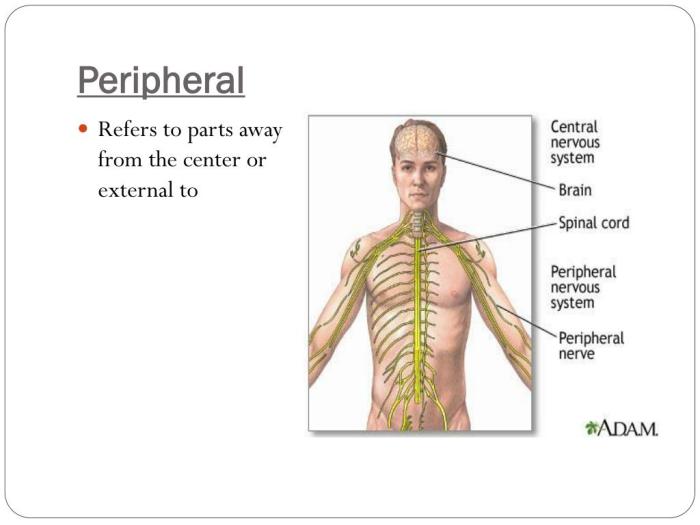
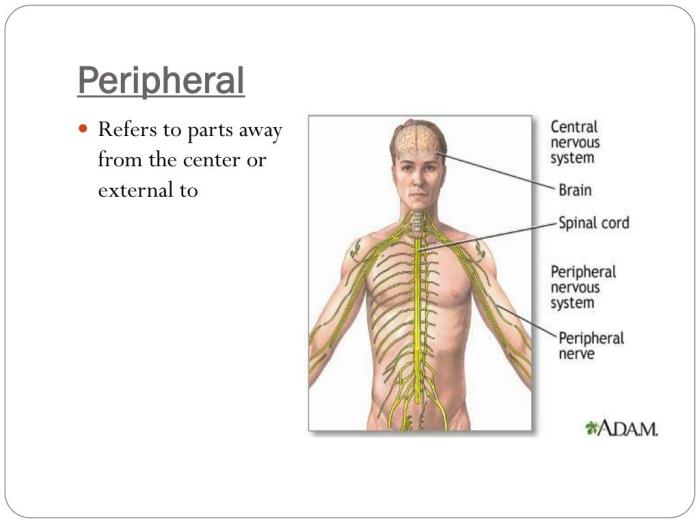
Understanding peripheral neuropathy and multiple sclerosis (MS) is crucial for accurate diagnosis and effective management. Both conditions affect the nervous system, but in distinct ways. This section provides clear definitions, highlights key differences, and explores potential overlaps in symptoms.Peripheral neuropathy is a disorder affecting the peripheral nerves, those outside the brain and spinal cord. Multiple sclerosis, on the other hand, is a chronic autoimmune disease that primarily targets the central nervous system, encompassing the brain and spinal cord.
While both can cause debilitating symptoms, their underlying mechanisms and treatment approaches differ significantly.
Peripheral Neuropathy Definition
Peripheral neuropathy encompasses a broad spectrum of disorders affecting the peripheral nerves. These nerves transmit signals between the brain and spinal cord and the rest of the body. Damage to these nerves can lead to a wide array of symptoms, including numbness, tingling, pain, and weakness. The specific symptoms and their severity depend on the affected nerves and the cause of the neuropathy.
Peripheral neuropathy and MS can make everyday tasks tough, but staying active is key. Finding simple ways to boost your cardiovascular health is crucial, and climbing stairs regularly, as recommended by daily stairs for a healthy heart , can be a great option. Even a few flights a day can make a difference in managing symptoms and overall well-being, which is important for anyone dealing with these conditions.
Multiple Sclerosis Definition
Multiple sclerosis (MS) is a chronic autoimmune disease that progressively damages the myelin sheath, the protective covering of nerve fibers in the brain and spinal cord. This damage disrupts the transmission of nerve impulses, leading to a diverse range of symptoms that can vary significantly in presentation and severity. The disease is characterized by periods of relapse and remission, with periods of heightened activity followed by periods of relative stability.
Key Differences Between Peripheral Neuropathy and MS
Peripheral neuropathy primarily affects the peripheral nerves outside the central nervous system. Multiple sclerosis, conversely, primarily attacks the myelin sheath, the insulating layer surrounding nerve fibers within the central nervous system. The causes and treatments for each condition are also distinct.
Overlapping Symptoms
While the underlying mechanisms differ, some symptoms can overlap between peripheral neuropathy and MS. Both conditions can present with numbness, tingling, pain, and weakness. However, the pattern and distribution of these symptoms often provide clues to the underlying cause.
Comparison Table
| Condition | Symptoms | Causes | Treatment |
|---|---|---|---|
| Peripheral Neuropathy | Numbness, tingling, pain, weakness, muscle cramps, loss of balance, impaired reflexes. Symptoms often start in the extremities and can spread. | Diabetes, vitamin deficiencies (B12, thiamine), infections, toxins, injuries, autoimmune disorders, certain medications. | Addressing the underlying cause is crucial. Treatment may include medications to manage pain, physical therapy, and lifestyle modifications (e.g., managing blood sugar levels in diabetic neuropathy). |
| Multiple Sclerosis | Numbness, tingling, vision problems, fatigue, muscle weakness, balance problems, speech difficulties, cognitive changes. Symptoms can vary widely and can fluctuate over time. | Genetic predisposition, environmental factors, and an autoimmune response. The exact cause remains unknown. | Treatment focuses on managing symptoms, slowing disease progression, and improving quality of life. Medications, physical therapy, and lifestyle adjustments are common strategies. |
Symptoms and Diagnosis
Navigating the complexities of peripheral neuropathy and multiple sclerosis (MS) often hinges on recognizing the subtle yet significant differences in their presentations. While both conditions can lead to debilitating symptoms, understanding the unique patterns and diagnostic approaches is crucial for effective management. This section delves into the common symptoms, overlapping presentations, and diagnostic methods for both conditions.Peripheral neuropathy and MS often present with a range of symptoms that can mimic each other.
Peripheral neuropathy and MS can really take a toll, impacting everything from daily tasks to overall well-being. Finding ways to manage symptoms is key, and exploring natural remedies like herbal teas can be beneficial. For instance, exploring options like tea for fibromyalgia chronic fatigue syndrome might offer some relief from related conditions, although more research is needed.
Ultimately, it’s crucial to discuss any potential remedies with a healthcare professional before making significant changes to your treatment plan for peripheral neuropathy and MS.
This can make early diagnosis challenging, requiring a comprehensive approach that considers medical history, physical examination findings, and diagnostic testing.
Common Symptoms of Peripheral Neuropathy
Peripheral neuropathy encompasses a spectrum of conditions affecting the peripheral nerves, leading to various sensory, motor, and autonomic dysfunction. Common symptoms include numbness, tingling, and pain in the extremities, often described as a “pins and needles” sensation. Weakness and muscle cramps may also occur. Changes in reflexes, including diminished or absent reflexes, can also be present. Additionally, some individuals experience autonomic symptoms such as digestive issues, bladder problems, or changes in sweating.
Common Symptoms of Multiple Sclerosis
Multiple sclerosis (MS) is an autoimmune disease that attacks the myelin sheath surrounding nerve fibers in the central nervous system. Symptoms of MS are highly variable and can fluctuate over time. Common symptoms include fatigue, numbness, tingling, and pain, often affecting one or more limbs. Vision problems, such as double vision or blurred vision, are also frequently reported.
Balance issues, muscle weakness, and coordination problems are other common manifestations. Cognitive difficulties, including memory problems and concentration difficulties, can also be present in some individuals.
Overlapping Symptoms Between Peripheral Neuropathy and MS
Some symptoms, like numbness, tingling, and pain, can be present in both peripheral neuropathy and MS. This overlap can complicate diagnosis, as these symptoms alone are insufficient to distinguish between the two conditions. A thorough medical history, neurological examination, and appropriate diagnostic testing are essential to differentiate between the conditions.
Diagnostic Methods for Peripheral Neuropathy, Peripheral neuropathy and ms
Diagnosing peripheral neuropathy involves a multi-faceted approach. A comprehensive neurological examination is crucial to assess reflexes, muscle strength, and sensory function. Electrodiagnostic studies, such as nerve conduction studies and electromyography (EMG), can help pinpoint the location and severity of nerve damage. Blood tests may be performed to rule out underlying medical conditions that could contribute to the symptoms.
Genetic testing might also be considered, depending on the suspected cause.
Diagnostic Methods for Multiple Sclerosis
Diagnosing MS is a complex process. There is no single definitive test for MS. Instead, diagnosis relies on a combination of factors. A neurological examination assesses for symptoms like muscle weakness, sensory deficits, and problems with coordination and balance. Magnetic resonance imaging (MRI) scans of the brain and spinal cord are crucial in identifying characteristic lesions that are often indicative of MS.
Lumbar puncture (spinal tap) may be performed to analyze cerebrospinal fluid (CSF) for specific markers that could support a diagnosis of MS. A combination of clinical findings, MRI findings, and CSF analysis, along with the exclusion of other potential causes, helps in reaching a diagnosis.
Challenges in Differentiating Between Peripheral Neuropathy and MS Based on Symptoms Alone
The overlap in symptoms between peripheral neuropathy and MS makes differentiation challenging based on symptoms alone. For example, numbness and tingling in the hands and feet could be indicative of either condition. Therefore, a thorough evaluation of the individual’s medical history, neurological examination, and diagnostic testing are necessary to reach an accurate diagnosis. Consider a case where a patient presents with numbness and tingling, but also has a history of autoimmune disorders, suggesting MS as a possibility.
Symptom Comparison Table
| Symptom | Peripheral Neuropathy | Multiple Sclerosis | Overlap |
|---|---|---|---|
| Numbness/Tingling | Common, often in extremities | Common, often in extremities | Yes |
| Pain | Common, varying intensities | Common, varying intensities | Yes |
| Muscle Weakness | Possible, especially with motor neuropathy | Possible, varying degrees | Yes |
| Vision Problems | Rare | Common (e.g., double vision) | No |
| Balance Issues | Possible, especially with vestibular involvement | Common | Yes |
| Fatigue | Possible | Very common | Yes |
| Cognitive Impairment | Rare | Possible, varying degrees | No |
Underlying Causes and Mechanisms
Unraveling the complexities of peripheral neuropathy and multiple sclerosis (MS) requires understanding their underlying causes and the intricate mechanisms driving their development. Both conditions manifest as neurological disorders affecting the nervous system, but their specific etiologies and pathophysiological pathways differ significantly. This section delves into the potential causes and the mechanisms involved in the development of each condition, offering a comparative analysis to highlight their unique characteristics.Peripheral neuropathy, a broad term encompassing various disorders affecting the peripheral nerves, arises from a wide spectrum of factors.
Multiple sclerosis, on the other hand, is an autoimmune disease characterized by the progressive destruction of the myelin sheath surrounding nerve fibers in the central nervous system.
Potential Causes of Peripheral Neuropathy
A multitude of factors can contribute to the development of peripheral neuropathy. These range from genetic predispositions to environmental toxins, and often include deficiencies in essential nutrients. Diabetes mellitus, a chronic metabolic disorder, is a significant risk factor, often leading to diabetic neuropathy. Certain medications, infections, and even exposure to toxins can also play a role. Understanding the specific cause is crucial for effective management and treatment.
Potential Causes of Multiple Sclerosis
The exact cause of MS remains elusive, but current research suggests a complex interplay of genetic predisposition and environmental factors. Evidence points to a combination of genetic susceptibility and environmental triggers such as viral infections, geographical location, and lifestyle factors, although a definitive cause is yet to be identified. Genetic predisposition plays a critical role, and specific genes are linked to an increased likelihood of developing MS.
Mechanisms of Peripheral Neuropathy Development
The underlying mechanisms driving peripheral neuropathy vary significantly depending on the specific cause. For instance, in diabetic neuropathy, the high blood sugar levels damage the blood vessels supplying the peripheral nerves, leading to reduced blood flow and nerve dysfunction. Inherited genetic mutations can directly affect nerve function or structural integrity. Infections or toxins can directly damage the nerves themselves, causing inflammation and dysfunction.
Environmental factors, such as exposure to heavy metals, can induce oxidative stress and damage nerve cells.
Mechanisms of Multiple Sclerosis Development
Multiple sclerosis is an autoimmune disorder, where the body’s immune system mistakenly attacks the myelin sheath surrounding nerve fibers in the central nervous system. This attack leads to inflammation, demyelination, and nerve damage, ultimately impairing nerve function. The exact trigger for the immune system’s attack is unknown, but a combination of genetic susceptibility and environmental factors likely plays a role.
Current research focuses on understanding the complex interactions between genetic predisposition, immune responses, and environmental factors.
Comparison of Pathophysiological Mechanisms
While both conditions affect the nervous system, their underlying mechanisms differ drastically. Peripheral neuropathy is primarily characterized by damage to the peripheral nerves, arising from various factors, including metabolic disorders, infections, or toxins. In contrast, MS is an autoimmune disorder targeting the myelin sheath in the central nervous system, leading to inflammation and demyelination. The impact on nerve function differs significantly, with peripheral neuropathy often affecting sensory, motor, or autonomic nerves, while MS typically involves the brain and spinal cord, affecting a wide range of neurological functions.
Causes and Risk Factors of Peripheral Neuropathy and Multiple Sclerosis
| Condition | Cause | Mechanism | Risk Factors |
|---|---|---|---|
| Peripheral Neuropathy | Diabetes Mellitus, Genetic Factors, Infections, Medications, Toxins | Vascular damage, Genetic mutations, Direct nerve damage, Oxidative stress | High blood sugar levels, Family history, Exposure to toxins, Certain medications, Infections |
| Multiple Sclerosis | Genetic Predisposition, Environmental Factors, Viral Infections | Autoimmune attack on myelin sheath, Inflammation, Demyelination | Family history, Geographic location, Certain viral infections, Smoking, Diet |
Treatment and Management Strategies
Navigating the complexities of peripheral neuropathy and multiple sclerosis (MS) often involves a multifaceted approach to treatment and symptom management. While a cure for either condition remains elusive, numerous strategies exist to alleviate symptoms, slow disease progression, and enhance quality of life. This exploration delves into the diverse treatment options available, emphasizing both pharmacological and non-pharmacological interventions.Effective treatment for both peripheral neuropathy and MS requires a personalized approach, tailored to the individual’s specific needs and condition.
This includes careful consideration of the underlying causes, the severity of symptoms, and potential side effects of any prescribed medications. The focus should be on optimizing symptom control and promoting overall well-being.
Common Treatment Approaches for Peripheral Neuropathy
Peripheral neuropathy often manifests with a range of symptoms, from mild tingling to debilitating pain. Treatment strategies frequently involve addressing the underlying cause, if known, and managing the symptoms. Pharmacological interventions may include pain medications, such as nonsteroidal anti-inflammatory drugs (NSAIDs), antidepressants, or anticonvulsants. These medications aim to reduce pain and discomfort, improve nerve function, and potentially slow disease progression.
Common Treatment Approaches for MS
Multiple sclerosis (MS) is a chronic, autoimmune disease affecting the central nervous system. Treatment approaches for MS focus on slowing disease progression, reducing the frequency and severity of relapses, and managing symptoms. Disease-modifying therapies (DMTs) are a cornerstone of MS treatment. These medications aim to modify the course of the disease and potentially reduce the damage to the myelin sheath.
Symptomatic treatments address specific symptoms like fatigue, spasticity, and pain.
Strategies for Managing Symptoms of Peripheral Neuropathy
Managing symptoms of peripheral neuropathy involves a comprehensive approach. Non-pharmacological strategies are often equally crucial. These include:
- Regular exercise: Engaging in regular physical activity can improve blood flow, reduce pain, and enhance overall well-being. Consider activities like walking, swimming, or cycling.
- Maintaining a healthy diet: A balanced diet rich in vitamins and minerals, such as B vitamins, can potentially support nerve health. Foods rich in antioxidants can also be beneficial.
- Stress management techniques: Chronic stress can exacerbate neuropathy symptoms. Implementing relaxation techniques like yoga, meditation, or deep breathing exercises can be beneficial.
- Proper footwear and support: Wearing supportive footwear and avoiding tight-fitting shoes can help protect the feet and reduce the risk of further nerve damage. Regular foot care is essential.
Strategies for Managing Symptoms of MS
Managing symptoms of MS involves a comprehensive approach tailored to individual needs. These strategies include:
- Physical therapy: Physical therapy can help improve strength, balance, and coordination, crucial for maintaining mobility and independence.
- Occupational therapy: Occupational therapy can help adapt daily tasks and environments to accommodate the challenges of MS.
- Speech therapy: Speech therapy can address communication and swallowing difficulties often associated with MS.
- Emotional support: The emotional toll of MS can be significant. Support groups and counseling can provide valuable resources and coping mechanisms.
Potential Drug Therapies and Non-Pharmacological Interventions
A variety of drug therapies and non-pharmacological interventions can be employed to manage peripheral neuropathy and MS. For peripheral neuropathy, this may include topical analgesics, nerve growth factors, or vitamin supplements. Non-pharmacological approaches include lifestyle modifications, such as regular exercise, and stress management techniques. For MS, drug therapies range from disease-modifying therapies (DMTs) to symptomatic treatments addressing specific symptoms.
Non-pharmacological interventions are often equally crucial and may include physical and occupational therapy.
Peripheral neuropathy and MS can have a lot of overlapping symptoms, making diagnosis tricky. One fascinating area of research looks at the connection between diabetes and gum disease, as poor oral health can impact overall systemic health, potentially influencing the development of conditions like peripheral neuropathy. For example, understanding the diabetes and gum disease connection might offer clues into the complex relationship between inflammation, blood sugar control, and the potential for nerve damage.
Ultimately, more research is needed to fully understand these interconnected health issues.
Treatment Approaches Helpful for Both Conditions
Some treatment approaches may be beneficial for both peripheral neuropathy and MS, particularly those related to symptom management. For example, pain management strategies, stress reduction techniques, and physical therapy interventions can be beneficial in both situations.
Common Medications for Each Condition
| Condition | Medication | Mechanism of Action | Side Effects |
|---|---|---|---|
| Peripheral Neuropathy | Gabapentin | Inhibits nerve impulses | Drowsiness, dizziness, swelling, tremor |
| Peripheral Neuropathy | Pregabalin | Reduces nerve activity | Drowsiness, dizziness, swelling, headache |
| MS | Dimethyl fumarate | Reduces inflammation | Flushing, nausea, diarrhea |
| MS | Teriflunomide | Reduces immune system activity | Liver problems, nausea, hair loss |
Impact on Daily Life

Living with peripheral neuropathy and/or multiple sclerosis (MS) significantly impacts daily life, often making even simple tasks challenging. The impact varies greatly depending on the severity and specific symptoms of each condition, as well as individual coping mechanisms and support systems. These chronic conditions can disrupt routines, relationships, and overall well-being.Understanding the daily struggles faced by those with these conditions is crucial for developing empathy and effective support strategies.
This section explores the profound impact on mobility, sensory perception, and cognitive function, providing concrete examples and highlighting the challenges of managing both conditions simultaneously.
Impact on Daily Activities
Peripheral neuropathy and MS frequently disrupt daily activities, often in subtle yet significant ways. Simple tasks like walking, dressing, and eating can become considerably more difficult, demanding more time and assistance. The unpredictable nature of symptoms makes planning and scheduling challenging.
Impact on Mobility
Mobility is often severely affected by both conditions. Peripheral neuropathy can cause pain, numbness, and weakness in the extremities, making walking, standing, and even simple movements difficult. MS can cause muscle weakness, spasms, and balance problems, further hindering mobility. Individuals with both conditions may experience a compounding effect, leading to greater challenges in navigating everyday environments. For example, someone with both conditions might find it difficult to walk up stairs, cross a busy street, or even get out of bed without significant assistance.
Impact on Sensory Perception
Sensory perception is another area significantly affected. Peripheral neuropathy can lead to a loss of sensation, causing burns, cuts, or other injuries to go unnoticed. MS can impair sensory processing, leading to altered sensations like numbness, tingling, or pain. Combining both conditions can lead to a heightened risk of injury due to a lack of awareness and reduced sensitivity.
For instance, a person with both conditions might not feel a hot stove or a sharp object, leading to potentially serious burns or cuts.
Impact on Cognitive Function
Cognitive function can also be impacted by these conditions. Peripheral neuropathy, while primarily affecting the peripheral nervous system, can sometimes have secondary effects on cognitive function, especially in cases of severe or chronic pain. MS, by directly affecting the central nervous system, can cause cognitive impairments such as memory problems, difficulty concentrating, and processing information. These combined cognitive challenges can make daily tasks, like managing finances or remembering appointments, more difficult.
For instance, someone with both conditions might find it hard to remember appointments, follow instructions, or make decisions.
Challenges Faced by Individuals with Both Conditions
The combined impact of peripheral neuropathy and MS presents unique challenges. Individuals face difficulties in managing multiple symptoms, navigating complex treatment plans, and coping with the emotional toll of chronic illness. The unpredictability of symptoms and the need for frequent medical appointments can create significant stress and strain on daily life. Finding a balance between managing symptoms and maintaining a sense of normalcy can be extremely difficult.
Table: Potential Impact on Daily Activities
| Activity | Peripheral Neuropathy | MS | Combined Impact |
|---|---|---|---|
| Walking | Pain, numbness, weakness in feet and legs, difficulty with balance | Muscle weakness, fatigue, gait disturbances, balance problems | Increased pain, difficulty maintaining balance, greater fatigue, potential for falls |
| Dressing | Numbness, pain, difficulty with fine motor skills | Muscle weakness, tremor, coordination problems | Difficulty with buttoning, zipping, and other fine motor tasks; increased risk of falls |
| Eating | Numbness, pain in hands and mouth, difficulty with chewing and swallowing | Tremor, muscle weakness, difficulty with hand-eye coordination | Increased risk of dropping food, choking, and difficulty with self-feeding |
| Using a computer | Pain in hands, numbness, difficulty with fine motor skills | Tremor, muscle weakness, hand-eye coordination issues | Significant difficulty with typing, clicking, and using a mouse; potential for repetitive strain injuries |
Research and Future Directions
Unraveling the mysteries of peripheral neuropathy and multiple sclerosis (MS) hinges on ongoing research. Scientists are actively exploring the underlying mechanisms, aiming to improve diagnostic tools, and develop more effective treatments. This exploration not only benefits individuals affected by these conditions but also potentially sheds light on the broader neurological landscape.Current research efforts are multifaceted, encompassing a wide spectrum of approaches, from basic science investigations to clinical trials.
These endeavors promise to enhance our understanding of these conditions and pave the way for innovative therapeutic strategies.
Current Research Efforts in Understanding Peripheral Neuropathy
Research into peripheral neuropathy focuses on identifying the specific molecular pathways that lead to nerve damage. Scientists are exploring genetic predispositions, environmental triggers, and the role of inflammation in the development of various types of neuropathy. This research is crucial for early detection and personalized treatment strategies. Studies are examining the interplay of different factors to better understand why some individuals develop more severe forms of neuropathy than others.
This includes investigating the influence of age, lifestyle factors, and underlying medical conditions.
Current Research Efforts in Understanding Multiple Sclerosis
Multiple sclerosis (MS) research is tackling the complex interplay of immune system dysfunction and the damage to the central nervous system. Researchers are investigating the role of specific immune cells and their interactions with the myelin sheath, the protective covering around nerve fibers. This work is crucial to developing therapies that target the underlying immune processes driving the disease.
Studies are also exploring genetic and environmental factors that might contribute to the development of MS, as well as identifying biomarkers that could lead to earlier and more accurate diagnoses.
How Research on One Condition May Inform the Other
Interestingly, research on peripheral neuropathy can offer valuable insights into MS, and vice versa. Both conditions involve damage to the nervous system, albeit in different locations. Studies investigating the mechanisms of demyelination in MS may provide clues about nerve damage in peripheral neuropathy. Conversely, insights gained from understanding the genetic and environmental factors in peripheral neuropathy may offer potential leads for understanding MS risk factors.
This cross-pollination of knowledge could lead to breakthroughs in treating both conditions.
Future Directions for Research in Managing Peripheral Neuropathy and MS
Future research in managing peripheral neuropathy and MS should prioritize developing personalized treatment plans. These plans will take into account the specific factors influencing each patient’s condition. Emphasis should be placed on preventative measures and strategies for managing symptoms. Early diagnosis and intervention are crucial to slowing disease progression and improving quality of life. Developing innovative diagnostic tools, such as non-invasive imaging techniques, will enhance early detection and facilitate personalized treatment strategies.
The development of novel therapies targeting the underlying causes of these conditions is another significant future direction.
Importance of Early Diagnosis and Treatment
Early diagnosis and treatment are paramount for both peripheral neuropathy and MS. Early intervention can significantly impact disease progression and prevent long-term complications. By promptly addressing these conditions, patients can experience improved outcomes and maintain a higher quality of life. Timely intervention may also reduce the risk of developing severe disabilities associated with advanced stages of both conditions.
Ongoing Research Studies
| Study Area | Focus | Goal | Expected Outcomes |
|---|---|---|---|
| Peripheral Neuropathy | Genetic predisposition to diabetic neuropathy | Identify specific genes associated with increased risk of diabetic neuropathy. | Development of genetic screening tools for early risk assessment and personalized prevention strategies. |
| Peripheral Neuropathy | Impact of lifestyle interventions on nerve regeneration | Evaluate the effectiveness of exercise, diet, and stress management techniques in promoting nerve regeneration. | Identification of effective lifestyle interventions to mitigate neuropathy progression and improve nerve function. |
| Multiple Sclerosis | Novel immune-modulatory therapies | Develop therapies targeting specific immune cells involved in MS pathogenesis. | Improved treatment options with reduced side effects and improved disease outcomes. |
| Multiple Sclerosis | Early diagnostic biomarkers | Identify blood markers or imaging techniques to detect MS earlier. | Earlier diagnosis and more accurate stratification of disease severity for personalized treatment approaches. |
Closing Notes
In conclusion, peripheral neuropathy and MS, while distinct conditions, often present with overlapping symptoms, creating diagnostic challenges. Understanding their underlying causes, mechanisms, and impacts on daily life is crucial for developing effective treatment and management strategies. Continued research is essential to improve diagnostic accuracy, develop targeted therapies, and enhance the quality of life for those affected by these conditions.