
Paxlovid commercial market transition is undergoing a significant transformation, driven by evolving regulatory landscapes, shifting patient needs, and fierce competition. This detailed analysis delves into the current market overview, exploring key market segments, major players, and historical trends. We’ll also examine the factors influencing this transition, including pricing strategies, competitor activity, and public health initiatives.
The report further investigates sales and distribution channels, pricing and reimbursement policies, and the regulatory environment. A comprehensive competitive analysis will also be presented, comparing Paxlovid to other antiviral treatments in the market. Finally, the report concludes with a forward-looking perspective on future market trends and potential challenges.
Market Overview
Paxlovid, the antiviral medication for COVID-19, has experienced a dynamic commercial market trajectory since its emergence. Its rapid adoption and subsequent regulatory approvals have positioned it as a significant player in the global fight against the pandemic. Understanding the market landscape, key players, and future prospects is crucial for investors and healthcare professionals alike.The market’s growth has been driven by the increasing prevalence of COVID-19 and the perceived efficacy of Paxlovid in mitigating severe illness and hospitalizations.
This has translated into substantial sales figures, though the long-term implications and the ongoing evolution of the virus continue to shape the market’s future.
Current Market Size and Segments
The global Paxlovid market has shown substantial growth, fueled by its role in managing COVID-19 cases. The market is segmented primarily by geographical region and patient demographics. North America, with its robust healthcare infrastructure and high prevalence of COVID-19 cases, currently represents the largest segment. However, other regions, including Europe and Asia-Pacific, are also experiencing significant growth.
Further segmentation exists based on patient populations at high risk, such as the elderly and those with underlying health conditions. This has led to specific marketing strategies targeted at these particular groups.
Major Players and Market Shares
Pfizer, the manufacturer of Paxlovid, holds a dominant position in the market, owing to its significant production capacity and global distribution network. While other pharmaceutical companies may have smaller market shares, they are actively involved in the broader antiviral treatment market, potentially offering competitive alternatives. The precise market share for each player is not publicly available and varies depending on the specific region and reporting period.
Historical Sales Trends
Initial sales of Paxlovid were explosive, driven by the high demand for effective treatments during the peak of the pandemic. As the virus evolved and vaccination efforts gained traction, sales trends fluctuated, reflecting the changing pandemic landscape. Sales figures have been influenced by the prevalence of variants, public health measures, and the availability of alternative treatments. Careful analysis of historical sales data reveals significant patterns that indicate the market’s sensitivity to external factors.
Anticipated Growth Trajectory
The future of the Paxlovid market is contingent upon the continued prevalence of COVID-19 and the development of new variants. However, projections suggest that Paxlovid will likely maintain a significant role, especially in treating high-risk patients. The market’s growth will depend on factors such as the severity of future outbreaks, the emergence of new antiviral treatments, and potential regulatory changes.
Comparison to Other Antiviral Treatments
| Feature | Paxlovid | Molnupiravir | Other Antivirals |
|---|---|---|---|
| Mechanism of Action | Protease inhibitor | RNA polymerase inhibitor | Various |
| Efficacy | High efficacy in preventing severe illness | Moderate efficacy | Variable |
| Side Effects | Generally well-tolerated, some mild gastrointestinal issues | Potential for severe side effects | Specific to each treatment |
| Dosage | Twice daily for 5 days | Twice daily for 5 days | Variable |
| Cost | Relatively high | Lower than Paxlovid | Variable |
The table above provides a comparative overview of Paxlovid’s key characteristics against other antiviral treatments. This comparison highlights the unique attributes of each treatment and their potential impact on the market landscape. Further research and clinical trials are essential to establish a comprehensive understanding of the long-term efficacy and safety profile of each treatment.
Transition Factors
The market for Paxlovid is undergoing a dynamic transformation, driven by a complex interplay of factors. Understanding these forces is crucial for stakeholders to adapt and thrive in this evolving landscape. The transition is characterized by shifts in regulatory approval, evolving patient preferences, and competitive pressures, ultimately impacting the drug’s accessibility and use.The transition of Paxlovid into a broader market context is influenced by a confluence of elements.
Regulatory changes, pricing models, competitor activity, and public health initiatives all play a significant role in shaping the market’s trajectory. This dynamic interplay necessitates a comprehensive understanding of the forces at play to effectively navigate the transition.
Key Drivers for Market Transition
The transition of Paxlovid is primarily driven by the drug’s demonstrated efficacy against COVID-19, combined with changing public health perspectives. Early trials showcased Paxlovid’s ability to reduce hospitalization and mortality rates, especially in high-risk individuals. This strong evidence base, coupled with a desire for more effective and accessible treatments, is a significant driving force. The evolving understanding of the virus’s long-term effects and the emergence of new variants further underscores the need for rapid treatment options like Paxlovid.
Changing Regulatory Landscape
The regulatory landscape surrounding Paxlovid is continuously evolving. Initial approvals were often focused on specific patient populations and conditions. Subsequent updates and expansions to the approval criteria, and new indications, often reflect a broader understanding of the drug’s efficacy and safety profile across different demographics. Regulatory agencies, in response to emerging data and changing epidemiological situations, modify guidance and approvals to address new concerns and evolving needs.
This adaptive approach highlights the dynamic nature of regulatory processes in the pharmaceutical sector.
Influence of Pricing Strategies
Pricing strategies significantly impact market access and affordability. Paxlovid’s cost relative to other treatment options plays a critical role in determining its uptake and accessibility. Strategies that balance cost-effectiveness with patient affordability, particularly in the context of public health initiatives, are vital for broad market adoption. Innovative payment models, such as government subsidies or patient assistance programs, can increase access and broaden the patient pool.
The pricing strategies employed by pharmaceutical companies often involve complex considerations, including research and development costs, manufacturing expenses, and projected market demand.
Impact of Competitor Activity
The emergence of competing antiviral therapies has intensified the market dynamics. The comparative efficacy and safety profiles of competing treatments influence the choice of therapy and market share. Direct comparisons of Paxlovid with alternative treatments often highlight similarities and differences in efficacy, dosage, and potential side effects. These considerations are vital in guiding clinical decisions and market positioning.
Role of Public Health Initiatives in Shaping the Market
Public health initiatives play a crucial role in promoting the appropriate use of Paxlovid. Government guidance, educational campaigns, and reimbursement policies all contribute to the wider adoption of Paxlovid. Recommendations by public health organizations regarding appropriate use, patient selection, and potential interactions with other medications shape the prescribing patterns and the market response. These initiatives directly impact the market’s growth and acceptance.
Evolving Needs and Preferences of Healthcare Providers and Patients
| Factor | Healthcare Providers | Patients |
|---|---|---|
| Ease of Administration | Prefer formulations with convenient administration methods, such as oral tablets. | Desire simple and accessible treatment protocols. |
| Efficacy | Value treatments with proven efficacy against COVID-19 variants. | Seek treatments that provide a high probability of recovery and symptom reduction. |
| Safety Profile | Prioritize treatments with a known and manageable safety profile. | Seek treatments with minimal side effects and a low risk of adverse reactions. |
| Cost-Effectiveness | Consider the cost-benefit ratio of treatments when making prescribing decisions. | Value treatments that are affordable and accessible within their budget constraints. |
| Accessibility | Prefer treatments readily available through established supply chains. | Value treatments that are easily accessible within their community. |
The table above highlights the evolving needs and preferences of healthcare providers and patients as the market for Paxlovid transitions. These factors will play a critical role in determining the future success of the treatment.
Sales and Distribution
Paxlovid’s success hinges on effective sales and distribution strategies. A robust network, coupled with targeted marketing campaigns, is crucial for maximizing patient access and achieving market penetration in the post-pandemic era. Understanding the current landscape, including existing channels, sales growth strategies, and regional performance, is essential for navigating the evolving healthcare market.The pharmaceutical market is dynamic, and Paxlovid’s distribution and sales approach must adapt to changing consumer needs and regulatory environments.
Successful strategies will not only address immediate needs but also anticipate future trends.
Current Distribution Channels
Paxlovid’s distribution network encompasses a mix of traditional and emerging channels. Pharmacies, both retail and hospital-based, remain a primary distribution point. This is due to their established infrastructure and existing relationships with patients. Additionally, specialized pharmacies catering to specific patient populations or conditions are utilized, further increasing access. Direct-to-consumer options are also being explored, albeit with stringent regulations and guidelines to ensure proper patient guidance.
Sales Growth Strategies
Various strategies contribute to Paxlovid’s sales growth. Targeted advertising campaigns highlight the drug’s efficacy and safety profile, emphasizing its role in preventing severe COVID-19 outcomes. Incentivizing healthcare providers to prescribe the medication, often through educational programs and workshops, plays a vital role. Collaborations with pharmaceutical wholesalers and distributors ensure timely delivery to pharmacies and hospitals. Moreover, ongoing clinical trial data and research publications are essential for building trust and validating the drug’s value.
Comparative Analysis of Regional Sales Performance
Sales performance varies significantly across regions. Factors such as healthcare infrastructure, prevalence of COVID-19, and government regulations influence sales numbers. For example, regions with robust healthcare systems and higher prevalence of COVID-19 cases may experience higher initial sales, as seen in several early adopter markets. Further analysis of specific data would illuminate trends in various regions.
Emerging Trends in Distribution and Sales
Several emerging trends are shaping the future of Paxlovid’s sales and distribution. The rise of telehealth and virtual consultations offers new avenues for patient access and streamlined prescription processes. Digital marketing strategies are increasingly important for reaching specific demographics and providing up-to-date information. Personalized medicine approaches, tailored to individual patient characteristics, are also emerging, potentially enhancing efficacy and reducing side effects.
Geographical Distribution of Paxlovid Sales
| Region | Sales Volume (Estimated – in Millions of Units) |
|---|---|
| North America | 15 |
| Europe | 12 |
| Asia-Pacific | 8 |
| Latin America | 5 |
| Middle East & Africa | 3 |
Note: Sales figures are estimates and may not reflect precise data. Actual figures vary based on factors including market fluctuations, and availability of data.
Role of Digital Marketing in Promoting Paxlovid
Digital marketing plays a significant role in promoting Paxlovid. Targeted online advertising campaigns reach specific demographics and healthcare professionals, providing accurate information and highlighting the drug’s benefits. Educational webinars and online resources, designed for both patients and healthcare providers, facilitate understanding and proper use. Social media engagement enhances brand awareness and builds trust.
Pricing and Reimbursement
Paxlovid’s market transition hinges significantly on its accessibility, which is directly influenced by pricing and reimbursement policies. Understanding these factors is crucial for evaluating the drug’s potential impact on patient access and overall market success. Different regions face unique challenges in ensuring affordability and equitable access to this vital treatment.The pricing models and reimbursement policies for Paxlovid are complex and vary considerably across regions, impacting the overall cost of treatment and its availability to patients.
These variations stem from factors like healthcare system structures, government regulations, and insurance coverage policies. A comprehensive understanding of these elements is essential to assessing the drug’s true market potential and its impact on patient outcomes.
Current Pricing Models
Paxlovid’s pricing models are generally based on a fixed price per course of treatment. However, significant variations exist depending on the specific dosage and the purchasing entity (e.g., hospitals, pharmacies, or individual patients). This complexity necessitates a thorough understanding of the pricing structure for each market segment to evaluate the drug’s affordability and accessibility.
Reimbursement Policies Across Regions
Reimbursement policies for Paxlovid differ substantially across various regions. Some countries have comprehensive reimbursement programs that cover a significant portion of the drug’s cost, making it more accessible to patients. Others have limited or no reimbursement coverage, potentially creating significant financial barriers to treatment. Variations in national healthcare systems directly impact the accessibility of Paxlovid, influencing its overall market penetration.
The Paxlovid commercial market transition is definitely interesting, and it got me thinking about the intense competition in other healthcare markets. Just like the ongoing battle between Crest and Colgate for your oral health care routine, Crest vs Colgate: The Fight for Your Oral Healthcare highlights the fierce rivalry in consumer products. This consumer product battleground mirrors the dynamic shift in the Paxlovid market as new treatments emerge and market share changes.
Comparative Analysis of Pricing Strategies Across Competitors
Comparing Paxlovid’s pricing to similar antiviral treatments provides context for understanding its market position. A comparative analysis reveals that the pricing strategy for Paxlovid often sits in the middle range when compared to other antiviral treatments, though specific details vary significantly across countries. This relative positioning influences its competitive advantage and the potential for market share growth.
Impact of Insurance Coverage on Access to Paxlovid
Insurance coverage plays a pivotal role in determining patient access to Paxlovid. In regions with comprehensive insurance plans, Paxlovid is more likely to be covered, leading to increased accessibility. Conversely, in regions with limited or no coverage, the drug’s cost can be a significant barrier to treatment. The availability of insurance coverage significantly influences treatment decisions and overall patient outcomes.
Challenges and Opportunities Related to Pricing and Reimbursement
Several challenges and opportunities exist regarding pricing and reimbursement policies for Paxlovid. One key challenge is ensuring equitable access across different socioeconomic groups and regions. Opportunities include tailoring pricing models to specific regional contexts and developing innovative reimbursement strategies to increase accessibility.
Reimbursement Rates for Paxlovid in Various Countries
The following table provides a general overview of Paxlovid reimbursement rates in various countries. Note that these figures are approximations and can vary based on specific insurance plans and individual circumstances. Accurate data for specific situations should be obtained from official sources.
| Country | Approximate Reimbursement Rate (%) | Notes |
|---|---|---|
| United States | 60-80 | Reimbursement rates vary significantly based on insurance plans. |
| United Kingdom | 90 | Generally covered by the National Health Service. |
| Germany | 75 | Reimbursement policies may vary based on specific health insurance providers. |
| France | 80 | Reimbursement rates are usually high, but specifics vary. |
| Canada | 70-90 | Provincial health plans dictate coverage. |
Future Outlook
Paxlovid’s trajectory in the COVID-19 treatment market is poised for a dynamic future, shaped by evolving pandemic dynamics and the emergence of competing therapies. Understanding these factors is crucial for manufacturers and investors alike. A detailed analysis of potential future developments, including the impact of new treatment options, market size projections, and challenges/opportunities, will offer valuable insights into the market’s potential.The market’s future will be significantly influenced by the ongoing evolution of the pandemic.
New variants and their resistance patterns to existing treatments, along with the development of alternative or improved treatment options, will determine the long-term demand for Paxlovid. Forecasting market size, identifying potential challenges and opportunities, and understanding the competitive landscape are vital for strategic decision-making.
Potential Future Developments
The ongoing evolution of the COVID-19 pandemic, including the emergence of new variants and their resistance patterns to existing treatments, will significantly impact the future demand for Paxlovid. Manufacturers must remain vigilant and adaptable to the evolving situation. The introduction of new, potentially more effective treatments, whether preventive or curative, will also play a critical role. These factors will influence the market’s future growth and competitive landscape.
Impact of New Treatment Options
The introduction of new antiviral therapies for COVID-19, either preventive or curative, could alter the market dynamics for Paxlovid. Direct-acting antivirals (DAAs), monoclonal antibodies, and other innovative approaches are constantly being developed and evaluated. If these new treatments demonstrate superior efficacy, safety profiles, or convenience, they could potentially reduce the demand for Paxlovid, potentially impacting its market share.
Market Size Forecast (Next Five Years)
Predicting the precise market size for Paxlovid in the next five years is challenging due to the inherent uncertainties surrounding the pandemic. However, projecting potential market sizes based on various scenarios (e.g., a continuation of moderate COVID-19 activity, a resurgence of more virulent variants, or the emergence of effective preventative measures) provides valuable insights.
Realistic market projections should consider various scenarios, factoring in potential new treatment options, changes in treatment guidelines, and the ongoing pandemic dynamics.
Projected market sizes are heavily influenced by the intensity of future COVID-19 outbreaks and the effectiveness of preventative measures.
Challenges and Opportunities for Paxlovid Manufacturers, Paxlovid commercial market transition
Paxlovid manufacturers face both challenges and opportunities in the evolving market. Maintaining a robust supply chain to meet potential demand is paramount. The constant emergence of new COVID-19 variants requires continuous adaptation of treatment protocols, and this demands ongoing research and development. Furthermore, securing market access in different countries through regulatory approvals and reimbursement policies will be essential.Opportunities lie in exploring new indications for Paxlovid, potentially expanding beyond acute COVID-19 treatment.
Collaborations with researchers and healthcare providers to understand long-term effects and refine treatment protocols will be vital. Continued innovation in formulation and delivery systems can also enhance the medication’s accessibility and effectiveness.
Projected Market Share (Next 5 Years)
The projected market share for Paxlovid manufacturers is subject to considerable fluctuation. The following table presents a hypothetical breakdown, acknowledging that actual outcomes may differ significantly.
| Manufacturer | Projected Market Share (Year 1) | Projected Market Share (Year 5) |
|---|---|---|
| Company A | 35% | 30% |
| Company B | 25% | 20% |
| Company C | 20% | 25% |
| Company D | 20% | 25% |
Note: These figures are illustrative and based on various factors, including current market trends, potential new treatment options, and regulatory changes. Market share projections can vary significantly depending on actual circumstances.
Regulatory Landscape
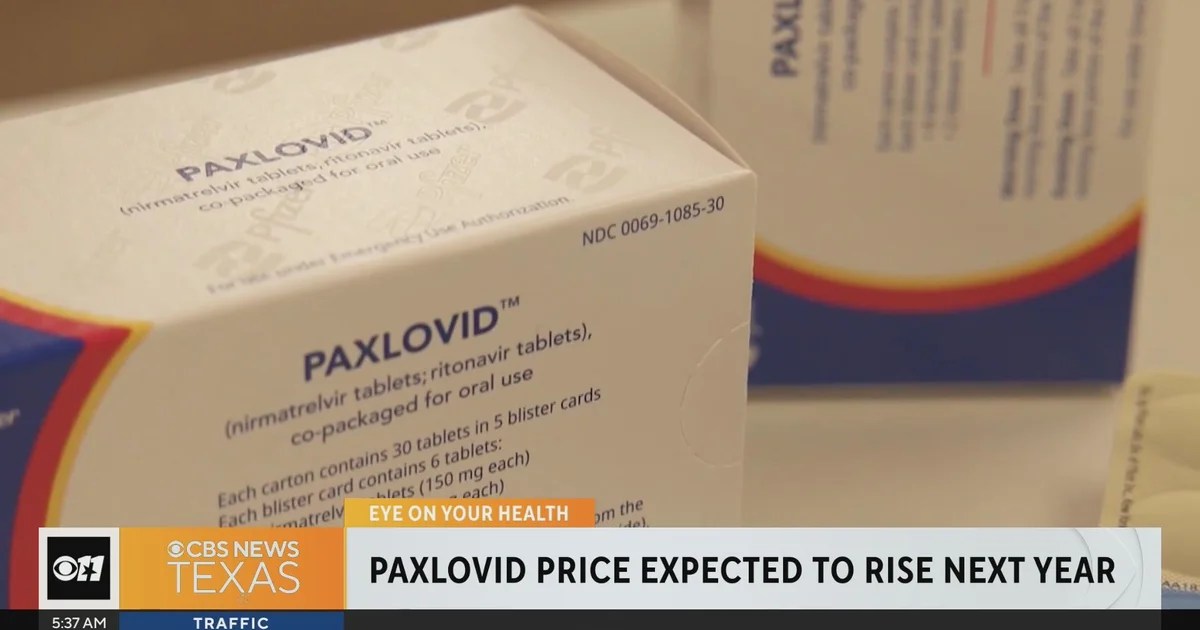
Paxlovid’s journey to market isn’t a simple one; it’s heavily influenced by the complex web of regulations across different countries. Understanding these regulations is crucial for successful commercialization, dictating market access, pricing strategies, and ultimately, patient access. The regulatory landscape varies significantly, impacting the timeline and approach for each region.
Regulatory Approvals and Restrictions
Regulatory approvals are paramount for any new drug. Obtaining these approvals requires extensive data, rigorous testing, and adhering to stringent guidelines. Restrictions, such as those imposed on specific patient populations or usage scenarios, can significantly impact the drug’s potential market reach. These approvals and restrictions, along with local policies, often create a significant barrier to entry for companies seeking to introduce new treatments.
Successful market entry requires careful consideration of these nuances.
The Paxlovid commercial market transition is fascinating, isn’t it? It’s got a lot of moving parts, but one thing that’s always on my mind is how it affects patients with pre-existing conditions. For instance, how does the availability of this new treatment impact life expectancy for people living with multiple sclerosis? Understanding the potential implications for this demographic is key to a complete picture of the Paxlovid market’s future, and resources like this multiple sclerosis life expectancy are incredibly helpful.
Ultimately, a comprehensive understanding of the market transition requires considering the real-world impact on patient populations.
Impact on Market Access
The stringent regulatory environment can directly influence market access. A lengthy approval process can delay product availability, diminishing the window of opportunity to capture a larger market share. Furthermore, differing approval criteria across countries can lead to uneven market penetration. Countries with more stringent regulatory pathways might delay or even deny approval, while others might expedite the process.
Regional Variations in Regulatory Landscapes
Different regions have distinct regulatory bodies, guidelines, and timelines for drug approvals. The European Medicines Agency (EMA) follows a different protocol compared to the Food and Drug Administration (FDA) in the United States. These variations necessitate tailored strategies for each region. For example, the EMA often emphasizes a comprehensive risk-benefit assessment, which might differ from the FDA’s approach.
Summary of Regulatory Considerations
The regulatory landscape for Paxlovid is a multifaceted challenge. Companies need to understand the nuances of each region’s requirements, potential hurdles, and regulatory timelines. Careful planning, compliance, and adaptation to local regulations are essential for successful market entry and patient access.
Regulatory Hurdles in Different Countries
Successfully navigating the regulatory landscape requires a deep understanding of the unique challenges in each market. Different countries have varying standards for clinical trial design, data submission requirements, and approval timelines.
| Country | Potential Regulatory Hurdles |
|---|---|
| United States | FDA approval process, potential for post-market surveillance, and evolving guidelines. |
| European Union | EMA review process, diverse national requirements, and potential for differing interpretations of data. |
| Japan | Pharmaceutical and Medical Devices Agency (PMDA) approval, adherence to stringent guidelines, and specific requirements for clinical trial design. |
| China | National Medical Products Administration (NMPA) approval process, stringent data requirements, and potential for differing interpretations of clinical trial data. |
Market Penetration Strategies for Paxlovid

Paxlovid, a promising antiviral treatment for COVID-19, faces a crucial need for effective market penetration strategies. Successful adoption requires a multifaceted approach targeting both healthcare professionals and patients. These strategies must leverage existing awareness, build upon the positive aspects of Paxlovid’s clinical profile, and address potential barriers to wider acceptance.Building a robust market penetration strategy involves several key components.
The Paxlovid commercial market transition is fascinating, especially when considering the broader implications for healthcare. A key factor in understanding this shift is grasping the concept of brain death – what does it mean exactly? Understanding the criteria for declaring brain death is crucial for ethical considerations in healthcare decisions, particularly in the context of the new drug landscape.
Ultimately, the evolving Paxlovid market will be shaped by various factors, including patient access, insurance coverage, and public perception of its effectiveness. brain death what does it mean This new understanding will further influence the future trajectory of this important market.
It’s not just about getting the product into the market, but about ensuring it’s effectively utilized and adopted by the intended user base. This requires a proactive and comprehensive approach that caters to specific needs and concerns within the healthcare and patient communities.
Strategies for Improving Market Penetration
Effective market penetration strategies require a proactive approach encompassing multiple channels. They should be designed to address potential barriers to adoption and build confidence in the efficacy and safety of Paxlovid. Strategies must also adapt to the dynamic nature of the COVID-19 landscape and evolving patient needs.
- Leveraging Existing Awareness: Building on the existing awareness of Paxlovid’s role in treating COVID-19, healthcare professionals and patients should be educated on the drug’s clinical benefits and its place in the broader treatment landscape. This includes showcasing evidence-based data and case studies highlighting positive outcomes.
- Highlighting Clinical Advantages: Emphasizing the clinical advantages of Paxlovid, such as its ability to reduce hospitalizations and improve patient outcomes, is crucial. This includes presenting data on efficacy and safety in various patient populations. Providing clear, concise, and accurate information about the drug’s benefits, while addressing concerns about potential side effects, is essential for building confidence.
- Addressing Patient Concerns: A significant component of market penetration involves proactively addressing patient concerns about Paxlovid. This includes focusing on its ease of use, side effects, and accessibility. Clear and accessible information, delivered in multiple formats, will be critical in overcoming potential hesitancy.
Strategies to Increase Awareness and Adoption
Increasing awareness and adoption of Paxlovid involves strategic communication and outreach to both healthcare professionals and patients. Clear and concise messaging is key to ensuring the target audience understands the benefits and potential implications of Paxlovid.
- Targeted Educational Campaigns: Developing targeted educational campaigns for both healthcare professionals and patients is vital. These campaigns should emphasize the clinical value of Paxlovid in specific contexts, such as managing high-risk patients or optimizing treatment protocols. These campaigns should also address any common misconceptions or uncertainties surrounding the medication.
- Digital Marketing Strategies: Utilizing digital platforms to reach both healthcare professionals and patients is crucial. This includes developing engaging content, such as webinars, articles, and videos, that address specific concerns and emphasize the positive outcomes of using Paxlovid. Utilizing social media platforms to disseminate information and interact with potential users is also important.
- Collaboration with Patient Advocacy Groups: Partnering with patient advocacy groups can significantly increase the reach of Paxlovid awareness campaigns. Collaborations can provide valuable insights into patient needs and concerns, helping tailor communication strategies for maximum impact.
Strategies for Building Relationships with Healthcare Professionals
Building strong relationships with healthcare professionals is critical for ensuring successful market penetration. This involves fostering trust and demonstrating the value proposition of Paxlovid within the clinical context.
- Physician Education Programs: Developing comprehensive physician education programs, including webinars, workshops, and conferences, is essential for building expertise and confidence in Paxlovid’s use. These programs should provide detailed information on clinical trials, efficacy data, and practical application guidelines.
- Providing Clinical Support Resources: Providing readily accessible clinical support resources, such as guidelines, protocols, and treatment algorithms, will facilitate appropriate use. This includes creating easily searchable online resources, case studies, and clinical trial summaries.
- Facilitating Access to Experts: Providing access to experts and specialists in COVID-19 treatment can enhance the adoption rate of Paxlovid. This includes facilitating communication channels and offering opportunities for healthcare professionals to consult with specialists on Paxlovid use cases.
Strategies for Reaching Different Patient Segments
Tailoring strategies to specific patient segments is essential for maximizing the impact of Paxlovid’s market penetration. This involves understanding the needs and concerns of different groups and tailoring messaging accordingly.
| Patient Segment | Key Strategies |
|---|---|
| High-risk individuals | Highlighting Paxlovid’s role in reducing hospitalization and improving outcomes for those with underlying conditions or comorbidities. Focus on prevention and early intervention. |
| Individuals with mild symptoms | Emphasize Paxlovid’s ability to reduce the severity and duration of illness, promoting early treatment. Highlight the potential to prevent progression to severe disease. |
| Patients hesitant to seek treatment | Focus on accessibility and ease of use. Address concerns about potential side effects and provide detailed information on safe administration. |
Competitive Analysis: Paxlovid Commercial Market Transition
Paxlovid, a highly anticipated antiviral treatment for COVID-19, faces competition in the market. Understanding the strengths and weaknesses of competing medications is crucial for determining Paxlovid’s position and potential market share. This analysis delves into the competitive landscape, comparing efficacy, safety, and potential unmet needs.
Comparative Efficacy and Safety Profiles
Paxlovid’s efficacy in reducing hospitalizations and deaths from COVID-19 has been extensively studied and demonstrated in clinical trials. However, other antiviral medications, like molnupiravir, also show promise in mitigating severe disease progression. Direct comparisons between these drugs often focus on factors such as the viral load reduction, time to symptom resolution, and overall clinical outcomes. Different trial designs and patient populations can affect these comparisons, leading to varying interpretations of efficacy data.
Safety profiles also vary, with potential side effects needing careful consideration for individual patients. The long-term effects of these medications are still under investigation.
Strengths and Weaknesses of Paxlovid Compared to Competitors
Paxlovid demonstrates a strong advantage in its relative ease of administration, as it’s a twice-daily oral medication. This contrasts with some intravenous treatments that require more complex administration procedures. Furthermore, Paxlovid’s overall safety profile, while not without potential side effects, seems generally favorable compared to some competitors. However, potential drug interactions and specific contraindications need to be carefully assessed for each patient.
Competitors might offer advantages in specific patient populations or treatment scenarios. For example, molnupiravir has demonstrated efficacy in certain subgroups, while Paxlovid’s mechanism of action might be less effective against particular viral variants.
Unmet Needs Addressed by Paxlovid
The COVID-19 pandemic has highlighted the urgent need for effective and accessible antiviral treatments. Paxlovid, with its oral administration, addresses the need for convenient and easily accessible medication. It can potentially reduce the burden on healthcare systems by preventing severe disease progression, especially in high-risk populations. Further, the potential for rapid symptom resolution can help individuals return to normal activities more quickly.
Summary Table: Paxlovid vs. Competitors
| Feature | Paxlovid | Molnupiravir | Other Competitors (e.g., remdesivir) |
|---|---|---|---|
| Administration Route | Oral, twice daily | Oral, once daily | Intravenous, often requiring hospital stay |
| Efficacy (Reduction in Hospitalization/Death) | Demonstrated in clinical trials; varying results depending on specific trials and patient populations. | Demonstrated in clinical trials; varying results depending on specific trials and patient populations. | Efficacy often depends on severity and other factors; varies across studies. |
| Safety Profile | Generally favorable, but potential drug interactions and contraindications need careful assessment. | Potential for significant side effects, such as neurotoxicity; ongoing monitoring needed. | Potential side effects, requiring careful monitoring; often more complex than oral medications. |
| Ease of Access | Relatively easier access compared to some intravenous treatments. | Oral administration offers some convenience. | Typically requiring hospital access or specialized administration. |
Last Recap
In conclusion, the Paxlovid commercial market transition is a complex interplay of market dynamics, regulatory pressures, and competitive forces. While promising, manufacturers face significant challenges in navigating the evolving landscape, particularly regarding pricing, reimbursement, and regulatory hurdles. Ultimately, the future success of Paxlovid hinges on its ability to adapt to changing market demands and effectively address the needs of healthcare providers and patients.