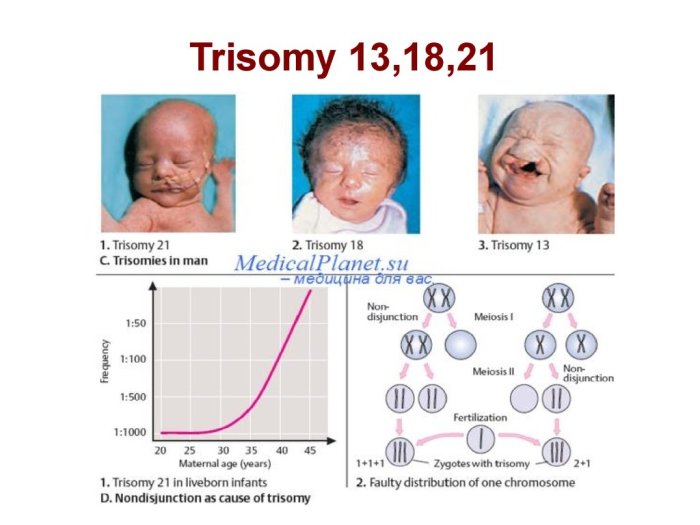
Patau syndrome trisomy 13 presents a complex genetic condition with profound implications for affected individuals and their families. This intricate condition, stemming from a chromosomal abnormality, significantly impacts various aspects of life, from physical development to long-term prognosis. Understanding this condition, from its genetic basis to supportive care options, is crucial for fostering empathy and informed discussion.
This comprehensive exploration delves into the defining characteristics, diagnostic procedures, and management strategies associated with patau syndrome trisomy 13. It also addresses the long-term outcomes, research advancements, and the vital support networks available for families facing this challenging diagnosis.
Defining Patau Syndrome (Trisomy 13)
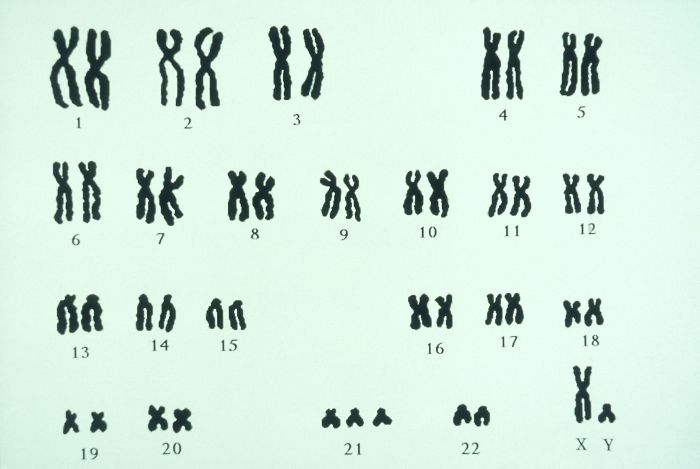
Patau syndrome, also known as trisomy 13, is a severe genetic disorder arising from an extra copy of chromosome 13. This extra genetic material disrupts normal development, leading to a range of physical and developmental abnormalities. Understanding the genetic basis, prevalence, and characteristics of Patau syndrome is crucial for providing support and care to affected individuals and their families.Patau syndrome results from a chromosomal abnormality, specifically a trisomy.
This means a person with Patau syndrome has three copies of chromosome 13 instead of the typical two. This extra genetic material disrupts cellular processes and interferes with the development of various organ systems. The extra chromosome 13 is typically a full extra chromosome, but it can sometimes occur as a translocation, meaning a part of the chromosome is rearranged and attached to another chromosome.
Prevalence and Incidence
The prevalence of Patau syndrome varies across different populations. It is estimated to occur in approximately 1 in 15,000 to 1 in 20,000 live births globally. The exact incidence may differ slightly depending on factors like ethnicity and geographic location. Variations in detection rates can also influence the reported figures. Early prenatal diagnosis plays a critical role in accurately assessing the incidence and prevalence.
Patau syndrome, also known as trisomy 13, presents a range of complex challenges for individuals and families. While physical symptoms are significant, some individuals with Patau syndrome may also experience difficulties with sexual function, including anorgasmia. Understanding the causes and treatment options for anorgasmia is crucial for supporting these individuals and ensuring their well-being. Fortunately, resources like anorgasmia causes and treatment options provide valuable insights into this complex issue.
Ultimately, comprehensive care for those with Patau syndrome requires a multifaceted approach addressing all aspects of their well-being.
Physical Characteristics
Infants with Patau syndrome often present with characteristic physical features. These include cleft lip and/or palate, a small head size (microcephaly), and abnormalities in the eyes, ears, and heart. Additional features can include extra fingers or toes, and a variety of malformations in the limbs and body. These physical characteristics are often variable, with some infants exhibiting more pronounced abnormalities than others.
Key Features of Patau Syndrome
| Feature | Symptoms | Affected Systems | Severity Level |
|---|---|---|---|
| Cleft Lip/Palate | Incomplete closure of the lip and/or palate. | Oral and facial development. | Variable; can range from minor to severe. |
| Microcephaly | Small head size. | Brain development. | Usually severe, impacting brain size and function. |
| Heart Defects | Various heart abnormalities, including septal defects and other structural issues. | Cardiovascular system. | Frequently present and can be life-threatening. |
| Eye Abnormalities | Problems with the structure or function of the eyes. | Visual system. | Variable; can range from minor to severe, affecting vision. |
| Kidney Defects | Kidney malformations or absence. | Renal system. | Frequently present and can lead to kidney failure. |
| Central Nervous System Defects | Brain malformations, seizures, and developmental delays. | Central nervous system. | Often severe, impacting intellectual and motor abilities. |
| Limb Anomalies | Extra fingers or toes, fused digits, or other limb abnormalities. | Skeletal and limb development. | Variable; can range from minor to severe. |
The table above provides a summary of the key characteristics of Patau syndrome, highlighting the diverse range of symptoms, affected systems, and severity levels associated with the condition. The symptoms and their severity can vary significantly between individuals. It is important to consult with medical professionals for accurate diagnosis and personalized care.
Diagnostic Procedures and Testing
Diagnosing Patau syndrome, a complex genetic disorder, often involves a multi-step process. Early detection is crucial for providing appropriate support and counseling to families. Accurate prenatal diagnosis allows for informed choices regarding pregnancy management and planning for the future. The diagnostic journey often begins with routine prenatal screenings and progresses to more invasive procedures if necessary.Prenatal screening methods play a vital role in identifying pregnancies at risk for Patau syndrome.
These methods use various techniques to assess the developing fetus and identify potential chromosomal abnormalities. These screening tools can help identify pregnancies with an increased risk, leading to more definitive testing.
Prenatal Diagnostic Methods
Prenatal screening often begins with ultrasound examinations. These non-invasive imaging techniques provide crucial information about fetal development and structure.
Ultrasound in Prenatal Diagnosis
Ultrasound, a cornerstone of prenatal care, is used to assess fetal anatomy for structural abnormalities. During a standard ultrasound, the sonographer looks for markers that might suggest Patau syndrome. These markers can include specific facial features, heart defects, or abnormalities in the brain and other organs. While ultrasound can’t definitively diagnose Patau syndrome, it can identify pregnancies with a higher likelihood of the condition, prompting further testing.
Patau syndrome, also known as trisomy 13, presents a range of developmental challenges, impacting various body systems. One seemingly unrelated issue that some individuals with Patau syndrome experience is stiffness in their knees after prolonged sitting, which can be a significant factor affecting their mobility. This can be explored further by researching the causes of stiff knee after sitting and how it might manifest in individuals with this genetic condition.
Ultimately, understanding these nuances is crucial for comprehensive care for those with Patau syndrome.
For example, a fetus with a characteristically small head or unusual hand structure could raise a red flag, triggering further investigation.
Amniocentesis and Chorionic Villus Sampling (CVS)
Amniocentesis and chorionic villus sampling (CVS) are more invasive procedures used for more definitive testing when a higher risk is suspected. They involve extracting fetal cells for genetic analysis.
- Amniocentesis involves collecting a sample of amniotic fluid, the fluid surrounding the fetus. This fluid contains fetal cells that can be analyzed for chromosomal abnormalities, including trisomy 13.
- Chorionic villus sampling (CVS) involves collecting a sample of chorionic villi, which are the fetal tissues that develop into the placenta. CVS can be performed earlier in pregnancy than amniocentesis, allowing for faster results and decision-making.
These procedures carry a small risk of complications, including miscarriage. The decision to pursue amniocentesis or CVS should be made in consultation with a healthcare professional, weighing the potential benefits against the risks.
Postnatal Diagnostic Procedures
Postnatal diagnosis is crucial in cases where prenatal testing is not possible or inconclusive. In these instances, diagnostic procedures are performed on the newborn. These tests aim to confirm the suspected diagnosis and guide treatment plans.
- Karyotyping is a common postnatal diagnostic technique. It involves analyzing the chromosomes of the child to determine if there are any abnormalities, such as an extra chromosome 13.
- Molecular genetic testing, such as fluorescent in situ hybridization (FISH) or polymerase chain reaction (PCR), may also be used to identify specific genetic changes associated with Patau syndrome. These tests are particularly useful in confirming or ruling out the diagnosis when karyotyping is inconclusive.
These procedures are performed on blood or tissue samples.
Comparison of Prenatal Diagnostic Techniques
The following table summarizes the different prenatal diagnostic techniques, including their accuracy, invasiveness, and timing.
| Technique | Accuracy | Invasiveness | Timing |
|---|---|---|---|
| Ultrasound | Moderate | Low | Early pregnancy |
| Amniocentesis | High | Medium | 15-20 weeks |
| CVS | High | Medium | 10-13 weeks |
This table provides a general overview. The specific accuracy, invasiveness, and timing of each technique can vary based on individual circumstances and medical expertise.
Symptoms and Effects
Patau syndrome, a devastating genetic disorder, manifests in a wide range of physical anomalies and developmental challenges. Understanding these symptoms is crucial for early diagnosis and intervention, which can significantly impact the quality of life for individuals affected by this condition. Early identification and support services can help families navigate the complexities of managing the diverse range of needs associated with Patau syndrome.
Physical Anomalies
Patau syndrome is characterized by a constellation of physical abnormalities affecting various parts of the body. These anomalies often present significant challenges for affected individuals, impacting their overall well-being and quality of life. The range and severity of these physical anomalies can vary significantly between individuals, highlighting the complex nature of this genetic disorder.
- Craniofacial abnormalities are frequently observed, including a small head size (microcephaly), a cleft lip and/or palate, and unusual facial features like widely spaced eyes (hypertelorism). These features can impact feeding, breathing, and overall development.
- Congenital heart defects are common, ranging from mild to severe. These defects can compromise the heart’s ability to pump blood efficiently, requiring surgical intervention in many cases. For example, a septal defect can lead to mixed blood flow, affecting the entire circulatory system.
- Kidney abnormalities are also prevalent, including renal agenesis (absence of a kidney) or other structural malformations. These kidney issues can lead to impaired kidney function and necessitate careful monitoring and potentially, dialysis or transplantation in severe cases.
- Limb abnormalities, such as polydactyly (extra fingers or toes) or syndactyly (fused fingers or toes), are common, impacting motor development and mobility. These conditions are more frequent than other anomalies in the body, requiring extensive care and therapy.
Neurological and Developmental Consequences
The impact of Patau syndrome extends to the neurological and developmental spheres, often resulting in significant challenges in cognitive and motor skills. These consequences vary greatly in severity, highlighting the individual variability inherent in this condition. The range of cognitive impairment, from mild learning disabilities to profound intellectual disability, is a significant factor in the management of this condition.
- Intellectual disability is a common feature, ranging in severity. Children with Patau syndrome may exhibit delays in language development, problem-solving abilities, and other cognitive functions. Early intervention programs can help maximize their potential.
- Motor skill delays are often present, impacting a child’s ability to sit, crawl, walk, and engage in other physical activities. Physical therapy is frequently an integral part of treatment to improve motor function.
- Seizures can occur in some individuals with Patau syndrome. Management of seizures often involves medication and close monitoring.
Potential Complications
A variety of complications can arise from Patau syndrome, affecting various organ systems. These complications can range from minor issues to life-threatening conditions, highlighting the importance of ongoing medical monitoring and support. Early detection and management of complications can significantly impact the overall health and well-being of individuals with Patau syndrome.
- Feeding difficulties are common due to orofacial abnormalities, impacting adequate nutrition and growth. Specialized feeding techniques and nutritional support may be necessary.
- Respiratory problems, such as difficulty breathing, can arise from anomalies in the airway or lungs. Respiratory support, including mechanical ventilation, may be required in severe cases.
- Vision and hearing impairments can also occur, impacting a child’s ability to learn and interact with the world. Early intervention and management can help mitigate the impact of these impairments.
Common Signs and Symptoms in Infants and Children
Recognizing the early signs and symptoms of Patau syndrome is vital for prompt diagnosis and intervention. The presence of multiple anomalies across various organ systems, including the cardiovascular, respiratory, and digestive systems, is crucial for a comprehensive evaluation and treatment plan. These symptoms manifest early in life, requiring a multidisciplinary approach to management.
Patau syndrome, also known as trisomy 13, is a severe genetic condition with various challenges for affected individuals. Understanding how medical interventions like VUITY, a treatment option, works is crucial for families facing this. how does vuity work is an important aspect to consider, and ultimately, supporting those with Patau syndrome remains a top priority.
This condition requires comprehensive care and support throughout the individual’s life.
- Characteristic facial features, such as a small head, cleft lip or palate, and widely spaced eyes, may be present from birth. Early identification of these features can initiate the diagnostic process.
- Developmental delays in reaching milestones, such as sitting, crawling, or walking, can be observed in infants and young children.
- Feeding difficulties are common, leading to poor weight gain and malnutrition. The ability to feed the child is a primary concern that must be addressed early in their life.
Impact on Organ Systems
The table below highlights the impact of Patau syndrome on various organ systems, including cardiovascular, respiratory, and digestive systems. This comprehensive overview provides insight into the multi-systemic nature of the condition. This table serves as a crucial tool for healthcare providers in understanding the complexity of Patau syndrome.
| Organ System | Potential Impacts |
|---|---|
| Cardiovascular | Congenital heart defects, abnormal blood flow, potential heart failure |
| Respiratory | Respiratory distress syndrome, breathing difficulties, potential lung infections |
| Digestive | Feeding difficulties, malabsorption, potential gastrointestinal complications |
| Renal | Kidney abnormalities, renal agenesis, impaired kidney function |
| Neurological | Intellectual disability, motor skill delays, seizures |
Management and Treatment
Managing Patau syndrome (trisomy 13) is a complex undertaking, primarily focused on supportive care and addressing the myriad physical and developmental challenges. Treatment strategies aim to alleviate symptoms, enhance quality of life, and provide comfort to affected individuals and their families. This often involves a multidisciplinary approach, bringing together specialists from various medical fields to create a comprehensive plan.Effective management of Patau syndrome necessitates a thorough understanding of the diverse range of medical issues associated with the condition.
Treatment strategies are tailored to the specific needs of each child, considering their unique constellation of symptoms and associated complications. A collaborative approach is crucial, ensuring the best possible outcomes and supporting the child’s overall well-being.
Supportive Care
Supportive care plays a critical role in improving the quality of life for individuals with Patau syndrome. This multifaceted approach encompasses a range of interventions designed to address the diverse medical and developmental needs. It includes pain management, respiratory support, and nutritional interventions. Consistent monitoring and prompt medical intervention are paramount.
- Pain Management: Patau syndrome can lead to significant pain and discomfort. Effective pain management strategies are essential to ensure comfort and promote developmental progress. This may involve a combination of medications and non-pharmacological approaches like physical therapy.
- Respiratory Support: Respiratory complications are frequent in Patau syndrome. Close monitoring and interventions, such as respiratory therapy and supplemental oxygen, are often necessary to maintain adequate breathing and prevent infections.
- Nutritional Support: Feeding difficulties are common. Specialized feeding techniques and nutritional supplements may be necessary to ensure adequate caloric intake and proper growth and development.
Interdisciplinary Care Teams
Interdisciplinary care teams are essential for providing comprehensive management of Patau syndrome. These teams bring together specialists from various disciplines, including geneticists, pediatricians, neurologists, surgeons, physical therapists, occupational therapists, speech therapists, and social workers. This collaborative approach allows for a holistic assessment and treatment plan tailored to the specific needs of each child.
- Collaboration: The interdisciplinary approach ensures that all aspects of the child’s care are addressed. Regular meetings and communication between team members are critical to ensure a coordinated and effective treatment strategy.
- Holistic Assessment: The team assesses the child’s physical, cognitive, and developmental needs to develop a personalized treatment plan. This holistic approach accounts for the multifaceted nature of Patau syndrome.
- Long-term Support: A dedicated care team provides consistent support to the child and family, addressing both medical and emotional needs throughout the child’s life.
Surgical Interventions
Surgical interventions may be necessary to address specific anomalies associated with Patau syndrome. These procedures can improve the child’s physical function, reduce pain, and enhance their quality of life. The decision to pursue surgical intervention is made on a case-by-case basis, weighing the potential benefits against the risks.
- Cardiac Surgery: Congenital heart defects are common in Patau syndrome. Surgical intervention may be necessary to correct these defects and ensure adequate blood flow.
- Gastrointestinal Surgery: Gastrointestinal anomalies may require surgical correction to ensure proper digestion and nutrition.
- Craniofacial Surgery: Craniofacial anomalies can be addressed surgically to improve facial structure and function.
Treatment Strategies
The effectiveness and potential side effects of different treatment strategies vary depending on the specific condition and individual needs. A detailed discussion with the healthcare team is crucial to understanding the options available.
| Treatment Strategy | Effectiveness | Potential Side Effects |
|---|---|---|
| Pharmacological Pain Management | Generally effective in reducing pain and discomfort | Possible side effects include nausea, drowsiness, and interactions with other medications. |
| Respiratory Support | Improves respiratory function and reduces risk of complications | Potential for dependence on oxygen or respiratory machines. |
| Surgical Interventions | Can improve physical function and reduce symptoms | Risk of surgical complications, including infection, bleeding, and adverse reactions to anesthesia. |
| Nutritional Support | Ensures adequate nutrition for growth and development | Possible challenges with food refusal or intolerance to certain foods. |
Long-Term Outcomes and Prognosis
Patau syndrome, a severe genetic disorder, significantly impacts the developmental trajectory and life expectancy of affected individuals. Understanding the typical developmental path, the potential range of outcomes, and the factors influencing prognosis is crucial for families facing this challenging diagnosis. The long-term outlook for individuals with Patau syndrome varies considerably, reflecting the wide spectrum of severity in the condition.The impact of Patau syndrome on life expectancy is substantial, with the majority of individuals not surviving beyond the first year of life.
However, some individuals may live longer, depending on the severity of the condition and the availability of supportive care. This variability highlights the complexity of predicting long-term outcomes in Patau syndrome.
Typical Developmental Trajectory, Patau syndrome trisomy 13
The typical developmental trajectory in Patau syndrome is characterized by significant delays and challenges across various domains. Infants with Patau syndrome often exhibit severe developmental delays in motor skills, cognitive function, and communication. These delays can range from mild to profound, impacting the ability to reach milestones such as sitting, crawling, walking, and speaking.
Impact on Life Expectancy
The majority of individuals with Patau syndrome do not survive beyond the first year of life. However, some infants with less severe manifestations may live longer, potentially into early childhood, often requiring intensive medical care and support. The specific life expectancy depends heavily on the severity of the associated anomalies and the quality of medical intervention.
Range of Potential Outcomes
The range of potential outcomes for individuals with Patau syndrome is vast and unpredictable. Some individuals may experience severe intellectual disability, impacting their ability to communicate and interact with the world. Others might exhibit some degree of independent functioning, but still require substantial support. The severity of organ malformations and associated medical conditions significantly influences the overall outcome.
For example, individuals with more severe cardiac anomalies may have shorter life expectancies compared to those with milder anomalies.
Factors Influencing Prognosis and Long-Term Survival
Several factors influence the prognosis and long-term survival of individuals with Patau syndrome. The severity of the associated congenital anomalies, including cardiac defects, brain malformations, and other organ system abnormalities, plays a critical role. Early intervention, access to specialized medical care, and supportive services also significantly impact the individual’s quality of life and potential for survival. For example, infants with a milder form of the condition and access to advanced neonatal intensive care may have a slightly better chance of longer survival compared to those with severe organ system involvement.
The availability of advanced medical care can often influence the long-term prognosis and quality of life.
Table Summarizing Long-Term Prognosis
| Severity of Patau Syndrome | Typical Outcomes | Life Expectancy | Factors Influencing Prognosis |
|---|---|---|---|
| Mild | Potentially some independent functioning, but with significant support needs | May extend into early childhood | Milder anomalies, early intervention, supportive services |
| Moderate | Significant developmental delays, requiring extensive support across various domains | May live into the first few years of life | Moderate organ system involvement, access to specialized care |
| Severe | Severe developmental delays, profound disabilities, significant medical complications | Usually not beyond the first year of life | Severe organ system abnormalities, limited access to specialized care |
Research and Developments: Patau Syndrome Trisomy 13
Patau syndrome, a devastating genetic disorder, necessitates relentless research to understand its complexities and potentially improve the lives of affected individuals. Ongoing efforts focus on unraveling the genetic mechanisms underlying the condition, identifying effective therapies, and enhancing diagnostic capabilities. This research journey promises to yield valuable insights, paving the way for better management and improved outcomes for those living with Patau syndrome.
Current Research Efforts in Understanding Patau Syndrome
Extensive research is dedicated to comprehending the intricate genetic pathways involved in Patau syndrome. Scientists are investigating the precise mechanisms through which the extra chromosome 13 disrupts normal development, leading to the characteristic physical and intellectual impairments. This includes studying gene expression patterns, protein interactions, and cellular processes affected by the genetic anomaly. Comparative genomic studies are also revealing important insights into the specific genes and regions on chromosome 13 that contribute to the multifaceted manifestations of the syndrome.
Ongoing Research Focusing on Potential Therapies and Interventions
Research into potential therapies and interventions is a critical aspect of addressing Patau syndrome. Investigative approaches include exploring strategies to mitigate the effects of the extra chromosome 13. This includes targeted therapies that aim to regulate the expression of genes implicated in the disorder’s developmental processes. Researchers are also exploring the use of supportive care interventions, such as specialized therapies for motor skills and cognitive development, to enhance the quality of life for individuals with Patau syndrome.
Some promising avenues involve gene therapy, but these are still in early stages of investigation and require extensive pre-clinical testing.
Advancements in Genetic Counseling and Screening
Genetic counseling plays a crucial role in supporting families affected by Patau syndrome. Advancements in genetic testing technologies have led to more precise and accessible diagnostic tools. These tools facilitate earlier detection, enabling parents to make informed decisions regarding prenatal care and reproductive options. Moreover, improved genetic counseling services provide comprehensive information about the condition, its inheritance patterns, and potential recurrence risks.
This allows for more tailored and supportive counseling, which is vital for families navigating the complexities of a diagnosis.
Examples of Ongoing Clinical Trials Related to Patau Syndrome
Currently, limited clinical trials specifically focused on Patau syndrome are available. However, there are ongoing trials investigating novel therapeutic approaches for other genetic disorders that may have potential applications in Patau syndrome. These include trials focusing on gene therapies and targeted medications. Results from these trials, even in related conditions, could potentially provide valuable information and insights that can be translated into therapeutic interventions for Patau syndrome.
This highlights the interconnected nature of genetic research and the importance of ongoing efforts in similar areas.
Summary of Key Research Findings and Implications
| Research Finding | Implications for Future Treatment and Management |
|---|---|
| Identification of specific genes on chromosome 13 linked to developmental delays. | Potential for targeted therapies to address specific developmental challenges. |
| Improved prenatal diagnostic techniques. | Increased opportunities for early intervention and family support. |
| Growing understanding of cellular mechanisms affected by the extra chromosome. | Development of potential therapies to modulate cellular function and improve developmental outcomes. |
| Exploration of gene therapy applications. | Possibility of future treatments that directly address the genetic cause of the disorder. |
Support for Families and Individuals
Navigating the complexities of a diagnosis like Patau syndrome can be emotionally challenging for families. The journey often involves a cascade of questions, uncertainties, and overwhelming medical decisions. This section highlights the vital role of support systems in helping families cope with this condition.The experience of receiving a diagnosis for a child with Patau syndrome is often emotionally distressing for the entire family.
This can lead to feelings of isolation, grief, and anxiety. Accessing reliable support networks and resources can be instrumental in alleviating these burdens and empowering families to make informed decisions.
Support Groups and Resources
Numerous support groups and resources are available to provide emotional and practical assistance to families affected by Patau syndrome. These groups offer a sense of community, shared experiences, and valuable information exchange among individuals who understand the challenges firsthand. Connecting with others facing similar situations can significantly reduce feelings of isolation and provide a much-needed source of encouragement.
Importance of Emotional Support
The emotional toll of a Patau syndrome diagnosis is significant. Facing the medical complexities, challenges, and emotional burdens requires significant emotional resilience. Families often require professional guidance and support to navigate the profound impact on their lives. This can include counseling services to help manage stress, anxiety, and grief, alongside practical support in daily life.
Accessing Support Resources
Identifying and accessing relevant support resources is a crucial step in managing the impact of Patau syndrome. Online forums, support groups, and helplines can provide immediate access to information and a sense of community. Hospitals and genetic counseling centers often have resources available to families, and local organizations may offer specialized programs. Many support groups have websites, and online searches are a great starting point for finding the right resources for specific needs.
Counseling Services for Families and Individuals
Professional counseling can provide essential support for families and individuals navigating the challenges of Patau syndrome. Counselors can help families process their emotions, develop coping strategies, and make informed decisions about medical care and future plans. Grief counseling can be particularly important, helping families adjust to the realities of the diagnosis and potential challenges in their lives.
Table of Organizations and Resources
| Organization/Resource | Description | Contact Information (Example) |
|---|---|---|
| National Organization for Rare Disorders (NORD) | Provides information and support for rare genetic conditions, including Patau syndrome. | (Example) www.rarediseases.org |
| Genetic Support Groups (Local) | Offer support and information specific to local areas, often connected to hospitals or genetic counseling centers. | (Example) Contact local hospitals/genetic counseling centers. |
| Patau Syndrome Foundation (If applicable) | Specific foundation dedicated to research, support, and information about Patau syndrome. | (Example) www.patau-syndrome.org (Hypothetical address). |
| Online Support Forums (Specific to Patau Syndrome) | Online communities for sharing experiences, advice, and support. | (Example) Search online for “Patau Syndrome support forums”. |
Wrap-Up
In conclusion, patau syndrome trisomy 13 is a multifaceted condition demanding comprehensive understanding and compassionate care. From its genetic roots to the long-term effects, this guide highlights the importance of early diagnosis, supportive care, and ongoing research. Ultimately, it underscores the profound impact of this condition on individuals and families, while emphasizing the significance of a strong support system and the ongoing quest for improved treatments.