
Observation or inpatient hospital sets the stage for understanding the nuances of medical care. This exploration delves into the critical differences between observation and inpatient stays, examining the various factors that influence a patient’s admission, from the reasons behind choosing observation to the complex medical procedures performed. We’ll also look at the patient experience, staff roles, legal considerations, financial implications, and the design and structure of these facilities.
Understanding the specifics of each approach, including the typical duration of stays, amenities, procedures, and monitoring, is key to navigating this complex medical landscape. This will provide a clear overview for both patients and healthcare professionals alike.
Introduction to Observation/Inpatient Hospital Stays
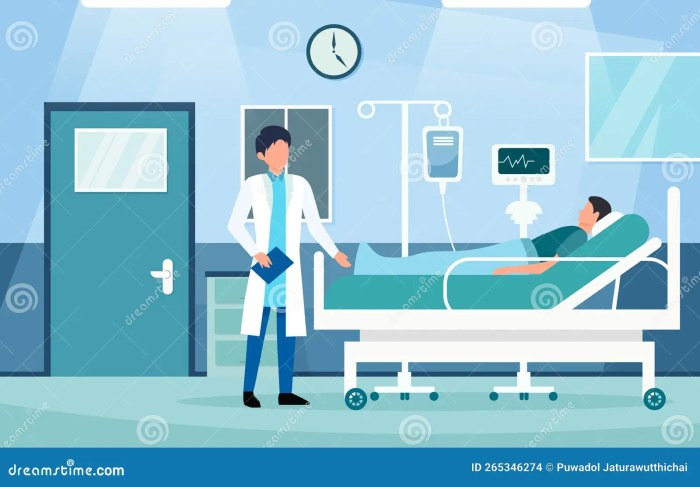
Navigating the healthcare system can be confusing, especially when facing potential hospital stays. Understanding the differences between observation and inpatient care is crucial for making informed decisions. This post aims to clarify the nuances of these two options, outlining the situations where each is appropriate. Knowing the typical duration and factors influencing the choice is vital for patients and their families.Observation status and inpatient hospital care represent distinct levels of medical attention.
Observation status typically involves monitoring patients for a limited period, often for conditions that don’t require extensive or prolonged care. In contrast, inpatient care encompasses a wider range of services and is designed for patients needing more extensive care, potentially for longer periods. The key distinction rests on the level of medical intervention and required monitoring.
Defining Observation Status
Observation status in a hospital setting is a temporary period of monitoring for patients with conditions that don’t necessitate the intensive care provided during an inpatient stay. These patients usually require close monitoring for a short duration to ensure their condition stabilizes. Examples include patients recovering from minor procedures, those with mild symptoms, or those awaiting further diagnostic tests.
The focus is on close observation and intervention if needed, but not the comprehensive care provided in inpatient settings.
Defining Inpatient Hospital Care
Inpatient hospital care is designed for patients requiring more intensive and prolonged medical attention. This type of care often involves a complex interplay of services, such as physician consultations, diagnostic tests, therapies, and specialized care. Patients in inpatient settings are typically monitored continuously, with immediate access to medical professionals and resources. Conditions requiring inpatient care can range from acute illnesses, such as severe infections or injuries, to ongoing medical treatments or complex surgical procedures.
Key Differences Between Observation and Inpatient Admission
The crucial differences lie in the level of care, duration of stay, and the complexity of the patient’s condition. Observation stays are typically shorter and focus on monitoring for immediate complications. Inpatient stays are longer and encompass a wider spectrum of care. The decision to admit a patient as an inpatient hinges on the severity and duration of the required treatment.
Reasons for Choosing Observation vs. Inpatient
Choosing between observation and inpatient admission depends on various factors. Observation is often preferred for patients with minor illnesses or injuries who require close monitoring but not extensive medical interventions. In contrast, inpatient care is necessary for those with more complex conditions, requiring specialized care, multiple tests, and prolonged treatment. Examples include patients with suspected infections needing further investigation or those who require ongoing intravenous fluids.
Factors Influencing the Decision to Admit a Patient as an Inpatient
Several factors contribute to the decision of admitting a patient as an inpatient. The severity of the condition, the patient’s response to treatment, the need for specialized care, and the anticipated duration of stay all play a crucial role. A patient with a severe infection, for example, might require intensive care and close monitoring, leading to an inpatient admission.
Similarly, patients undergoing complex procedures or requiring ongoing medication management often require the comprehensive care provided in inpatient settings.
Typical Duration of Observation Stays vs. Inpatient Stays
| Type of Stay | Typical Duration |
|---|---|
| Observation | Usually less than 24 to 72 hours |
| Inpatient | Ranges from several days to several weeks, depending on the condition and treatment plan |
This table provides a general overview. Actual durations can vary significantly based on individual circumstances and medical needs.
Patient Experience During Observation

Observation units offer a crucial bridge between urgent care and inpatient stays. Patients experiencing acute conditions but not requiring the extensive resources of a full inpatient ward find themselves in this intermediate setting. Understanding the amenities, monitoring, and communication processes is key to a smoother transition and a more comfortable experience.Observation stays often provide a pathway to a more definitive diagnosis and treatment plan, allowing patients to receive necessary care without the commitment of a lengthy inpatient stay.
This environment is designed to monitor patients closely while minimizing the disruption of daily routines as much as possible.
Amenities and Services in Observation Units
Observation units are equipped with basic amenities to provide comfort and support. These amenities typically include comfortable beds, private or semi-private rooms (depending on the facility and patient needs), access to basic toiletries, and access to televisions and telephones. In some cases, access to Wi-Fi is available. A dedicated nursing staff is present to monitor patients closely, providing care and support around the clock.
Monitoring Processes During Observation Stays
Continuous monitoring is a cornerstone of observation stays. Vital signs, such as blood pressure, heart rate, and oxygen saturation, are routinely checked, often via automated systems. Specialized monitoring equipment, like cardiac monitors, may be used, depending on the patient’s condition. Regular assessments by nursing staff ensure that any changes in the patient’s condition are promptly addressed.
Communication Methods for Patients and Families
Maintaining open communication is crucial. Dedicated nurses and support staff actively communicate with patients and families regarding the patient’s condition, treatment plan, and expected duration of stay. Frequent updates are provided, ensuring that everyone is informed about the progress. Communication channels might include verbal updates, electronic messaging systems, and phone calls. In many facilities, a designated family liaison is available to answer questions and concerns.
Comparison to Inpatient Ward Stays
Observation units differ significantly from inpatient wards in terms of both structure and services. Observation units are designed for short-term monitoring and management of acute conditions, while inpatient wards are for longer-term care. Consequently, amenities and services are tailored to the specific needs of each environment. The level of privacy, comfort, and support available often varies.
Comparison of Privacy and Comfort
| Characteristic | Observation Unit | Inpatient Ward |
|---|---|---|
| Privacy | Typically semi-private or private rooms. Limited access by other patients. | Rooms are usually shared or private, with varying degrees of privacy depending on the ward. |
| Comfort | Focus is on basic comfort, such as comfortable beds, and amenities for hygiene. | Emphasis on longer-term comfort, with potentially more extensive amenities like specialized beds or seating areas. |
| Accessibility | Access to facilities might be more limited than in inpatient wards. | Access to facilities, such as common areas, and amenities is typically broader. |
Medical Procedures and Care in Observation
Observation stays in hospitals offer a crucial bridge between outpatient care and inpatient admission. This period allows medical professionals to closely monitor patients’ conditions, often for a few days, to determine the appropriate course of treatment. During this time, various medical procedures, monitoring techniques, and diagnostic tests are employed to assess and manage the patient’s needs effectively.
Deciding between observation or inpatient care can be tricky. Sometimes, a simple kitchen mishap, like a cut while chopping veggies, can lead to needing extra care. Knowing how to properly handle cuts in the kitchen, like the ones described in this helpful guide cuts in the kitchen , can significantly reduce the need for extended hospital stays.
Ultimately, the best choice depends on the severity of the situation and your individual needs, but being prepared is always a plus when considering observation or inpatient hospital options.
Common Medical Procedures
A wide array of medical procedures might be performed during observation, depending on the patient’s specific condition. These procedures aim to gather information, stabilize the patient, and prepare them for potential further interventions. Common procedures include administering intravenous fluids to restore hydration, performing wound care for injuries, and administering medications to manage symptoms. These procedures are often straightforward and are intended to ensure patient comfort and stability.
Monitoring Techniques
Continuous monitoring is essential during observation stays. Vital signs like heart rate, blood pressure, respiratory rate, and temperature are frequently assessed using automated devices or manual methods. This continuous monitoring allows healthcare providers to identify any deviations from normal ranges promptly, enabling them to intervene if necessary. Oxygen saturation levels are also closely monitored using pulse oximetry.
This non-invasive technique provides real-time information about the amount of oxygen in the blood, helping to detect potential respiratory issues. Continuous electrocardiogram (ECG) monitoring might be utilized to assess the heart’s electrical activity, identifying arrhythmias or other cardiac problems.
Diagnostic Tests, Observation or inpatient hospital
Various diagnostic tests can be conducted during observation, depending on the suspected cause of the patient’s condition. Blood tests, including complete blood counts (CBCs) and comprehensive metabolic panels (CMPs), are frequently ordered to evaluate organ function and detect any abnormalities. Other tests, such as urinalysis and chest X-rays, might be necessary to evaluate specific systems. The choice of diagnostic tests is tailored to the patient’s presenting symptoms and suspected diagnosis.
Common Medications Administered
Patients in observation might receive a variety of medications, depending on their condition. Pain relievers, such as acetaminophen or ibuprofen, are commonly administered to manage discomfort. Antibiotics might be prescribed if an infection is suspected. Anti-emetics may be given to control nausea or vomiting. The selection of medications is based on the patient’s specific needs and medical history.
Potential Complications
| Potential Complication | Description |
|---|---|
| Infections | Patients may develop infections, particularly if they have wounds or are receiving intravenous fluids. |
| Fluid overload | Rapid intravenous fluid administration can lead to fluid overload, especially in patients with underlying heart or kidney conditions. |
| Medication reactions | Patients may experience adverse reactions to medications, ranging from mild allergic reactions to more severe complications. |
| Sepsis | Severe infection in the bloodstream can lead to sepsis, a life-threatening condition. |
| Arrhythmias | Irregular heartbeats (arrhythmias) can occur, particularly in patients with underlying cardiac conditions. |
The potential complications listed in the table highlight the importance of diligent monitoring and prompt intervention by medical professionals during observation stays. Carefully managing patients’ medications, maintaining aseptic techniques, and regularly assessing vital signs can mitigate the risk of these complications.
Staff Roles and Responsibilities
Observation units rely on a coordinated team effort to ensure patient safety and optimal care. Different healthcare professionals play specific roles, each contributing to the overall success of the observation process. Effective communication and clear protocols are paramount to navigating the transition from observation to inpatient care, if necessary.
Roles of Healthcare Professionals
The observation unit’s team comprises various roles, each with distinct responsibilities. Nurses, physicians, and support staff work collaboratively to monitor patients and manage their care. Their combined expertise ensures comprehensive patient assessment and care planning.
Nurses’ Responsibilities in Observation
Nurses are the primary point of contact for observation patients. Their responsibilities include continuous monitoring of vital signs, administering medications, documenting observations, and communicating with physicians regarding patient status. They also educate patients and their families about the observation process, procedures, and potential next steps.
Physicians’ Roles and Responsibilities
Physicians are responsible for evaluating patients, ordering diagnostic tests, and determining the appropriate course of action. Their role involves assessing patient history, conducting physical examinations, and interpreting test results. This evaluation process guides the decision-making process regarding the patient’s progression to inpatient care or discharge.
Other Staff Roles in Observation Units
Other staff members, such as technicians and support personnel, contribute to the smooth operation of the observation unit. These individuals perform tasks such as drawing blood, assisting with procedures, and maintaining a clean and safe environment.
Communication Protocols
Effective communication between staff members is critical for accurate patient assessment and management. Protocols should be clearly defined, outlining the procedures for reporting observations, communicating with physicians, and documenting important information. This ensures a clear understanding of patient status and facilitates timely decisions. These protocols often include specific forms and electronic systems for recording and sharing data.
For instance, a standardized form for documenting vital signs and observations can streamline communication between nurses and physicians.
Decision-Making Process for Patient Progression
The decision to transition a patient from observation to inpatient care is based on a multi-faceted evaluation. Factors considered include the patient’s clinical condition, response to treatment, and the need for specialized care. Physicians, nurses, and other relevant healthcare professionals collaboratively review the patient’s progress, diagnostic test results, and medical history to determine the optimal course of action.
This process ensures a smooth and safe transition. For example, if a patient’s condition deteriorates or new symptoms arise, the team will promptly discuss the need for inpatient care.
Staff Qualifications and Training
| Staff Role | Qualifications | Training Requirements |
|---|---|---|
| Nurse | Registered Nurse (RN) license | Advanced cardiac life support (ACLS), basic life support (BLS), and specialized training in observation unit protocols. |
| Physician | Medical degree (MD or DO) | Training in emergency medicine, internal medicine, or related specialties. Experience in assessing and managing patients in observation units. |
| Technician | Relevant certifications and training | Training in phlebotomy, vital signs monitoring, and other relevant procedures. |
The table above Artikels the minimum qualifications and training requirements for staff handling observation patients. These requirements are designed to ensure competency and facilitate safe and effective patient care.
Legal and Ethical Considerations
Navigating the realm of observation stays in hospitals requires a keen understanding of the legal and ethical frameworks governing patient care. These frameworks protect patient rights, ensure ethical treatment, and uphold standards of safety and confidentiality. A strong grasp of these considerations is crucial for both patients and healthcare providers to ensure a smooth and respectful experience.Understanding the legal and ethical dimensions of observation care distinguishes it from inpatient stays, impacting patient rights, responsibilities, and the overall environment.
Different procedures and protocols apply to observation patients, necessitating careful attention to the legal and ethical implications.
Patient Rights During Observation
Patient rights during observation periods are paramount. These rights extend to the same fundamental protections as inpatient care. Patients have the right to informed consent regarding procedures and treatments. They are entitled to access their medical records and participate in decisions concerning their care.
Choosing between observation or inpatient hospital stays can be tricky. Understanding potential issues like delirium is key. Learning about the signs and symptoms of delirium, and what to expect, can be incredibly helpful in making the right decision for your loved one’s well-being. For more in-depth information, check out this helpful resource on delirium what you should know.
Ultimately, the best approach depends on the individual’s specific needs and the severity of their condition, so discussing options with a medical professional is always the best first step in choosing the right level of care for your loved one in an observation or inpatient hospital setting.
Ethical Guidelines for Patient Care in Observation
Ethical guidelines ensure the humane and respectful treatment of all patients. These guidelines emphasize the principle of beneficence, ensuring the patient’s best interests are prioritized. Maintaining patient autonomy and confidentiality is paramount. Ethical dilemmas, such as end-of-life decisions, may arise and must be addressed with sensitivity and adherence to established protocols.
Policies for Patient Safety and Confidentiality
Maintaining patient safety and confidentiality is paramount in any healthcare setting. Policies surrounding these issues must be clearly defined and consistently enforced during observation stays. This includes strict adherence to HIPAA regulations and secure storage of patient information. Protocols for reporting potential safety risks or breaches of confidentiality are essential.
Comparison of Legal Implications of Observation vs. Inpatient Care
Observation stays, while offering a less intensive level of care than inpatient care, still carry legal responsibilities. The scope of liability may differ in specific cases, depending on the level of care provided. For instance, the degree of supervision and monitoring required for observation patients might be less than that for inpatients. Furthermore, the length of stay and potential need for follow-up care may differ, which could impact liability in case of complications.
However, the legal duty to provide reasonable care, including monitoring and treatment, remains consistent.
Table of Relevant Legal Documents for Observation Patients
| Document Category | Description | Relevance to Observation |
|---|---|---|
| Patient Rights | Artikels the fundamental rights of patients, including access to information, participation in care decisions, and confidentiality. | Applicable to observation patients as they are entitled to the same rights as inpatients. |
| Informed Consent | Documents the patient’s agreement to medical procedures after receiving adequate explanation. | Crucial for any procedure performed, regardless of the length of stay. |
| HIPAA Regulations | Federal regulations governing the privacy and security of protected health information. | Essential for safeguarding patient confidentiality during observation. |
| Hospital Policies and Procedures | Specific guidelines established by the hospital for patient care, including observation protocols. | Defines expectations and responsibilities for all parties involved in observation care. |
Cost and Financial Implications: Observation Or Inpatient Hospital
Navigating the healthcare system can be daunting, especially when facing medical concerns that necessitate an observation or inpatient stay. Understanding the financial aspects of these options is crucial for patients and families. This section delves into the costs, potential savings, and factors influencing the expenses associated with these care levels.Observational care, often a less expensive alternative to a full inpatient stay, can significantly impact financial well-being.
However, various factors can influence the total cost, impacting both the patient and the healthcare facility. This includes the length of stay, the specific services required, and the location of the facility.
Financial Differences Between Observation and Inpatient Stays
Observation stays are generally less costly than inpatient stays. This difference is primarily due to the level of care provided. Inpatient care typically includes more extensive monitoring, specialized medical procedures, and access to a broader range of resources. Observation units focus on monitoring patients for a specific period to ensure stability and appropriate discharge planning. Patients requiring intensive care, specialized monitoring, or extended treatment durations will likely be admitted as inpatients.
Cost-Effectiveness of Observation Care
Observation care can be cost-effective when patients require short-term monitoring and do not necessitate the extensive resources of an inpatient stay. The cost-effectiveness of observation care depends on several factors, including the patient’s condition, the length of the observation period, and the availability of alternative care options. Hospitals can potentially save resources by efficiently utilizing observation units to manage patients who do not require a full inpatient stay.
This, in turn, allows for more efficient use of hospital beds and reduces overall healthcare costs.
Potential Financial Implications for Patients and Healthcare Facilities
Patients facing observation or inpatient stays should be aware of the potential financial implications. Insurance coverage can vary significantly, and patients should always confirm their coverage details with their insurance providers. Unforeseen costs can arise from unexpected complications, additional procedures, or extended stays. Healthcare facilities need to balance the cost of providing observation care with the need to manage patient acuity and provide quality care.
Factors Influencing Costs Associated with Observation and Inpatient Care
Several factors influence the cost of observation and inpatient care. These include:
- Length of Stay: A longer stay inherently translates to higher costs due to the increased utilization of resources, including medical personnel, equipment, and medications.
- Complexity of Care: Patients requiring specialized care or procedures will incur higher costs compared to those needing basic monitoring.
- Location of Facility: Geographical location can affect costs due to differences in labor costs, facility expenses, and supply costs.
- Specific Services Required: The need for specific tests, therapies, or equipment will directly impact the overall cost.
- Insurance Coverage: The type and extent of insurance coverage play a pivotal role in determining the patient’s financial burden.
Typical Costs Associated with Various Observation Services
The following table provides a general overview of the typical costs associated with different observation services. Please note that these are estimates and actual costs can vary considerably based on the aforementioned factors.
| Observation Service | Estimated Cost Range (USD) |
|---|---|
| Basic Observation (24-48 hours) | $500 – $1500 |
| Specialized Observation (e.g., cardiac monitoring) | $1000 – $3000 |
| Observation with Additional Procedures | $1500 – $5000+ |
Observation Unit Design and Structure
Observation units are crucial components of hospitals, providing a safe and appropriate environment for patients requiring monitoring and observation. The design of these units significantly impacts patient comfort, staff efficiency, and overall safety. Careful planning ensures a smooth workflow and minimizes risks associated with the temporary stay.Effective observation unit design prioritizes patient well-being and safety. The physical layout, equipment, and communication strategies all contribute to a positive experience for patients and efficient operation for medical staff.
Deciding between observation or inpatient care for a patient with potential hyperkalemia requires careful consideration. Understanding how hyperkalemia is diagnosed, like through blood tests and EKG monitoring, how hyperkalemia is diagnosed , is crucial. Ultimately, the choice depends on the severity of the condition and the patient’s overall health, which significantly impacts the appropriate level of care in the hospital setting.
This approach ensures optimal patient care and reduces the potential for errors.
Physical Layout and Structure
The observation unit’s physical layout should be designed with patient safety and comfort in mind. It should be easily navigable for staff, enabling quick access to patients and necessary equipment. A well-structured layout reduces the potential for delays in care and improves the overall efficiency of the unit.
Patient Safety and Comfort
Prioritizing patient safety and comfort is paramount in an observation unit. This includes providing a calm and reassuring environment. Minimizing noise levels and distractions is essential for patient well-being. The layout should also facilitate quick access to emergency equipment and procedures. Creating a space that promotes rest and reduces anxiety is vital for a positive patient experience.
Specific Features and Equipment
The observation unit must be equipped with essential tools for monitoring and care. Vital signs monitoring equipment, including pulse oximeters, blood pressure cuffs, and thermometers, should be readily available. Telemetry systems allow continuous monitoring of heart rates and rhythms. Equipment for administering medications and intravenous fluids is also necessary. A stocked supply of essential medical supplies, including bandages and antiseptic solutions, is critical for handling minor injuries or procedures.
Design Considerations for Effective Communication and Workflow
Effective communication and workflow are crucial for efficient patient care in observation units. Designated spaces for staff meetings and debriefings can promote teamwork and knowledge sharing. A clear visual layout, including signage and color-coded areas, aids in navigation and reduces errors. Communication technology, such as paging systems or intercoms, enhances communication between staff members. Efficient storage solutions for supplies and equipment minimize the time needed for retrieving items, optimizing workflow.
Layout and Design Principles of a Typical Observation Unit
| Area | Description | Design Principle |
|---|---|---|
| Patient Rooms | Individual rooms for each patient, ensuring privacy and minimizing noise transmission. | Accommodate a range of patient needs, including those requiring isolation or special care. |
| Staff Workstations | Designated areas for nurses, doctors, and other healthcare professionals, including desks, computers, and communication systems. | Maximize efficiency by providing easy access to patient information and supplies. |
| Observation Monitoring Stations | Centralized locations for continuous patient monitoring. | Enable close observation of multiple patients, allowing rapid response to changes in vital signs. |
| Equipment Storage | Designated areas for storing medical equipment and supplies, ensuring quick retrieval. | Organized storage maximizes efficiency and minimizes delays in accessing needed equipment. |
| Emergency Response Area | Designated areas for emergency procedures and equipment. | Ensures rapid response to medical emergencies, minimizing response times. |
Transition from Observation to Inpatient Care
Navigating the transition from observation to inpatient care requires a smooth and well-defined process. This transition ensures continuity of care, maintaining patient safety and well-being while facilitating a seamless shift in the level of medical support. Proper communication, meticulous record-keeping, and adherence to established protocols are crucial for a successful transition.
Criteria for Transitioning to Inpatient Status
The decision to transition a patient from observation to inpatient care hinges on a careful evaluation of their clinical condition. Factors considered include worsening symptoms, the need for more intensive monitoring, the requirement for specialized procedures or therapies, and anticipated length of stay. For example, a patient initially admitted for observation due to chest pain who subsequently develops respiratory distress and requires continuous monitoring would meet the criteria for inpatient status.
Similarly, patients requiring intravenous medications or complex wound care typically necessitate inpatient care. A physician’s assessment plays a pivotal role in determining if the patient’s condition necessitates a higher level of care.
Transfer of Patient Information and Records
Accurate and timely transfer of patient information is paramount. This includes vital signs, medical history, allergies, medications, laboratory results, and any relevant imaging studies. Electronic health record (EHR) systems streamline this process, enabling real-time access to patient data for the inpatient team. Paper records, if used, must be meticulously transferred to the inpatient unit, with a clear chain of custody and appropriate documentation.
A complete record ensures the inpatient team can effectively continue care and avoid delays.
Communication Protocols for the Transition
Effective communication between the observation unit and the inpatient team is critical. This involves a clear communication plan that includes notifying the inpatient team about the patient’s transfer, relaying critical information about their condition, and ensuring a smooth handoff of responsibility. A dedicated communication channel, such as a phone line or an interdepartmental messaging system, can facilitate timely communication and prevent misunderstandings.
This communication should include specific details about the patient’s condition, any immediate needs, and any specific instructions from the referring physician.
Managing Patient Belongings and Valuables
Patient belongings and valuables should be handled with care and respect. Designated staff members should be responsible for inventorying and securing these items. Procedures for storing and retrieving belongings should be clearly documented and followed. A detailed inventory should be created and included in the transfer documentation to prevent loss or confusion. Ideally, the patient, or a designated family member, should be involved in the process to minimize stress and ensure the items are appropriately accounted for.
Steps Involved in the Transfer Process
| Step | Description |
|---|---|
| 1 | Physician orders the transfer to inpatient care. |
| 2 | Observation unit staff completes a transfer form detailing the patient’s condition, vital signs, and pertinent information. |
| 3 | Observation unit staff notifies the inpatient team about the transfer. |
| 4 | Observation unit staff transfers patient records and belongings. |
| 5 | Inpatient team receives the patient and assesses their condition. |
| 6 | Inpatient staff documents the transfer and initiates appropriate care. |
| 7 | Patient is oriented to the inpatient unit and care is provided. |
Last Recap
In conclusion, the decision between observation and inpatient care is multifaceted, influenced by individual patient needs, medical conditions, and financial factors. This comprehensive overview highlights the essential aspects of both types of care, from the patient experience and medical procedures to legal and ethical considerations. Ultimately, the choice ensures the best possible outcome for each patient while considering the logistical and financial aspects.