
Lower back pain when lying down can be incredibly disruptive, affecting sleep and daily life. This comprehensive guide explores the various underlying causes, from common physical conditions to lifestyle factors. We’ll delve into how different sleep positions impact pain, the role of muscle imbalances, and potential connections with spinal stenosis. Understanding the nuances of this discomfort is crucial for effective management, and we’ll also examine how age and pregnancy can play a part.
From the anatomy of the spine to the impact of poor posture and obesity, we’ll cover a wide range of factors contributing to lower back pain when lying down. We’ll examine how lifestyle choices affect the pain, and provide actionable strategies for reducing discomfort and improving sleep quality. Finally, we’ll discuss diagnostic considerations and management strategies, including conservative treatments and alternative therapies.
Underlying Causes
Lower back pain when lying down can stem from a variety of interconnected physical factors. Understanding these underlying causes is crucial for effective diagnosis and treatment. The discomfort can arise from issues with the spine’s structure, muscles, and surrounding tissues. Proper assessment by a healthcare professional is essential to pinpoint the specific cause and develop a tailored management plan.The experience of lower back pain while lying down often reflects a complex interplay of factors.
Different sleep positions, for instance, can either exacerbate or alleviate the pain. This is due to the way weight is distributed across the spine and the strain placed on various muscle groups. Muscle imbalances and trigger points can also play a significant role, potentially contributing to chronic discomfort.
Physical Conditions
Common physical conditions contributing to lower back pain when lying down involve various anatomical structures and their potential issues. Degenerative changes, such as osteoarthritis, can affect the joints of the spine, leading to pain and stiffness. Conditions like herniated discs, where the cushioning material within the spine bulges, can impinge on nearby nerves, causing radiating pain. Inflammation in the facet joints, which connect the vertebrae, can also trigger lower back pain, especially when the body is still.
Sleep Positions and Pain Exacerbation
Different sleep positions can influence the distribution of weight across the spine, potentially exacerbating or alleviating lower back pain. Sleeping on the stomach, for instance, can place significant stress on the lumbar spine, often worsening existing issues. Conversely, sleeping on the back with proper support can help distribute weight evenly. The use of pillows strategically placed beneath the knees or lower back can mitigate pressure points and provide comfort.
Muscle Imbalances and Trigger Points
Muscle imbalances and trigger points can significantly contribute to lower back pain when lying down. Tight hamstrings or hip flexors can pull on the lower back, causing strain and discomfort. Trigger points, which are sensitive spots within muscles, can also refer pain to the lower back, creating a localized area of intense discomfort. Regular stretching and strengthening exercises can help restore balance and alleviate these issues.
Spinal Stenosis and Lower Back Pain
Spinal stenosis, a narrowing of the spinal canal, can lead to compression of the nerves and spinal cord. This can manifest as lower back pain, especially when lying down, as the pressure on the affected nerves increases. Symptoms may also include numbness, tingling, and weakness in the legs.
Pregnancy and Lower Back Pain
During pregnancy, hormonal changes and the growing uterus can put additional stress on the lower back, leading to pain, especially when lying down. The shifting center of gravity and increased weight can strain ligaments and muscles. Appropriate support and positioning during pregnancy are essential for managing this discomfort.
Lower back pain when lying down can be a real pain in the neck! Sometimes, seemingly unrelated issues like non-celiac gluten sensitivity can play a surprising role. Finding out how non-celiac gluten sensitivity is treated, for example, could help pinpoint the cause. Often, dietary changes are key, as outlined in this helpful guide: how non celiac gluten sensitivity is treated.
Even though it might seem far-fetched, it’s important to consider all possible factors when dealing with persistent back pain.
Age-Related Differences
The causes of lower back pain when lying down can differ across various age groups. Younger individuals might experience muscle strains or ligament sprains from physical activities. Middle-aged individuals might face issues related to degenerative disc disease or osteoarthritis. Older individuals may be affected by spinal stenosis or osteoporosis, which can increase the risk of fractures.
Lower back pain when lying down can be a real pain in the neck, literally! Sometimes, seemingly innocuous aches can have more serious underlying causes, like certain conditions that might affect tumor markers. Understanding what those markers are could help pinpoint potential issues. For example, increased levels of certain proteins, as explained in detail in this article about what are tumor markers , could suggest a need for further investigation.
Ultimately, if your lower back pain persists or worsens, it’s always best to consult a healthcare professional for proper diagnosis and treatment.
Potential Symptoms Table
| Condition | Symptoms | Location | Severity |
|---|---|---|---|
| Muscle Strain | Pain, stiffness, tenderness, limited range of motion | Lower back, buttock, hip | Mild to moderate |
| Sciatica | Pain radiating down the leg, numbness, tingling, weakness | Lower back, buttock, leg, foot | Moderate to severe |
| Spinal Stenosis | Pain, numbness, tingling, weakness in legs, worse with standing or walking | Lower back, buttocks, legs, feet | Variable |
| Herniated Disc | Pain radiating down the leg, numbness, tingling, weakness | Lower back, buttock, leg, foot | Moderate to severe |
Lifestyle Factors
Lower back pain, particularly when lying down, can stem from a complex interplay of factors. While underlying medical conditions are important to address, lifestyle choices play a significant role in both the development and management of this discomfort. Understanding these factors allows for proactive strategies to minimize pain and improve overall well-being.Poor posture and prolonged sitting habits, for example, can significantly impact the spine’s alignment and load-bearing capacity, leading to pain when reclining.
Understanding these habits and implementing changes can greatly contribute to long-term back health.
Poor Posture and Prolonged Sitting
Sustained poor posture, whether at work, while relaxing, or even during everyday activities, places undue stress on the spinal structures. This chronic strain can lead to muscle imbalances, joint stiffness, and ultimately, lower back pain that intensifies when lying down. Prolonged periods of sitting, often associated with desk jobs, further exacerbate the issue by reducing spinal mobility and increasing pressure on the discs.
Maintaining good posture, including appropriate seating arrangements and regular breaks, is essential for mitigating the risk of this pain.
Lower back pain when lying down can be a real pain in the neck! It’s often a sign of something more than just a bad night’s sleep, but sometimes it’s hard to pinpoint the exact cause. While some people swear by strange remedies like applying urine to their skin to clear up acne (check out this interesting read on can urine clear acne ), it’s generally not a recommended approach for back pain.
Ultimately, if your back pain persists, it’s best to consult a doctor to rule out any underlying issues.
Obesity and Excess Weight
Excess weight contributes significantly to lower back pain, especially when lying down. The extra pressure on the spine from excess body mass can strain the supporting muscles and ligaments. This pressure can cause irritation of the spinal nerves and result in heightened pain during rest or recumbent positions. For example, an individual carrying extra weight will experience a greater compressive force on the spine compared to a person of a healthy weight.
This added pressure can contribute to chronic pain.
Lifestyle Modifications
Implementing specific lifestyle changes can significantly reduce the likelihood of lower back pain when lying down. These modifications involve gradual adjustments to daily routines and habits. Simple changes like using ergonomic chairs at work, taking regular breaks, and incorporating stretching exercises into the daily routine can alleviate pressure on the spine and improve overall spinal health.
Regular Exercise
Regular exercise is crucial for maintaining spinal health and reducing lower back pain. Strengthening the core muscles, which support the spine, through exercises like planks, bridges, and squats, can improve stability and reduce stress on the spinal structures. Activities that improve flexibility, such as yoga and Pilates, can also enhance spinal mobility and reduce stiffness, ultimately lessening pain.
Examples of exercises tailored to strengthen the core and improve spinal flexibility include incorporating regular walking, swimming, or cycling into the daily routine.
Stress and Anxiety
Stress and anxiety can manifest physically, including lower back pain. Chronic stress can lead to muscle tension, which can contribute to pain, especially in the lower back region. Stress can also disrupt sleep patterns, further impacting the body’s ability to heal and recover from discomfort. Strategies to manage stress and anxiety, such as meditation, deep breathing exercises, and mindfulness, can positively impact lower back pain, especially when lying down.
Sleeping Positions
Different sleeping positions can have varying effects on lower back pain. Sleeping on your back with a pillow under the knees can help maintain spinal alignment, reducing strain. However, sleeping on your stomach can put added pressure on the spine and exacerbate existing pain. Individuals should experiment with different positions and find one that minimizes discomfort.
Lifestyle Choices and Impact on Lower Back Pain
| Lifestyle Choice | Impact on Lower Back Pain | Severity |
|---|---|---|
| Poor Posture | Increases stress on spine, leading to muscle imbalances and joint stiffness. | Mild to moderate |
| Prolonged Sitting | Reduces spinal mobility, increasing pressure on spinal discs and contributing to muscle tension. | Moderate to severe |
| Obesity | Increases pressure on spinal structures, straining supporting muscles and ligaments, potentially irritating spinal nerves. | Moderate to severe |
| Lack of Exercise | Weakened core muscles, leading to reduced spinal stability and increased risk of pain. | Mild to moderate |
| Stress and Anxiety | Increased muscle tension, potentially disrupting sleep and hindering recovery. | Mild to moderate |
Diagnostic Considerations: Lower Back Pain When Lying Down
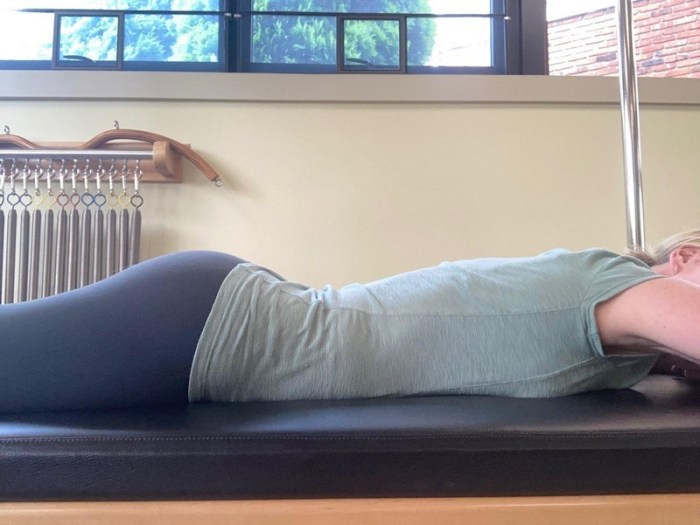
Lower back pain, especially when aggravated by lying down, can stem from a variety of underlying issues. A comprehensive diagnostic approach is crucial to pinpoint the specific cause and develop an effective treatment plan. This involves a meticulous evaluation of the patient’s symptoms, medical history, physical examination findings, and potentially, imaging studies.A thorough understanding of the potential causes, coupled with a structured diagnostic process, can lead to accurate diagnoses and appropriate management strategies.
This is particularly important for identifying any red flags that necessitate immediate medical intervention.
Physical Examination
A detailed physical examination is fundamental in diagnosing lower back pain when lying down. It involves assessing the patient’s posture, range of motion, and muscle strength in the lower back and surrounding areas. Palpation of the spine, sacroiliac joints, and surrounding soft tissues can reveal areas of tenderness, inflammation, or abnormalities. Specific tests, like checking for neurological deficits, are also vital in pinpointing the source of the pain.
A comprehensive physical examination provides valuable clues about the nature and severity of the pain, aiding in the diagnostic process.
Imaging Techniques
Imaging plays a significant role in evaluating lower back pain, particularly when lying down. Various imaging modalities are used, each with its own strengths and limitations.
- X-rays are often the initial imaging method used to evaluate the bony structures of the spine. They provide a good visualization of the vertebrae, identifying potential fractures, dislocations, or other bony abnormalities. X-rays are relatively inexpensive and readily available, making them a valuable tool for initial assessment. For instance, a compression fracture of a vertebra, often resulting from trauma or osteoporosis, can be detected on an X-ray.
- Magnetic Resonance Imaging (MRI) offers superior soft tissue visualization compared to X-rays. MRI scans are particularly useful for assessing the intervertebral discs, ligaments, muscles, and nerves. This is crucial in diagnosing conditions like herniated discs or spinal stenosis, which can cause radiating pain when lying down. An example would be a patient experiencing sciatica, where an MRI would reveal a herniated disc pressing on the sciatic nerve.
- Computed Tomography (CT) scans provide detailed cross-sectional images of the spine. CT scans are often used when there’s a suspicion of bony injury or complex spinal pathology. They are especially useful in cases where a fracture is suspected or when a more detailed view of the bony structures is required, such as with a complex spinal deformity. For example, a patient with a suspected spinal fracture from a fall would benefit from a CT scan.
Neurological Examinations
Neurological examinations are essential for assessing nerve function and identifying potential nerve impingement or damage. These tests involve evaluating reflexes, sensation, muscle strength, and coordination in the lower extremities. Any abnormalities in these areas can indicate nerve root involvement, which might be contributing to the pain experienced when lying down. For example, a patient with decreased sensation or weakness in the leg might indicate nerve root compression, requiring further investigation.
Differential Diagnoses, Lower back pain when lying down
Lower back pain when lying down can have various causes. Differential diagnoses include, but are not limited to, herniated discs, spinal stenosis, sacroiliac joint dysfunction, muscle strains, and facet joint syndrome. The specific diagnosis depends on the patient’s symptoms, medical history, and physical examination findings. It’s important to consider the possibility of conditions beyond the spine, like abdominal or pelvic issues, as well.
Red Flags
Certain symptoms warrant immediate medical attention. These “red flags” indicate potential serious underlying conditions, requiring prompt evaluation and treatment. Red flags include:
- Unexplained fever or chills
- Recent infection or illness
- Progressive neurological deficits (loss of bladder or bowel control, weakness, numbness in the extremities)
- Significant trauma or injury
- Persistent pain that is not relieved by rest
- Night sweats
- Weight loss
- Pain radiating down the leg, accompanied by weakness or numbness
Medical History Evaluation
Evaluating the patient’s medical history is crucial for a comprehensive understanding of the possible causes of the pain. This includes inquiring about previous injuries, surgeries, chronic conditions, and medications. Past diagnoses, lifestyle factors, and any family history of back problems should also be considered. Thorough documentation of the pain’s characteristics, including location, intensity, duration, and any aggravating or relieving factors, is essential for accurate diagnosis.
Management Strategies

Lower back pain, especially when lying down, can significantly impact daily life. Effective management involves a multifaceted approach targeting both the immediate pain and the underlying causes. This section delves into various conservative treatment options, including pain relief, physical therapy, lifestyle adjustments, and alternative therapies, empowering you to take control of your pain.Conservative treatments often provide relief and avoid invasive procedures.
Properly managed pain allows for the continuation of your daily routine and promotes healing.
Pain Relief Strategies
Effective pain management often involves a combination of strategies. Over-the-counter (OTC) pain relievers, such as ibuprofen or acetaminophen, can provide temporary relief. Prescription pain relievers, when necessary and prescribed by a doctor, might offer stronger pain control. However, they come with potential side effects. Careful consideration of individual needs and medical history is crucial when choosing a pain relief approach.
| Pain Reliever | Potential Side Effects | Dosage |
|---|---|---|
| Over-the-counter pain relievers (e.g., ibuprofen, acetaminophen) | Stomach upset, nausea, allergic reactions (rare). Follow recommended dosage instructions. | Follow dosage instructions on the packaging or as directed by a healthcare professional. |
| Prescription pain relievers (e.g., opioids) | Drowsiness, dizziness, constipation, potential for addiction. Follow doctor’s instructions carefully. | Follow doctor’s instructions carefully and never exceed prescribed dosage. |
Physical Therapy and Lifestyle Changes
Physical therapy plays a vital role in managing lower back pain. A qualified physical therapist can design a tailored program incorporating exercises, stretches, and manual therapy techniques to strengthen core muscles, improve flexibility, and restore proper posture. Addressing lifestyle factors, such as maintaining a healthy weight, improving posture, and avoiding prolonged periods of sitting or standing, is also crucial.
Alternative Therapies
Various alternative therapies may offer complementary pain relief for lower back pain. These include massage therapy, acupuncture, and spinal manipulation. However, it’s essential to consult with a healthcare professional before incorporating any alternative therapies into your treatment plan. They can assess their potential suitability for your specific condition.
Maintaining Proper Body Mechanics
Maintaining good posture and body mechanics is paramount in preventing and managing lower back pain. Avoiding awkward postures and lifting heavy objects improperly can significantly strain the lower back. Learning proper lifting techniques and incorporating regular posture exercises can help prevent future episodes.
Exercises and Stretches for Lower Back Pain
Specific exercises and stretches can strengthen core muscles, improve flexibility, and alleviate lower back pain. These exercises should be performed gradually and with proper form, to avoid exacerbating the pain. Gentle stretches, such as hamstring stretches, and exercises like pelvic tilts and bridges, can significantly improve back health and flexibility.
Daily Exercise Plan
A well-structured exercise plan can effectively manage lower back pain when lying down. The plan should be tailored to individual needs and abilities. The plan should incorporate low-impact exercises, focusing on core strength and flexibility.For example, start with 5-10 minutes of gentle stretching, including hamstring and quadriceps stretches, 2-3 times per week. Gradually increase the duration and frequency as tolerated.
Include pelvic tilts, bridges, and light abdominal exercises in your routine. It’s essential to listen to your body and stop if you feel any sharp pain. Consult with a healthcare professional or physical therapist for personalized guidance.
Wrap-Up
Lower back pain when lying down is a complex issue with diverse contributing factors. We’ve explored the physical conditions, lifestyle choices, and diagnostic considerations that can play a role. By understanding these interconnected elements, you can take proactive steps towards pain relief and improved well-being. Remember, proper diagnosis and personalized management strategies are key to addressing this issue effectively.
Consult with a healthcare professional for tailored advice and treatment plans.