
Lead poisoning signs symptoms and complications – Lead poisoning signs, symptoms, and complications are a serious concern, impacting both children and adults. This article delves into the various sources of lead exposure, highlighting the pathways through which lead enters the body. We’ll explore the distinct symptoms in children and adults, potential complications, and the crucial steps in diagnosis and treatment. Understanding the dangers of lead exposure is vital for safeguarding public health.
Lead exposure can originate from several sources, including paint, plumbing, and air pollution. The severity of exposure depends on the source and route of entry. Understanding the various exposure pathways is essential for prevention and early detection.
Introduction to Lead Poisoning
Lead poisoning, a serious health concern, occurs when excessive amounts of lead accumulate in the body. This accumulation can lead to a range of adverse effects, impacting various organ systems, especially the nervous system. Understanding the sources and routes of lead exposure is crucial for prevention and treatment.Lead poisoning is a preventable condition, and awareness of potential sources and exposure pathways is key to mitigating risk.
The insidious nature of lead, often hidden in seemingly innocuous environments, highlights the importance of proactive measures for protection.
Sources of Lead Exposure, Lead poisoning signs symptoms and complications
Lead exposure originates from diverse sources, both environmental and man-made. Understanding these sources is essential for implementing preventive strategies.
Routes of Lead Entry into the Body
Lead can enter the body through various pathways, each presenting a unique exposure risk. The most common routes include ingestion, inhalation, and absorption through the skin.
Lead poisoning can manifest in various ways, from subtle neurological issues to more severe complications. Understanding the signs and symptoms is crucial for early intervention. While not directly related, it’s worth considering how other substances, like caffeine, might impact our health. For example, learning about coffee’s effect on the kidneys can provide a broader context of overall well-being.
what is coffees effect on the kidneys Ultimately, recognizing lead poisoning’s potential long-term effects, from developmental delays to organ damage, is vital for proactive health management.
Lead Sources and Exposure Pathways
| Lead Source | Exposure Pathway | Description | Severity |
|---|---|---|---|
| Paint | Ingestion | Children often ingest lead-based paint chips or dust from old paint, particularly in older homes. | Moderate to Severe |
| Plumbing | Ingestion | Lead pipes in water systems can leach lead into drinking water. This is particularly a concern in older homes or buildings with lead service lines. | Low to Moderate |
| Air | Inhalation | Lead-containing dust and fumes from industrial sources like smelters and manufacturing plants, or from certain construction activities, can be inhaled. | High |
| Food and Water | Ingestion | Contaminated food or water, such as certain types of seafood or imported products, can be a source of lead exposure. | Variable |
| Certain Toys and Consumer Products | Ingestion and Inhalation | Some toys, especially older ones, or certain consumer products may contain lead. These can pose risks through ingestion (e.g., paint chips) or inhalation of dust. | Moderate |
Importance of Preventing Lead Exposure
Proactive measures are crucial for preventing lead exposure. Early detection and intervention are vital to mitigate potential health complications. Regular health screenings, particularly for vulnerable populations, can help identify and address lead exposure issues early on.
Signs and Symptoms of Lead Poisoning
Lead poisoning, a serious health concern, can manifest in various ways depending on the individual’s age and exposure level. Understanding the signs and symptoms is crucial for early detection and appropriate medical intervention. Early identification can prevent severe long-term health consequences.The signs and symptoms of lead poisoning often develop gradually, making them easily overlooked. It’s important to be aware of the potential warning signals, especially in children, who are more vulnerable to the damaging effects of lead.
Signs and Symptoms in Children
Lead poisoning in children can severely impact their developing brains and bodies. Early detection is crucial for intervention to mitigate potential lifelong consequences. Children may exhibit a range of symptoms that may not be immediately recognized as lead-related. These subtle signs and symptoms often mimic other common childhood illnesses, making diagnosis challenging.
- Developmental delays, including problems with language, motor skills, and cognitive functions, are common indicators. These delays can manifest as difficulty learning, problems with coordination, and difficulties with concentration.
- Loss of appetite, lethargy, and irritability can be observed. These symptoms, while not exclusive to lead poisoning, can be warning signs, particularly if accompanied by other symptoms.
- Behavioral changes, such as hyperactivity, aggression, and difficulty sleeping, may also be present. These changes can be mistaken for other behavioral issues.
- Abdominal pain, constipation, and headaches can occur. These symptoms might be attributed to other gastrointestinal issues.
- Anemia, characterized by fatigue and paleness, is a significant concern. Anemia, if not addressed, can further impair the child’s development and overall health.
Signs and Symptoms in Adults
Lead poisoning in adults, while less likely to cause significant developmental issues, can still lead to serious health complications. Early detection and treatment are vital to prevent further damage. Symptoms in adults may be more subtle and less easily linked to lead exposure.
Lead poisoning can manifest in various ways, from subtle behavioral changes to more severe neurological issues. Understanding the signs and symptoms, like developmental delays or abdominal pain, is crucial for early intervention. While not directly related, high LDL cholesterol levels can contribute to cardiovascular issues, a potential complication alongside lead poisoning. For a deeper dive into the specifics of LDL cholesterol, check out this helpful resource: what is ldl cholesterol.
Ultimately, recognizing the early indicators of lead poisoning remains vital for effective treatment and preventing long-term health problems.
- Adults may experience headaches, fatigue, and abdominal pain. These symptoms, while common to other illnesses, can be suggestive of lead poisoning if accompanied by other symptoms.
- Nerve damage, manifesting as numbness, tingling, or muscle weakness, can occur. These neurological symptoms can be easily missed if not carefully assessed.
- High blood pressure and kidney problems may develop. These symptoms can be indicative of other health issues, making lead poisoning a difficult condition to diagnose.
- Reduced mental function, including difficulty concentrating and memory problems, might also occur. These symptoms can be attributed to stress or other factors.
Comparing Symptoms in Children and Adults
The table below highlights the potential similarities and differences in symptoms between children and adults. This comparison underscores the importance of recognizing the diverse range of potential indicators.
| Symptom | Children | Adults | Severity |
|---|---|---|---|
| Developmental Delays | Present, often prominent | Absent or less noticeable | High |
| Loss of Appetite | Possible | Possible | Moderate |
| Abdominal Pain | Possible | Possible | Moderate |
| Nerve Damage | Less likely | Possible, more noticeable | High |
| Anemia | Possible | Possible | Moderate |
Subtle Signs and Mimicking Symptoms
Lead poisoning can present with subtle signs that may be overlooked, especially if the individual’s symptoms are mild. The symptoms may be so subtle that they mimic other, more common illnesses. It’s crucial to consider lead poisoning as a possible cause when faced with unexplained symptoms, particularly if exposure is suspected.
Lead poisoning can manifest in a variety of ways, from subtle fatigue to more severe neurological issues. Understanding the signs and symptoms is crucial for early intervention. While I’m not a doctor, I’ve been researching different digestive issues lately, and stumbled upon an interesting article exploring if Irritable Bowel Syndrome (IBS) can cause nausea. does ibs cause nausea The connection between the gut and overall health is fascinating, but it’s still important to remember that lead poisoning can cause severe complications, including brain damage and developmental problems in children.
Proper diagnosis and treatment are key to mitigating the harmful effects.
- Changes in behavior, such as irritability or hyperactivity, may be the first noticeable symptom. These changes can be subtle and easily attributed to other factors.
- A decline in school performance or difficulty concentrating can be an indicator, especially in children. These issues can be overlooked as simply part of the normal developmental process.
- Persistent headaches or fatigue can be mistaken for other conditions. The combination of several seemingly unrelated symptoms warrants further investigation.
Complications of Lead Poisoning
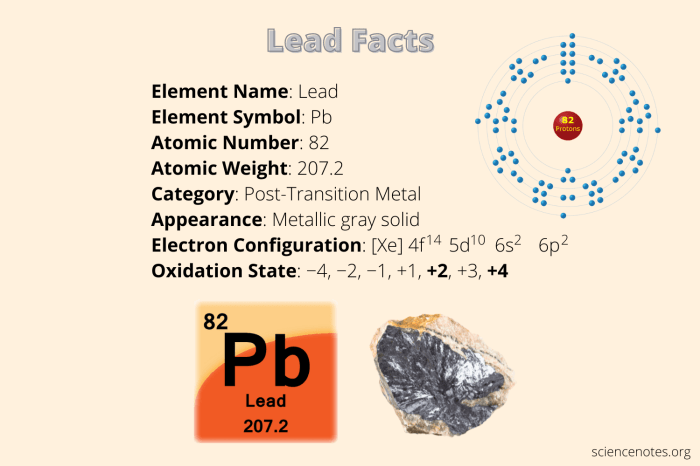
Lead poisoning, while often overlooked, can have severe and long-lasting consequences. The insidious nature of lead’s effects means that even seemingly low levels of exposure can cause significant harm, particularly in developing bodies. Understanding the potential complications is crucial for preventing and mitigating the damage this toxic metal can inflict.
Neurological Effects
Lead’s primary attack on the body often centers around the nervous system. The impact on the developing brain in children is particularly concerning. Exposure can lead to a range of neurological issues. These include problems with attention, learning, and memory. Lead exposure can also cause behavioral changes, including hyperactivity and aggression.
In severe cases, seizures and coma may result. Adults, while less vulnerable to developing the same profound neurological problems as children, can still experience deficits in cognitive function and motor skills.
Cardiovascular Effects
Lead poisoning can place a significant burden on the cardiovascular system. Studies have shown a correlation between lead exposure and increased blood pressure and a heightened risk of cardiovascular diseases. This may manifest in hypertension (high blood pressure), an increased risk of stroke, and, in some cases, heart failure. The exact mechanisms linking lead exposure to cardiovascular issues are still under investigation, but the evidence suggests a clear association.
Renal Effects
The kidneys, vital for filtering waste products from the blood, are also susceptible to lead’s damaging effects. Chronic lead exposure can result in kidney damage, characterized by decreased kidney function and an increased risk of kidney failure. Lead’s interference with the proper functioning of kidney cells leads to a cascade of potential complications. This can range from chronic kidney disease to the need for dialysis or transplantation in severe cases.
Impact on Pregnancy
Lead’s toxic effects are not confined to the individual; they can also affect the developing fetus. Maternal lead exposure during pregnancy can have detrimental consequences for the child’s development. This includes potential learning disabilities, behavioral problems, and reduced intelligence. Even relatively low levels of lead in the mother’s system can negatively impact the fetus. In such cases, interventions are crucial to minimize long-term health consequences.
Severity of Complications in Children vs. Adults
Children are particularly vulnerable to lead’s harmful effects due to their developing nervous systems. A child’s brain and nervous system are more susceptible to damage from lead than those of an adult. This makes even low-level exposure more damaging for children. While adults can experience adverse effects, the severity and extent of the consequences are generally less pronounced.
Children often exhibit developmental delays, while adults might experience more subtle cognitive impairments. Furthermore, the long-term effects of lead exposure can accumulate over a lifetime, potentially leading to a variety of health problems in adulthood, even if exposure occurred during childhood.
Diagnosis of Lead Poisoning
Lead poisoning, a serious health concern, necessitates accurate and timely diagnosis. Early detection allows for prompt intervention and treatment, mitigating potential long-term complications. This crucial step involves a combination of methods, from blood tests to evaluating medical history and physical symptoms.The diagnosis of lead poisoning hinges on identifying elevated lead levels in the body. Understanding the various methods used to detect lead and the significance of blood lead levels is essential in pinpointing the condition.
A thorough evaluation considers a patient’s medical history, current symptoms, and physical examination findings to build a complete picture of potential lead exposure.
Blood Lead Levels: The Cornerstone of Diagnosis
Blood lead levels are the cornerstone of diagnosing lead poisoning. Elevated levels indicate potential exposure and the severity of the condition. A single elevated reading isn’t conclusive, but it prompts further investigation. The critical aspect is understanding the context within which these levels appear, which is why a full medical history and physical examination are vital.
Methods of Lead Testing
Accurate lead testing is paramount for diagnosis. Various methods are available, each with varying degrees of accuracy and practicality. The most common and reliable method is a blood lead test.
| Method | Description | Accuracy |
|---|---|---|
| Blood Lead Test | Measures lead levels in the blood, a direct measure of lead exposure and absorption. This method is crucial for establishing a baseline level and tracking changes in response to treatment. | High; considered the gold standard for lead poisoning diagnosis. |
Medical History and Physical Examination
A comprehensive medical history is crucial in diagnosing lead poisoning. Information regarding potential sources of lead exposure, such as occupational hazards, hobbies, or environmental factors, helps establish a probable exposure timeline and source. A thorough physical examination complements the blood test, assessing for any associated symptoms, such as neurological deficits or developmental delays in children. The examination may reveal signs of lead-related damage, providing additional evidence for diagnosis.
This combined approach allows for a more complete picture of the patient’s condition, increasing the likelihood of a correct diagnosis.
Treatment of Lead Poisoning: Lead Poisoning Signs Symptoms And Complications
Lead poisoning, a serious health concern, requires prompt and comprehensive treatment. The primary goal of treatment is to remove lead from the body and address any resulting complications. Effective management involves a combination of strategies, including chelation therapy and supportive care. Early intervention significantly improves the chances of a positive outcome.The treatment approach for lead poisoning varies depending on the severity of the exposure and the patient’s overall health.
Crucially, the treatment plan should be individualized to address the specific needs of each patient. Medical professionals meticulously assess the patient’s condition and tailor the treatment to ensure optimal results.
Primary Treatment Options
Various approaches are employed to remove lead from the body and manage the associated health problems. These methods aim to minimize the harmful effects of lead on the body’s systems. The most effective methods are discussed below.
- Chelation therapy is a crucial component of lead poisoning treatment.
- Supportive care is essential for managing complications and symptoms.
Chelation Therapy
Chelation therapy is a vital treatment method in lead poisoning cases. It involves administering chelating agents, substances that bind to lead in the body, enabling its removal through urine. These agents, such as EDTA, DMPS, or succimer, are meticulously chosen based on factors like the patient’s age, health status, and the extent of lead exposure. It is crucial to recognize that chelation therapy is not a cure-all and should be used cautiously.
The effectiveness and safety of chelation therapy are subject to careful evaluation and monitoring.
“Chelation therapy helps remove lead from the body, but it’s not a one-size-fits-all solution.”
Importance of Supportive Care
Supportive care is just as crucial as chelation therapy in the treatment process. It encompasses a range of measures aimed at managing the symptoms and complications arising from lead poisoning. These measures ensure the patient’s overall well-being during the treatment period.
- Hydration: Maintaining adequate fluid intake is critical to support kidney function, as lead excretion often occurs through urine. Dehydration can exacerbate complications, so sufficient water intake is vital.
- Nutritional support: A balanced diet is essential to aid the body’s recovery process. Proper nutrition helps to replenish essential nutrients lost due to lead toxicity and its effects on the body.
- Symptom management: Symptoms like abdominal pain, headaches, or neurological issues are managed with appropriate medications and therapies. Carefully tailored pain relief and symptom management plans are crucial.
- Monitoring and follow-up: Regular blood tests and medical evaluations are vital to track the lead levels and monitor for any adverse reactions to treatment. Monitoring also helps to assess the effectiveness of the therapy.
Prevention of Lead Poisoning

Lead poisoning, a serious health threat, is largely preventable. Understanding the sources of lead exposure and implementing preventive measures are crucial for protecting individuals, particularly children, from its harmful effects. This proactive approach involves a combination of individual actions and public health initiatives to create safer environments and reduce the risk of lead exposure.
Lead-Safe Housing Practices
Proper remediation of lead-based paint is paramount in preventing lead poisoning. This includes safely removing or covering lead-based paint in homes built before 1978. Such practices are essential to mitigate the risk of lead dust inhalation or ingestion. These interventions are not just about preventing immediate harm; they also aim to create lasting protection for families and future generations.
Professional lead abatement contractors, with the appropriate certifications and training, are crucial for safe and effective remediation. Their expertise ensures that the removal and containment of lead-based paint are conducted following established safety protocols, minimizing the risk of exposure.
Public Health Initiatives
Public health initiatives play a critical role in preventing lead poisoning. These initiatives focus on educating the public about lead hazards and the importance of prevention. They also involve providing resources and support to families and communities at risk. These initiatives can include awareness campaigns, community outreach programs, and partnerships with local organizations. A comprehensive approach is necessary to ensure that vulnerable populations receive the necessary information and support to protect themselves from lead exposure.
Preventive Measures and Their Effectiveness
| Preventive Measure | Description | Effectiveness |
|---|---|---|
| Lead-Safe Housing Practices | Proper remediation of lead-based paint, including safely removing or covering lead-based paint in homes built before 1978, and using proper containment and disposal methods. This often involves the use of specialized equipment and techniques. | High. Proper remediation significantly reduces the risk of lead exposure. |
| Child-specific Lead Screening Programs | Targeted screenings for children at risk of lead exposure, such as those living in older housing or with environmental exposures. | Moderate. Early detection and intervention are crucial in minimizing the impact of lead poisoning. |
| Public Awareness Campaigns | Raising public awareness about the dangers of lead poisoning and the sources of lead exposure. These campaigns emphasize the importance of preventive measures and the availability of resources. | Moderate to High. Educating the public is essential to encourage proactive measures in preventing lead poisoning. |
| Lead-free Paint Regulations | Government regulations mandating the use of lead-free paint in new construction and renovations. | High. By phasing out lead in paint production, regulations help to eliminate a significant source of lead exposure. |
Importance of Lead-Free Housing
“Lead-free housing is a crucial component of a comprehensive approach to preventing lead poisoning. By ensuring that new homes and renovations are lead-free, communities can significantly reduce the risk of exposure.”
Lead-free housing standards, when implemented correctly, drastically minimize the risk of lead-based paint exposure in new homes.
Closing Summary
In conclusion, lead poisoning presents a multifaceted health concern with diverse symptoms and potential complications. Early detection and treatment are crucial for mitigating the adverse effects of lead exposure. Prevention, through public health initiatives and safe housing practices, is paramount. By understanding the risks, symptoms, and treatment options, we can work towards eliminating the dangers of lead poisoning.