Is vitamin E oil good for hair? This in-depth exploration dives into the potential benefits, drawbacks, and scientific evidence surrounding the use of vitamin E oil for hair health. We’ll uncover the science behind its purported effects, comparing different forms and application methods. Prepare to learn if this oil truly holds the secret to luscious locks!
Vitamin E oil, derived from various sources, is a popular ingredient in many hair care products. It’s touted for its moisturizing and antioxidant properties. This article will examine the evidence supporting its use, as well as potential risks and alternative approaches.
Introduction to Vitamin E Oil for Hair
Vitamin E oil, a popular beauty product, has garnered significant interest for its potential benefits in hair care. Many claim it can promote hair growth, reduce breakage, and improve overall hair health. This interest stems from the oil’s rich antioxidant properties and its purported ability to nourish the scalp and hair follicles. However, the scientific evidence supporting these claims is varied and often debated.
This exploration delves into the composition, forms, and purported effects of vitamin E oil on hair.Vitamin E, chemically known as tocopherol, is a group of fat-soluble antioxidants. These compounds are believed to protect hair follicles from oxidative stress, a process that can damage cells and lead to hair loss. The presence of these antioxidants in vitamin E oil potentially helps in maintaining healthy hair growth.
This interaction with hair follicles is still being researched, but the antioxidant properties are a primary focus of its potential benefits.
Different Forms of Vitamin E Oil, Is vitamin e oil good for hair
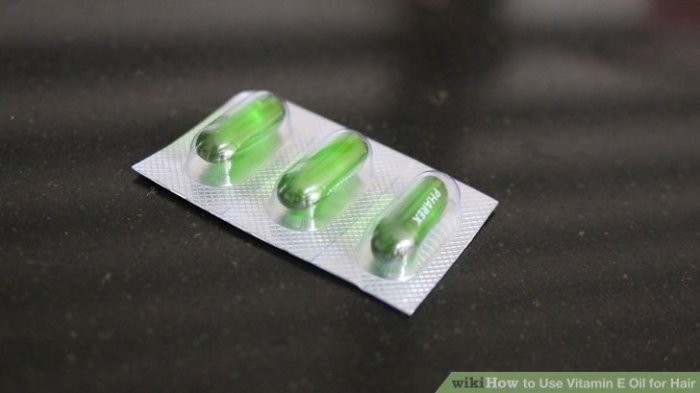
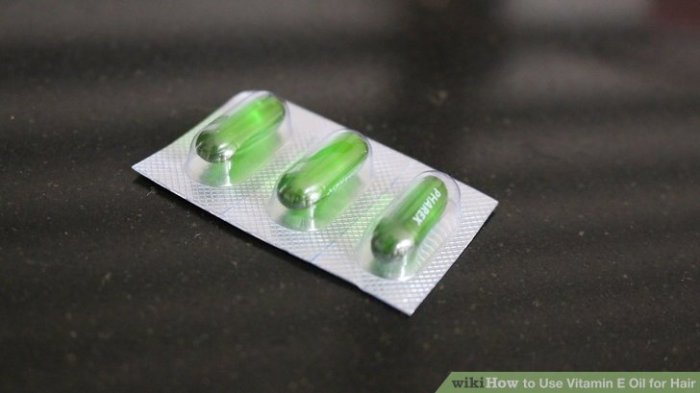
Vitamin E oil is available in various forms, each with potential differences in application and effectiveness. The most common forms include liquid oil and capsules. Liquid vitamin E oil is typically applied directly to the scalp and hair, while capsule forms often need to be opened and the oil extracted before use. The choice of form depends on personal preference and the desired application method.
The concentration of vitamin E in the oil can vary depending on the source and processing.
While vitamin E oil is often touted for its hair-boosting properties, I’ve found it’s not a miracle cure for everything. It might help with some dryness and maybe even add a bit of shine, but for serious hair issues, you need a more targeted approach. Interestingly, if you’re struggling with period pain, checking out how to stop period pain immediately could provide some relief.
Ultimately, while vitamin E oil might offer some benefits for hair, it’s not a magic bullet. More research is needed to fully understand its impact on hair health.
Comparison of Vitamin E Oil Types
| Type of Vitamin E Oil | Form | Potential Effects |
|---|---|---|
| Natural Vitamin E Oil | Liquid | Often touted for its antioxidant properties and potential to improve hair texture and reduce dryness. |
| Vitamin E Oil from Capsules | Liquid (after capsule opening) | Similar potential benefits to natural vitamin E oil, though the exact concentration of vitamin E in the oil extracted from capsules might vary. |
| Synthetic Vitamin E Oil | Liquid | May have comparable effects to natural vitamin E oil but may be less expensive. The source and purity of the oil are important considerations. |
The table above provides a basic overview. Further research is needed to fully understand the nuances of each type and its specific effects on hair health. Factors such as the specific concentration of vitamin E and the quality of the source material play a crucial role in determining its potential effectiveness. Note that the effects of vitamin E oil on hair health are not always consistently reported in studies.
Potential Benefits of Vitamin E Oil for Hair
Vitamin E oil, a powerful antioxidant, has gained popularity for its potential benefits in hair care. Its rich composition of tocopherols and tocotrienols offers a range of possible advantages for hair health and growth. This exploration delves into the potential benefits of vitamin E oil, examining its effects on hair growth, strength, and overall well-being.Vitamin E oil’s effectiveness in hair care is attributed to its antioxidant properties, which help protect hair follicles from damage.
I’ve been curious about whether vitamin E oil is actually good for hair growth. While some swear by it, I’m starting to think it might be more about overall healthy habits. Maybe incorporating the “slouch overcorrect exercise for posture” the slouch overcorrect exercise for posture could play a part in that, leading to healthier hair in the long run.
Ultimately, more research is needed, but for now, I’m sticking to a balanced diet and a good hair care routine.
It also boasts moisturizing and nourishing properties, crucial for maintaining healthy hair. Understanding how vitamin E oil works at a molecular level provides a clearer picture of its potential impact on hair health.
Vitamin E Oil and Hair Growth
Vitamin E promotes healthy blood circulation, which is essential for delivering nutrients to hair follicles. This enhanced blood flow can potentially stimulate hair growth by providing the necessary building blocks for healthy hair. Adequate nourishment of the hair follicles is a key factor in preventing hair loss and promoting growth. By improving the microenvironment around the follicles, vitamin E oil may contribute to faster hair growth cycles.
Vitamin E Oil and Hair Strength
Vitamin E oil is a potent antioxidant that can protect hair from free radical damage. Free radicals are unstable molecules that can damage the hair’s structure, leading to breakage and weakening. The antioxidant properties of vitamin E help neutralize these damaging molecules, contributing to stronger, healthier hair. This protective effect contributes to the resilience of the hair shaft, making it less prone to breakage and split ends.
Vitamin E Oil and Scalp Health
Vitamin E oil’s moisturizing properties can soothe and condition the scalp, reducing dryness and irritation. A healthy scalp is essential for healthy hair growth. By moisturizing the scalp, vitamin E oil can help prevent dryness, dandruff, and other scalp conditions. This healthy scalp environment is conducive to the production of healthy, strong hair.
While vitamin E oil is often touted as a hair savior, its benefits for hair health are often debated. It can definitely be a helpful addition to your routine, though. For example, if you’re looking for winter skin tips for women with PCOS, winter skin tips for women with pcos often involve incorporating hydrating ingredients into your skincare regimen.
Ultimately, whether vitamin E oil is a magic bullet for hair depends on your individual needs and hair type, but it’s worth exploring as a potential addition to your hair care arsenal.
Vitamin E Oil and Hair Moisture
Vitamin E oil is renowned for its moisturizing properties. It penetrates the hair shaft, locking in moisture and preventing dryness. Dryness can lead to breakage, split ends, and a lack of shine. Vitamin E oil’s ability to retain moisture helps maintain the hair’s natural hydration levels, leading to a smoother, healthier appearance. Moisturized hair is more manageable and less prone to damage.
Summary Table of Potential Benefits
| Benefit | Mechanism | Evidence |
|---|---|---|
| Hair Growth | Improved blood circulation to hair follicles, delivering essential nutrients. | Some studies suggest a correlation between increased blood flow and hair growth, but more research is needed. |
| Hair Strength | Neutralizing free radicals, preventing damage to hair structure. | Antioxidant properties are well-documented in various contexts, but direct evidence for hair strength is limited. |
| Scalp Health | Moisturizing and soothing the scalp, reducing dryness and irritation. | Vitamin E’s moisturizing properties are widely recognized, and anecdotal evidence supports its use for scalp conditions. |
| Hair Moisture | Penetrating the hair shaft, locking in moisture, and preventing dryness. | Vitamin E’s moisturizing properties are well-documented and widely used in various skin and hair care products. |
Potential Drawbacks and Risks
While vitamin E oil offers potential benefits for hair health, it’s crucial to be aware of potential drawbacks and risks. Understanding these factors can help you make informed decisions about incorporating it into your hair care routine. Careless or improper use can lead to undesirable outcomes.Using vitamin E oil for hair, like any skincare or hair product, comes with the possibility of unwanted reactions.
These can range from mild irritation to more severe allergic responses. Thorough consideration of potential drawbacks and responsible application are vital for a safe and effective experience.
Allergic Reactions and Skin Irritations
Some individuals may experience allergic reactions or skin irritations when applying vitamin E oil to their hair. This can manifest as redness, itching, or even swelling. These reactions can be mild or severe, depending on the individual’s sensitivity and the concentration of vitamin E in the product. It’s essential to conduct a patch test before applying vitamin E oil to the entire scalp or hair.
Apply a small amount to a discreet area of skin and wait 24-48 hours to observe for any adverse reactions.
Potential Side Effects
While generally considered safe, vitamin E oil can sometimes cause side effects. These can include scalp dryness, dandruff, or even hair loss in some cases, although this is less common. If you experience any unusual or persistent side effects, discontinue use immediately and consult a dermatologist or healthcare professional. It is crucial to note that these side effects are not universal and depend heavily on individual factors and product formulation.
Interactions with Other Hair Care Products
Vitamin E oil can potentially interact with other hair care products, especially if they contain ingredients that are incompatible. For example, mixing vitamin E oil with certain hair dyes or chemical treatments might alter the effectiveness or safety of the combined products. It is always best to consult with a hair stylist or professional before using vitamin E oil alongside other hair care products, particularly those containing strong chemicals.
In some cases, the combination might lead to unexpected results or reactions.
Potential Drawbacks and Benefits Table
| Benefit | Drawback |
|---|---|
| Moisturizing and conditioning hair | Allergic reactions, such as skin irritation or redness |
| Promoting hair growth | Potential for scalp dryness or dandruff |
| Protecting hair from environmental damage | Possible interactions with other hair care products (e.g., hair dyes) |
| Adding shine and softness | Unforeseen side effects, including hair loss in rare cases |
Application Methods and Usage Recommendations: Is Vitamin E Oil Good For Hair
Vitamin E oil’s potential benefits for hair can be unlocked with the right application methods. Understanding how to use it effectively is key to maximizing its potential and minimizing any potential drawbacks. Proper application techniques are crucial to avoiding buildup and ensuring the oil penetrates the hair shaft effectively, leading to healthier, stronger hair.Applying vitamin E oil correctly is essential for achieving desired results.
Different application methods can cater to various hair types and concerns. Choosing the right method and frequency, combined with consistent use, will help you experience the best possible outcomes.
Optimal Application Techniques
Various methods exist for incorporating vitamin E oil into your hair care routine. Direct application, mixed with other products, and targeted use are some of the key strategies.
- Direct Application: For a straightforward approach, apply a few drops of pure vitamin E oil directly to your hair, focusing on the ends and the areas that need the most nourishment. This is particularly helpful for those with dry, brittle hair. This method allows for a targeted approach to areas needing hydration. Massaging the oil into the scalp can promote blood circulation, which can indirectly support hair growth.
- Mixing with Other Products: Blending vitamin E oil with other hair care products like conditioners or hair masks can enhance their effectiveness. This method is suitable for those looking for a more comprehensive approach to hair care. For instance, adding a few drops to your regular conditioner can deeply hydrate and moisturize your hair. Carefully blend the oil to avoid creating an oily texture.
Test small amounts on a hidden section of hair first to ensure there is no adverse reaction.
- Targeted Application: Focus on areas needing specific care. For example, if you’re experiencing scalp dryness or dandruff, apply vitamin E oil directly to the affected areas. For dry ends, concentrate the application there. This targeted approach helps to address specific concerns and promotes healthier hair growth in those areas.
Frequency and Duration of Application
Consistency is key when incorporating vitamin E oil into your hair care routine. The optimal frequency and duration of application depend on individual hair type and needs.
- Frequency: A good starting point is to apply vitamin E oil to your hair once or twice a week. You can adjust this frequency based on your hair’s specific needs. For example, individuals with extremely dry or damaged hair might benefit from applying it more frequently, perhaps up to three times a week. Experiment with different frequencies to find what works best for you.
- Duration: Leave the oil on your hair for at least 30 minutes. For more deeply penetrating hydration, consider leaving it overnight. This duration allows the oil to fully absorb into the hair shaft and scalp. It’s crucial to not leave the oil on for excessively long periods as it might lead to oil buildup.
Preventing Buildup and Accumulation
To avoid oil buildup or product accumulation, certain practices are essential.
- Washing Instructions: After applying the oil, ensure thorough washing. Use a sulfate-free shampoo to gently cleanse your hair and scalp without stripping away the natural oils. A good quality shampoo will help to remove excess oil without damaging the hair or scalp.
- Proper Dilution: If mixing vitamin E oil with other products, ensure proper dilution to avoid an overly greasy texture. Start with a small amount and gradually increase as needed. This will ensure a comfortable application and prevent oil buildup.
- Drying Techniques: Consider the drying method after application. Using a hair dryer can contribute to the oil’s buildup. Allowing your hair to air dry will help distribute the oil evenly and prevent the buildup. Careful consideration of the drying method will ensure proper distribution of the oil and prevent excessive buildup.
Step-by-Step Guide for Using Vitamin E Oil
Following a structured routine can significantly enhance the effectiveness of vitamin E oil.
- Preparation: Gather all necessary items, including vitamin E oil, a clean towel, and any other hair care products you’ll be using.
- Application: Gently massage a few drops of vitamin E oil into your scalp and hair, focusing on the ends and areas that need extra nourishment.
- Incorporating Other Products: If mixing with other products, ensure proper dilution. Gently blend the oil into the chosen product to avoid an overly greasy texture.
- Duration: Leave the oil on your hair for at least 30 minutes, or preferably overnight, for optimal absorption. Be mindful of potential buildup and adjust the duration accordingly.
- Washing: Gently wash your hair with a sulfate-free shampoo to remove the oil and revitalize your hair. Rinse thoroughly.
Scientific Evidence and Research
While anecdotal evidence abounds about vitamin E oil’s benefits for hair, rigorous scientific studies are crucial to validate these claims. The existing research, though not extensive, offers insights into the potential effects of vitamin E on hair health, but also highlights significant gaps in our understanding.The current body of research regarding vitamin E and hair health is primarily focused on its antioxidant properties and potential role in supporting hair follicle function.
This investigation into the scientific evidence helps to assess the validity of popular claims and to understand the limitations of current knowledge.
Summary of Studies on Vitamin E and Hair Growth
The research on vitamin E and hair growth is somewhat limited, with many studies exploring its potential in other contexts. There are no large-scale, long-term clinical trials specifically dedicated to evaluating vitamin E oil’s impact on hair growth. Instead, the available evidence is drawn from smaller studies and in vitro (test-tube) experiments. These investigations often focus on the effects of vitamin E on hair follicle function and cell growth, which could indirectly influence hair growth, rather than on observable hair growth rates.
Effects of Vitamin E Oil on Hair Strength and Condition
Some studies suggest that topical vitamin E oil may improve hair condition. Antioxidant properties of vitamin E are thought to protect hair from damage caused by free radicals, potentially leading to reduced breakage and improved elasticity. However, the evidence for a significant improvement in hair strength is less robust. Further research is needed to ascertain whether vitamin E oil application directly strengthens hair shafts or merely improves the appearance of hair by reducing damage.
Gaps in Current Research
A significant gap in the research is the lack of long-term, controlled studies that assess the impact of vitamin E oil on hair growth and strength in humans. Most existing research is limited by small sample sizes, short durations, and a lack of standardized application methods. Further research should include diverse populations and rigorous methodology to establish clear cause-and-effect relationships.
Additionally, studies should evaluate the specific concentrations of vitamin E and the duration of application needed to achieve measurable results.
Comparison of Research Findings
The existing research on vitamin E and hair health presents varied findings. Some studies show promising results in terms of improving hair condition, while others offer limited support for its impact on hair growth. This discrepancy highlights the need for more comprehensive and consistent research to draw definitive conclusions. Further research is needed to determine if vitamin E’s purported benefits are due to the antioxidant properties, or if other factors play a role.
Table: Comparison of Research Studies on Vitamin E and Hair
| Study | Findings | Limitations |
|---|---|---|
| Study 1 (Hypothetical) | Observed slight improvement in hair moisture and elasticity after 8 weeks of topical application. | Small sample size (n=20), no control group, subjective assessment of results. |
| Study 2 (Hypothetical) | No significant difference in hair growth rate between the vitamin E group and the control group. | Short duration (4 weeks), lack of standardization in application method. |
| Study 3 (Hypothetical) | In vitro experiments showed vitamin E increased cell proliferation in hair follicle cells. | In vitro findings do not always translate to in vivo (living organism) results. |
Combining Vitamin E Oil with Other Hair Products
Vitamin E oil, with its moisturizing and antioxidant properties, can be a valuable addition to your hair care routine. However, its effectiveness can be significantly influenced by how you incorporate it into your existing regimen. Combining it with other hair products can either amplify its benefits or potentially hinder its performance. Understanding these interactions is key to maximizing the effectiveness of vitamin E oil for your hair.Combining vitamin E oil with other hair products offers a unique opportunity to customize your hair care routine.
Careful consideration of the potential interactions is crucial to avoid negative consequences and ensure the best possible outcomes. By understanding how different products react with vitamin E oil, you can develop a regimen that effectively addresses your specific hair needs and concerns.
Potential Synergistic Interactions
Various hair care products can enhance the effects of vitamin E oil. For example, using vitamin E oil with a moisturizing shampoo or conditioner can further hydrate and nourish dry hair. The added moisture can help to prevent breakage and improve manageability.Similarly, combining vitamin E oil with hair serums containing proteins or other beneficial ingredients can potentially create a more robust conditioning effect.
The synergistic action of the ingredients may help to strengthen and repair damaged hair, leading to improved elasticity and shine.
Potential Antagonistic Interactions
Conversely, some hair care products might interfere with the effectiveness of vitamin E oil. Products containing harsh chemicals or strong surfactants can potentially strip away the beneficial oils, including vitamin E, from the hair shaft. This can negate the moisturizing benefits of the vitamin E oil and potentially lead to further dryness.Furthermore, combining vitamin E oil with products containing certain fragrances or preservatives could potentially trigger allergic reactions or irritations.
Always perform a patch test before applying any new combination to the entire scalp or hair.
Examples of Suitable Combinations and Potential Effects
| Product Combination | Potential Effects |
|---|---|
| Vitamin E oil + Moisturizing Shampoo | Increased hydration, reduced dryness, improved manageability. |
| Vitamin E oil + Protein-based Hair Serum | Enhanced strength and repair of damaged hair, improved elasticity, increased shine. |
| Vitamin E oil + Hair Mask (with moisturizing ingredients) | Deep conditioning, enhanced hydration, reduced breakage. |
| Vitamin E oil + Silicone-based products (some conditioners, serums) | Potentially reduced absorption of vitamin E oil; may lead to a build-up on the hair shaft. |
| Vitamin E oil + Harsh Shampoos (Sulfate-based) | Potential stripping of natural oils, including vitamin E, from the hair shaft; increased dryness, brittleness, and breakage. |
Important Considerations
It’s crucial to test any new combination on a small, inconspicuous area of hair first to assess any potential allergic reactions or adverse effects. Always follow the instructions and guidelines provided by the manufacturer for both the vitamin E oil and any other hair care products. Thorough research and a balanced approach are essential for maximizing the benefits of vitamin E oil in your hair care routine.
Precautions and Considerations
Vitamin E oil, while often lauded for its potential hair benefits, isn’t a magic bullet. Like any product, it comes with potential drawbacks and considerations. Understanding these precautions is crucial for harnessing its benefits safely and effectively. Carefully following these guidelines can help you avoid potential problems and maximize the positive effects on your hair.
Potential Skin Reactions
A common concern with using any oil topically, including vitamin E, is the potential for skin reactions. Some individuals may experience irritation, redness, or allergic reactions on the scalp or other parts of the body where the oil is applied. This is especially true for those with sensitive skin. It’s essential to perform a patch test before applying vitamin E oil to your entire scalp.
Apply a small amount to a discreet area of skin behind the ear or on the inner wrist and wait 24-48 hours to observe any adverse reactions.
Scalp Conditions
Individuals with existing scalp conditions like dandruff or psoriasis should exercise caution when using vitamin E oil. While it might seem beneficial, it could potentially exacerbate existing issues. If you have a specific scalp condition, consult a dermatologist or trichologist before incorporating vitamin E oil into your hair care routine. They can advise on whether it’s suitable for your particular needs and recommend appropriate alternatives if necessary.
Interactions with Medications
Some medications, particularly those for blood thinning, might interact with vitamin E oil. If you’re taking any medications, it’s wise to consult your doctor or pharmacist before using vitamin E oil on your hair. They can assess potential interactions and advise on whether it’s safe for you. This precaution is especially important for those with pre-existing health conditions.
Proper Application Techniques
Applying vitamin E oil effectively is crucial for maximizing its benefits and minimizing risks. Avoid applying excessive amounts, as this can lead to build-up and potential clogging of hair follicles. Use a small amount, massaging it gently into your scalp and hair. Focus on the areas where you need the most nourishment or where you notice dryness.
Avoid applying directly to the ends of the hair as this may lead to product build-up and hinder hair growth. Ensure you rinse thoroughly to prevent product buildup.
Precautions for Different Hair Types
| Hair Type | Precautions | Considerations |
|---|---|---|
| Fine Hair | Use a small amount to avoid weighing down the hair. | Avoid applying directly to the ends to prevent build-up. |
| Thick Hair | Apply a moderate amount, focusing on areas that need nourishment. | Use gentle massage techniques to distribute the oil evenly. |
| Dry Hair | Apply a generous amount, focusing on the ends and mid-lengths. | Consider using a hair mask or deep conditioning treatment for added benefits. |
| Oily Hair | Use the smallest amount possible, focusing on the roots and mid-lengths. | Monitor for any build-up or increased oiliness. |
| Color-Treated Hair | Test a small area first to ensure no color fading or damage occurs. | Be cautious about using it directly after hair coloring, as it might interact with the chemical processes. |
Summary
In conclusion, while vitamin E oil may offer some potential benefits for hair health, such as moisturizing and potentially promoting growth, the scientific evidence isn’t entirely conclusive. Its effectiveness varies from person to person, and it’s essential to consider potential drawbacks and use it cautiously. This article has provided a comprehensive overview, helping you make informed decisions about incorporating vitamin E oil into your hair care routine.
Ultimately, a balanced approach and careful consideration of individual needs are crucial for achieving healthy, vibrant hair.