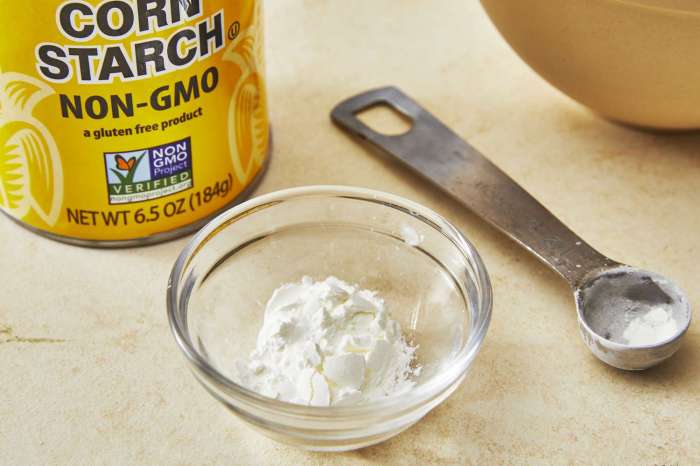
Is corn starch bad for you? This question sparks curiosity about a common food additive. Corn starch, a ubiquitous thickener and stabilizer, is found in countless processed foods. However, its impact on our health is complex, and understanding its nutritional profile and potential effects is crucial.
This exploration delves into the health implications of corn starch, examining its nutritional composition, impact on blood sugar, digestive effects, and role in processed foods. We’ll also compare it to other starches, explore its use in various food types, and uncover potential benefits, such as its role in gluten-free products. Finally, we’ll look at alternatives and scientific research to provide a well-rounded perspective.
Health Implications of Corn Starch
Corn starch, a ubiquitous ingredient in processed foods, is a refined carbohydrate derived from corn. While it’s a convenient thickener and stabilizer, understanding its nutritional profile and potential health effects is crucial for informed dietary choices. This exploration delves into the nutritional composition, potential impacts on blood sugar, digestive health, and the role of corn starch in processed foods.Corn starch is primarily composed of carbohydrates, with minimal amounts of other nutrients.
This lack of essential vitamins, minerals, and fiber means it offers little in terms of nutritional value beyond its caloric contribution. Its high carbohydrate content, mostly in the form of easily digestible starches, can have significant effects on blood sugar levels.
Nutritional Composition and Carbohydrate Content
Corn starch is a simple carbohydrate, consisting primarily of amylopectin and amylose. This simple structure makes it easily digestible, leading to a rapid increase in blood glucose levels. Crucially, it lacks essential vitamins, minerals, and dietary fiber, making it a low-nutrient, high-calorie food source.
Impact on Blood Sugar and Insulin Response
The rapid digestion and absorption of corn starch’s carbohydrates can lead to significant spikes in blood sugar levels. This, in turn, triggers a rapid release of insulin, the hormone responsible for regulating blood sugar. Frequent consumption of foods high in corn starch can contribute to insulin resistance over time, potentially increasing the risk of developing type 2 diabetes.
Sustained high blood sugar levels are linked to numerous health complications.
While corn starch itself isn’t inherently harmful, it’s important to consider how it’s used and the potential impact on your overall health. Just like understanding how long periods of sadness can persist, it’s crucial to look at the bigger picture. For example, if you’re experiencing consistent feelings of low mood or sadness, it’s essential to seek professional help to determine the underlying cause.
If you’re curious about how long does depression last, you can find valuable information on that here. Ultimately, moderation and mindful consumption are key, especially if you’re concerned about the potential effects of corn starch on your well-being.
Glycemic Index Comparison, Is corn starch bad for you
The glycemic index (GI) measures how quickly a carbohydrate raises blood sugar. Corn starch has a relatively high GI compared to other carbohydrates. This means that consuming corn starch is likely to result in a faster and greater rise in blood sugar levels compared to foods with a lower GI, like whole grains. This rapid increase can affect blood sugar regulation.
Potential Digestive Issues
For some individuals, consuming large amounts of corn starch can lead to digestive discomfort, such as bloating and gas. This is due to the complex nature of starch digestion, which can vary from person to person. The presence of undigested carbohydrates can ferment in the gut, producing gas and discomfort.
Role in Processed Foods and Calorie Intake
Corn starch is a common additive in processed foods, acting as a thickener, stabilizer, and filler. Its high caloric density, combined with its presence in many processed foods, can contribute to overall calorie intake and potentially lead to weight gain if not balanced with a healthy diet and adequate exercise. It often replaces other ingredients that offer more nutritional value.
Nutritional Value Comparison
| Nutrient | Corn Starch | Potato Starch | Tapioca Starch |
|---|---|---|---|
| Carbohydrates | High | High | High |
| Protein | Trace | Trace | Trace |
| Fiber | Low | Low | Low |
| Vitamins | Minimal | Minimal | Minimal |
| Minerals | Minimal | Minimal | Minimal |
Health Risks Associated with Corn Starch Consumption
| Consumption Level | Potential Health Risks |
|---|---|
| High, Frequent Consumption | Increased risk of blood sugar fluctuations, insulin resistance, and potential type 2 diabetes development. Increased risk of weight gain. Potential digestive issues like bloating and gas. |
| Moderate Consumption | Potentially less significant impact on blood sugar compared to high consumption. May still contribute to digestive issues for some individuals. |
| Low Consumption | Minimal impact on blood sugar and overall health if part of a balanced diet. |
Corn Starch in Different Food Types: Is Corn Starch Bad For You
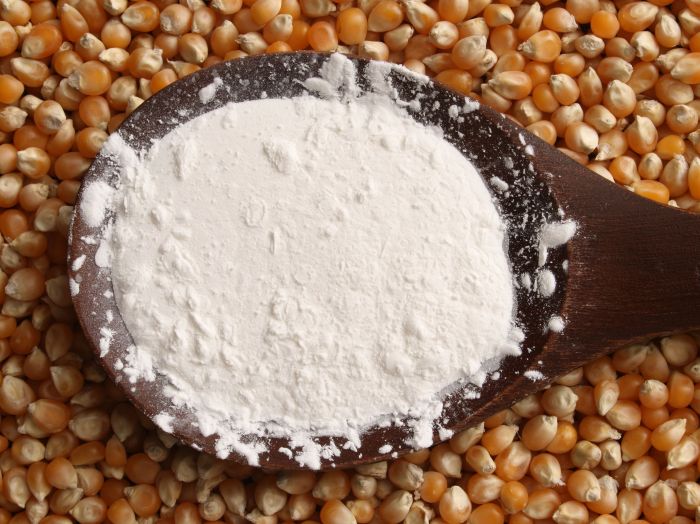
Corn starch, a ubiquitous ingredient in kitchens worldwide, plays a crucial role in the texture and mouthfeel of countless dishes. Its ability to thicken and stabilize food products makes it a versatile component in sauces, puddings, and more. This exploration delves into the diverse applications of corn starch across various food categories, highlighting its distinct properties and exploring potential alternatives.Corn starch’s unique properties stem from its granular structure and its capacity to absorb water and form a gel.
This characteristic makes it a powerful thickener, imparting a desirable viscosity to a wide range of foods. Understanding how corn starch functions in different food types allows us to appreciate its impact on the culinary landscape.
Corn Starch in Sauces
Corn starch is a popular thickener for sauces, gravies, and dressings. Its ability to create a smooth, velvety texture makes it ideal for many applications. When mixed with cold water, corn starch forms a slurry, which, upon heating, releases its thickening power. This method, known as a slurry, prevents lumps and ensures even distribution of the thickener.
The resulting texture is typically smooth and glossy. In contrast, sauces thickened with other methods, like roux (a mixture of flour and fat), can sometimes exhibit a slightly grainy or gritty texture, depending on the ratio and cooking time.
Corn Starch in Puddings and Desserts
Corn starch is frequently used in puddings, custards, and other desserts to achieve a creamy, smooth consistency. Its ability to gelatinize upon heating provides a delightful mouthfeel. Compared to other thickening agents, corn starch often results in a more delicate and translucent texture in desserts. For example, cornstarch pudding typically has a more subtle sweetness and smoother texture than a pudding thickened with tapioca or arrowroot.
Corn Starch in Soups and Stews
Corn starch can be used to thicken soups and stews, offering a smooth, velvety texture. It is particularly effective in situations where a clear, glossy finish is desired. When used in soups and stews, corn starch often produces a smoother mouthfeel than using other thickening agents, such as flour or roux. However, care must be taken to avoid over-thickening, which can lead to a gluey or paste-like consistency.
Natural vs. Refined Corn Starch
Natural corn starch is derived directly from corn kernels, retaining some of the corn’s natural nutrients. Refined corn starch undergoes a processing step that removes some of these nutrients. While the nutritional difference is generally minimal, the processing method might slightly alter the starch’s properties and how it performs in various recipes. The choice between natural and refined corn starch is often a matter of personal preference and the specific recipe’s requirements.
Common Food Uses of Corn Starch
Corn starch is a common ingredient in a wide variety of foods. It’s frequently used as a thickener in sauces, gravies, soups, and stews. In desserts, corn starch is crucial for creating smooth puddings, custards, and even some cakes. It’s also used as a stabilizer in various processed foods, aiding in maintaining texture and consistency. Some examples include:
- Sauces (e.g., gravy, béchamel)
- Puddings (e.g., vanilla, chocolate)
- Soups (e.g., cream of mushroom)
- Gravies (e.g., chicken, beef)
- Custards (e.g., crème brûlée)
Alternatives to Corn Starch
Several alternatives to corn starch exist, each with its own unique properties and characteristics. These include tapioca starch, arrowroot starch, potato starch, and flour. The choice of alternative will depend on the specific recipe and desired outcome.
- Tapioca starch: Provides a similar thickening ability to corn starch, but may result in a slightly different texture.
- Arrowroot starch: Known for its clear, smooth thickening properties and is often preferred in delicate desserts.
- Potato starch: Offers a smooth, creamy texture, often used in sauces and gravies.
- Flour: Can be used as a thickener, but requires a different cooking method and may impart a slightly different flavor.
Corn Starch Usage Table
| Food Category | Typical Use |
|---|---|
| Desserts | Puddings, custards, sauces |
| Sauces | Thickening agent, achieving smooth texture |
| Soups | Thickening, creating a velvety mouthfeel |
| Gravies | Thickening and stabilizing |
| Other | Stabilizer in processed foods |
Potential Benefits of Corn Starch
Corn starch, a ubiquitous food additive, isn’t just a thickening agent. Its versatility extends to various applications, particularly in gluten-free products, where it plays a crucial role in achieving desirable textures and functionalities. Understanding its benefits and limitations is key to making informed choices about its inclusion in our diets.Corn starch’s properties allow it to contribute positively to the overall food experience, influencing texture and taste.
Its role as a binding agent, along with its impact on food processing, are key factors in appreciating its use in the food industry.
Gluten-Free Applications
Corn starch is a popular substitute for wheat flour in gluten-free baking. Its ability to absorb moisture and create a smooth, cohesive texture makes it a valuable component in gluten-free products. This is especially important in baked goods where gluten provides structure and elasticity. Corn starch’s neutral flavor profile allows it to blend seamlessly into recipes, maintaining the desired taste characteristics.
Corn Starch as a Binding Agent
Corn starch acts as a critical binding agent in various food products. Its capacity to absorb and retain water is instrumental in creating desired textures in dishes, from sauces to puddings. This water-binding property enhances the overall mouthfeel and structural integrity of the food item. For instance, in gravy or sauces, corn starch acts as a thickening agent, preventing the sauce from separating and maintaining its consistency.
In baked goods, it can help create a tender crumb and a more cohesive structure, thereby improving the final product’s quality.
While corn starch itself isn’t inherently bad for you, it’s worth considering how it’s used. For example, if you’re looking at processed foods, be mindful of the ingredients and overall nutritional value. Knowing how caffeine affects your body, especially if you have ADHD, is crucial for a healthy lifestyle. Check out this helpful article on caffeine and adhd what you should know for more insights.
Ultimately, a balanced diet and awareness of your intake are key to deciding if corn starch is a good choice for you.
Corn Starch as a Food Additive and its Impact on Overall Health
Corn starch, as a food additive, impacts overall health in various ways. It’s a readily available and affordable thickening agent, often used in processed foods, sauces, and desserts. While it’s generally recognized as safe (GRAS), its high glycemic index (GI) should be considered, particularly for individuals with diabetes or those watching their carbohydrate intake. Moderation is key when incorporating corn starch into the diet.
Comparison to Other Food Additives
Comparing corn starch to other food additives, such as guar gum or xanthan gum, reveals varying degrees of impact on the body. Corn starch, being a natural starch, has a simpler chemical structure compared to some synthetic additives. This simplicity can translate to a potentially lower risk of adverse reactions in some individuals. However, the glycemic index of corn starch should still be factored into dietary considerations.
A thorough understanding of the specific additives in processed foods can help consumers make informed decisions.
Recipes Using Corn Starch for Beneficial Purposes
- Gluten-Free Pancakes/Waffles: Corn starch can replace a portion of wheat flour in gluten-free pancake and waffle recipes, creating a satisfying and moist texture. This substitution enhances the nutritional value by reducing reliance on gluten-containing ingredients.
- Thickening Gravies and Sauces: Cornstarch is an effective thickener for gravies and sauces, preventing them from becoming watery and enhancing the overall eating experience. This thickening method can be used in various culinary contexts.
- Gluten-Free Pastries: Cornstarch can be a crucial ingredient in creating gluten-free pastries, ensuring a satisfying texture that rivals those made with wheat-based ingredients. This adaptation in recipes is a valuable alternative for individuals with dietary restrictions.
Impact of Corn Starch on Nutritional Content
The impact of corn starch on the nutritional content of a dish is generally minimal. It’s primarily a thickening and texturizing agent rather than a significant source of nutrients. However, in some recipes, it can displace other ingredients, potentially affecting the overall nutritional profile. For example, using corn starch in a recipe meant to be a significant source of fiber might diminish the overall fiber content.
So, is corn starch bad for you? While it’s generally considered safe, some people find it hard to digest, potentially leading to digestive issues. This can sometimes manifest in nausea, which can also be a symptom of Irritable Bowel Syndrome (IBS). If you’re curious about whether does ibs cause nausea , it’s always best to consult a doctor.
Ultimately, corn starch’s impact really depends on individual tolerance and any pre-existing conditions.
Carefully considering the role of corn starch in a dish is important to maintain the intended nutritional balance.
Alternative Thickening Agents and Substitutes
Corn starch, while effective, isn’t the only game in town when it comes to thickening sauces, gravies, and other culinary creations. Fortunately, several healthy alternatives offer comparable results and can cater to diverse dietary needs and preferences. Exploring these options allows for a more nuanced approach to thickening, offering flexibility in the kitchen and potentially better nutritional profiles.Understanding the different thickening agents and their respective roles in recipes allows for a more informed approach to food preparation.
Switching to alternatives might even introduce unexpected flavor nuances and textures, opening doors to new culinary experiences.
Alternative Thickening Agents: A Comparative Overview
Several ingredients can effectively replace corn starch in recipes, each with unique characteristics and nutritional implications. Tapioca starch, potato starch, and xanthan gum are common substitutes, each with varying degrees of effectiveness and potential health benefits or drawbacks.
| Thickening Agent | Nutritional Profile | Health Implications | Pros | Cons |
|---|---|---|---|---|
| Tapioca Starch | Generally low in calories and fat, a good source of carbohydrates. | Can be part of a balanced diet, but potential for glycemic impact depending on the amount consumed. | Good thickening power, readily available, often gluten-free. | Can sometimes leave a slightly sweet aftertaste in some dishes. |
| Potato Starch | Rich in complex carbohydrates and some vitamins and minerals, like potassium. | Generally considered a healthier alternative, with a moderate glycemic index. | Excellent thickening properties, neutral flavor, and gluten-free. | May not be as readily available as tapioca starch in some regions. |
| Xanthan Gum | A soluble fiber, with virtually no calories, fat, or carbohydrates. | May promote digestive health and potentially regulate blood sugar levels. | Strong thickening agent, excellent for sauces and gravies. | Some individuals may experience digestive discomfort if consumed in large quantities. |
Substituting Corn Starch in a Recipe (Example)
Let’s say you’re making a creamy tomato sauce. A suitable alternative to corn starch is tapioca starch. In this recipe, 1 tablespoon of corn starch might be replaced with 1 tablespoon of tapioca starch.
Note: The exact substitution ratio may vary depending on the specific recipe and the desired consistency. Adjust the amount of the alternative based on your desired outcome.
Potential Texture and Taste Differences
The texture and taste of the final dish may subtly differ when using an alternative to corn starch. Tapioca starch, for instance, might yield a slightly more translucent or glossy consistency compared to the final product thickened with corn starch. Potato starch may result in a slightly thicker, more robust sauce. Xanthan gum, due to its unique properties, can create a smoother, more viscous texture.
Careful monitoring and adjustments during cooking are essential.
Adaptable Recipes Using Alternatives
- Creamy Tomato Sauce (using tapioca starch): Replace corn starch with tapioca starch in the recipe. Adjust the amount of tapioca starch as needed to reach the desired consistency.
- Gravy (using potato starch): Substitute potato starch for corn starch in a gravy recipe. Adjust for differences in thickening properties.
- Smooth Sauces (using xanthan gum): Xanthan gum is excellent for achieving a smooth, creamy texture in various sauces. Carefully adjust the amount for the best results. Experiment with different recipes to find the optimal ratio for your desired results.
- Puddings and Desserts (using tapioca starch): Tapioca starch works well in puddings and desserts for a light and smooth texture.
Scientific Research and Studies
While anecdotal evidence and personal experiences can be valuable, understanding the health effects of corn starch requires a deeper look into scientific research. This section delves into published studies, examining their methodologies, limitations, results, and conclusions. Critically evaluating these studies helps us form a more informed perspective on corn starch’s role in our diets.
Summary of Research Methodologies
Research on corn starch’s health impact often involves human trials and laboratory experiments. Human trials typically involve controlled groups consuming varying amounts of corn starch, with subsequent monitoring of health markers like blood glucose levels, cholesterol, and overall well-being. Laboratory experiments often focus on how corn starch interacts with the digestive system or the body’s metabolic processes in animal models.
The methods vary widely in the specific types of corn starch used, the duration of the study, and the control groups established.
Limitations of Existing Research
A significant limitation of many studies is their relatively short duration. Long-term effects of corn starch consumption on chronic diseases remain largely unexplored. Additionally, many studies involve relatively small sample sizes, which may not be representative of the diverse population consuming corn starch globally. The variety of corn starch products, processing methods, and the potential confounding factors associated with participant diets also present challenges in drawing definitive conclusions.
Results and Conclusions of Studies
Studies on the effect of corn starch consumption have yielded mixed results. Some studies suggest a correlation between high corn starch intake and increased blood glucose levels, particularly in individuals with pre-existing metabolic conditions. However, other studies, using different methodologies and subject populations, have not found a statistically significant association. It’s important to note that these results are not universally consistent across all studies.
Research Findings Summary Table
| Study | Methodology | Sample Size | Key Findings | Limitations |
|---|---|---|---|---|
| Example Study 1 | Human trial, controlled diet, 12 weeks | 50 participants | Increased blood glucose levels observed in participants consuming high corn starch levels, especially those with pre-existing insulin resistance. | Small sample size, limited long-term follow-up |
| Example Study 2 | Animal model, laboratory experiment, 8 weeks | 20 rats | No significant impact on cholesterol levels or weight gain. | Results may not directly translate to humans, ethical considerations |
| Example Study 3 | Meta-analysis of 10 studies | >1000 participants | Moderate association between high corn starch intake and slightly elevated blood glucose levels, but no conclusive evidence for significant health risks. | Variability in study designs, potential for publication bias |
Potential Biases in Studies
Several biases can affect the interpretation of research results. Funding sources, researcher’s expectations, and the selection of participants can all introduce bias. For example, studies funded by food manufacturers might be more likely to present favorable results regarding corn starch consumption. Additionally, the potential for publication bias, where positive results are more likely to be published than negative ones, should be considered.
Final Wrap-Up
In conclusion, corn starch’s impact on your health hinges on consumption levels and individual dietary needs. While it’s a convenient ingredient, understanding its nutritional profile, potential drawbacks, and available alternatives empowers informed food choices. Ultimately, a balanced diet and mindful consumption are key to optimizing your health, regardless of whether corn starch is part of it.