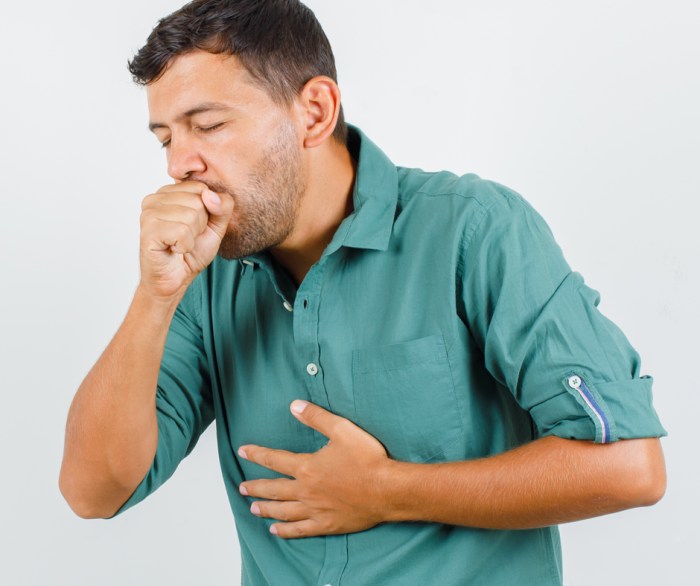
How to coughing after surgery is a crucial aspect of post-operative care. This guide delves into the complexities of post-surgical coughing, exploring the physiological reasons behind it, and providing practical strategies for effective management. From understanding the underlying mechanisms to implementing preventative measures and patient support, we’ll cover every facet of this essential topic.
This detailed guide covers everything from the initial physiological response to coughing after surgery to the various pain management techniques and respiratory therapies available. We’ll also discuss crucial prevention strategies, emphasizing pre-operative patient education and preparation. Ultimately, this comprehensive resource empowers both patients and healthcare professionals to navigate post-operative coughing with confidence.
Understanding the Phenomenon
Post-operative coughing is a common, yet often underestimated, aspect of surgical recovery. It’s crucial to understand the physiological mechanisms behind it to effectively manage and mitigate potential complications. This understanding allows patients and healthcare providers to proactively address the issue, improving recovery outcomes.The act of coughing, a natural reflex, is triggered by irritation or stimulation of the airways.
After surgery, this stimulation can arise from various sources. Inflammation, swelling, and the presence of secretions in the respiratory tract can all contribute to the cough reflex. Furthermore, the effects of anesthesia and the surgical procedure itself can play a significant role.
Physiological Mechanisms of Post-Operative Coughing
The respiratory system, particularly the bronchi and trachea, can become irritated and inflamed post-surgery. This irritation, often accompanied by mucus buildup, directly triggers the cough reflex. The body’s natural response is to expel these irritants, leading to coughing. Furthermore, the altered position of the patient during surgery and the manipulation of the chest cavity can also affect the mechanics of breathing and lead to coughing.
Factors Contributing to Post-Operative Coughing
Several factors influence the intensity and duration of post-operative coughing. These include the type of surgery, the anesthesia administered, and the patient’s individual characteristics.
- Types of Surgery: Procedures involving the chest, abdomen, or throat are more likely to induce coughing. For example, thoracic surgeries, like lung resections, frequently result in post-operative coughing due to direct manipulation of the respiratory system. Similarly, abdominal surgeries, such as appendectomies, can cause irritation and swelling in the surrounding tissues, leading to coughing.
- Anesthesia: Certain types of anesthesia can suppress the cough reflex, leading to a buildup of secretions. Other types can irritate the airways, directly triggering coughing. Post-operative coughing can be more pronounced after general anesthesia compared to regional anesthesia.
- Patient Characteristics: Age, pre-existing respiratory conditions (like asthma or COPD), and smoking history can influence the likelihood and severity of post-operative coughing. For instance, older patients might experience more difficulty clearing secretions, while those with pre-existing respiratory issues may have a more pronounced cough reflex.
Potential Complications of Persistent or Severe Coughing
Persistent or severe post-operative coughing can lead to several complications. These include pneumonia, atelectasis (collapse of the lung), and increased risk of infection. Furthermore, excessive coughing can cause pain, discomfort, and hinder the healing process.
Likelihood of Coughing After Different Surgical Procedures
| Surgical Procedure | Likelihood of Coughing | Explanation |
|---|---|---|
| Thoracic Surgery (e.g., lung resection) | High | Direct manipulation of the respiratory system. |
| Abdominal Surgery (e.g., appendectomy) | Medium | Irritation and swelling in the surrounding tissues. |
| Orthopedic Surgery (e.g., hip replacement) | Low | Minimal direct impact on the respiratory system. |
| Cranial Surgery | Low | Respiratory effects are often less prominent. |
Note: This table provides a general comparison and does not account for individual patient variability.
Managing Post-Operative Cough

Post-operative coughing is a common and often distressing experience for patients undergoing surgical procedures. Effective management of this symptom is crucial for patient comfort, recovery, and overall well-being. This aspect of recovery requires a multi-faceted approach, encompassing pain management, respiratory techniques, and appropriate hydration.Understanding the mechanisms behind post-operative coughing is key to developing tailored management strategies. Factors like the surgical site, the patient’s overall health, and the type of anesthesia used all play a role in the intensity and duration of the cough.
Post-surgery coughing can be tricky, but finding the right sleep position is surprisingly helpful. Proper positioning can significantly reduce discomfort and aid in healing. For instance, checking out the best and worst sleep positions for various health conditions, like post-surgical recovery, can be beneficial. best and worst sleep positions for health conditions will give you a better understanding of optimal sleep postures.
Ultimately, prioritizing good sleep positions will greatly assist in managing post-operative coughing and promote faster recovery.
Pain Management Strategies
Effective pain management is fundamental to controlling post-operative coughing. Pain often exacerbates the cough reflex, leading to increased discomfort and difficulty breathing. Various approaches can be implemented to mitigate this pain. Pharmacological interventions are frequently used, but non-pharmacological methods are also valuable adjuncts.
- Pharmacological methods, such as opioids and non-steroidal anti-inflammatory drugs (NSAIDs), are commonly prescribed to manage pain. These medications help reduce the intensity of the cough by lessening the discomfort associated with the surgical site. However, the selection of medication often depends on the patient’s individual needs and health status.
- Non-pharmacological methods, including physical therapy, heat or cold therapy, and relaxation techniques, can also contribute to pain reduction. These strategies can complement pharmacological interventions, offering alternative approaches for managing discomfort. Proper positioning and support during coughing episodes are also essential non-pharmacological methods.
Respiratory Therapies
Various respiratory therapies can aid in reducing the frequency and severity of post-operative coughing. These therapies are often combined with other pain management strategies to improve patient outcomes.
- Incentive spirometry is a common respiratory therapy that involves encouraging deep breathing exercises. These exercises help expand the lungs, improve air circulation, and reduce the likelihood of post-operative complications, such as pneumonia. Regular use of incentive spirometry promotes effective lung function and reduces the risk of atelectasis (lung collapse). The procedure involves taking slow, deep breaths while watching a gauge to increase lung capacity.
- Deep breathing exercises are crucial for maintaining optimal lung function after surgery. Encouraging deep, slow breaths can help clear secretions, reduce coughing, and improve oxygenation. These exercises are often incorporated into the overall respiratory therapy regimen, supporting the healing process.
Hydration Techniques
Adequate hydration is crucial for maintaining optimal respiratory function and managing post-operative coughing.
- Maintaining sufficient fluid intake helps thin respiratory secretions, making it easier to clear them and reducing the frequency of coughing episodes. The amount of fluid required will vary based on individual needs and factors like the type of surgery and the patient’s overall health. Fluids such as water, clear broths, and electrolyte drinks are beneficial.
Role of Medications
Medications play a significant role in managing post-operative coughing.
- Cough suppressants, such as dextromethorphan or codeine, may be prescribed to reduce the intensity or frequency of the cough. However, these medications should be used cautiously and only under the guidance of a medical professional, considering potential side effects and interactions with other medications.
Comparing Pain Management Approaches
| Approach | Description | Potential Benefits | Potential Drawbacks |
|---|---|---|---|
| Opioids | Strong pain relievers | Effective pain relief | Potential for addiction, respiratory depression, constipation |
| NSAIDs | Non-steroidal anti-inflammatory drugs | Reduce inflammation and pain | Potential for stomach upset, kidney problems |
| Physical Therapy | Exercises and manual techniques | Improve mobility and reduce pain | Requires professional guidance |
Effectiveness of Respiratory Therapies
The effectiveness of respiratory therapies in reducing post-operative coughing varies depending on several factors. Proper implementation and patient compliance are critical for achieving optimal results. The use of incentive spirometry and deep breathing exercises are shown to reduce the likelihood of post-operative complications like pneumonia and atelectasis.
Prevention Strategies: How To Coughing After Surgery
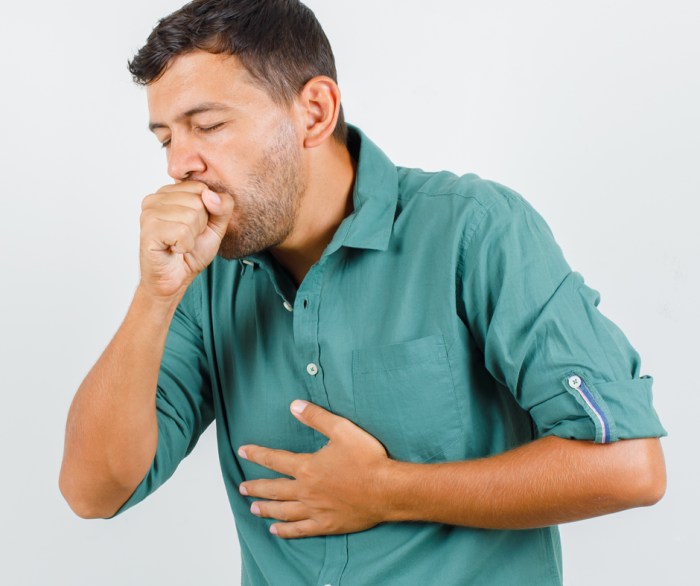
Post-operative coughing, a common but often uncomfortable side effect of surgery, can be significantly mitigated through proactive pre-operative strategies. Understanding the factors contributing to coughing after surgery empowers patients and healthcare providers to implement preventative measures that can improve recovery and minimize discomfort. This section delves into practical strategies for reducing the risk of post-operative coughing.Pre-operative patient education and preparation play a crucial role in preventing post-operative complications.
By equipping patients with knowledge and practical techniques, we can empower them to actively participate in their recovery journey and minimize the likelihood of coughing episodes.
Pre-Operative Patient Education
Comprehensive pre-operative education is essential for reducing the risk of post-operative coughing. This includes educating patients about the potential for coughing after surgery and the strategies they can employ to minimize it. This proactive approach allows patients to feel more prepared and confident about the recovery process. Providing detailed information about breathing techniques, positioning, and pain management strategies can empower patients to take an active role in their recovery.
Specific Strategies for Cough Reduction
Several strategies can be implemented to reduce the risk of post-operative coughing. These include:
- Deep Breathing Exercises: Encouraging patients to practice deep breathing exercises pre-operatively can significantly improve lung function and reduce the risk of post-operative complications. These exercises improve oxygenation and lung expansion, which can decrease the likelihood of coughing. A common technique involves taking slow, deep breaths, holding them for a few seconds, and then exhaling slowly. Regular practice of these exercises prior to surgery can significantly benefit the patient’s respiratory system.
- Incentive Spirometry: This technique involves using a device that encourages deep breaths and helps patients maintain lung volume. Pre-operative instruction on how to use the device, along with consistent practice, can strengthen the respiratory muscles and improve lung function, thereby reducing the likelihood of post-operative coughing. Patients should be shown how to properly use the device and provided with clear instructions for consistent use in the days leading up to surgery.
- Proper Positioning: Encouraging patients to maintain proper positioning, such as elevating the head of the bed or utilizing pillows for support, can significantly reduce strain on the respiratory system. Proper positioning allows for optimal lung expansion and reduces the pressure on the chest and abdomen, which can minimize the likelihood of coughing.
- Hydration: Maintaining adequate hydration is crucial for overall health and respiratory function. Patients should be encouraged to drink plenty of fluids in the days leading up to and following surgery. Hydration helps thin secretions, making it easier to clear the airways and reducing the risk of coughing.
- Pain Management Strategies: Adequate pain management is essential for preventing post-operative coughing. Pain can trigger coughing, and strategies like using pain medications as prescribed and implementing non-pharmacological pain relief techniques can significantly reduce the likelihood of coughing episodes.
Breathing Techniques and Exercises
Effective breathing techniques and exercises are crucial for maintaining optimal lung function and preventing post-operative complications. These techniques involve consciously controlling the respiratory process to optimize lung capacity and reduce the risk of coughing.
- Diaphragmatic Breathing: This technique involves engaging the diaphragm to promote deep, full breaths. Proper diaphragmatic breathing can increase lung capacity, improve oxygenation, and reduce the strain on the respiratory system, ultimately minimizing the risk of coughing. Patients can be taught to place a hand on their stomach to feel the diaphragm moving.
- Pursed-Lip Breathing: This technique involves exhaling slowly through pursed lips, which helps to prolong exhalation and reduce the risk of rapid shallow breathing. This technique is helpful in controlling coughing and promoting relaxation.
Nutritional Support
Proper nutrition plays a vital role in promoting respiratory health and preventing post-operative complications. A balanced diet rich in nutrients essential for respiratory function can contribute to a smoother recovery. Nutritional support helps strengthen the immune system, supports lung function, and promotes wound healing.
- Balanced Diet: A balanced diet rich in fruits, vegetables, and protein is crucial for overall health, including respiratory health. Adequate protein intake is important for tissue repair, while fruits and vegetables provide essential vitamins and minerals. Encouraging a balanced diet prior to surgery can promote optimal respiratory health and recovery.
- Adequate Protein Intake: Protein is essential for tissue repair and immune function. A diet rich in protein can contribute to faster wound healing and a stronger immune system, reducing the risk of post-operative complications, including coughing.
- Hydration: Adequate hydration is essential for overall health, including respiratory health. Hydration helps thin secretions and aids in clearing the airways, reducing the risk of coughing and promoting a faster recovery.
Patient Education and Support
Post-operative coughing is a common and often manageable experience. Understanding the nuances of mild to moderate coughing, along with proactive reporting and supportive strategies, empowers patients to effectively navigate this recovery phase. This section delves into crucial aspects of patient education and support to facilitate a smooth and comfortable recovery journey.Effective communication and education are pivotal in ensuring patients understand the expected post-operative coughing process and the significance of reporting any unusual symptoms.
By equipping patients with the knowledge and tools to manage their cough effectively, we contribute to a positive and successful recovery experience.
Recognizing and Managing Mild to Moderate Post-Operative Cough
Post-operative coughing, ranging from mild to moderate, is a natural response to the surgical process. It’s crucial to recognize the difference between normal and concerning symptoms to ensure appropriate management. Mild coughing is usually characterized by a few, short, and infrequent episodes. Moderate coughing may involve more frequent episodes and slightly increased intensity but without significant discomfort or distress.
Managing this involves a combination of positioning, hydration, and pain management. Encourage patients to take deep breaths and cough in a controlled manner.
Importance of Reporting Unusual or Concerning Symptoms
Patients should be explicitly instructed to report any unusual or concerning symptoms immediately to their healthcare providers. These symptoms might include increased coughing frequency, severity, or persistent pain, accompanied by excessive phlegm production or blood in the sputum. Prompt reporting allows for early intervention and adjustments to the treatment plan if necessary. For example, a patient experiencing sudden, sharp chest pain along with a worsening cough should be encouraged to notify their medical team without delay.
Post-op coughing can be tricky, but some folks swear by incorporating healthy foods like chia seeds or flaxseed into their recovery plan. These tiny powerhouses are packed with nutrients, and some research suggests they can help with overall health, including potentially aiding digestion and reducing inflammation. For instance, understanding the differences between chia seeds and flaxseed might help you choose the best option for your needs.
Check out this helpful comparison to learn more about chia seeds vs flaxseed. Ultimately, though, remember to always follow your doctor’s instructions for managing post-surgical coughing and recovery.
Strategies to Encourage Patient Compliance
Patient compliance with post-operative care is essential for a successful recovery. Strategies to encourage compliance include clear and concise communication, involving family members in the care plan, and utilizing visual aids or educational materials. A tailored plan that addresses individual needs and concerns will be most effective. This personalized approach will enhance patient understanding and motivation to adhere to the prescribed care protocols.
- Clear Communication: Use simple, understandable language to explain the importance of post-operative care, including the role of coughing in healing and the need to report unusual symptoms. Avoid medical jargon. This clarity helps patients comprehend the rationale behind the care plan.
- Family Involvement: Involve family members in the patient’s care plan to provide additional support and reminders. This can be particularly helpful in ensuring medication adherence and the consistent implementation of recommended techniques.
- Visual Aids: Employ visual aids, such as diagrams or videos, to demonstrate proper coughing techniques and breathing exercises. Visual learning often complements verbal instructions, enhancing understanding and retention.
Providing Emotional Support
Post-operative coughing can be a source of discomfort and anxiety for patients. Providing emotional support is crucial to fostering a sense of security and promoting compliance with the recovery plan. Acknowledge the patient’s concerns and reassure them that the coughing is a normal part of the healing process. Emphasize the importance of rest and relaxation techniques to manage discomfort.
“Empathy and reassurance are powerful tools in fostering patient compliance and a positive recovery experience.”
Emphasize that mild to moderate coughing is a normal part of the healing process. Encourage patients to express their feelings and concerns openly, creating a safe space for them to share their experiences.
Clinical Considerations
Post-operative coughing, while a natural bodily response, can pose significant challenges for patients recovering from surgery. Understanding the nuances of post-operative coughing and the role of healthcare professionals in managing it is crucial for ensuring a smooth and safe recovery. This section delves into the clinical aspects of post-operative coughing, focusing on professional assessment, monitoring, and management strategies.Healthcare professionals play a vital role in evaluating and managing post-operative coughing.
Their expertise in assessing the patient’s overall condition, identifying potential complications, and implementing appropriate interventions is paramount. This involves careful observation of the patient’s respiratory status, listening to lung sounds, and documenting the characteristics of the cough.
Role of Healthcare Professionals in Assessment and Management
Healthcare professionals are responsible for a comprehensive assessment of the patient’s condition, including the nature and severity of the cough, the patient’s overall health, and the surgical procedure. This allows for personalized management strategies tailored to individual needs. Monitoring for signs of respiratory distress is critical. They must also consider the patient’s medication history and any potential drug interactions that might influence the cough.
Importance of Monitoring for Respiratory Distress
Monitoring patients for signs of respiratory distress related to coughing is essential. Early detection allows for timely intervention, potentially preventing serious complications. Signs to watch for include increased respiratory rate, shortness of breath, use of accessory muscles during breathing, cyanosis (bluish discoloration of the skin), and changes in level of consciousness. A patient exhibiting these signs requires immediate medical attention.
Post-Operative Coughing Complications and Management
Proper management of post-operative coughing complications requires a multifaceted approach. Early intervention and proactive measures are key to minimizing potential risks.
| Complication | Management Strategies |
|---|---|
| Atelectasis (lung collapse) | Incentive spirometry, deep breathing exercises, early mobilization, and possibly supplemental oxygen therapy. |
| Pneumonia | Aggressive antibiotic treatment, supplemental oxygen, and respiratory support as needed. |
| Pleurisy (inflammation of the lining of the lungs) | Pain management, supportive care, and possibly medication to reduce inflammation. |
| Hemoptysis (coughing up blood) | Immediate evaluation to determine the source and severity of bleeding, and appropriate intervention, including blood transfusions if needed. |
| Bronchospasm (muscle tightening in the airways) | Bronchodilators, supplemental oxygen, and monitoring for worsening symptoms. |
Effective Communication with Patients
Open and honest communication with patients about their coughing concerns is vital. Patients should be educated about the expected recovery process, the normal characteristics of post-operative coughing, and the importance of reporting any unusual symptoms. Active listening, answering questions thoroughly, and providing reassurance are crucial aspects of this communication. Explaining the rationale behind specific interventions and encouraging questions can facilitate a better understanding and cooperation from the patient.
Using clear and concise language, avoiding medical jargon, and actively involving the patient in their care can significantly improve outcomes.
Illustrative Case Studies
Post-operative coughing, while a common phenomenon, can vary significantly in severity and response to treatment. Understanding these variations through case studies is crucial for tailoring effective management strategies and optimizing patient outcomes. These examples highlight the importance of meticulous pain management, appropriate respiratory therapies, and proactive patient education.Case studies provide a framework for analyzing real-world situations, identifying patterns, and ultimately, improving patient care.
Post-surgery coughing can be tricky, but it’s crucial for clearing out mucus and preventing complications. While you’re focusing on your recovery, it’s also important to consider how certain conditions might impact your health, like how IBS diarrhea might affect the effectiveness of birth control pills, which you can find out more about here: does ibs diarrhea affect birth control pills.
Ultimately, sticking to your doctor’s post-operative instructions for coughing is key to a smooth recovery.
They demonstrate the tangible impact of different interventions, allowing us to learn from both successes and failures. By examining specific patient experiences, we can gain a deeper appreciation for the complexities of post-operative cough management.
Severe Post-Operative Coughing: A Case Study
A 65-year-old female patient undergoing a total hip replacement experienced intense, persistent post-operative coughing. The coughing episodes were frequent, forceful, and accompanied by chest pain. The patient reported significant discomfort, impacting her ability to breathe deeply and recover from surgery. The intensity of her coughing was directly linked to inadequate pain management in the initial postoperative period.
Successful Management of Post-Operative Cough
A 42-year-old male patient undergoing a laparoscopic cholecystectomy experienced moderate post-operative coughing. He was promptly provided with appropriate pain medication and educated on proper breathing techniques. A dedicated respiratory therapist implemented incentive spirometry and deep breathing exercises. The patient demonstrated a remarkable improvement in his respiratory function within 48 hours, experiencing a significant reduction in coughing frequency and intensity.
Impact of Inadequate Pain Management
A 78-year-old female patient undergoing a cardiac bypass graft procedure experienced severe post-operative coughing. Initial pain management was delayed, resulting in heightened discomfort and a sustained increase in cough frequency. This delayed intervention contributed to a longer recovery period and increased the risk of complications. The experience underscored the importance of prompt and effective pain management in minimizing post-operative coughing.
Effectiveness of Respiratory Therapy
A 50-year-old patient undergoing a major abdominal surgery experienced moderate post-operative coughing. The respiratory therapist employed a specialized technique, such as sustained maximal inspiratory pressure (SMIP) therapy. The patient’s cough significantly improved after a few sessions. The respiratory therapist’s targeted intervention reduced the intensity and frequency of coughing, facilitating a quicker return to normal breathing patterns. This example showcases how tailored respiratory therapies can accelerate recovery and reduce discomfort.
Further Research Directions
Unraveling the complexities of post-operative coughing requires a multifaceted approach. While significant progress has been made in understanding and managing this common complication, further research is crucial to refine prevention and management strategies, ultimately improving patient outcomes and reducing the associated morbidity. This exploration delves into potential areas ripe for investigation.
Identifying Biomarkers for Predicting Risk, How to coughing after surgery
Predicting which patients are at higher risk for developing post-operative coughing is a key research area. Developing a panel of biomarkers, such as inflammatory markers, could help identify patients who are more susceptible to this complication. This proactive approach allows for tailored interventions, potentially reducing the incidence and severity of post-operative coughing. Early identification and targeted interventions could prove highly effective in mitigating complications.
Optimizing Current Prevention Strategies
Current prevention strategies are important, but further research is needed to refine and optimize them. Research should explore different types of pre-operative coaching and exercises, as well as the optimal timing for implementation. The effectiveness of various pre-operative respiratory physiotherapy techniques, including incentive spirometry, should be rigorously evaluated in diverse patient populations. Understanding the individual patient’s response to different approaches will lead to the development of more personalized strategies.
Investigating the Impact of Anesthesia Types
The impact of different anesthetic agents on post-operative cough is a crucial area for further investigation. Studies should compare the incidence and severity of post-operative coughing among patients undergoing various anesthetic procedures. This research could identify specific anesthetic agents or protocols that minimize the risk of post-operative coughing. This would be critical in reducing adverse events.
Developing Novel Management Techniques
Research into innovative management techniques is essential. This includes exploring the use of non-pharmacological interventions, such as targeted breathing exercises or specific physiotherapy protocols. The effectiveness of these interventions in reducing cough frequency and intensity needs further investigation. The study of alternative treatments, such as herbal remedies or acupuncture, in combination with existing methods, may reveal novel approaches for managing post-operative cough.
Interdisciplinary Collaboration and Data Sharing
Further research must embrace interdisciplinary collaboration among surgeons, anesthesiologists, respiratory therapists, and nurses. Shared data and standardized protocols are vital to ensure consistent and effective care. Establishing clear communication channels and standardized outcome measures are essential for facilitating research and ultimately improving patient outcomes. Such collaboration allows for a more holistic understanding of the factors influencing post-operative coughing.
End of Discussion
In conclusion, managing post-operative coughing requires a multifaceted approach that considers both the physiological factors and the patient’s individual needs. This guide offers a comprehensive overview of the topic, encompassing prevention, management, and patient support. By understanding the underlying mechanisms and implementing appropriate strategies, we can significantly reduce the incidence and severity of post-operative coughing, ultimately improving patient outcomes.