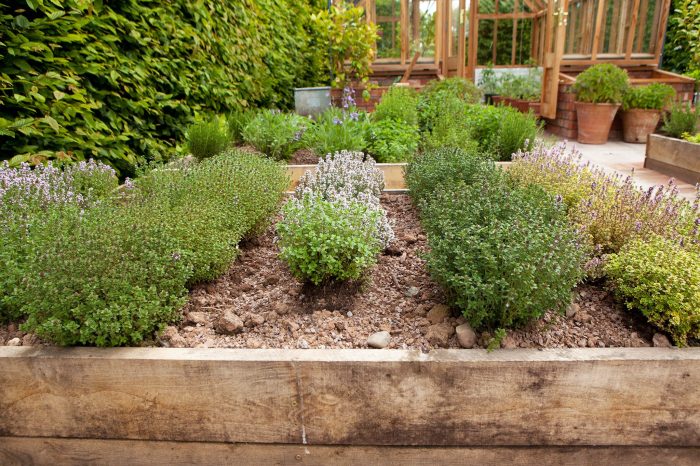
Herbs for menstrual cramps offer a natural approach to easing those painful periods. This guide explores various herbs, their potential mechanisms of action, and important safety considerations. We’ll delve into popular choices, research findings, and even how to combine herbs for personalized relief. From understanding the science behind herbal remedies to practical recipes, this comprehensive resource is your one-stop shop for natural cramp relief.
Menstrual cramps can be debilitating, affecting daily life and impacting overall well-being. This exploration into herbs for menstrual cramps examines the potential of natural remedies to alleviate discomfort. Different herbs have different purported benefits, and we’ll investigate the science behind these claims, alongside the potential side effects and safety precautions. Understanding the different types of cramps, and how hormones play a role, is crucial for tailoring your approach to relief.
Introduction to Menstrual Cramps
Menstrual cramps, also known as dysmenorrhea, are painful contractions in the uterus that occur during menstruation. These contractions are a natural part of the process of shedding the uterine lining, but the intensity can vary significantly from person to person. Understanding the causes and types of menstrual cramps is crucial for effective management and relief.The primary cause of menstrual cramps is the release of prostaglandins, hormones that stimulate uterine contractions.
In some cases, underlying conditions like endometriosis or uterine fibroids can exacerbate the pain. Common symptoms include lower abdominal pain, cramping, back pain, and sometimes nausea, headache, and fatigue. The severity of symptoms can range from mild discomfort to debilitating pain, impacting daily activities and quality of life.
Types of Menstrual Cramps
Menstrual cramps are broadly categorized into primary and secondary dysmenorrhea. Primary dysmenorrhea is the most common type, affecting women of reproductive age, and is characterized by pain that is not associated with any underlying medical condition. Secondary dysmenorrhea, on the other hand, is linked to an underlying condition, such as endometriosis or uterine fibroids, and the pain is often more severe and persistent.
In cases of secondary dysmenorrhea, medical attention is crucial for diagnosis and treatment of the underlying cause.
Role of Hormones in Menstrual Cramps
Prostaglandins, powerful lipid-derived hormones, play a key role in causing menstrual cramps. These hormones are produced by the uterus and stimulate contractions to shed the uterine lining. Higher levels of prostaglandins lead to more intense contractions and, consequently, more severe pain. The body’s response to hormonal fluctuations during menstruation can also contribute to symptoms like fatigue, mood changes, and headaches, all of which can exacerbate the experience of menstrual cramps.
Herbal Remedies for Menstrual Cramps: A Comparative Analysis
Many herbal remedies are purported to help alleviate menstrual cramps. However, scientific evidence supporting their effectiveness varies. The table below provides a comparison of some commonly used herbal remedies and their potential effects.
| Herbal Remedy | Potential Benefits | Potential Drawbacks | Evidence Level |
|---|---|---|---|
| Ginger | May reduce inflammation and pain by inhibiting prostaglandin synthesis. | May interact with certain medications. | Moderate |
| Chamomile | May have relaxing and anti-inflammatory properties, potentially reducing pain and promoting relaxation. | May cause allergic reactions in sensitive individuals. | Low |
| Yarrow | May help reduce menstrual bleeding and pain. | Should be used with caution during pregnancy. | Limited |
| Clary Sage | May help regulate hormonal balance, potentially reducing pain and cramps. | May not be suitable for everyone. | Limited |
Note: This table is for informational purposes only and should not be considered a substitute for professional medical advice. Always consult with a healthcare provider before using any herbal remedies, especially if you have underlying health conditions.
Popular Herbs for Cramp Relief
Many women turn to natural remedies for managing menstrual cramps, and several herbs have been traditionally used for their potential pain-relieving properties. While these herbs may offer some comfort, it’s crucial to remember that they are not a substitute for medical advice or treatment. Always consult with your healthcare provider before incorporating any new herbal remedies into your routine, especially if you’re taking other medications.Many herbs purportedly work by reducing inflammation and muscle spasms associated with cramps.
Some herbs are believed to help regulate hormonal imbalances, which can sometimes contribute to the severity of menstrual cramps. Understanding the potential mechanisms of action and potential interactions is key to using herbs safely and effectively.
Trying different herbs for menstrual cramps can be a great way to ease those painful symptoms. While some people swear by herbal remedies, it’s worth remembering that if you’re concerned about potential drug use, a hair follicle drug test might be a necessary precaution. Fortunately, many herbs, like ginger and chamomile, can help manage menstrual cramps effectively, and are a more natural approach to relief.
So, next time you’re looking for ways to manage your cycle, consider exploring herbal remedies alongside other healthy habits.
Common Herbs for Cramp Relief
Several herbs are commonly used for their potential cramp-relieving effects. These herbs are often used in teas, tinctures, or other preparations.
- Ginger: Ginger is a well-known remedy for various ailments, including nausea and inflammation. It’s believed to work by reducing inflammation and potentially increasing blood flow to the uterus, easing cramping. Numerous studies have explored ginger’s effectiveness in managing nausea and its anti-inflammatory properties, supporting its traditional use for menstrual cramps.
- Chamomile: Chamomile is a gentle herb known for its calming properties. Its potential benefits for menstrual cramps are attributed to its antispasmodic and anti-inflammatory effects, which may help relax uterine muscles and reduce pain. The calming effect can also be beneficial in managing stress, which can sometimes exacerbate cramps.
- Red Raspberry Leaf: Red raspberry leaf is frequently used to support menstrual health. Some believe its properties may help tone the uterus and regulate menstrual cycles, indirectly contributing to reduced cramping. Research is ongoing regarding its effectiveness for menstrual cycle management, and the results are not always conclusive.
- Yarrow: Yarrow is another herb known for its potential antispasmodic and anti-inflammatory effects. It’s often used to support uterine health and alleviate cramping. Its anti-inflammatory actions are supported by some studies.
Anti-inflammatory Properties of Herbs
Many of the herbs mentioned above possess anti-inflammatory properties, which are believed to be crucial in alleviating menstrual cramps.
- Ginger, for instance, contains compounds with demonstrated anti-inflammatory properties. These compounds may help reduce the inflammation associated with cramping.
- Chamomile and Yarrow also have anti-inflammatory properties that are thought to play a role in reducing menstrual discomfort.
- The potential of herbs like red raspberry leaf to support uterine health may indirectly reduce inflammation.
Potential Interactions with Other Medications
It’s essential to be aware of potential interactions between herbs and other medications.
- Certain herbs, like those with blood-thinning properties, may interact with anticoagulants or other medications affecting blood clotting. This is especially important for individuals taking blood-thinning medications.
- Some herbs can affect the liver, which plays a role in metabolizing medications. Interactions with liver function can impact how your body processes other drugs.
- Always discuss any herbal remedies with your doctor, particularly if you are taking other prescription or over-the-counter medications. This precaution is essential for avoiding potentially harmful interactions.
Herbal Remedies: A Table of Potential Benefits and Side Effects
| Herb | Potential Benefits | Potential Side Effects |
|---|---|---|
| Ginger | Reduces inflammation, may ease nausea | Heartburn, upset stomach, in high doses |
| Chamomile | Calming, may reduce muscle spasms | Allergic reactions in some individuals |
| Red Raspberry Leaf | May support uterine health | May cause digestive upset in some cases |
| Yarrow | Potential antispasmodic and anti-inflammatory effects | Possible interactions with blood thinners |
Research on Herbal Remedies
While many people turn to herbal remedies for menstrual cramps, the scientific understanding of their effectiveness remains somewhat fragmented. Current research aims to explore the mechanisms behind these potential benefits, but rigorous, controlled studies are often needed to confirm the claims. This section delves into the existing research, highlighting the strengths and weaknesses of different studies and identifying gaps in our knowledge.
Current Scientific Understanding
The current scientific understanding of herbal remedies for menstrual cramps is largely based on traditional use and anecdotal evidence. While some herbs have demonstrated potential anti-inflammatory or pain-relieving properties in laboratory and animal studies, these findings don’t always translate directly to human experiences. Furthermore, the specific mechanisms through which these herbs might alleviate cramps are often not fully elucidated.
This lack of precise understanding limits the ability to predict efficacy and safety in individuals.
Comparison of Study Results
Different studies investigating herbal remedies for menstrual cramps have yielded varied results. Some studies show promising effects, while others report no significant benefits. Factors like the specific herb used, the dosage, the duration of the study, and the characteristics of the participants can significantly influence the outcomes. For instance, a study using a specific extract of ginger might show pain reduction in a certain group, but another study using a different extract or dosage might not observe any significant effect.
Inconsistency in methodologies and sample sizes further complicate comparisons.
Limitations and Gaps in Research
Several limitations hinder the current research on herbal remedies for menstrual cramps. A critical limitation is the lack of large-scale, well-controlled clinical trials. Many studies are small-scale, with limited participant numbers, potentially leading to unreliable results. Another issue is the variation in the quality of the herbs used in the studies. Standardization of the herbal preparations and accurate measurement of active components are often lacking.
This lack of standardization can make it difficult to compare results across different studies. Furthermore, the long-term effects of using these herbal remedies, including potential interactions with other medications, are largely unknown.
Trying to find natural remedies for menstrual cramps? Many herbs are touted for their pain-relieving properties. While some people find relief using essential oils and other herbal supplements, others swear by topical remedies like tiger balm, a liniment traditionally used for muscle aches and pains. To learn more about the properties and uses of tiger balm, check out this informative article: what is tiger balm.
Ultimately, exploring various natural remedies, including herbs, can help manage menstrual cramps, and it’s always a good idea to consult a healthcare professional before trying any new treatments.
Table of Studies
| Herb | Study Findings | Limitations |
|---|---|---|
| Ginger | Some studies suggest ginger may reduce menstrual cramp pain. | Often small sample sizes, inconsistent methodologies, and varying ginger preparations. |
| Chamomile | Limited evidence of effectiveness in reducing cramps. Some studies show slight pain reduction. | Small sample sizes, lack of standardized preparations, and potential for interactions with other medications. |
| Red Raspberry Leaf | Some studies show potential benefits in reducing cramping, but more research is needed. | Studies have used various preparations and dosages, leading to inconsistency in results. |
| Yarrow | Preliminary studies suggest potential for pain relief, but results are inconclusive. | Studies are often limited in size and duration, and standardization of the herb is not always consistent. |
Safety and Considerations
While herbal remedies can offer potential relief from menstrual cramps, it’s crucial to approach their use with caution. Understanding potential side effects, the importance of professional guidance, and possible interactions with other medications is paramount to ensuring a safe and effective experience. This section delves into these critical considerations.Herbal remedies, like any other treatment, can have potential side effects.
Some herbs, even those commonly used for menstrual cramps, might cause allergic reactions in certain individuals. Reactions can range from mild skin rashes to more severe symptoms. Careful monitoring of your body’s response is essential.
Potential Side Effects and Risks
Using herbal remedies for menstrual cramps isn’t risk-free. Individual sensitivities and interactions with other medications or underlying health conditions can lead to unexpected consequences. Always consult a healthcare professional before incorporating any new treatment into your routine.
Importance of Professional Consultation
Before starting any herbal treatment for menstrual cramps, consulting a healthcare professional is absolutely essential. They can assess your individual health status, including any pre-existing conditions or allergies, and determine if herbal remedies are suitable for you. They can also advise on appropriate dosages and potential interactions with other medications you may be taking. This preventative measure is crucial to minimize potential risks and maximize the safety of your treatment.
Contraindications and Interactions with Other Medications
Certain herbs might interact negatively with prescription or over-the-counter medications you are already taking. For instance, some herbs can affect blood clotting or interact with blood thinners, potentially leading to serious complications. It is vital to disclose all medications, both prescription and over-the-counter, to your healthcare provider before starting any herbal regimen. They can assess the potential for interactions and advise on the best course of action.
Potential Drug Interactions
Understanding potential drug interactions is critical for safe herbal use. A comprehensive list of possible interactions is not exhaustive, and individual responses can vary. Always consult your healthcare provider for personalized advice.
| Herbal Remedy | Potential Drug Interaction | Example |
|---|---|---|
| St. John’s Wort | Interacts with antidepressants, anti-anxiety medications, and blood thinners. | A patient taking both St. John’s Wort and an antidepressant may experience an increased risk of serotonin syndrome. |
| Ginger | May interfere with blood thinners like warfarin. | Ginger’s effects on blood clotting could potentially heighten the risk of bleeding if taken with warfarin. |
| Chamomile | Potentially interacts with certain immunosuppressants and medications affecting blood sugar levels. | Individuals taking immunosuppressants should be cautious when combining them with chamomile, as it may impact the effectiveness of the immunosuppressant. |
| Black Cohosh | May interact with medications used to treat thyroid conditions and certain hormonal therapies. | Concurrent use of black cohosh with thyroid medication might alter the thyroid hormone levels. |
Consult a healthcare professional for personalized guidance regarding potential drug interactions.
Herbal Remedies for Different Needs
Herbal remedies can be a valuable addition to a comprehensive approach for managing menstrual cramps, offering natural ways to alleviate pain and discomfort. Understanding how different herbs work and how to prepare them is key to maximizing their effectiveness. By combining herbal remedies with other strategies, such as rest, heat packs, and a healthy diet, women can often find significant relief from the various symptoms associated with menstruation.Herbal remedies aren’t a one-size-fits-all solution.
Individual responses to herbs can vary, and it’s essential to consider the specific needs of each person. This section explores how herbs can address different aspects of menstrual cramps, from mild discomfort to severe pain, and Artikels different preparation methods.
Herbal Remedies for Mild Cramps
For mild cramps, focusing on herbs that promote relaxation and reduce inflammation can be beneficial. Chamomile, known for its calming properties, is often used in teas to ease muscle tension. Ginger, with its anti-inflammatory and analgesic effects, can also help ease mild discomfort. These herbs are generally safe for most individuals and can be easily incorporated into daily routines.
Herbal Remedies for Moderate Cramps
When dealing with moderate menstrual cramps, combining herbs with potentially stronger analgesic properties can provide more significant relief. Examples include fennel, known for its ability to gently contract the uterus, and yarrow, which has a long history of use in reducing pain and inflammation. These herbs can be taken in various forms, such as teas or tinctures, to provide targeted relief.
Herbal Remedies for Severe Cramps
For severe cramps that significantly impact daily life, a more comprehensive approach may be necessary. While individual responses vary, some herbs with potent antispasmodic properties, such as cramp bark, can be considered. However, it’s crucial to consult with a healthcare professional before using any herbal remedies for severe pain. These herbs should be used under the guidance of a qualified practitioner to ensure safety and efficacy.
Herbal Preparation Methods
Various methods exist for preparing herbal remedies, each with its own benefits.
Looking for natural ways to ease menstrual cramps? Many herbs can help, like chamomile and ginger. However, it’s crucial to remember that a healthy diet plays a significant role too. Avoiding foods high in trans fats, like some fried foods and processed snacks, which foods contain trans fats , is important for overall well-being, which can indirectly impact menstrual health.
So, while herbs are fantastic, a balanced diet is a great complement to managing cramps naturally.
- Teas: Steeping herbs in hot water is a simple and effective way to consume them. The active compounds are released into the liquid, providing a gentle and readily absorbed form of treatment. Many women find chamomile tea particularly helpful for relaxation and reducing inflammation, while ginger tea can ease discomfort.
- Tinctures: Tinctures involve soaking herbs in alcohol, creating a concentrated extract. This method can provide a higher potency of active compounds, making them suitable for more pronounced pain relief. Tinctures can be more potent than teas and are often used in conjunction with other herbal remedies or under the guidance of a qualified practitioner.
- Capsules and Tablets: Many herbs are available in convenient capsule or tablet form, providing a standardized dosage and easy administration. These are convenient for those seeking a structured approach. However, it is important to note that the standardization process may alter the bioavailability of the active compounds. Consult with a healthcare professional before using herbal remedies in this form.
Using Herbs for Different Pain Levels
The best way to use herbs for menstrual cramps depends on the severity of the pain.
- Mild Cramps: A warm cup of chamomile or ginger tea can be a soothing way to ease mild cramps. A daily routine incorporating these herbs can help to manage discomfort proactively.
- Moderate Cramps: A combination of herbs like fennel and yarrow, taken as teas or tinctures, might offer more effective relief for moderate pain. Consistency is key for optimal results. Consult with a qualified practitioner to determine the best dosage and preparation method.
- Severe Cramps: For severe cramps, consulting a healthcare professional is paramount. They can provide guidance on suitable herbal remedies, dosages, and potential interactions with other medications. Self-treating severe cramps with herbs without professional guidance can be risky.
Herbal Combinations for Cramp Relief
Harnessing the power of nature’s remedies can significantly alleviate menstrual cramps. Combining specific herbs can amplify their individual benefits, creating a synergistic effect for more effective and personalized pain relief. By carefully selecting and combining herbs, you can tailor a unique approach to address your specific needs and experience a more holistic approach to managing menstrual discomfort.
Synergistic Effects of Herbal Combinations
Combining herbs for menstrual cramps leverages the synergistic effects of various compounds. Different herbs possess diverse mechanisms of action, which, when combined, can enhance the overall effectiveness of the remedy. For example, a blend of warming herbs like ginger and cinnamon may provide greater pain relief than using either herb alone. Careful selection of herbs is crucial, considering their potential interactions and individual sensitivities.
Creating Custom Herbal Remedies, Herbs for menstrual cramps
Crafting a personalized herbal remedy involves understanding your specific needs and the properties of different herbs. Consider factors like the severity and type of cramps you experience, as well as any accompanying symptoms like bloating or nausea. Individual reactions to herbs can vary, so starting with smaller doses and gradually increasing the amount is recommended. Consult with a healthcare professional or a qualified herbalist for personalized advice before incorporating any new herbal remedies into your routine.
Selecting Herbs for Combining
The selection of herbs for combining should consider their complementary actions. For example, herbs with antispasmodic properties, such as chamomile or lavender, can be paired with herbs that help relax the uterine muscles, such as fennel or yarrow. Herbs with anti-inflammatory properties, like turmeric or ginger, can be added to reduce inflammation contributing to the pain. Always research the potential interactions between herbs and consider any underlying health conditions.
Examples of Herbal Combinations
- Ginger and Cinnamon Blend: Ginger is known for its warming and anti-inflammatory properties, while cinnamon possesses similar benefits and also may help with nausea. This combination is excellent for addressing mild to moderate cramps and potentially easing accompanying nausea.
- Fennel and Chamomile Tea: Fennel is a gentle uterine relaxant, and chamomile has calming and antispasmodic properties. This blend is ideal for those experiencing mild to moderate cramps accompanied by anxiety or stress. It can aid in relaxation and potentially reduce muscle tension.
- Yarrow and Turmeric Mixture: Yarrow is known for its ability to regulate menstrual flow and reduce inflammation, while turmeric boasts strong anti-inflammatory effects. This combination is suitable for women experiencing heavier or more intense cramps associated with inflammation.
Important Considerations
It’s crucial to remember that herbal remedies are not a substitute for medical advice. If your menstrual cramps are severe or persistent, consult with a healthcare professional. Always prioritize safety and consult with a qualified herbalist or healthcare provider before using herbal remedies, especially if you are pregnant, breastfeeding, or have underlying health conditions. Dosage and preparation methods are vital to avoid potential adverse effects.
Lifestyle Considerations
Beyond herbal remedies, lifestyle choices play a crucial role in managing menstrual cramps. Understanding how daily habits impact your body’s response to menstruation can significantly lessen the severity of discomfort. Adopting healthy practices can not only reduce pain but also contribute to overall well-being.Adopting healthy lifestyle choices can be a powerful tool in managing menstrual cramps. By understanding the connections between your daily routine and your body’s hormonal fluctuations, you can proactively reduce the intensity of pain and discomfort.
These strategies, when combined with other approaches, can help create a more comfortable and manageable menstrual cycle.
Impact of Diet on Menstrual Cramps
Diet significantly influences menstrual cramps. A balanced diet rich in nutrients can support overall health and potentially reduce pain. Conversely, a diet lacking essential nutrients or high in processed foods can exacerbate symptoms.
- A diet rich in fruits, vegetables, and whole grains provides essential vitamins and minerals, which can help regulate hormones and reduce inflammation. Examples include berries, leafy greens, and whole-wheat bread. These foods can contribute to a more balanced and healthy hormonal environment, potentially leading to a decrease in pain associated with cramps.
- Reducing intake of processed foods, sugary drinks, and excessive caffeine can also be beneficial. These items can disrupt the body’s natural balance, potentially increasing inflammation and pain sensitivity. Choosing healthier alternatives, like water or herbal teas, can support a more stable hormonal system and decrease the intensity of menstrual cramps.
Importance of Exercise for Cramp Relief
Regular physical activity can significantly improve menstrual health. Exercise helps regulate hormones, improves blood flow, and reduces stress. Moderate-intensity activities, such as walking, swimming, or yoga, are beneficial for reducing cramp severity.
Stress Management Techniques for Cramps
Stress is a significant factor influencing menstrual cramps. Stress hormones can exacerbate pain and inflammation. Implementing stress-reducing techniques can help alleviate cramps.
- Mindfulness and meditation practices can help manage stress levels. Focusing on the present moment through mindful breathing exercises can reduce anxiety and promote relaxation, contributing to a reduction in menstrual cramp severity.
- Yoga and other forms of physical activity can also be highly effective stress-reduction techniques. The combination of physical movement and mental focus can help calm the nervous system, leading to reduced stress and, in turn, decreased menstrual cramp intensity.
- Sufficient sleep is crucial for overall health and stress management. Aim for 7-9 hours of quality sleep each night. Adequate rest allows the body to recover and regulate hormones, potentially contributing to a reduction in the severity of menstrual cramps.
Lifestyle Choices and Their Impact on Menstrual Cramps
| Lifestyle Choice | Impact on Menstrual Cramps |
|---|---|
| Balanced diet (fruits, vegetables, whole grains) | Reduced inflammation, potentially decreased pain |
| Reduced processed foods, sugar, caffeine | Reduced inflammation, potentially reduced pain |
| Regular exercise (walking, swimming, yoga) | Regulated hormones, improved blood flow, reduced stress, decreased pain |
| Stress management techniques (mindfulness, meditation) | Reduced stress hormones, reduced inflammation, potentially decreased pain |
| Adequate sleep (7-9 hours) | Hormonal regulation, reduced stress, potentially decreased pain |
Examples of Herbal Preparations: Herbs For Menstrual Cramps
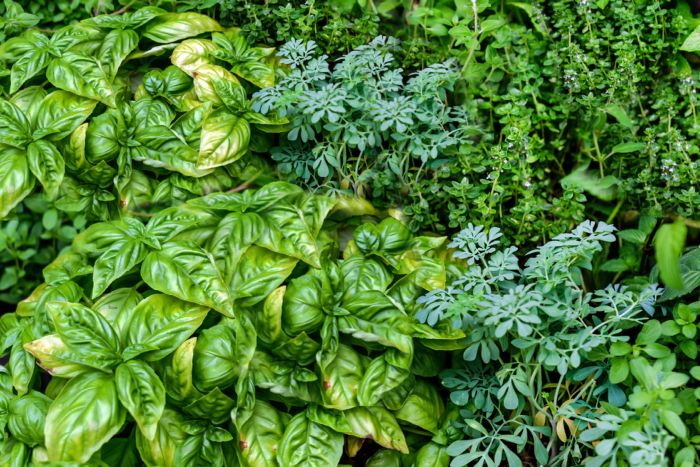
Herbal remedies for menstrual cramps offer a range of preparation methods, each with its own benefits and considerations. Understanding these methods allows you to choose the preparation best suited to your needs and preferences. Proper preparation ensures the maximum effectiveness and safety of the herbal ingredients.
Common Herbal Preparation Methods
Various methods exist for preparing herbal remedies, each influencing the bioavailability and potential effects of the herbs. The most common methods include teas, tinctures, capsules, and topical applications.
- Herbal Teas: A gentle and widely accessible method, herbal teas allow for easy consumption and gradual absorption of the herbs’ beneficial compounds.
- Tinctures: Concentrated extracts of herbs dissolved in alcohol or other solvents, tinctures offer a potent way to deliver a higher dose of active ingredients. This method often provides a more concentrated form of the herb’s properties.
- Capsules: Standardized herbal extracts are often packaged in capsules, providing a convenient and consistent dose for users. This method allows for a controlled release of the herbs’ active compounds.
- Topical Applications: Certain herbs can be applied directly to the skin, offering localized relief. This method is often used for pain relief.
Preparing Herbal Teas for Menstrual Cramps
Herbal teas are a popular and readily available way to incorporate herbs for menstrual cramp relief. Proper preparation maximizes the benefits while minimizing potential risks.
- Gathering Ingredients: Carefully select the desired herbs. Follow recommended dosages and consider any potential allergies or sensitivities.
- Water Quality: Use filtered or spring water to avoid impurities that may affect the taste or quality of the tea. Boiled water is often recommended.
- Steeping Time: The steeping time is crucial for extracting the beneficial compounds. Follow the recommended guidelines for each herb.
- Strain and Serve: Strain the tea to remove the plant matter. Allow the tea to cool slightly before consumption.
- Storage: Store leftover tea in a sealed container in the refrigerator for later use, within 24 hours.
Best Ways to Use Different Herbal Remedies
Different herbal preparations suit different needs. The best method depends on factors like the specific herb, desired effect, and individual preferences. For example, potent tinctures may be suitable for those seeking rapid relief, while teas are more suitable for those seeking a gentle approach.
Herbal Preparation Methods Table
| Preparation Method | Steps | Precautions |
|---|---|---|
| Herbal Tea | 1. Gather ingredients. 2. Boil water. 3. Steep herbs in water. 4. Strain. 5. Serve. | Use filtered water. Follow recommended steeping times. |
| Tincture | 1. Steep herbs in alcohol or other solvent. 2. Strain. 3. Store in a cool, dark place. | Use appropriate solvent. Follow manufacturer instructions. Avoid exceeding recommended dosage. |
| Capsules | 1. Follow dosage instructions provided on the product packaging. | Always consult with a healthcare professional before using herbal supplements. |
Illustrative Information
Unveiling the natural allies in your fight against menstrual cramps involves understanding the herbs themselves. Visualizing these botanical companions provides a deeper appreciation for their roles in traditional medicine and modern herbal remedies. This section will showcase the appearance and growth conditions of popular cramp-relieving herbs, along with their rich history of use.
Herbal Appearance and Growth Conditions
Various herbs possess distinct appearances, contributing to their unique properties. Understanding their growth conditions offers insights into their environments and the potential effects of their environments on their composition. Different climates and soil types can influence the concentration of active compounds within the plant, impacting their efficacy for menstrual cramps. Some thrive in shady environments, others in sun-drenched meadows.
Historical Uses of Herbs
For centuries, cultures worldwide have relied on the healing properties of plants. Evidence suggests that traditional healers utilized these herbs for a wide range of ailments, including menstrual cramps. Their knowledge was often passed down through generations, creating a rich tapestry of herbal wisdom. These traditional practices, documented in various texts and folklore, highlight the long-standing relationship between humanity and the natural world for medicinal purposes.
Herbal Illustrations
This table provides visual representations of some popular herbs used for menstrual cramps, detailing their appearance and growth conditions.
| Image | Common Name | Appearance | Growth Conditions | Historical Uses (brief) |
|---|---|---|---|---|
| (Imagine a picture of a Yarrow plant, showing its feathery flower heads.) | Yarrow | Yarrow is a perennial herb with a slightly woody stem, reaching 1-3 feet in height. Its distinctive feature is the clusters of small, white or light pink flower heads that bloom in summer. The leaves are finely divided, resembling a fern. | Yarrow thrives in well-drained soil and tolerates full sun to partial shade. It is a hardy plant and can adapt to various climates. | Historically used for wound healing, fever reduction, and menstrual irregularities, often incorporated into poultices or teas. |
| (Imagine a picture of a Chamomile plant, highlighting its daisy-like flowers.) | Chamomile | Chamomile is a low-growing perennial herb with a bushy habit. Its delicate, daisy-like flowers are typically white or pale yellow, with a distinct aroma. Leaves are small and lance-shaped. | Chamomile prefers well-drained soil and partial shade, although it can tolerate full sun in some climates. | Widely recognized for its calming properties, historically used for soothing digestive issues and promoting relaxation. Also used in treating menstrual cramps. |
| (Imagine a picture of a Peppermint plant, showcasing its pointed leaves and light purple flowers.) | Peppermint | Peppermint is a perennial herb that grows as a vigorous, upright plant. It has pointed, oval-shaped leaves and small, light purple flowers. | Peppermint thrives in moist, well-drained soil and prefers partial shade. It’s a very adaptable plant. | Historically used for digestive issues and as a refreshing beverage, also for menstrual cramps. Its pungent aroma is known to offer a sense of invigoration. |
Herbal Recipes for Cramps
Herbal remedies offer a range of potential approaches to managing menstrual cramps. These recipes, while not a substitute for medical advice, can be used in conjunction with other strategies to potentially alleviate discomfort. It’s crucial to remember that individual responses to herbal remedies can vary significantly.Effective herbal remedies often combine several herbs to leverage their synergistic effects. Different herbs can address various aspects of menstrual cramps, from reducing inflammation to promoting relaxation and regulating hormonal balance.
Always prioritize consulting with a healthcare professional before incorporating any new remedies into your routine, especially if you have underlying health conditions or are taking other medications.
Herbal Tea Recipes
Herbal teas are a common and convenient way to incorporate herbs into your routine. These teas can be prepared using various methods and offer a gentle way to potentially soothe menstrual cramps. These recipes below should be considered suggestions only, and should not be considered as medical advice.
- Ginger and Lemon Tea: Ginger is known for its anti-inflammatory properties, while lemon can aid digestion and contribute to a sense of well-being. Combine fresh ginger root (about 1 inch) with a slice of lemon and a cup of hot water. Let steep for 5-10 minutes. This combination can help reduce inflammation and potentially ease nausea associated with cramps.
Potential benefits include aiding digestion and providing a comforting warmth. Precautions include avoiding excessive consumption of ginger if you have digestive issues. To prepare at home, finely grate the ginger and steep it in hot water along with the lemon slice.
- Chamomile and Peppermint Tea: Chamomile is well-known for its calming properties, while peppermint can help with muscle relaxation and potentially reduce spasms. Combine equal parts dried chamomile and peppermint flowers with hot water. Steep for 5-10 minutes. This combination can promote relaxation and potentially ease muscle tension, leading to a more comfortable experience. Potential benefits include promoting relaxation and potentially relieving nausea.
Precautions include avoiding if you have a known sensitivity to mint or chamomile. To prepare at home, combine the dried herbs in a teapot and pour hot water over them.
Other Herbal Preparations
Beyond teas, herbal remedies can also be incorporated into other preparations. These methods can potentially provide targeted relief for menstrual cramps.
- Herbal Compress: A warm compress using herbs like ginger, chamomile, or lavender can help soothe the lower abdomen. Steep a handful of dried herbs in hot water, then gently wring out the excess moisture. Place the warm, damp cloth on the lower abdomen for 15-20 minutes. Potential benefits include promoting relaxation and potentially easing pain by promoting warmth.
Precautions include ensuring the compress is not too hot to avoid burns. To prepare at home, use a clean cloth and soak it in the warm herbal tea. Ensure the tea is cool enough to avoid burns before applying to the skin.
- Herbal Baths: Adding calming herbs like lavender, chamomile, or rosemary to a warm bath can create a relaxing experience and potentially ease menstrual cramps. Use a few handfuls of dried herbs, ensuring they are gentle on the skin. Soak in the bath for 15-20 minutes. Potential benefits include promoting relaxation and potentially reducing pain by promoting a calming environment.
Precautions include checking for any allergies to the herbs used. To prepare at home, add the dried herbs to a warm bath and soak in it for the desired duration.
Table of Simple Herbal Recipes
| Recipe | Ingredients | Potential Benefits | Precautions | Preparation |
|---|---|---|---|---|
| Ginger & Lemon Tea | Fresh ginger, lemon, hot water | Anti-inflammatory, aids digestion | Avoid excessive ginger if digestive issues | Grate ginger, steep with lemon in hot water |
| Chamomile & Peppermint Tea | Dried chamomile, peppermint, hot water | Calming, muscle relaxation | Avoid if mint/chamomile sensitive | Combine herbs, steep in hot water |
Ending Remarks
In conclusion, exploring herbs for menstrual cramps offers a pathway to natural relief. While research is ongoing, many herbs demonstrate potential for reducing pain and discomfort. Remember, always consult with a healthcare professional before incorporating new remedies into your routine, especially if you have underlying health conditions. This guide provides valuable insights, but responsible use and personalized care are paramount.
We’ve explored the potential of herbs, but remember to combine them with healthy lifestyle choices for the best results.