
Hearing voices at night can be a deeply unsettling experience, leaving individuals feeling isolated and afraid. This exploration delves into the complex phenomenon of hearing voices at night, examining the potential causes, from psychological factors to medical conditions. We’ll uncover the different ways people interpret these auditory hallucinations, and ultimately, provide insights into coping strategies and support systems.
This in-depth look at hearing voices at night will help readers understand the varied potential triggers and the impact they can have on individuals. From sleep deprivation to underlying medical conditions, the possible factors are examined, alongside the psychological and emotional responses. The aim is to empower readers with knowledge and resources to navigate this complex issue.
Understanding the Phenomenon
Nighttime auditory hallucinations, the experience of hearing voices when asleep or in a drowsy state, can be a deeply unsettling and isolating phenomenon. These experiences can vary greatly in their nature, from seemingly innocuous whispers to harsh, demanding voices. Understanding the potential causes is crucial for seeking appropriate support and treatment.Auditory hallucinations, particularly those occurring during nighttime, are often linked to a complex interplay of biological, psychological, and environmental factors.
The brain’s processing of sensory information during sleep and transition states can be altered, leading to misinterpretations of internal or external stimuli. These misinterpretations can manifest as voices or other auditory sensations.
Potential Causes of Nighttime Auditory Hallucinations
A multitude of factors can contribute to the experience of hearing voices at night. Some are related to underlying medical conditions, while others stem from psychological stress or environmental influences. It’s essential to remember that these experiences can be distressing, and professional medical assessment is crucial for accurate diagnosis and effective management.
Medical Conditions Associated with Nighttime Voices
Several medical conditions can trigger or exacerbate auditory hallucinations during sleep. These conditions affect brain function and can cause misinterpretations of internal signals.
- Schizophrenia and other psychotic disorders:
- Bipolar disorder:
- Anxiety disorders:
- Post-traumatic stress disorder (PTSD):
- Neurological conditions:
- Medication side effects:
- Sleep disorders:
Auditory hallucinations are a common symptom of these conditions, often presenting as persistent voices during waking hours and also potentially manifesting during sleep.
Episodes of mania or depression can sometimes be accompanied by auditory hallucinations, which may be more pronounced during periods of heightened emotional distress, including those related to sleep.
Chronic anxiety can significantly impact sleep quality and contribute to auditory hallucinations, particularly in the transition between wakefulness and sleep. This can be triggered by a multitude of factors, including stress and sleep deprivation.
Ever heard voices at night? It’s a weird experience, right? Sometimes, it can feel like your brain is playing tricks on you. While I’m not a doctor, I’ve been wondering if something like mononucleosis could be a contributing factor. I’ve read that you can’t necessarily get mono twice, but it’s something to consider, especially when you’re not feeling your best.
can you get mono twice. Still, it’s a complex issue, and it’s important to remember that hearing voices at night could have many different causes. It’s always best to talk to a medical professional if you’re concerned.
Nightmares and auditory hallucinations are often part of the experience of individuals with PTSD, potentially linked to intrusive thoughts and memories during sleep.
Conditions such as epilepsy, brain tumors, and multiple sclerosis can sometimes cause auditory hallucinations as a side effect.
Certain medications can cause or exacerbate auditory hallucinations, especially those impacting brain chemistry or neurotransmitter levels.
Conditions such as sleep apnea and narcolepsy can significantly impact sleep quality and increase the likelihood of experiencing auditory hallucinations.
Comparison of Nighttime Auditory Hallucination Triggers
This table provides a comparative analysis of common triggers for nighttime auditory hallucinations, outlining their descriptions, potential impacts, and relative severity.
| Trigger | Description | Potential Impact | Severity |
|---|---|---|---|
| Stress | High levels of mental or emotional strain, often due to demanding situations, relationship conflicts, or financial pressures. | Increased anxiety, difficulty sleeping, and heightened sensitivity to sensory input, potentially leading to more vivid or frequent auditory hallucinations. | Moderate to high, depending on the individual’s stress levels and coping mechanisms. |
| Sleep Deprivation | Insufficient sleep, either due to lifestyle choices, underlying sleep disorders, or external factors. | Reduced cognitive function, increased irritability, and heightened susceptibility to auditory misinterpretations during sleep transitions. | Moderate to high, with prolonged sleep deprivation increasing the severity of the hallucinations. |
| Substance Use | Ingestion of drugs or alcohol, which can disrupt normal brain function and heighten sensitivity to sensory input. | Altered perception, confusion, and increased risk of experiencing auditory hallucinations. | High, especially with substances that have significant neurotoxic effects. |
| Underlying Medical Conditions | Presence of an undiagnosed or untreated medical condition affecting brain function. | Potentially significant and varied, depending on the specific condition and its impact on the brain. | High, requiring immediate medical attention. |
Psychological Aspects
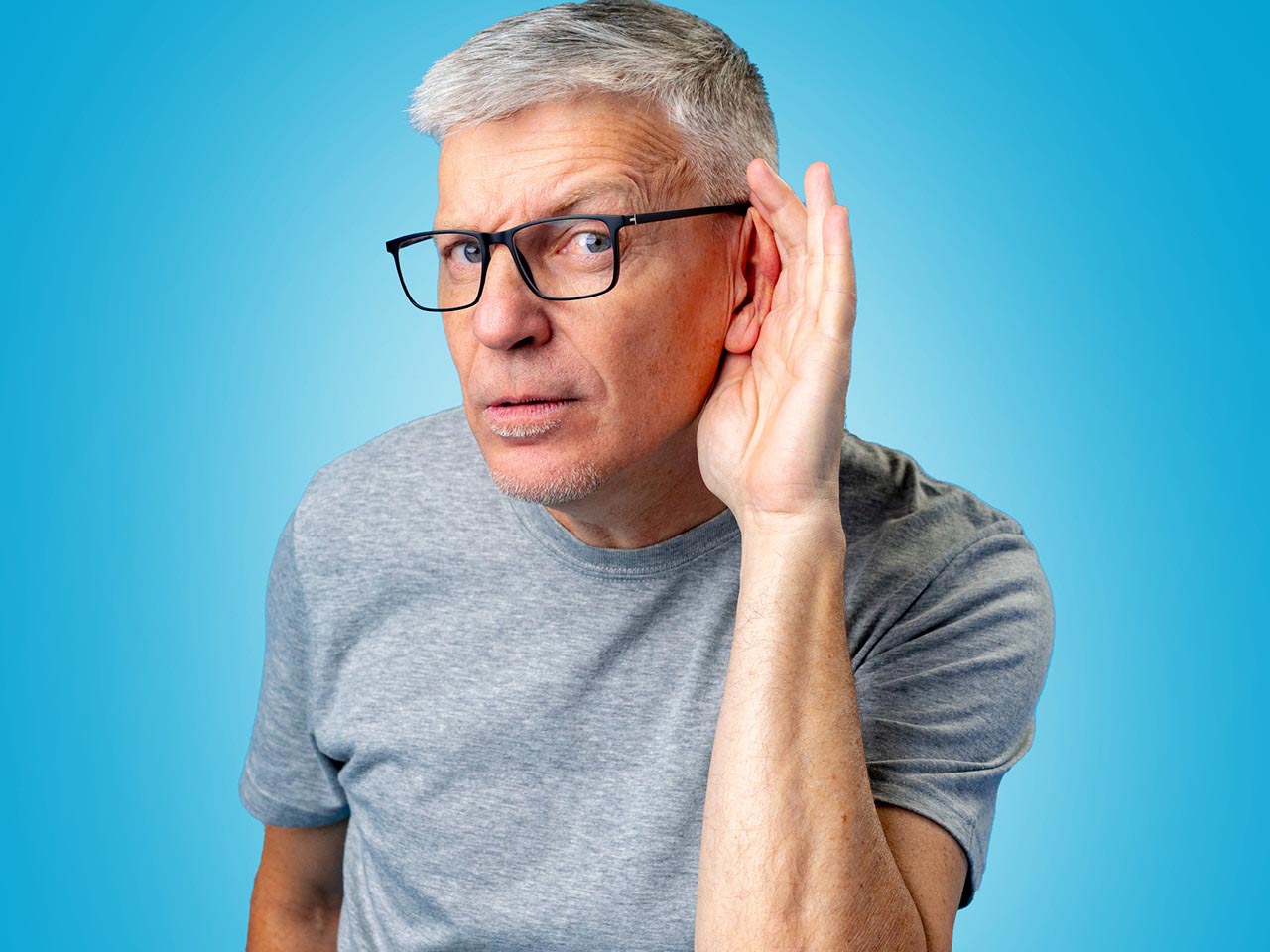
Nighttime auditory hallucinations, the experience of hearing voices during sleep, can stem from a complex interplay of psychological factors. These experiences aren’t simply a product of a disordered mind, but often manifest as a symptom of underlying psychological distress or a deeper condition. Understanding these factors is crucial for effective support and treatment.The presence of nighttime voices can be a manifestation of a pre-existing mental health condition, such as psychosis, anxiety disorders, or mood disorders.
These conditions can alter brain chemistry and activity patterns, making the individual more susceptible to experiencing auditory hallucinations, especially during periods of sleep when the brain’s filtering mechanisms are less active. Further, the individual’s interpretation of these voices can significantly influence the emotional response and the subsequent impact on their well-being.
Mental Health Conditions and Nighttime Auditory Hallucinations
Mental health conditions, including schizophrenia, bipolar disorder, and major depressive disorder, can increase the likelihood of experiencing nighttime auditory hallucinations. These conditions often involve disruptions in brain function, impacting the processing and interpretation of sensory information. For instance, individuals with schizophrenia may experience voices that comment on their actions or thoughts, creating feelings of paranoia or distress. Similarly, those with bipolar disorder may experience voices during manic or depressive episodes, further exacerbating their emotional state.
Ever woken up to unsettling whispers in the dead of night? Hearing voices can be deeply disturbing, and it’s often a symptom of underlying conditions. One potential factor contributing to such experiences is the complex interplay of genetics and environmental triggers, which can manifest in various mental health conditions, including bipolar disorder. Learning more about what causes bipolar disorder can offer insights into the potential connections.
For more information on this, check out this resource: what causes bipolar disorder. Ultimately, understanding the possible reasons behind hearing voices at night is crucial for seeking appropriate support and treatment.
Impact of Stress, Anxiety, and Trauma, Hearing voices at night
Stress, anxiety, and past trauma can also significantly contribute to the occurrence of nighttime auditory hallucinations. These experiences can be triggered by overwhelming life events, including significant losses, relationship problems, or exposure to violence or abuse. Stress hormones released during these situations can disrupt sleep patterns and increase the vulnerability to auditory hallucinations. For example, a person experiencing chronic stress from a demanding job might experience more frequent or intense auditory hallucinations during sleep, potentially stemming from the unresolved anxiety and heightened physiological arousal.
Similarly, trauma survivors may experience voices that replay traumatic events or offer threats or criticisms.
Interpretation and Response to Nighttime Voices
Individuals respond to nighttime voices in diverse ways. Some may interpret the voices as real, external entities, leading to fear, anxiety, and a sense of isolation. Others may perceive the voices as internal thoughts or feelings, experiencing confusion or disorientation. This variation in interpretation significantly impacts the individual’s emotional reaction and subsequent coping mechanisms. An individual who interprets the voices as a threat may react with heightened fear and avoidance behaviors, whereas someone who views them as a part of their internal experience might experience confusion and distress but not necessarily fear.
Common Emotional Responses to Nighttime Voices
| Emotional Response | Description | Frequency | Potential Impact |
|---|---|---|---|
| Fear | A strong feeling of dread or apprehension, often accompanied by physical sensations like rapid heartbeat or sweating. | Common, especially if the voices are perceived as threatening or malicious. | Can lead to sleep disturbances, anxiety, and avoidance behaviors. |
| Confusion | A feeling of uncertainty or bewilderment, often arising from difficulty understanding the source or meaning of the voices. | Frequently experienced, particularly when the voices are fragmented or nonsensical. | Can contribute to feelings of disorientation and distress. |
| Anxiety | A state of worry, nervousness, or unease, often accompanied by physical symptoms such as restlessness and difficulty concentrating. | Common, especially if the voices are perceived as critical or judgemental. | Can negatively affect daily functioning, sleep quality, and overall well-being. |
| Distress | A general feeling of discomfort, unhappiness, or pain. | Common; often associated with other emotions like fear, confusion, or anxiety. | Can lead to isolation, avoidance, and difficulty in seeking help. |
| Paranoia | A pervasive and unfounded suspicion or distrust of others. | Can be present, particularly if the voices express malicious intentions. | Can significantly impair interpersonal relationships and lead to social withdrawal. |
Medical Considerations: Hearing Voices At Night
Nighttime auditory hallucinations, while often linked to psychological factors, can also stem from underlying medical conditions. Understanding these potential medical causes is crucial for effective diagnosis and treatment. Proper evaluation by a medical professional is essential to determine the root cause and tailor interventions accordingly.A comprehensive medical evaluation is paramount to disentangle the psychological and medical aspects of the experience.
This involves a thorough assessment of the patient’s overall health, including a detailed history of their symptoms, medication use, and substance intake. The interplay between physical health and mental well-being often plays a significant role in the manifestation of nighttime auditory hallucinations.
Medical Conditions Associated with Nighttime Auditory Hallucinations
Numerous medical conditions can be linked to auditory hallucinations, particularly at night. These conditions can affect the brain’s function and communication, leading to unusual experiences. Examples include neurological disorders, sleep disorders, and certain infections. A thorough medical history is vital in identifying potential underlying causes.
Role of Medications and Substance Use
Certain medications can induce or exacerbate auditory hallucinations. Antidepressants, antipsychotics, and medications for other conditions, including some pain relievers, can sometimes have unintended side effects. The impact of substance use, including alcohol and illicit drugs, is also a critical consideration. Substance withdrawal can also trigger similar experiences. Careful consideration of medication history and substance use patterns is essential in understanding the possible contribution to nighttime auditory hallucinations.
Neurological Basis of Hearing Voices at Night
The neurological basis of nighttime auditory hallucinations is complex and not fully understood. Brain imaging studies and neurological evaluations may offer insights into potential structural or functional abnormalities. These might include damage to areas of the brain involved in auditory processing, memory, or emotion regulation. Potential dysfunction in the neural pathways responsible for processing sensory input and internal thoughts can contribute to the experience.
Research is ongoing to further elucidate the intricate neurological mechanisms involved.
Sleep Disorders and Their Contribution
Sleep disorders are often implicated in the experience of auditory hallucinations at night. Disturbed sleep patterns can disrupt the brain’s normal functioning, potentially influencing perception and cognition. Disrupted sleep can impair the brain’s ability to distinguish between internal thoughts and external stimuli. This can lead to the misinterpretation of internal thoughts as external voices.
Table of Common Sleep Disorders and Possible Connections
| Sleep Disorder | Description | Possible Connection | Severity |
|---|---|---|---|
| Insomnia | Difficulty falling asleep, staying asleep, or experiencing restful sleep. | Prolonged sleep deprivation can heighten anxiety and stress, potentially leading to misinterpretations of internal thoughts. | Mild to severe |
| Sleep Apnea | Interruptions in breathing during sleep, often leading to fragmented sleep. | Repeated awakenings and oxygen deprivation can disrupt brain function, possibly contributing to auditory hallucinations. | Mild to severe |
| Restless Legs Syndrome (RLS) | Irresistible urge to move legs, often accompanied by unpleasant sensations. | The discomfort and frequent movements during sleep can disrupt sleep patterns, leading to fatigue and increased susceptibility to misinterpretations. | Mild to severe |
| Narcolepsy | Sudden and excessive daytime sleepiness, along with other sleep-related issues. | Sleep paralysis or hypnagogic hallucinations, often associated with narcolepsy, might manifest as auditory hallucinations during sleep transitions. | Mild to severe |
| Parasomnias (e.g., nightmares, sleepwalking) | Abnormal behaviors or experiences during sleep. | These sleep disorders can disrupt the normal sleep cycle and contribute to the experience of hallucinations, possibly through intense emotions or stress. | Mild to severe |
Coping Strategies and Support

Experiencing voices at night can be profoundly unsettling. Finding effective coping mechanisms and building a supportive environment is crucial for navigating these challenging experiences. This section details strategies for managing the voices, fear, and anxiety, and for seeking professional help.
Managing the Experience of Hearing Voices
Nighttime voices, often a symptom of a mental health condition, can disrupt sleep and daily life. Recognizing these voices as a symptom, not a personal failing, is a crucial first step. Attempting to engage with or argue with the voices is often unproductive and can escalate distress. Instead, focus on recognizing the pattern and triggers of the voices.
Journaling can be helpful to track when and how the voices manifest. Identifying potential patterns, like stress levels or specific times of the night, can aid in developing strategies to mitigate the experience.
Dealing with Fear and Anxiety
Fear and anxiety are common responses to hearing voices, particularly at night when sensory input is heightened. It’s important to understand that these feelings are a normal response to a distressing situation. Employing relaxation techniques can help manage anxiety. Deep breathing exercises, progressive muscle relaxation, and mindfulness meditation can be effective in calming the body and mind.
Consider creating a calming nighttime routine, such as a warm bath, gentle stretching, or listening to soothing music. These routines can help prepare the body for sleep and reduce anxiety.
Establishing a Supportive Environment
A supportive environment is essential for managing nighttime voices. Open communication with trusted individuals, such as family members or friends, is beneficial. Explaining the experience can provide understanding and validation. Creating a safe and quiet sleep space is vital. Using earplugs or white noise machines can help block out disruptive sounds and create a sense of security.
Maintaining a consistent sleep schedule, even on nights when voices are present, can also help regulate the body’s natural sleep-wake cycle.
Seeking Professional Help and Support Groups
Professional help is often necessary for managing persistent or distressing experiences with nighttime voices. Mental health professionals, such as therapists or psychiatrists, can provide guidance and support. These professionals can help develop coping strategies tailored to individual needs and can diagnose any underlying conditions. Support groups offer a safe space for individuals to share experiences with others facing similar challenges.
Connecting with others who understand can provide a sense of community and validation. These groups offer peer support and valuable insights into navigating the experience.
Calming Techniques
Developing calming techniques can be instrumental in managing episodes of heightened distress. These techniques should be practiced regularly to build resilience and coping mechanisms.
Ever heard voices at night? It’s a weird experience, and sometimes it’s tough to figure out what’s going on. It could be something more than just stress, especially if you’re taking certain medications, like some that cause vaginal dryness, which can be a surprising side effect. While exploring that connection, maybe you’ll find a solution to the night noises.
medications that cause vaginal dryness can be a factor. It’s worth considering the possibility of an underlying cause and remembering that you’re not alone in experiencing this.
- Deep Breathing Exercises: Inhale slowly and deeply through your nose, hold for a few seconds, and exhale slowly through your mouth. Repeat several times. This technique can help calm the nervous system and reduce feelings of anxiety.
- Progressive Muscle Relaxation: Tense and release different muscle groups in your body, starting from your toes and working your way up to your head. This technique helps release physical tension associated with anxiety.
- Mindfulness Meditation: Focus on the present moment without judgment. Pay attention to your thoughts and feelings without getting carried away by them. This technique can help cultivate awareness and reduce overthinking.
- Grounding Techniques: Focus on your senses. Name five things you see, four things you touch, three things you hear, two things you smell, and one thing you taste. This technique can help you connect with the present moment and reduce feelings of detachment or disorientation.
Illustrative Cases
Hearing voices at night can be a deeply unsettling and isolating experience. The causes are often complex, woven from a tapestry of psychological, emotional, and sometimes even medical factors. Understanding these individual threads is crucial to offering appropriate support and treatment. This section will explore fictional case studies to illustrate the variety of experiences and factors involved.
A Complex Case Study: Sarah’s Experience
Sarah, a 27-year-old woman, began experiencing auditory hallucinations predominantly at night. Her symptoms started subtly, with occasional whispers and murmurs, escalating to full-blown conversations and accusations. This progression suggests a gradual increase in the intensity of the voices. Several factors contributed to her experience. She had a history of anxiety and depression, worsened by a recent job loss and the stress of strained family relationships.
Her sleep hygiene was poor, compounded by a stressful schedule. These factors, while seemingly disparate, created a perfect storm that amplified her pre-existing vulnerabilities.
Medical and Psychological Aspects of Sarah’s Case
Sarah’s case highlights the intricate interplay of medical and psychological factors. Her history of anxiety and depression, combined with the recent stressors, likely played a significant role in triggering or exacerbating her auditory hallucinations. A thorough medical evaluation, including a neurological examination and blood tests, was crucial to rule out any underlying medical conditions. The evaluation would assess for conditions like thyroid dysfunction or other neurological disorders that might cause similar symptoms.
The medical professional would also look for substance abuse as a contributing factor. Psychological assessment would focus on her current mental state, her past experiences, and the potential role of trauma in shaping her experience. Therapy could help her develop coping mechanisms to manage her anxiety and depression, and to address any underlying trauma.
Coping Strategies for Sarah
Sarah’s experience demonstrates the importance of individualized coping strategies. She initially attempted to ignore the voices, but this proved ineffective. Through therapy, she learned techniques to ground herself in the present moment. These included mindfulness exercises, deep breathing, and progressive muscle relaxation. She also participated in a support group for individuals experiencing auditory hallucinations, which provided valuable emotional support and practical advice.
Crucially, she improved her sleep hygiene by establishing a consistent sleep schedule, creating a relaxing bedtime routine, and reducing stress before bed. Cognitive Behavioral Therapy (CBT) techniques were also implemented to challenge negative thought patterns and beliefs triggered by the voices.
A Case Study Illustrating Successful Coping
The case of David, a 48-year-old man, provides a more positive illustration. David, diagnosed with schizophrenia, was experiencing voices that were predominantly critical and judgmental. His initial response was to isolate himself, exacerbating his feelings of distress. Through medication and therapy, he learned to challenge the voices’ messages. This involved recognizing them as products of his illness and not reflecting reality.
Cognitive restructuring techniques helped him replace negative thoughts with more positive and realistic ones. David’s engagement in structured social activities and community involvement reduced the feeling of isolation and strengthened his support network. He actively engaged in support groups for individuals with schizophrenia. The support group provided a safe space for sharing experiences and developing coping strategies, contributing significantly to his overall well-being.
Final Conclusion
In conclusion, hearing voices at night is a multifaceted issue with potential roots in various factors, including psychological distress, medical conditions, and sleep disorders. This exploration highlights the importance of understanding the nuances of this experience and emphasizes the availability of support systems and coping mechanisms. Ultimately, recognizing the complexity of the issue and seeking appropriate help is crucial for navigating this challenging experience.