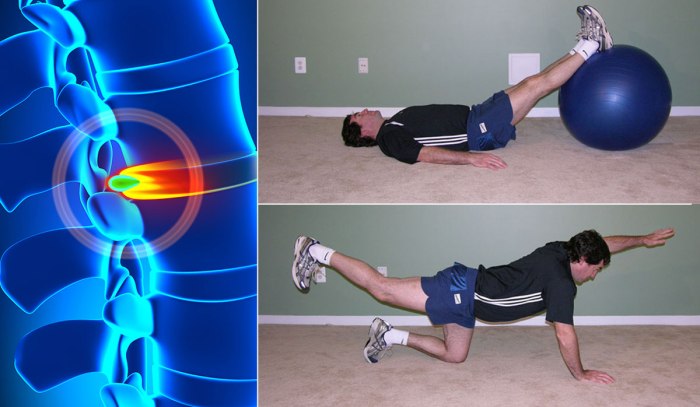
Exercises for herniated disc can be a powerful tool in managing pain and improving function. This guide explores various types of exercises, from strengthening to stretching and aerobic, tailored to support individuals with herniated discs. We’ll delve into the specifics of each exercise, highlighting benefits and precautions. Understanding the different types of herniated discs, their symptoms, and proper posture is crucial for creating a safe and effective exercise plan.
This comprehensive guide will cover everything from identifying the different types of herniated discs to understanding the exercises that can help you manage your condition effectively. We’ll discuss strengthening exercises for core, back, and legs, along with stretching and aerobic routines. We’ll also explore the critical role of posture and movement advice in preventing and managing herniated discs.
Introduction to Herniated Discs
A herniated disc, also known as a slipped disc, occurs when the soft, gel-like center of a spinal disc (the nucleus pulposus) pushes through a tear or weakness in the tough outer layer (the annulus fibrosus). This can put pressure on nearby nerves, causing pain, numbness, and other symptoms. Understanding the different types and causes of herniated discs is crucial for effective diagnosis and treatment.Herniated discs are a common spinal problem, often affecting individuals between the ages of 30 and 50.
The location of the herniation, along with the type of herniation, dictates the specific symptoms and treatment options. Factors such as age, occupation, and lifestyle choices can increase the risk of developing a herniated disc.
Types of Herniated Discs
Herniated discs manifest in various forms, each with unique characteristics. The level of severity and the resulting symptoms vary based on the type of herniation.
Different Types and Their Characteristics
The degree of herniation and the extent of the damage to the disc vary, leading to different types. These include bulges, protrusions, extrusions, and sequestrations.
| Feature | Bulge | Protrusion | Extrusion | Sequestration |
|---|---|---|---|---|
| Description | The nucleus pulposus pushes against, but does not break through, the annulus fibrosus. It remains contained within the disc. | The nucleus pulposus pushes through the annulus fibrosus, but remains largely contained within the disc. | The nucleus pulposus breaks through the annulus fibrosus and extends beyond the disc. | The nucleus pulposus breaks through the annulus fibrosus, and a portion of it separates completely from the disc, often becoming free-floating in the spinal canal. |
| Severity | Generally, the least severe type, often causing minimal or no symptoms. | Can cause mild to moderate pain and other symptoms, depending on the degree of pressure on nearby nerves. | Potentially more severe than a protrusion, as the herniated material is larger and can put more pressure on the spinal nerves. | Typically the most severe type, as the separated fragment can cause significant pressure and damage to the surrounding nerves. |
| Treatment | Often managed conservatively with pain relievers, physical therapy, and lifestyle modifications. | May require similar conservative treatments as a bulge, but surgical intervention may be considered if symptoms are severe or persistent. | Often requires surgical intervention to remove the herniated material and relieve pressure on the nerves. | Surgical intervention is almost always necessary to remove the sequestered fragment and relieve pressure on the nerves. |
Common Causes of Herniated Discs
Several factors can contribute to the development of herniated discs.
- Age-related degeneration: As we age, the discs naturally lose water content and become less resilient, making them more susceptible to injury. This is a significant factor, often leading to the gradual weakening of the disc.
- Repetitive stress and strain: Certain occupations or activities involving repetitive bending, lifting, or twisting can put excessive stress on the spinal discs, increasing the risk of herniation. For example, manual labor jobs or those involving heavy lifting can significantly contribute.
- Sudden trauma: A sudden impact or injury to the spine, such as a fall or car accident, can cause a herniated disc. The impact forces the nucleus pulposus to shift beyond the limits of the annulus fibrosus.
- Obesity: Excess weight puts additional pressure on the spine, increasing the risk of disc herniation. The added weight directly impacts the spinal column and the discs within.
Symptoms and Diagnosis
Understanding the symptoms and diagnostic process for herniated discs is crucial for timely intervention and effective treatment. A herniated disc, also known as a slipped disc, occurs when the soft inner material of an intervertebral disc bulges or ruptures, pressing on nearby nerves. This pressure can lead to a range of symptoms, and accurate diagnosis is essential for determining the appropriate course of action.Accurate diagnosis hinges on a comprehensive evaluation of symptoms, coupled with appropriate imaging techniques.
Physicians use a combination of patient history, physical examinations, and diagnostic imaging to identify the location and extent of the herniation. This information is critical in guiding treatment decisions.
Typical Symptoms of Herniated Discs
Herniated discs manifest in a variety of ways, often depending on the specific location and severity of the herniation. Common symptoms include pain, numbness, and tingling, radiating along nerve pathways.
- Pain: This is often the most prominent symptom, ranging from a dull ache to sharp, shooting pain. The pain may be localized or radiate to other areas, following the path of the affected nerve. For example, a herniated disc in the lower back might cause pain that extends down one leg. The intensity of pain can vary greatly, from mild discomfort to debilitating agony.
- Numbness and Tingling (Paresthesia): Numbness or tingling sensations, often described as “pins and needles,” may accompany the pain. These sensations can affect various parts of the body, depending on the nerve roots involved. A herniated disc in the neck might cause numbness in the hand or arm.
- Muscle Weakness: Depending on the severity of the nerve compression, weakness in the muscles controlled by the affected nerve may occur. This can lead to difficulty with movement or certain tasks. For example, weakness in the leg muscles could make walking or climbing stairs challenging.
- Changes in Bowel or Bladder Function: In more severe cases, herniated discs can compress nerves that control bowel and bladder function, potentially leading to issues like incontinence or difficulty with urination. This is a serious symptom and warrants immediate medical attention.
Diagnostic Methods for Herniated Discs
A thorough diagnostic process is vital for identifying a herniated disc. This typically involves a combination of steps.
So, you’ve got a herniated disc? Finding the right exercises is key to recovery. Gentle stretches and targeted strength training can really help, but remember that every body is different. For example, while you’re focusing on those back exercises, you might also want to consider the long-term health risks of smoking cessation, like the risk of lung cancer in former smokers.
risk of lung cancer in former smokers. Ultimately, listening to your body and consulting a physical therapist is crucial for a safe and effective recovery plan.
- Patient History: Gathering information about the patient’s symptoms, including the location, onset, and characteristics of the pain, is crucial. This helps pinpoint potential causes and risk factors. The duration and frequency of symptoms, as well as any previous injuries or conditions, provide vital context.
- Physical Examination: A physical examination allows the physician to assess the patient’s range of motion, muscle strength, and reflexes. Specific tests can identify areas of nerve compression or weakness. This provides valuable information about the possible source of the symptoms.
- Imaging Techniques: Diagnostic imaging plays a key role in visualizing the spine and identifying any structural abnormalities, such as herniated discs. Several imaging methods are commonly employed.
Diagnostic Imaging Techniques
Various imaging techniques can be used to confirm the presence of a herniated disc and assess the severity of the condition.
- X-rays: X-rays primarily reveal the bony structures of the spine. While useful for detecting fractures or alignment problems, they are not as effective in visualizing soft tissues like the discs themselves. Therefore, they are often used in conjunction with other imaging techniques.
- Magnetic Resonance Imaging (MRI): MRI is a powerful imaging technique that provides detailed images of soft tissues, including the spinal cord, nerves, and discs. MRI is considered the gold standard for diagnosing herniated discs due to its ability to visualize the herniation and surrounding structures clearly. It shows the exact location and extent of the herniation and any associated nerve impingement.
- Computed Tomography (CT) Scan: CT scans use X-rays to create detailed cross-sectional images of the spine. CT scans are useful in visualizing bony structures and can sometimes provide additional information about the herniation, especially if bony spurs or other bony structures are suspected to be contributing to the symptoms.
Symptom Severity Table
This table Artikels common symptoms and their potential severity levels. It’s important to remember that this is not a definitive guide, and the severity of symptoms can vary significantly from person to person.
| Symptom | Description | Possible Severity |
|---|---|---|
| Pain | Localized or radiating pain, varying in intensity (from mild to severe) | Mild: Intermittent, manageable; Moderate: Frequent, affecting daily activities; Severe: Constant, debilitating |
| Numbness/Tingling | Sensations of pins and needles, or loss of sensation | Mild: Occasional; Moderate: Persistent, affecting function; Severe: Complete loss of sensation |
| Muscle Weakness | Decreased strength in affected muscles | Mild: Slight weakness; Moderate: Difficulty with movement; Severe: Inability to use affected muscles |
| Bowel/Bladder Dysfunction | Problems with bowel or bladder control | Significant and warrants immediate medical attention. |
Types of Exercises for Herniated Discs
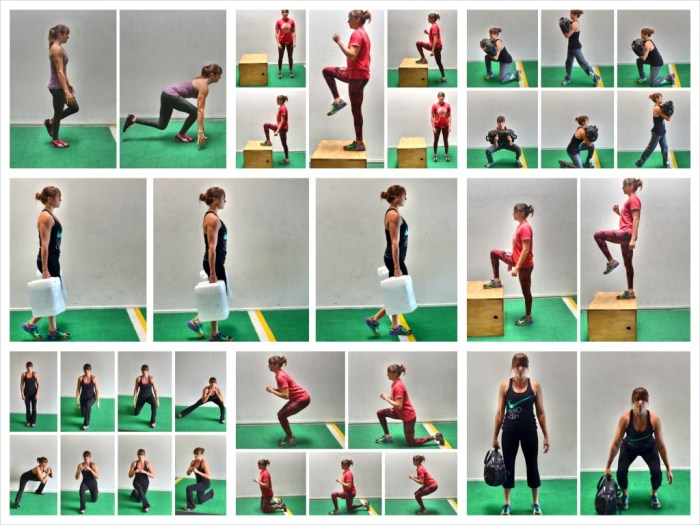
Understanding the different types of exercises tailored for herniated discs is crucial for managing pain and promoting healing. These exercises are designed to strengthen the surrounding muscles, improve flexibility, and reduce pressure on the affected disc. Proper guidance from a healthcare professional is essential to ensure safety and effectiveness.Effective exercise programs for herniated discs address various aspects of spinal health, including core strength, flexibility, and posture.
Finding the right exercises for a herniated disc can be tricky, but focusing on gentle movements is key. While exploring different approaches, it’s worth considering the potential impact of conditions like terminal ileitis. Understanding more about this condition can be really helpful, especially if you’re looking for ways to support your overall health and well-being. Fortunately, there’s a great resource for learning more about terminal ileitis overview and more here.
Ultimately, listening to your body and choosing exercises that don’t exacerbate your pain is crucial for successful recovery from a herniated disc.
The right exercises can help reduce pain, prevent further injury, and facilitate a smoother recovery process. Remember, individual needs vary, so consulting a physical therapist is highly recommended for personalized guidance.
Strengthening Exercises
Strengthening exercises for herniated discs focus on building core strength and spinal stability. These exercises are vital in supporting the spine and reducing the risk of future herniations. Exercises targeting the abdominal muscles, back muscles, and gluteal muscles are particularly important.
- Plank: Holding a plank position engages multiple muscle groups, including the core, shoulders, and back. This exercise helps to improve core strength and stability, reducing stress on the spine. Precautions include maintaining proper form to avoid straining the neck or lower back. Start with short durations and gradually increase the hold time as strength improves.
- Bird Dog: This exercise targets the muscles of the back and glutes, strengthening the spine and promoting core stability. It’s important to keep the back straight and avoid arching or twisting during the movement. Begin with controlled repetitions and gradually increase the number of repetitions as tolerated.
- Side Plank: Similar to the plank, but performed on one side. This exercise works the obliques and helps stabilize the spine. Keep the body in a straight line from head to heels. Start with shorter durations and gradually increase the hold time.
Flexibility Exercises
Flexibility exercises are essential for restoring range of motion and reducing stiffness in the affected area. Maintaining flexibility can prevent further discomfort and improve overall spinal health.
- Cat-Cow Stretch: This gentle movement helps to mobilize the spine and improve flexibility. Ensure to maintain a controlled rhythm to avoid any jerking or straining. Perform a few repetitions, focusing on the controlled flow of the movement.
- Knee-to-Chest Stretch: This stretch targets the lower back muscles, helping to improve flexibility and relieve tension. Hold the stretch for a few seconds and repeat several times, focusing on maintaining a controlled stretch.
- Hamstring Stretches: Stretching the hamstrings can help alleviate tightness in the lower back. Hold each stretch for 15-30 seconds and repeat several times, focusing on a gradual and controlled stretch.
Stabilization Exercises
Stabilization exercises focus on strengthening the muscles that support the spine, thus improving its overall stability. These exercises help to reduce the pressure on the affected disc and prevent future issues.
- Pelvic Tilts: This exercise targets the muscles of the pelvis and lower back, improving spinal stability. Maintain a slow and controlled movement, focusing on the contraction and release of the targeted muscles.
- Prone Bridges: This exercise builds strength in the back muscles, improving posture and stability. Start with a small range of motion and gradually increase as tolerated.
Table of Exercises by Body Part Affected
| Body Part | Exercise Type | Description | Precautions |
|---|---|---|---|
| Lower Back | Pelvic Tilts | Gentle tilting of the pelvis to engage core muscles. | Avoid jerking movements, maintain a slow and controlled motion. |
| Lower Back | Cat-Cow Stretch | Gentle spinal flexion and extension. | Maintain a smooth, controlled rhythm. |
| Core | Plank | Holding a plank position. | Maintain a straight line from head to heels, avoid sagging or arching. |
| Core | Bird Dog | Strengthening back and gluteal muscles. | Keep the back straight, avoid twisting or arching. |
Strengthening Exercises
Strengthening exercises are crucial for managing herniated discs, as they help to stabilize the spine, reduce pain, and improve overall function. A strong core and back, along with strong leg muscles, provide the support needed to prevent further injury and promote healing. These exercises are designed to build strength gradually, focusing on proper form and avoiding movements that could exacerbate the herniated disc.Strengthening exercises are essential for managing a herniated disc because they address the underlying weakness that often contributes to the problem.
By building strength in the core, back, and legs, the exercises help to stabilize the spine, reduce pressure on the affected disc, and improve posture. This, in turn, can alleviate pain, improve mobility, and enhance the overall recovery process.
Core Strengthening Exercises
Core strengthening exercises are vital for supporting the spine and reducing pressure on the herniated disc. These exercises focus on engaging the abdominal muscles, back muscles, and pelvic floor, creating a strong core unit.
- Plank: Holding a plank position strengthens the core muscles, particularly the abdominal muscles, which support the spine. Variations include side planks and forearm planks for different levels of intensity. Proper form is crucial; keep the body in a straight line from head to heels to avoid unnecessary stress on the spine.
- Bird-dog: This exercise works on the deep core muscles, including the spinal erectors. The bird-dog exercise engages the muscles of the back and core simultaneously, improving balance and spinal stability.
- Crunches (modified): While standard crunches can be too intense for those with herniated discs, modified versions, such as lying leg raises, can still engage core muscles effectively without putting undue pressure on the spine.
Back Strengthening Exercises, Exercises for herniated disc
Strengthening back muscles is vital for supporting the spine and mitigating the stress on the herniated disc.
- Superman: This exercise targets the muscles of the back, glutes, and hamstrings, improving posture and spinal stability. It is essential to maintain proper form to avoid straining the back.
- Prone rows: This exercise strengthens the upper back muscles, improving posture and stability. Using resistance bands or light weights is a good starting point. Always ensure a controlled motion to prevent jerky movements.
- Bent-over rows (modified): This exercise strengthens the back muscles. Modifying the exercise by using lighter weights or resistance bands, and focusing on controlled movements, helps avoid exacerbating the herniated disc.
Leg Strengthening Exercises
Strengthening leg muscles is crucial for overall spinal stability and support.
- Hip bridges: This exercise targets the glutes and hamstrings, strengthening the muscles that support the pelvis and lower back. Proper form is key to avoid straining the spine.
- Leg extensions: This exercise strengthens the quadriceps, which play a vital role in maintaining balance and stability, thus supporting the spine.
- Hamstring curls: These exercises target the hamstring muscles, which support the lower back. It is important to perform these exercises with controlled movements and avoid excessive stress on the back.
Sample Strengthening Routine for a Patient with a Herniated Disc
A sample routine should be tailored to the individual patient’s needs and pain tolerance. Consult a physical therapist for personalized guidance and modifications.
| Exercise | Sets | Repetitions | Rest Time |
|---|---|---|---|
| Plank | 2 | 30 seconds | 30 seconds |
| Bird-dog | 2 | 10-12 repetitions per side | 1 minute |
| Superman | 2 | 10-12 repetitions | 1 minute |
| Hip bridges | 2 | 10-12 repetitions | 1 minute |
| Leg extensions | 2 | 10-12 repetitions per leg | 1 minute |
| Hamstring curls | 2 | 10-12 repetitions per leg | 1 minute |
Remember to listen to your body and stop if you experience any pain. Gradual progression and proper form are essential for safe and effective exercise. Consult a healthcare professional for guidance tailored to your specific condition.
Stretching Exercises
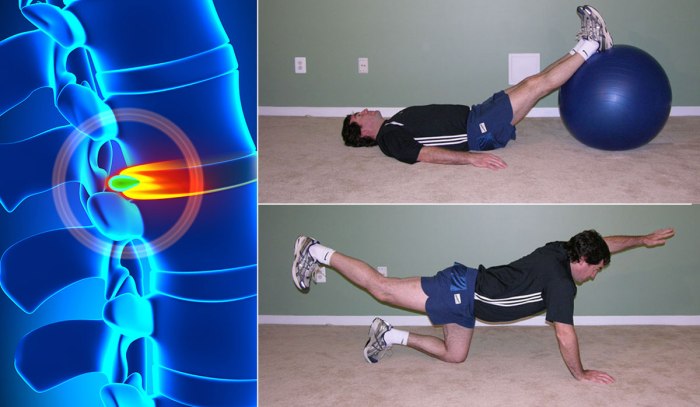
Gentle stretching is crucial for managing herniated disc pain and improving spinal health. It helps increase flexibility, reduce muscle tension, and promote better posture. By targeting specific muscle groups, stretching exercises can alleviate pressure on the affected area, contributing to long-term pain relief and preventing future issues.
Importance of Stretching for Herniated Discs
Stretching exercises play a vital role in managing herniated discs. Regular stretching helps to maintain the flexibility of the muscles and ligaments surrounding the spine. This flexibility reduces stress on the affected area, which in turn minimizes pain and discomfort. Maintaining spinal flexibility also supports healthy posture, preventing further injury and promoting overall well-being.
Examples of Effective Stretching Exercises
Effective stretching exercises for herniated discs focus on specific muscle groups that support the spine. These exercises should be performed slowly and gently, avoiding any sudden or forceful movements that might exacerbate the pain.
- Hamstring Stretches: These stretches target the back of the thighs, which are crucial for maintaining spinal posture. Sitting on the floor with legs extended, gently reach forward and grasp your feet or ankles. Hold the stretch for 15-30 seconds, feeling the stretch in the hamstrings and lower back. Repeat 2-3 times.
- Lower Back Stretches: These stretches target the muscles surrounding the lumbar spine. Lie on your back with knees bent and feet flat on the floor. Gently pull one knee towards your chest, holding for 15-30 seconds. Repeat with the other leg. Alternatively, lie on your back and gently roll your knees from side to side, feeling the stretch in your lower back.
Repeat 2-3 times.
- Pectoral Stretches: Stretching the chest muscles is often overlooked but can contribute to good posture. Stand with feet shoulder-width apart, and place one hand on a wall or doorframe at shoulder height. Lean into the stretch, feeling the stretch in your chest and shoulder. Hold for 15-30 seconds and repeat on the other side. Repeat 2-3 times.
- Thoracic Spine Stretches: These stretches help improve flexibility in the mid-back. Standing or sitting tall, gently rotate your torso to one side, keeping your back straight. Hold for 15-30 seconds and repeat on the other side. Repeat 2-3 times.
Sample Stretching Routine for a Patient with a Herniated Disc
This routine is a sample and should be adapted to the individual’s specific needs and pain tolerance. Consult a physical therapist or healthcare professional for personalized guidance.
| Exercise | Description | Duration | Repetitions |
|---|---|---|---|
| Hamstring Stretch | Reach forward, grasp feet or ankles | 15-30 seconds | 2-3 times |
| Lower Back Stretch (Knee to Chest) | Pull one knee towards chest | 15-30 seconds | 2-3 times per leg |
| Lower Back Stretch (Side to Side) | Roll knees from side to side | 15-30 seconds | 2-3 times |
| Pectoral Stretch | Lean into a wall or doorframe | 15-30 seconds | 2-3 times per side |
| Thoracic Spine Stretch | Rotate torso gently | 15-30 seconds | 2-3 times per side |
Proper form and gradual progression are essential to avoid exacerbating the herniated disc.
Aerobic Exercises
Staying active is crucial for managing a herniated disc. Aerobic exercises, when performed safely and appropriately, can significantly contribute to pain relief, improved mobility, and overall well-being. They strengthen the core muscles, which play a vital role in supporting the spine and reducing pressure on the affected disc. Understanding the types of aerobic exercises suitable for herniated discs and how to gradually increase intensity is key to a successful recovery program.Aerobic exercise, including activities like brisk walking, swimming, and cycling, improves cardiovascular health, which in turn can contribute to better overall health and well-being.
These exercises also promote weight management, which can lessen the stress on the spine and reduce pain. Important note: Always consult with your physician or physical therapist before starting any new exercise program.
Safe Aerobic Exercise Types
Aerobic exercises are vital for overall health and can be beneficial for herniated disc patients. Low-impact options, such as swimming, cycling, and brisk walking, are particularly suitable for those with herniated discs as they minimize stress on the spine. These activities promote cardiovascular health and help manage weight, which is often a contributing factor in herniated disc pain.
Low-Impact Aerobic Exercise Examples
These examples provide a range of low-impact options that can be adjusted to individual fitness levels. It’s crucial to start slowly and gradually increase the intensity and duration of the exercises.
- Swimming: Swimming is an excellent low-impact exercise as the water supports the body, reducing stress on the spine. It’s a full-body workout that strengthens muscles and improves cardiovascular health. Focus on rhythmic strokes and maintain proper breathing techniques.
- Cycling: Cycling, particularly on a stationary bike, allows for controlled exertion and adjustments to resistance. Start with shorter durations and gradually increase the time and resistance as tolerated. Maintain a comfortable posture and avoid leaning too far forward or backward.
- Brisk Walking: Walking is a simple yet effective way to increase cardiovascular fitness. Start with shorter walks at a comfortable pace and gradually increase the duration and intensity. Wear supportive shoes and ensure a consistent rhythm to reduce strain on the spine.
- Elliptical Training: Elliptical machines provide a low-impact cardio workout that engages major muscle groups. Begin with a low resistance level and gradually increase it as your fitness improves. Maintain proper form to avoid unnecessary stress on the spine.
Gradual Intensity Increase
It’s essential to increase the intensity of aerobic exercises gradually to avoid exacerbating pain or causing further injury. A gradual approach allows the body to adapt and build tolerance, preventing setbacks and ensuring consistent progress.
- Start Slowly: Begin with shorter durations and lower intensities, gradually increasing both over time. Listen to your body and rest when needed. Avoid pushing through pain.
- Monitor Progress: Track your workouts, noting changes in duration, intensity, and how your body feels. Pay close attention to any discomfort and adjust the intensity accordingly.
- Consult Professionals: Seek guidance from your physical therapist or doctor. They can provide personalized recommendations based on your specific condition and fitness level.
- Listen to Your Body: Rest when needed and don’t hesitate to modify or discontinue an exercise if it causes significant pain. Consistency and proper form are key.
Posture and Movement Advice
Maintaining proper posture is crucial for preventing and managing herniated discs. Poor posture puts undue stress on the spine, increasing the risk of disc injuries and exacerbating existing conditions. By understanding and practicing good posture in daily activities, you can significantly reduce strain on your spinal discs and promote healing.A proactive approach to posture involves understanding how various positions and movements affect the spine.
This knowledge enables you to make conscious choices to support your spine and minimize the risk of further damage. By incorporating these guidelines into your daily routine, you can create a foundation for long-term spinal health and well-being.
Importance of Good Posture
Proper posture distributes weight evenly across the spine, reducing pressure on individual discs. This balanced distribution minimizes the risk of disc bulging or herniation. Good posture also strengthens the core muscles, which provide vital support to the spine. Stronger core muscles contribute to better spinal stability, preventing excessive movement and strain.
Posture Guidelines for Different Activities
Correct posture is vital in various activities. Maintaining good posture during daily activities like sitting, standing, and lifting is crucial to prevent herniated discs.
Sitting Posture
Maintaining a good posture while sitting involves several key elements. Ensure your back is supported by the chair’s backrest. Avoid slouching or leaning forward, as this places extra pressure on the lumbar region of the spine. Keep your feet flat on the floor and your knees at a 90-degree angle. If possible, adjust the chair height to maintain this position comfortably.
Finding the right exercises for a herniated disc can be tricky, but focusing on targeted movements is key. Physical therapy plays a crucial role in managing pain and restoring function, and physical therapy for tennis elbow pain relief and exercises can offer valuable insights into proper techniques. Ultimately, consistent and tailored exercises are essential for recovery and long-term well-being when dealing with a herniated disc.
Regular breaks from sitting are essential to prevent prolonged strain.
Standing Posture
Standing posture involves keeping your head up, shoulders back, and core engaged. Avoid arching your back or bending your spine excessively. Maintain a neutral spine position. Distribute your weight evenly across both feet. Consider using a posture corrector if needed.
Lifting Techniques
Proper lifting techniques are crucial to avoid injuring your back. When lifting objects, maintain a straight back. Bend your knees to lower yourself towards the object, keeping your back straight. Lift with your legs, not your back. Keep the object close to your body and maintain a neutral spine position.
Avoid twisting your torso while lifting.
Modifying Daily Activities
Recognizing and modifying activities that put strain on your spine is a vital part of managing a herniated disc. Adjusting daily routines to minimize strain can help in preventing further injury. Examples include:
- Using ergonomic equipment at work to support good posture and minimize strain on the spine.
- Taking frequent breaks during prolonged periods of sitting or standing.
- Adjusting your workspace to promote better posture and minimize spinal stress.
- Using assistive devices, such as lifting tools, to make lifting heavy objects easier and safer.
- Modifying repetitive tasks to reduce strain on the spine.
Infographic: Proper Posture Examples
This infographic illustrates proper posture during various activities, highlighting key points for each. Correct posture is crucial for preventing and managing herniated discs. It aims to help individuals understand and apply these principles in their daily lives.
| Activity | Proper Posture |
|---|---|
| Sitting at a Desk | Back straight, shoulders back, feet flat on the floor, monitor at eye level. |
| Standing | Head up, shoulders back, core engaged, weight distributed evenly. |
| Lifting an Object | Bend knees, keep back straight, lift with legs, object close to body. |
| Sleeping | Use a supportive mattress and pillow that align with your spine. |
Professional Guidance and Considerations
Taking care of a herniated disc requires more than just a home exercise program. Professional guidance is crucial for a safe and effective recovery. Understanding the role of different healthcare providers, potential risks, and recognizing warning signs is vital for managing this condition effectively.
The Role of Physical Therapists
Physical therapists (PTs) play a critical role in the management of herniated discs. They are experts in movement, function, and pain management. A PT can assess your specific condition, develop a personalized exercise program, and provide hands-on treatment like manual therapy and mobilization. They can also educate you on proper posture, body mechanics, and lifestyle modifications to prevent future issues.
A well-structured plan from a PT can greatly enhance your recovery journey and prevent further damage.
Importance of Consulting a Medical Professional
Before starting any exercise program, consulting a medical professional is paramount. A healthcare provider, such as a doctor or physical therapist, can evaluate your condition, assess your overall health, and determine if exercise is appropriate for you. This consultation helps prevent exacerbating the herniated disc and potential complications. Ignoring this crucial step could lead to further injury or hinder your progress.
Potential Risks and Complications
While exercise is beneficial for herniated discs, improper or excessive activity can lead to increased pain, inflammation, and potentially worsen the condition. Pushing through pain is never recommended. Exercises should be performed within a tolerable pain range, focusing on controlled movements and proper form. Always listen to your body and modify exercises as needed. Overexertion or improper technique can lead to further herniation or nerve impingement, which could prolong the healing process and potentially cause more severe pain.
Understanding these potential risks is essential to making informed decisions about your treatment plan.
Recognizing Signs of Worsening Pain or Discomfort
It’s crucial to be aware of signs that indicate your herniated disc condition is worsening. These include increased or sudden pain, numbness or tingling that spreads, weakness in your limbs, and bowel or bladder dysfunction. If you experience any of these symptoms, immediately contact your healthcare provider. Early intervention is key to managing potential complications and preventing further damage.
Ignoring these warning signs can lead to more serious problems.
Roles of Medical Professionals in Managing Herniated Discs
Understanding the roles of various medical professionals involved in managing herniated discs can help you navigate your healthcare journey effectively.
| Professional | Role |
|---|---|
| Physician (MD or DO) | Initial diagnosis, determining the severity of the herniation, prescribing medication (if needed), referring to specialists (like physical therapists or surgeons), and overall management of the patient’s care. |
| Physical Therapist (PT) | Developing a personalized exercise program, providing manual therapy and mobilization, educating on proper posture and body mechanics, and guiding patients through safe and effective exercises. |
| Surgeon (Orthopedic or Neurosurgeon) | In cases of severe herniation or when conservative treatments are ineffective, a surgeon might be consulted for surgical intervention. |
| Chiropractor | May provide manual adjustments and therapies to alleviate pain and improve spinal function. However, it is crucial to verify if they are equipped and experienced in managing herniated discs. |
| Neurologist | If nerve-related symptoms are prominent, a neurologist can provide expertise and further diagnostic procedures if needed. |
Last Recap
In conclusion, a well-structured exercise program, tailored to the specific needs of someone with a herniated disc, can significantly contribute to pain management and improved quality of life. Remember, consistency, proper form, and listening to your body are key. Always consult with a healthcare professional before starting any new exercise routine. This guide provides a foundation, but professional guidance is essential for personalized care.