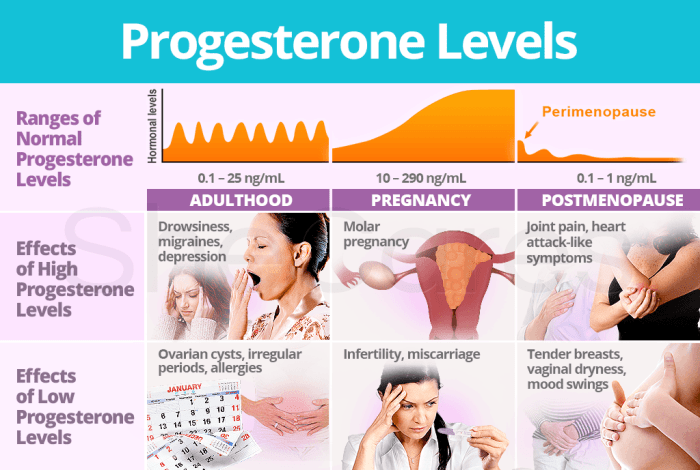
Estradiol vs estrogen why hormone levels matter – Estradiol vs. estrogen: why hormone levels matter sets the stage for a deep dive into the fascinating world of female hormones. We’ll explore the differences between estradiol and estrogen, their crucial roles in the body, and how fluctuating levels can impact everything from mood to metabolism. Understanding these complexities is key to navigating health and well-being.
This exploration will delve into how hormone levels influence various bodily functions. We’ll examine the consequences of both high and low levels, exploring specific effects on metabolism, mood, and bone health. Common methods for measuring these hormones, along with their accuracy, cost, and time requirements, will also be examined. Furthermore, we’ll investigate factors that influence hormone production, like genetics, diet, and lifestyle.
Finally, we’ll uncover the link between hormone imbalances and potential health conditions, offering strategies for maintaining optimal hormone levels.
Introduction to Estradiol and Estrogen
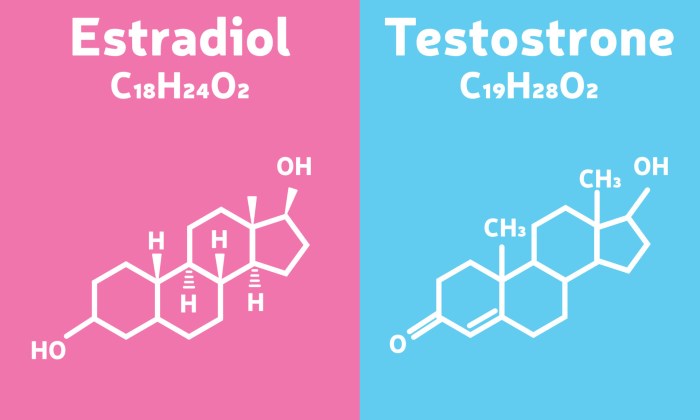
Estrogen is a crucial group of hormones that play a pivotal role in many bodily functions, particularly in women. While often discussed collectively, estradiol is the most potent form of estrogen, significantly influencing various aspects of health and well-being. Understanding the distinctions between estradiol and other estrogenic compounds is essential for comprehending their individual roles and how their interplay affects overall hormonal balance.Estrogens, including estradiol, are steroid hormones that are crucial for the development and maintenance of female characteristics.
They influence not only reproductive function but also bone health, cardiovascular function, and cognitive processes. Maintaining balanced estrogen levels is essential for optimal health throughout life.
Estradiol and Estrogen: A Closer Look
Estradiol is the primary estrogenic hormone in women of reproductive age. It’s responsible for many physiological processes, including the development of secondary sexual characteristics, regulation of the menstrual cycle, and maintenance of bone density. Estriol, another form of estrogen, plays a more significant role during pregnancy. Estrone is a less potent form of estrogen, and its levels increase in postmenopausal women due to its conversion from other hormones.
These various forms have distinct roles and levels of activity.
The Roles of Estradiol and Estrogen
Estrogens exert influence across multiple body systems. Their effects are multifaceted and crucial for overall well-being.
- Reproductive System: Estrogens are fundamental to the menstrual cycle, ovulation, and pregnancy. They support the growth and development of the reproductive organs, and influence the uterine lining’s preparation for potential fertilization. Estradiol, in particular, is critical for uterine growth and maintaining healthy tissue function.
- Skeletal System: Estrogens are essential for maintaining bone density and strength. They help to prevent bone loss, particularly during menopause, when estrogen levels naturally decline. This can increase the risk of osteoporosis, a condition characterized by weakened bones and increased susceptibility to fractures.
- Cardiovascular System: Estrogens can play a protective role in cardiovascular health. They may help to lower LDL (“bad”) cholesterol levels and reduce the risk of blood clots. However, the exact mechanisms and their impact on long-term cardiovascular health require further research and consideration of other lifestyle factors.
- Cognitive Function: Estrogen’s role in cognitive function is an active area of research. Studies suggest that estrogen may play a role in memory, mood regulation, and brain health. Maintaining healthy estrogen levels throughout life might support cognitive performance.
Conversion of Estrogen Forms
Estrogens exist in different forms, and these forms can be converted into each other. This conversion process is complex and influenced by various factors, including age and overall health.
- Conversion Pathways: The body converts androgens (male hormones) into estrogens through a series of enzymatic reactions. This conversion process is often regulated by the enzyme aromatase. For example, androgens such as testosterone are converted into estrone. Understanding these conversions is vital for comprehending how hormonal balance is maintained and how imbalances can arise.
- Age-Related Changes: The efficiency of conversion processes changes with age. In postmenopausal women, estrone becomes a more significant source of estrogen due to increased conversion from androgens. This shift in estrogen sources has implications for overall health and well-being.
Importance of Hormonal Balance
Maintaining a balanced hormonal environment is critical for optimal health and well-being. Disruptions in hormone levels, including estrogen, can lead to a range of health concerns.
- Symptoms of Imbalance: Symptoms of an estrogen imbalance can vary greatly. These include irregular periods, mood swings, hot flashes, sleep disturbances, and vaginal dryness. Identifying and addressing these symptoms is essential for preventing long-term health issues.
- Long-Term Effects: Sustained imbalances in estrogen levels can increase the risk of various health conditions, including cardiovascular disease, osteoporosis, and certain types of cancers. Addressing imbalances early on is crucial for mitigating these risks.
Hormone Levels and Their Impact
Hormone levels, particularly estradiol and estrogen, are not static; they fluctuate throughout a person’s life, influenced by various factors. These fluctuations can significantly impact the body’s physiological functions, impacting everything from energy levels to mood and bone density. Understanding these effects is crucial for recognizing potential imbalances and seeking appropriate care.Estrogen, encompassing estradiol, estrone, and estriol, plays a vital role in numerous bodily processes.
The dynamic nature of these hormones means their impact is far-reaching and can manifest in noticeable ways. Recognizing the consequences of high or low levels is key to maintaining overall health and well-being.
Impact of Fluctuating Hormone Levels
Hormonal fluctuations are a natural part of life, particularly during puberty, menstruation, pregnancy, and menopause. These changes can lead to a variety of symptoms, from mild discomfort to more significant health concerns. Understanding these changes is vital for recognizing potential issues and ensuring appropriate management.
Consequences of High Estradiol/Estrogen Levels
High levels of estradiol and estrogen can result in various symptoms. These may include: breast tenderness, bloating, fluid retention, mood swings, and irregular menstrual cycles. In some cases, high estrogen levels may be linked to an increased risk of certain cancers, although the specific correlation requires further investigation.
Consequences of Low Estradiol/Estrogen Levels
Low levels of estradiol and estrogen can have equally significant effects on the body. Symptoms can include: irregular or absent menstrual cycles, hot flashes, vaginal dryness, decreased libido, and difficulty concentrating. Low estrogen levels can also negatively impact bone health, increasing the risk of osteoporosis. Furthermore, these hormonal imbalances can lead to mood changes, such as irritability or anxiety.
Effects on Metabolism
Estrogen plays a crucial role in regulating metabolism. Changes in estrogen levels can affect how the body processes food and utilizes energy. High estrogen levels might lead to an increased tendency to store fat, while low estrogen levels can potentially result in a decreased metabolic rate, making weight management more challenging.
Effects on Mood
Estrogen has a direct influence on the brain, affecting neurotransmitters that regulate mood. Fluctuations in estrogen levels can cause mood swings, irritability, anxiety, and depression. These mood changes can vary significantly from person to person, and their severity can depend on the degree of hormonal imbalance.
Effects on Bone Health
Estrogen is essential for maintaining bone density. Low estrogen levels, particularly during and after menopause, can lead to bone loss and an increased risk of osteoporosis. This bone loss can result in increased fragility and susceptibility to fractures.
Understanding the difference between estradiol and estrogen, and how their levels fluctuate, is crucial for overall health. While hormone imbalances can manifest in various ways, one example is the discomfort of an itchy urethra, which can sometimes be linked to underlying hormonal changes. Seeking advice on the cause and treatment of an itchy urethra in men can provide valuable insights.
Ultimately, maintaining a healthy balance of estradiol and estrogen is key to preventing potential health issues.
Comparison of Symptoms
| Symptom | High Estradiol/Estrogen | Low Estradiol/Estrogen |
|---|---|---|
| Menstrual Cycles | Irregular, often heavy bleeding | Irregular, absent, or infrequent |
| Mood | Irritability, mood swings | Anxiety, depression, irritability |
| Energy Levels | Potential fatigue | Fatigue, lethargy |
| Sleep | Potential sleep disturbances | Sleep disturbances, insomnia |
| Libido | Potential decreased libido | Decreased libido |
The symptoms associated with high and low estradiol/estrogen levels can overlap, making accurate diagnosis crucial. A healthcare professional can assess individual symptoms and hormone levels to determine the underlying cause and recommend appropriate treatment strategies.
Measuring Hormone Levels
Understanding estradiol and estrogen levels is crucial for assessing overall health and well-being. Accurate measurement techniques are essential for diagnosing hormonal imbalances and tailoring treatment plans. This section will delve into the common methods used to measure these hormones, explaining the procedures and highlighting the importance of precise measurements.
Common Methods for Hormone Measurement
Various methods exist for quantifying estradiol and estrogen levels. The choice of method depends on factors like cost, convenience, and the desired level of accuracy. Different methods provide varying degrees of detail and can be influenced by factors like timing and preparation.
Blood Tests
Blood tests are a widely used and generally reliable method for measuring hormone levels. The procedure typically involves drawing a blood sample from a vein, often in the arm. The sample is then sent to a laboratory where specialized equipment measures the concentration of estradiol and estrogen in the serum. Fasting is sometimes required before the test to ensure accurate results.
Blood tests are generally considered the most accurate method, providing a comprehensive picture of the hormones present in the bloodstream at a specific point in time.
Saliva Tests
Saliva tests are a non-invasive alternative to blood tests. They involve collecting a saliva sample, which is then analyzed for hormone levels. The procedure is relatively simple and can be performed at home, making it convenient for patients. However, saliva tests are generally considered less accurate than blood tests, as hormone levels in saliva may not perfectly reflect those in the bloodstream.
Factors such as hydration levels can affect the accuracy of saliva test results.
Urine Tests
Urine tests are another non-invasive method for measuring hormone levels. They involve collecting a urine sample, which is then analyzed for the presence of hormones. Urine tests are generally less expensive and less time-consuming than blood tests. However, they are less precise and often measure hormone metabolites rather than the hormones themselves. This can lead to less accurate readings and may not fully capture the current hormonal status.
The timing of urine collection is important for accurate results, and the hormone levels in the urine can be affected by factors such as hydration and diet.
Significance of Accurate Measurement Techniques
Accurate measurement techniques are critical in assessing hormone levels for several reasons. Inaccurate measurements can lead to misdiagnosis, inappropriate treatment, and unnecessary anxiety for patients. A precise understanding of hormone levels allows for the development of targeted interventions tailored to individual needs, optimizing treatment efficacy. Furthermore, accurate measurements enable consistent monitoring of hormone levels over time, facilitating the evaluation of treatment progress and adjustments as needed.
Comparison of Measurement Methods
| Method | Accuracy | Cost | Time Required |
|---|---|---|---|
| Blood Test | High | Medium | Minutes/Hours |
| Saliva Test | Moderate | Low | Minutes |
| Urine Test | Low | Low | Minutes/Hours |
Factors Influencing Hormone Levels
Understanding the delicate dance of estradiol and estrogen in our bodies requires recognizing the multitude of factors influencing their production and regulation. These factors range from our genetic predisposition to our daily choices, demonstrating the complex interplay between our internal biology and external environment. This exploration delves into the intricacies of these influences, shedding light on how various elements contribute to the fluctuations we experience.
Genetic Factors
Genetic predisposition plays a significant role in determining an individual’s baseline hormone levels. Variations in genes responsible for estrogen synthesis, metabolism, and receptor function can influence how the body produces and utilizes these hormones. For instance, individuals with a family history of hormonal imbalances or certain genetic syndromes may exhibit different hormone patterns. The specific genes involved and their interaction with other factors can vary significantly, resulting in a broad range of individual responses.
Dietary Influences
Diet significantly impacts hormone production and regulation. A balanced diet rich in essential nutrients, including vitamins, minerals, and healthy fats, can support optimal hormone function. Conversely, a diet lacking in these crucial elements or high in processed foods, refined sugars, and unhealthy fats can disrupt hormone balance. The impact of specific nutrients, such as phytoestrogens found in certain plant-based foods, can also influence estrogen levels.
For example, a diet rich in soy products might increase estrogen-like compounds, potentially impacting hormone regulation.
Lifestyle Choices
Lifestyle factors like stress, sleep patterns, and exercise all contribute to the intricate hormonal regulation system. Chronic stress can lead to hormonal imbalances, impacting the hypothalamic-pituitary-adrenal (HPA) axis and potentially affecting estrogen production. Adequate sleep is crucial for hormone regulation, with sleep deprivation impacting the production of several hormones, including those involved in reproduction. Regular exercise, while crucial for overall health, can influence hormone levels in complex ways, depending on the intensity and duration of the activity.
For instance, intense and prolonged exercise can sometimes affect estrogen production in women.
Environmental Exposures
Environmental exposures can also affect hormone levels. Exposure to certain chemicals, often found in plastics and industrial products, can mimic or interfere with the action of hormones, disrupting the endocrine system. These “endocrine-disrupting chemicals” can have a significant impact on hormone production and regulation, particularly during critical developmental periods. For example, exposure to pesticides or certain industrial chemicals has been linked to altered hormone levels in studies, although further research is ongoing.
Age and Physiological Factors, Estradiol vs estrogen why hormone levels matter
Hormone levels naturally fluctuate throughout life, influenced by developmental stages, reproductive status, and aging. During puberty, significant hormonal changes occur, leading to the development of secondary sexual characteristics. In reproductive years, fluctuations in estrogen levels are linked to menstrual cycles. As women age, hormonal shifts occur, often associated with menopause, which is characterized by a decrease in estrogen and other reproductive hormones.
These physiological changes significantly impact hormone levels, influencing numerous bodily functions.
Flowchart of Hormone Regulation
The regulation of estradiol and estrogen is a complex process involving several interconnected steps.
| Step | Description |
|---|---|
| 1 | Hypothalamus releases GnRH. |
| 2 | Anterior pituitary releases FSH and LH. |
| 3 | Ovaries respond to FSH and LH, producing estradiol and estrogen. |
| 4 | Estradiol and estrogen exert feedback on the hypothalamus and pituitary, regulating their own production. |
This simplified representation demonstrates the interplay between the hypothalamus, pituitary gland, and ovaries in regulating estrogen production. Other factors, like stress and diet, can influence the efficacy of this process.
Health Implications of Imbalances
Hormone imbalances, particularly in estradiol and estrogen, can significantly impact various aspects of health and well-being. Understanding the potential consequences of these fluctuations is crucial for proactive health management and early intervention. These imbalances can lead to a range of symptoms, some subtle, and others more pronounced, impacting overall quality of life. Early detection and appropriate management strategies can often mitigate the long-term effects.Estrogen and estradiol are crucial for numerous bodily functions, and disruptions in their balance can manifest in a variety of ways.
This section delves into the potential health implications of these imbalances, highlighting the importance of recognizing the symptoms and seeking medical attention when necessary.
Conditions Linked to Estradiol and Estrogen Fluctuations
Fluctuations in estradiol and estrogen levels are frequently associated with several health conditions. These hormonal shifts can trigger a cascade of effects, impacting physical and mental well-being.
- Reproductive Issues: Irregular menstrual cycles, difficulty conceiving, and menopause-related symptoms are often linked to imbalances in estrogen and estradiol. These imbalances can affect ovulation and egg development, making conception challenging. The symptoms of menopause, such as hot flashes, night sweats, and mood swings, are also directly related to declining estrogen levels.
- Cardiovascular Health: Estrogen plays a protective role in cardiovascular health. Decreased estrogen levels, particularly during menopause, can increase the risk of heart disease. Lower estrogen levels may negatively impact blood vessel function and increase cholesterol levels. This may result in increased risk of stroke or heart attack.
- Bone Health: Estrogen is essential for maintaining bone density. Decreased estrogen levels, particularly after menopause, can lead to osteoporosis, increasing the risk of fractures. Bone loss is a significant concern for women experiencing hormonal imbalances.
- Mood and Mental Health: Fluctuations in estrogen levels can significantly impact mood. Symptoms like irritability, anxiety, and depression can be linked to hormonal imbalances. Women experiencing perimenopause or menopause often report changes in mood and mental well-being.
- Metabolic Health: Estrogen influences metabolism. Imbalances can potentially affect blood sugar regulation and increase the risk of developing conditions like type 2 diabetes. Proper hormone balance is important for maintaining healthy blood glucose levels.
Symptoms and Long-Term Consequences
The symptoms associated with estradiol and estrogen imbalances vary depending on the specific condition and individual. Early detection is key to managing potential long-term consequences. Recognizing the early signs and seeking medical advice are crucial for effective management.
- Common Symptoms: Symptoms can include irregular periods, hot flashes, night sweats, mood swings, fatigue, vaginal dryness, headaches, sleep disturbances, and changes in libido. It is important to note that not all women experience all symptoms, and the severity can vary greatly.
- Potential Long-Term Consequences: Unmanaged imbalances can lead to more severe health issues, such as cardiovascular disease, osteoporosis, certain types of cancers, and cognitive decline. The severity of these consequences depends on the nature and duration of the imbalance, as well as individual factors like genetics and lifestyle.
Importance of Early Detection and Intervention
Early detection and timely intervention are critical in managing the health implications of hormone imbalances. Professional medical advice is crucial for accurate diagnosis and personalized treatment plans.Early detection allows for the implementation of appropriate management strategies, which can mitigate the risk of long-term health complications. These strategies can involve lifestyle modifications, medications, or other treatments, tailored to individual needs.
Maintaining Optimal Hormone Levels
Estrogen and estradiol, crucial for women’s health, often fluctuate throughout life. Maintaining optimal levels is essential for well-being and preventing potential health issues. This involves a multifaceted approach encompassing diet, lifestyle, and potentially, supplements. Understanding the factors influencing these hormones empowers individuals to take proactive steps towards maintaining balance.Maintaining healthy estradiol and estrogen levels isn’t about achieving a specific number on a lab test, but rather fostering a holistic approach to health that considers the interplay of various factors.
This encompasses everything from the foods we eat to the activities we engage in. This mindful approach contributes to a better overall sense of well-being and empowers individuals to take control of their health.
Dietary Recommendations
Diet plays a significant role in supporting hormonal balance. A balanced diet rich in nutrient-dense foods provides the building blocks for optimal hormone function. Focusing on whole, unprocessed foods is crucial.
- Leafy greens, such as spinach, kale, and collard greens, are excellent sources of vitamins, minerals, and antioxidants that support overall health, including hormonal balance.
- Fatty fish, rich in omega-3 fatty acids, contribute to reducing inflammation and promoting overall well-being, impacting hormonal function indirectly.
- Fruits and vegetables offer a wide array of vitamins, minerals, and antioxidants that support cellular function and overall health, contributing to hormonal equilibrium.
- Legumes, including beans, lentils, and chickpeas, provide protein and fiber, which aid in digestion and nutrient absorption, thus supporting hormone regulation.
Lifestyle Adjustments
Beyond diet, lifestyle choices significantly impact hormone levels. Stress management, regular exercise, and sufficient sleep are key elements for overall health and hormonal well-being.
- Stress reduction techniques, such as yoga, meditation, or deep breathing exercises, can help mitigate the impact of stress on hormone production.
- Regular physical activity, including cardiovascular exercise and strength training, helps maintain a healthy weight and promotes hormonal balance.
- Prioritizing sufficient sleep is crucial for hormone regulation, as many hormones are produced and regulated during sleep.
Potential Supplements and Therapies
Supplements and therapies can sometimes play a supportive role in maintaining hormonal balance. However, it’s essential to consult with a healthcare professional before introducing any new supplements or therapies.
Understanding estradiol vs. estrogen and why hormone levels matter is crucial for overall health. While exploring this, it’s interesting to note the connection to certain cancers, like Merkel cell carcinoma, a rare skin cancer. For a deeper dive into Merkel cell carcinoma overview and more, check out this resource: merkel cell carcinoma overview and more. Ultimately, understanding hormone balances like estradiol and estrogen is vital for navigating health concerns and potentially linking them to conditions like this.
It’s all part of the larger picture of health.
- Phytoestrogens, found in certain plant-based foods, may mimic the effects of estrogen in the body. However, their effectiveness and potential risks need careful consideration and professional guidance.
- Some herbal remedies, such as those derived from soy or other plants, might have an impact on estrogen levels, although further research is needed to fully understand their effects and safety.
- Consulting a healthcare professional is vital before incorporating any supplements or therapies, as they can assess individual needs and potential risks.
Case Studies and Examples
Understanding hormone imbalances requires looking at real-life situations. This section explores various cases to illustrate the diverse presentation of these issues, highlighting the complexity of hormone interactions and the importance of personalized treatment plans. The symptoms, diagnostic processes, and treatment options are detailed, emphasizing the significance of individual responses to hormonal therapies.Hormone imbalances can manifest in various ways, often affecting multiple systems in the body.
These imbalances are not always straightforward; symptoms can overlap, making diagnosis challenging. Case studies illustrate the intricate nature of hormonal regulation and the importance of a holistic approach to treatment.
Examples of Estrogen-Related Imbalances in Women
Estrogen imbalances, particularly in women, can significantly impact their health and well-being across different life stages. This section presents examples of women experiencing varying symptoms and how these symptoms manifest.
- Peri-menopausal Woman: A 45-year-old woman experiencing irregular periods, hot flashes, mood swings, and difficulty sleeping. She reports a decrease in energy levels and increased anxiety. Diagnostic testing reveals declining estrogen levels, confirming the peri-menopausal stage. Treatment options may include lifestyle modifications like stress management techniques and hormone therapy to alleviate symptoms and improve quality of life. Personalized approaches are essential to consider factors such as family history, overall health, and individual preferences when selecting the most suitable treatment plan.
- Post-menopausal Woman with Osteoporosis: A 65-year-old woman experiencing bone pain and reduced bone density. She has a history of osteoporosis and low estrogen levels. Diagnosis involves bone density scans and blood tests to confirm estrogen deficiency. Treatment options include hormone replacement therapy (HRT) to mitigate bone loss and manage other menopausal symptoms. Alternative therapies and lifestyle adjustments, such as calcium and vitamin D supplementation and weight-bearing exercises, may also be incorporated into the treatment plan.
Understanding the difference between estradiol and estrogen, and how their levels fluctuate, is crucial, especially when considering conditions like stage 2 breast cancer. Changes in these hormones can significantly impact the progression of the disease, and research is ongoing to fully grasp the connection. This intricate relationship between hormone levels and cancer development highlights the importance of further investigation into estradiol vs estrogen, and why these hormone levels matter so much.
Learning more about these hormones and their role in different conditions, such as stage 2 breast cancer , is key to advancing treatment options and preventative measures.
The importance of a balanced approach encompassing medical interventions and lifestyle modifications cannot be overstated.
- Young Woman with Irregular Periods: A 20-year-old experiencing irregular menstrual cycles and significant mood fluctuations. Diagnostic testing reveals hormonal imbalances, potentially related to underlying conditions or stress. Treatment options may include lifestyle changes, such as dietary adjustments and stress reduction techniques, alongside medication or hormone therapies if indicated. A comprehensive approach, considering psychological factors and overall health, is vital for managing this condition effectively.
Diagnostic Process and Treatment Options
Accurate diagnosis is crucial for effective hormone management. The diagnostic process often involves a combination of methods.
- Comprehensive Medical History: A thorough review of medical history, including family history, lifestyle factors, and current symptoms, is a critical first step. Detailed information about medications, supplements, and past illnesses helps establish a baseline understanding of the patient’s health status.
- Physical Examination: A physical examination allows for the assessment of physical signs and symptoms associated with hormone imbalances. This includes checking for signs of hormonal imbalances like skin changes, weight fluctuations, or changes in body composition.
- Laboratory Tests: Blood tests measure hormone levels (such as estradiol, progesterone, testosterone, and cortisol). These tests help identify deficiencies or excesses in specific hormones. Additional tests, such as thyroid function tests, are often included to evaluate the impact of other hormones on the overall system.
- Imaging Techniques: In certain cases, imaging techniques, like ultrasound or MRI scans, might be necessary to assess potential underlying conditions that contribute to hormonal imbalances.
Personalized Approaches to Hormone Management
Individual responses to hormone therapy vary. A personalized approach tailors treatment to meet the specific needs of each patient.
- Consideration of Age and Life Stage: Treatment strategies differ based on the patient’s age and life stage. For example, peri-menopausal women might benefit from different treatment strategies compared to post-menopausal women. The treatment approach must consider the individual’s specific needs and goals, taking into account the various stages of life.
- Lifestyle Modifications: Lifestyle modifications, such as diet, exercise, and stress management techniques, can play a significant role in managing hormone imbalances. These interventions often complement medical treatments and improve overall health and well-being.
- Hormone Therapy Considerations: The decision to use hormone therapy should be made in consultation with a healthcare professional. Factors such as the type of imbalance, severity of symptoms, and potential risks and benefits should be carefully evaluated.
Illustrative Visualizations
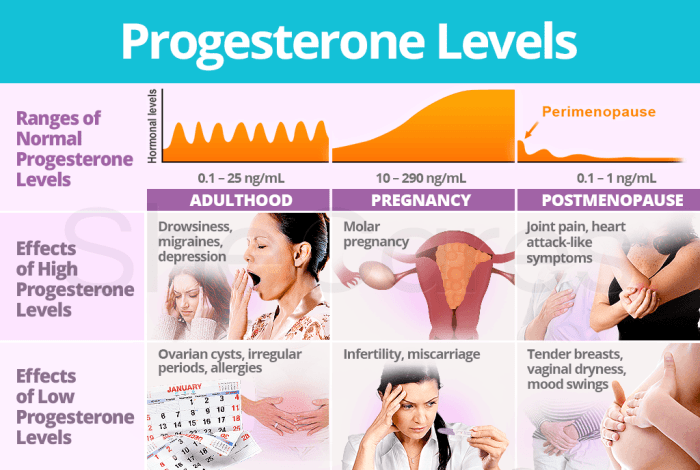
Understanding the ebb and flow of estradiol and estrogen throughout a woman’s life is crucial for comprehending hormonal health. Visualizations help us grasp these complex interactions in a digestible format, allowing for easier interpretation and application of the information. These representations will highlight key patterns and relationships between lifestyle factors and hormone levels, ultimately empowering individuals to make informed choices about their health.
Estradiol and Estrogen Levels Across a Woman’s Lifespan
This graph displays the typical fluctuation of estradiol and estrogen levels throughout a woman’s life. The graph shows a sharp rise in both hormones during puberty, peaking during reproductive years, and a gradual decline during perimenopause and menopause. The y-axis represents the hormone level in picograms per milliliter (pg/mL), and the x-axis represents the age in years. A clear, upward curve is observed during puberty, and a steady plateau exists in the reproductive years.
A noticeable decline in the graph follows, showcasing the natural drop in hormone levels during perimenopause and menopause. Important variations and individual differences are expected, and this graph serves as a general guideline.
Impact of Lifestyle Factors on Hormone Levels
An infographic depicting the impact of different lifestyle factors on hormone levels would visually represent the interconnectedness of various choices and their effects on hormonal balance. The infographic could categorize lifestyle factors into categories like diet, exercise, stress management, and sleep. Each category would have icons or illustrations representing specific actions within that category. For example, a healthy diet would be represented by images of fruits, vegetables, and lean proteins, while stress management might include images of meditation or yoga.
Each category would then be linked to the estradiol and estrogen levels on the graph. Arrows would visually connect the lifestyle factors with the corresponding hormone levels, demonstrating the positive or negative impact of each factor.
Pathways of Estradiol and Estrogen Production
A diagram outlining the pathways of estradiol and estrogen production in the body would illustrate the complex hormonal cascade involved. The diagram would depict the initial step of converting cholesterol into androgens, followed by the conversion of androgens into estrogens and estradiol. The diagram would visually represent the different organs and glands involved in this process, such as the ovaries, adrenal glands, and fat tissue.
It would highlight the influence of various hormones and enzymes throughout the process, illustrating how different factors can impact the production of these crucial hormones. Key enzymes and hormones will be identified, and their roles in the cascade will be clearly indicated.
Hormone Levels in Different Age Groups
The table below demonstrates the typical range of estradiol and estrogen levels observed in different age groups. These values are averages and can vary significantly based on individual factors and health conditions.
| Age Group | Estradiol Level (pg/mL) | Estrogen Level (pg/mL) |
|---|---|---|
| Preteen | 20-80 | 20-80 |
| Adult Female | 50-300 | 50-300 |
| Post-Menopausal | 10-40 | 10-40 |
Final Review: Estradiol Vs Estrogen Why Hormone Levels Matter
In conclusion, understanding the nuances of estradiol and estrogen, and how their levels impact the body, is crucial for overall well-being. By recognizing the interplay of factors influencing hormone production and the significance of maintaining balance, individuals can proactively manage their health. This knowledge empowers informed decisions about lifestyle choices, potential interventions, and the importance of personalized approaches to hormone management.