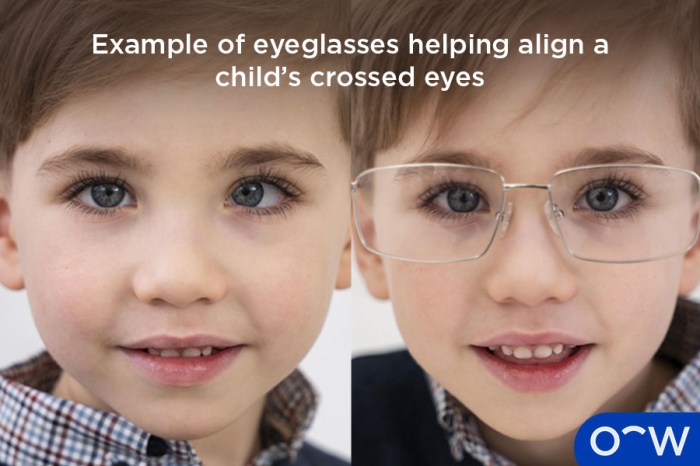
Esotropia crossing of the eyes is a condition where one or both eyes turn inward, creating a “crossed-eyes” appearance. Understanding this complex condition requires exploring its various types, from accommodative to non-accommodative, and the underlying mechanisms that cause these misalignments. This guide will delve into the causes, symptoms, diagnostic methods, treatment options, and the lasting impact on vision and development.
This comprehensive exploration will cover the different types of esotropia, examining their unique characteristics, causes, and potential treatment approaches. We’ll also investigate the importance of early diagnosis and intervention to minimize the long-term effects on vision and overall well-being. Furthermore, this guide will provide practical resources for patients and families, highlighting the support systems available.
Defining Esotropia
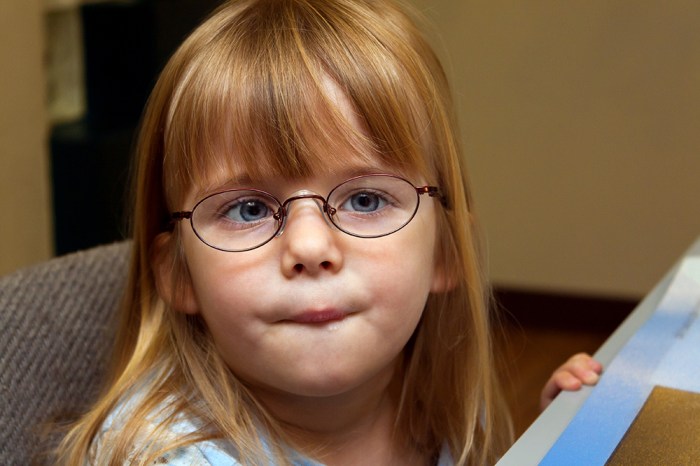
Esotropia, often called a “crossed eye,” is a condition where one or both eyes turn inward, towards the nose. This deviation from normal alignment can be present at birth or develop later in life. Understanding the underlying mechanisms and the various types of esotropia is crucial for accurate diagnosis and effective treatment.The underlying mechanisms responsible for esotropia are complex and not always fully understood.
However, it’s generally accepted that a combination of factors, including muscle imbalance, neurological issues, and refractive errors, can contribute to the misalignment of the eyes. In some cases, a genetic predisposition might also play a role.
Clinical Presentation of Esotropia
Esotropia is characterized by a deviation of one or both eyes toward the nose. This inward turning of the eyes can be constant or intermittent, and its severity can vary from subtle to significant. The clinical presentation often includes a noticeable difference in the alignment of the eyes when viewed from the front or side. Symptoms might also include double vision (diplopia) or eye strain, which can lead to headaches and discomfort.
The severity and presentation can vary significantly based on the underlying cause and type of esotropia.
Types of Esotropia
Esotropia is broadly categorized into accommodative and non-accommodative types, which differ significantly in their underlying mechanisms and clinical characteristics. These categories are further subdivided into specific subtypes.
Accommodative Esotropia
Accommodative esotropia is a type of esotropia where the eyes turn inward primarily due to excessive focusing effort. This excessive focusing, or accommodation, is often triggered by a refractive error, such as nearsightedness (myopia) or hyperopia. As the eye attempts to focus on near objects, the muscles controlling eye movement become overactive and pull the eye inward. Symptoms often appear when the child is focusing on close-up tasks like reading or writing, often worsening as the child grows.
Non-Accommodative Esotropia
Non-accommodative esotropia is a type of esotropia where the eye turning inward isn’t primarily due to focusing efforts. Instead, it’s often related to a muscle imbalance or a neurological issue. The turning of the eye may be present in various situations, not just when focusing on close-up tasks. The onset of this type is often more rapid or noticeable at a different age than accommodative esotropia.
A variety of factors, including strabismus, may play a role.
Ever wondered about esotropia, the crossing of the eyes? While it’s a vision issue, it’s important to consider overall health, and that includes diet. A balanced diet, like those recommendations for managing high blood pressure, can play a crucial role in overall well-being, and finding food for high blood pressure can be a great starting point.
Ultimately, proper eye care, including addressing underlying conditions, remains essential for those experiencing esotropia.
Comparison of Accommodative and Non-Accommodative Esotropia
| Type | Cause | Symptoms | Treatment ||—|—|—|—|| Accommodative Esotropia | Excessive focusing effort, often related to refractive errors | Eyes turn inward primarily during near work; symptoms may include eye strain, headaches, or double vision | Corrective lenses (glasses or contact lenses), vision therapy to improve eye muscle coordination, and sometimes surgery || Non-Accommodative Esotropia | Muscle imbalance, neurological issues, or other factors unrelated to focusing | Eyes may turn inward in various situations; symptoms may include eye strain, headaches, or double vision | Vision therapy to improve eye muscle coordination, botulinum toxin injections, and surgery, depending on the specific cause and severity |
Symptoms and Diagnosis
Understanding the symptoms and diagnostic process of esotropia is crucial for timely intervention and effective management. Early detection significantly improves the chances of achieving a positive outcome for the child. Esotropia, or inward turning of the eyes, can manifest in various ways, impacting the child’s visual development and overall well-being.Early intervention is key in managing esotropia effectively. The sooner the condition is diagnosed, the sooner treatment can begin, which often includes vision therapy or, in some cases, surgery.
Accurate diagnosis is essential for appropriate management strategies, including customized therapies and potentially necessary surgical interventions.
Common Symptoms
Esotropia presents with a variety of symptoms, often noticeable by parents or caregivers. These symptoms can range from subtle deviations to more pronounced misalignments. The appearance of the misalignment is not always obvious to the naked eye, requiring professional evaluation for precise diagnosis.
- One or both eyes may turn inward, potentially more noticeable during specific activities or emotions.
- Double vision (diplopia) is a frequent symptom, particularly when the eyes are not aligned properly.
- Head tilting or holding the head at an unusual angle can also be a symptom, as the child may unconsciously try to compensate for the visual misalignment.
- Children may exhibit avoidance of tasks requiring good eye-hand coordination or eye focusing, such as drawing, reading, or playing sports, due to the discomfort associated with double vision or blurred vision.
Diagnostic Methods
Accurate diagnosis of esotropia involves a combination of clinical examination and specific tests. Comprehensive evaluation is crucial to ensure appropriate intervention.
- Clinical Examination: A thorough eye examination by an ophthalmologist or optometrist is the initial step. The examination assesses the alignment of the eyes, the sharpness of vision (acuity), and the overall health of the eyes.
- Cover Test: A crucial diagnostic test, the cover test involves covering one eye and observing how the uncovered eye reacts. This test helps determine the degree of misalignment and the type of strabismus present. A significant deviation suggests a potential issue.
- Alignment Tests: Additional alignment tests may be performed to further evaluate the alignment of the eyes under different conditions, such as with prisms or while looking at different objects.
- Visual Acuity Tests: Assessing visual acuity (sharpness of vision) in each eye is essential to determine if the visual impairment is a consequence of the misalignment or a separate issue.
- Other Tests: Depending on the individual case, additional tests such as binocular vision testing and neurological evaluations may be necessary to rule out underlying medical conditions.
Importance of Early Diagnosis
Early diagnosis is vital for effectively managing esotropia. Prompt intervention can prevent or minimize the development of amblyopia (lazy eye), a condition that results in reduced vision in one eye due to the misalignment. The earlier the diagnosis, the more options are available to treat the condition effectively.
- Early intervention can prevent the development of amblyopia, a significant complication of esotropia.
- Early detection enables prompt treatment options, including vision therapy or surgery, to correct the misalignment and potentially prevent long-term vision problems.
- Addressing the issue early helps the child develop optimal binocular vision, enabling them to see clearly with both eyes together.
- Early diagnosis allows for individualized treatment plans to meet the specific needs of each child, potentially improving overall visual development.
Symptoms and Severity Levels
The severity of esotropia can vary, influencing the frequency and intensity of symptoms. This table Artikels the typical symptoms and severity levels.
| Symptom | Severity | Frequency | Description |
|---|---|---|---|
| Eye deviation (inward turn) | Mild | Occasional | Slight deviation, noticeable only under certain conditions. |
| Eye deviation (inward turn) | Moderate | Frequent | Significant deviation, noticeable even under normal conditions. |
| Eye deviation (inward turn) | Severe | Constant | Marked deviation, always noticeable. |
| Double vision (diplopia) | Mild | Occasional | Blurred vision or double images, only apparent in certain circumstances. |
| Double vision (diplopia) | Moderate | Frequent | Persistent double vision, impacting daily activities. |
| Double vision (diplopia) | Severe | Constant | Constant double vision, significantly impacting daily life. |
Strabismus vs. Other Eye Conditions
Differentiating esotropia (a type of strabismus) from other eye conditions is crucial for accurate diagnosis and treatment. The distinct symptoms and diagnostic procedures distinguish strabismus from other potential causes of eye misalignment.
Esotropia, the crossing of the eyes, can sometimes be a tricky thing to diagnose. While it’s often a straightforward issue, sometimes it’s connected to other conditions, such as potential memory problems. For example, some research suggests a link between eye misalignment and potential cognitive challenges, including difficulties with memory, which is something to consider. Exploring further, you can read more about how ADHD can affect memory at can adhd cause memory issues.
Ultimately, if you or someone you know has esotropia, it’s crucial to seek professional medical advice for a proper diagnosis and treatment plan.
- Strabismus is characterized by a misalignment of the eyes, unlike other conditions that may cause eye discomfort or blurred vision.
- Conditions like refractive errors (nearsightedness, farsightedness, astigmatism) primarily affect the clarity of vision, not the alignment of the eyes.
- Other neurological or systemic conditions may occasionally manifest with eye symptoms, requiring thorough evaluation to rule out underlying causes.
Treatment Options
Esotropia, or crossed eyes, can be effectively managed with various treatment options. These options aim to restore proper eye alignment and binocular vision, leading to improved comfort and visual function. The best approach depends on several factors, including the severity of the condition, the age of the child, and the underlying cause.Treatment strategies for esotropia often involve a combination of approaches, recognizing that a multi-faceted approach often yields the best results.
Ever noticed how your eyes sometimes cross, a condition called esotropia? It’s a fascinating thing, and while it can be concerning, sometimes it’s just a temporary thing. Similar to managing impulses and cravings, learning how to stop binge eating can be incredibly helpful in regaining control over your physical and emotional well-being. This often involves identifying triggers, practicing mindful eating, and building healthy coping mechanisms.
Finding resources like how to stop binge eating can be invaluable. Ultimately, conquering the urge to binge eat can be surprisingly similar to overcoming the physical challenge of controlling the muscles that cause the crossing of the eyes in esotropia. It’s all about learning to manage impulses!
Sometimes, a single treatment may be sufficient, but a combination of therapies is often employed to achieve the desired outcome. Parents and doctors must carefully consider the individual needs of the child when choosing the most suitable treatment plan.
Eyeglasses
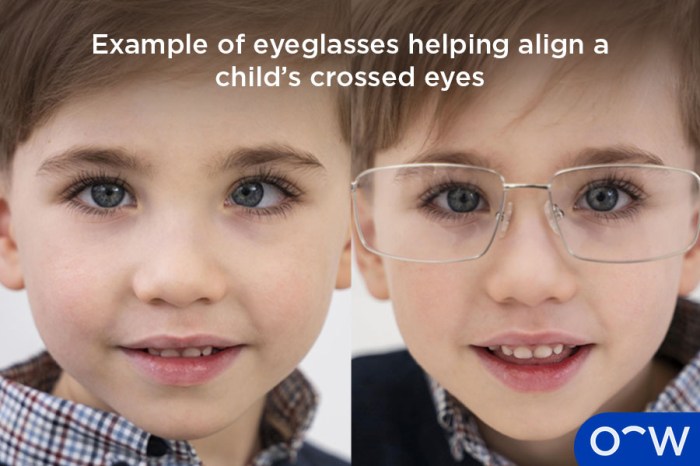
Prescription eyeglasses can help correct refractive errors that may contribute to esotropia. This is particularly true if the misalignment is related to a difference in the strength of the eyes’ focusing power. By correcting the refractive error, eyeglasses can reduce the strain on the eye muscles and potentially improve eye alignment. Eyeglasses alone rarely completely resolve esotropia, but they can be a valuable part of a comprehensive treatment plan.
Vision Therapy
Vision therapy is a customized program of exercises and activities designed to improve the coordination and control of eye muscles. These exercises can strengthen the eye muscles, improve eye tracking, and enhance binocular vision. Vision therapy is often effective in reducing the angle of esotropia and improving visual function, especially in younger children. It is generally considered a non-surgical option, emphasizing the importance of early intervention and consistent participation in the program.
Surgical Procedures
Surgical procedures are considered when other treatment options, like vision therapy and eyeglasses, prove insufficient. The goal of surgery is to adjust the extraocular muscles that control eye movement, correcting the misalignment. There are various surgical techniques, each tailored to the specific characteristics of the condition and the individual patient. Common surgical approaches include recession (weakening the muscle), resection (shortening the muscle), and transposition (repositioning the muscle).
The choice of procedure is determined by factors such as the specific muscle affected and the degree of misalignment.
| Treatment | Effectiveness | Risks |
|---|---|---|
| Eyeglasses | Can improve alignment if refractive error is a factor; not a primary treatment for esotropia. | Limited effectiveness in correcting significant misalignment; does not address the underlying muscular imbalance. |
| Vision Therapy | Often effective in reducing the angle of esotropia and improving visual function, especially in younger children; generally considered a safe and non-invasive approach. | Requires consistent effort and adherence to the prescribed exercises; may not be effective for all cases. |
| Surgery | Highly effective in correcting significant misalignment; often a last resort after other treatments have been tried. | Potential for complications such as double vision, dry eyes, or infection; carries surgical risks as with any procedure. |
Impact on Vision and Development
Esotropia, or crossed eyes, can significantly impact a child’s visual and overall development. Early detection and intervention are crucial to minimize potential problems and ensure the best possible outcome. The impact of untreated esotropia can be profound, affecting not just sight but also a child’s confidence and social interactions.Understanding the intricate relationship between the eyes and the brain is vital in comprehending the potential consequences of esotropia.
The brain relies on clear, coordinated input from both eyes to develop proper depth perception and visual acuity. When one eye deviates, the brain may suppress the image from that eye, leading to a loss of binocular vision. This is particularly concerning during childhood, a critical period for visual development.
Potential Impact on Visual Development
The developing visual system is highly susceptible to disruption from misaligned eyes. When one eye deviates inward, the brain may suppress the image from that eye to avoid double vision. This suppression can lead to amblyopia, often called “lazy eye,” where the suppressed eye loses visual acuity. Without proper treatment, the brain effectively “ignores” the image from the affected eye, hindering its ability to develop properly.
Reduced visual acuity can negatively affect academic performance, participation in sports, and daily tasks requiring clear vision. Amblyopia is often correctable with early intervention.
Importance of Early Intervention
Early detection and treatment of esotropia are paramount to minimizing potential vision problems. Prompt intervention can significantly improve the chances of achieving normal binocular vision and preventing the development of amblyopia. The critical period for visual development typically ends by age 8, although interventions can be effective later. Studies have shown that early treatment, often starting with eyeglasses or vision therapy, can significantly improve outcomes.
A child’s overall well-being and future development are deeply connected to good eye health.
Potential Long-Term Consequences of Untreated Esotropia
Untreated esotropia can lead to various long-term consequences. These can range from persistent amblyopia, which may cause a significant reduction in vision in the affected eye, to difficulties with depth perception and spatial awareness. These issues can impact a child’s ability to perform tasks that require precise hand-eye coordination, such as sports, playing musical instruments, or drawing. The potential for reduced quality of life and difficulties in social interactions is also significant.
The long-term consequences can be mitigated by early detection and appropriate treatment.
Potential Impact on Overall Development and Well-being
Crossed eyes can have an impact on a child’s overall development and well-being. The psychological impact of having a noticeable difference in their appearance can be significant. Children may experience feelings of self-consciousness, embarrassment, or social isolation. These emotional and psychological consequences can affect their self-esteem and confidence, impacting their interactions with peers and overall development. Early treatment can prevent these issues and allow the child to develop without this burden.
Importance of Proper Eye Care for Children
Regular eye examinations are essential for children, especially during their developmental years. These examinations can help identify any eye problems, including esotropia, at an early stage. Parents should be aware of the importance of these regular check-ups and bring their children for eye exams as recommended by their pediatrician or eye care professional. Early detection is key to maximizing a child’s visual potential and overall well-being.
Eye care professionals can provide guidance and support for parents, ensuring the child receives the necessary treatment and care.
Prognosis and Long-Term Management
Esotropia, or crossed eyes, significantly impacts a person’s life, but the prognosis and long-term management are highly positive, especially with early intervention and consistent care. Understanding the factors influencing the outcome and the importance of ongoing support is crucial for achieving optimal visual development and quality of life.The prognosis for individuals with esotropia varies greatly depending on several factors, including the type of esotropia, the age of onset, the effectiveness of treatment, and the individual’s response to care.
Early intervention typically leads to a more favorable outcome, improving the chances of achieving a stable and satisfactory alignment of the eyes.
Factors Influencing Prognosis
The success of treatment and the long-term prognosis for esotropia depend on several factors. These factors include the age of onset, the severity of the condition, the type of esotropia, and the responsiveness to treatment. Early intervention, coupled with consistent follow-up care, is key to optimizing outcomes.
Importance of Ongoing Monitoring
Regular follow-up appointments are essential for monitoring the effectiveness of treatment and identifying any potential complications or changes in the condition. Adjustments to the treatment plan might be necessary as the child grows and the eyes continue to develop. This proactive approach ensures the best possible outcomes.
Regular Eye Exams and Treatment Adjustments
Regular eye exams are crucial for ongoing monitoring of the alignment of the eyes. These exams will help detect any changes in the alignment, allowing for prompt adjustments to the treatment plan if necessary. The treatment plan might involve eyeglasses, eye patches, or other interventions.
Managing Esotropia in Adulthood, Esotropia crossing of the eyes
Adults with esotropia require ongoing monitoring, even after achieving satisfactory alignment in childhood. This ensures the stability of the alignment and the maintenance of good vision. Regular eye exams and adjustments to eyeglasses, if needed, are vital. Many adults with well-managed esotropia can maintain good vision and lead full, active lives.
Strategies for Long-Term Management
Maintaining a healthy lifestyle, including a balanced diet, regular exercise, and adequate rest, can positively impact overall well-being and contribute to better vision. Managing stress and other potential factors influencing eye health is crucial. Support groups and resources can provide valuable guidance and encouragement.
Flow Chart of Long-Term Management
 The flow chart above illustrates the typical steps involved in long-term management of esotropia. It highlights the importance of ongoing monitoring, periodic adjustments to treatment, and the role of a comprehensive eye care team.
Resources and Support: Esotropia Crossing Of The Eyes
Navigating the complexities of esotropia, a condition affecting eye alignment, can be challenging for families. Understanding available resources and support networks is crucial for effective management and improved quality of life. This section provides valuable information on where to find help and guidance.Accessing reliable information and support systems is essential for individuals and families facing esotropia. These resources offer guidance, reassurance, and connections with others experiencing similar situations.
Reliable Resources for Information
Finding accurate and up-to-date information about esotropia is vital for making informed decisions. A variety of organizations and websites provide comprehensive details about the condition, treatment options, and potential outcomes.
- American Academy of Ophthalmology (AAO): The AAO offers a wealth of information on various eye conditions, including esotropia. Their website provides detailed articles, educational materials, and expert opinions on diagnosis and management.
- American Association for Pediatric Ophthalmology and Strabismus (AAPOS): A specialized organization dedicated to the care of children with strabismus, including esotropia. Their website provides specific information and resources for parents and professionals.
- The National Institutes of Health (NIH): The NIH offers comprehensive information on various health conditions, including those affecting the eyes. Their resources can provide an overview of esotropia and associated research.
- Patient Advocacy Groups: Organizations dedicated to patient advocacy can provide invaluable support and connect individuals with similar experiences. These groups offer platforms for sharing experiences, asking questions, and receiving emotional support.
Support Groups and Organizations
Connecting with others who understand the challenges of esotropia can significantly reduce feelings of isolation and provide invaluable support. Support groups offer a safe space to share experiences, ask questions, and gain encouragement from others who have walked similar paths.
- Online Forums and Support Groups: Numerous online platforms, including dedicated social media groups, provide a space for individuals and families to connect and share experiences. These forums can be invaluable sources of support and information exchange.
- Local Support Groups: Local organizations and community groups might host support meetings. These in-person gatherings can foster a stronger sense of community and provide opportunities for face-to-face interaction.
- Professional Organizations: Professional organizations, such as those mentioned above, often have resources and support networks for both patients and professionals involved in the care of individuals with esotropia.
Specific Organizations and Websites
A number of organizations and websites provide detailed information and support for individuals and families affected by esotropia.
- Eye Care Professionals: Ophthalmologists, optometrists, and other eye care professionals can provide personalized advice and guidance based on individual needs and circumstances. Regular follow-up appointments and communication with professionals are vital for ongoing management.
- Educational Materials: Many organizations and websites provide educational materials on esotropia, including brochures, pamphlets, and videos. These materials can be beneficial for understanding the condition and its treatment.
Closing Notes
In conclusion, esotropia crossing of the eyes, while a complex condition, is often treatable with a range of effective options. Early diagnosis, appropriate treatment, and ongoing monitoring are key to optimizing visual development and long-term outcomes. Remember, seeking professional medical advice is crucial for accurate diagnosis and personalized treatment plans. This guide serves as a starting point for learning more about this condition and empowers individuals to take proactive steps toward managing and improving their quality of life.