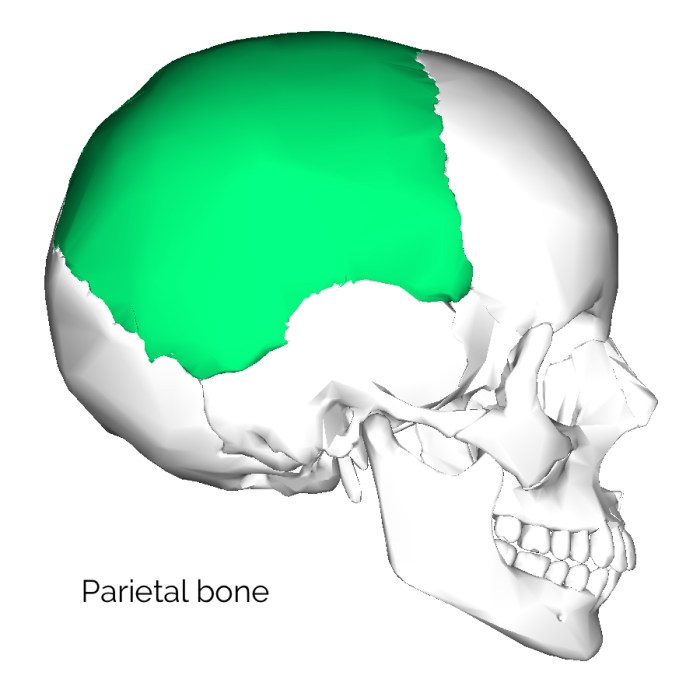
Effects of a parietal lobe stroke encompass a wide range of debilitating symptoms, impacting various aspects of daily life. This comprehensive guide delves into the intricate functions of the parietal lobe, exploring the different areas and their roles, as well as the common causes of strokes affecting this region. We’ll also explore the varied symptoms, neurological effects, diagnostic processes, treatment approaches, long-term outcomes, and preventative measures.
Understanding these aspects is crucial for comprehending the significant impact of a parietal lobe stroke on a person’s life.
The parietal lobe, situated at the top of the head, plays a critical role in processing sensory information like touch, temperature, and pain. It also helps us understand where our body is in space, enabling us to perform tasks like reaching for objects or walking. Damage to this lobe, often caused by blood clots or hemorrhages, leads to a cascade of effects that can significantly affect a person’s daily routine, from simple tasks like dressing to complex activities like reading or writing.
Introduction to Parietal Lobe Stroke
The parietal lobe, located at the top and back of the brain, plays a crucial role in processing sensory information and spatial awareness. It’s responsible for interpreting touch, temperature, pressure, and pain, and is essential for understanding our surroundings and performing complex tasks involving spatial reasoning. Damage to this area can lead to a wide range of impairments, significantly impacting daily life.The parietal lobe isn’t a monolithic structure.
It comprises distinct areas with specialized functions. These specialized areas work together to create a comprehensive understanding of the world around us. The superior parietal lobule is critical for spatial awareness and navigation, while the inferior parietal lobule is involved in language processing and integrating sensory information. The posterior parietal cortex, a key part of this integration, helps us understand the relationship between our bodies and the objects around us.
Parietal Lobe Function Areas
The parietal lobe’s diverse functions are distributed across specific areas, each contributing to our overall perception and action. The superior parietal lobule, for instance, is essential for complex spatial tasks. The inferior parietal lobule, meanwhile, processes sensory information and plays a role in language comprehension.
Causes of Parietal Lobe Strokes
Parietal lobe strokes, like other strokes, occur when blood flow to a portion of the parietal lobe is interrupted. This interruption can be caused by a blood clot (thrombosis) or a blood vessel rupture (hemorrhage). High blood pressure, high cholesterol, and smoking are significant risk factors, as they can contribute to the formation of blood clots or damage blood vessels.
Other risk factors include a history of heart disease, diabetes, and prior strokes. Age is also a factor; the risk of stroke increases with advancing age.
Types of Parietal Lobe Strokes
The location of the stroke within the parietal lobe can influence the specific symptoms experienced. A stroke affecting the left parietal lobe can result in difficulties with language comprehension and mathematical reasoning, while a stroke in the right parietal lobe can cause spatial disorientation and difficulty with recognizing objects. The table below Artikels these potential differences.
| Stroke Location | Common Symptoms |
|---|---|
| Left Parietal Lobe | Language comprehension difficulties, mathematical reasoning problems, agraphia (difficulty writing), acalculia (difficulty with numbers), and difficulty with object recognition. |
| Right Parietal Lobe | Spatial disorientation, difficulty with object recognition, neglect syndrome (where the patient fails to recognize or attend to one side of their body or the environment), constructional apraxia (difficulty with tasks requiring spatial reasoning like drawing or building). |
Symptoms and Impact
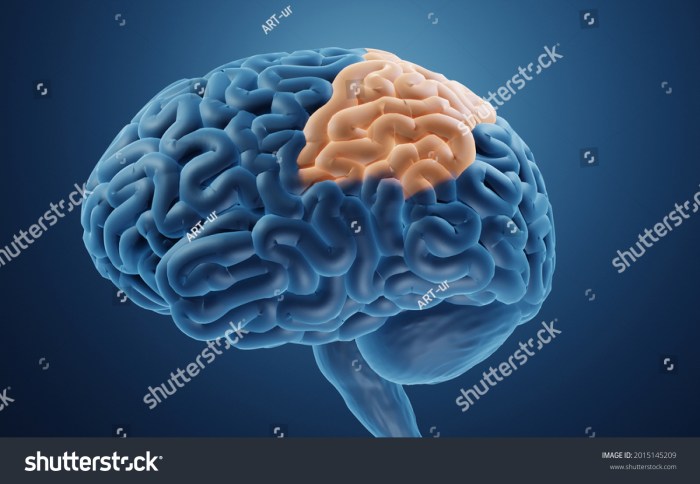
A parietal lobe stroke, affecting the brain’s processing center for sensory information and spatial awareness, can significantly impact a person’s daily life. The specific symptoms experienced vary greatly depending on the affected hemisphere (left or right) and the extent of the damage. Understanding these symptoms is crucial for effective rehabilitation and support.The diverse range of symptoms associated with a parietal lobe stroke stems from the lobe’s crucial role in processing sensory input, integrating it with prior knowledge, and guiding movement.
Parietal lobe strokes can cause some pretty significant issues with spatial awareness and processing sensory information. It’s all about how your brain interprets the world around you. This can lead to difficulties with tasks like recognizing objects or even understanding the size and relationship of things. A healthy diet, like one rich in potatoes vegetables or grains , can support overall brain health.
But regardless of diet, the effects of a parietal lobe stroke can significantly impact daily life.
Damage to this area can lead to difficulties in understanding and responding to the environment, affecting everything from simple tasks like dressing to complex activities like reading and writing.
Symptoms Across Hemispheres
Parietal lobe strokes often result in distinct symptoms depending on the affected hemisphere. This difference arises from the hemisphere’s specialization in processing information from the opposite side of the body. A table outlining these differences will help illustrate this concept.
| Symptom | Left Parietal Lobe Stroke | Right Parietal Lobe Stroke |
|---|---|---|
| Sensory Neglect | Difficulty perceiving or responding to stimuli on the right side of the body and space. | Difficulty perceiving or responding to stimuli on the left side of the body and space. |
| Spatial Awareness | Problems with mathematical reasoning, difficulties with tasks requiring precise spatial relationships (like building a structure). | Difficulties with spatial orientation, understanding the layout of their surroundings, and processing maps. |
| Language Processing | Problems with reading and writing (dysgraphia and dyslexia), mathematical reasoning, and some difficulties with language comprehension. | Difficulties in understanding spatial relationships in language, recognizing faces, and issues with attention. |
| Agraphia | Difficulty writing | Less common, but possible. |
| Alexia | Difficulty reading | Less common, but possible. |
Sensory Perception Impact
The parietal lobe is fundamental for processing sensory information from the body and the environment. Damage to this area can lead to altered or impaired sensory perception, impacting touch, vision, and spatial awareness. For instance, individuals might experience numbness, tingling, or pain in parts of their body, or difficulty distinguishing textures or shapes. Vision can be affected by issues with visual perception, such as problems with object recognition or spatial relationships in a visual field.
The individual might struggle to integrate visual and tactile information. They might have difficulty navigating their surroundings due to issues in processing spatial cues.
Cognitive Function Impairment
Cognitive functions, such as spatial reasoning and attention, are significantly impacted by parietal lobe strokes. Spatial reasoning, crucial for tasks like navigating, judging distances, and manipulating objects in space, becomes compromised. Individuals might have trouble understanding maps or arranging objects in a particular order. Attention, the ability to focus and maintain concentration, can also be impaired, affecting a person’s ability to complete tasks requiring sustained attention.
For example, they might struggle to follow a conversation or focus on a book for an extended period.
Communication Difficulties
Communication difficulties can arise from parietal lobe strokes, affecting both spoken and written language. Individuals might have trouble expressing themselves verbally or writing coherently. This is not always a direct consequence of language impairment, but can stem from the difficulty in processing the spatial aspects of language. They might have difficulty organizing their thoughts or using language appropriately in different social contexts.
For instance, a person might have trouble following a complex set of instructions or using appropriate language in a conversation.
Neurological Effects
A parietal lobe stroke disrupts the intricate network of neurological pathways crucial for sensory processing, spatial awareness, and motor control. The specific impairments depend heavily on the location and extent of the damage within the parietal lobe, as different areas handle distinct functions. Understanding these pathways and their disruption is key to comprehending the wide range of neurological deficits that can arise.
Impact on Sensory Processing Pathways, Effects of a parietal lobe stroke
The parietal lobe plays a vital role in integrating sensory information from various parts of the body. Damage to this area can lead to a range of sensory processing difficulties. For instance, patients might experience neglect of the contralateral (opposite) side of their body or space. This can manifest as difficulty in recognizing objects on the affected side or dressing only the unaffected side of the body.
Problems with tactile discrimination, such as recognizing the shape or texture of objects by touch, are also common. Furthermore, deficits in proprioception, the sense of body position in space, can lead to difficulty with balance and coordination.
Impact on Spatial Awareness and Navigation
The parietal lobe is essential for constructing a mental representation of the environment and navigating within it. A stroke in this region can result in impairments in spatial awareness, including difficulty with judging distances, recognizing landmarks, and understanding spatial relationships. These impairments can significantly impact a person’s ability to perform everyday tasks, such as driving or navigating familiar surroundings.
A person might struggle to understand the relationship between objects in space, leading to problems with tasks that involve manipulating objects in a specific order.
Impact on Motor Control Pathways
The parietal lobe collaborates with motor areas in the brain to plan and execute movements. Damage to the parietal lobe can result in difficulties with motor planning, such as apraxia, a condition where individuals struggle to perform learned motor tasks despite having the physical ability to do so. This can manifest as problems with dressing, using utensils, or other complex movements.
Additionally, issues with coordination and dexterity can arise due to disruptions in the parietal lobe’s role in integrating sensory feedback during movement. The patient might have difficulty with tasks requiring fine motor skills or controlling the trajectory of movements.
Summary of Neurological Deficits
| Neurological Deficit | Description | Underlying Mechanism |
|---|---|---|
| Sensory Neglect | Inability to perceive or respond to stimuli on the contralateral side of the body or space. | Damage to the parietal lobe disrupts the neural pathways responsible for integrating sensory information from the affected side. |
| Tactile Agnosia | Inability to recognize objects by touch. | Impairment in the parietal lobe’s role in processing and interpreting tactile information. |
| Proprioceptive Deficits | Problems with body awareness and spatial orientation. | Damage to the parietal lobe disrupts the neural pathways that provide sensory information about body position and movement. |
| Spatial Disorientation | Difficulty with understanding spatial relationships and navigating environments. | Impairment in the parietal lobe’s role in constructing a mental map of the environment and integrating spatial information. |
| Apraxia | Inability to perform learned motor tasks despite having the physical ability to do so. | Disruption in the parietal lobe’s role in planning and executing movements, interfering with the coordination between sensory input and motor output. |
Diagnostic Processes
Pinpointing the cause of neurological symptoms, especially those related to parietal lobe strokes, requires a meticulous diagnostic process. This involves a combination of methods, from detailed patient histories to advanced imaging techniques. Accurate diagnosis is crucial for appropriate treatment and management of the stroke’s effects.
Neurological Examinations
A thorough neurological examination is a cornerstone of the diagnostic process. This examination assesses various functions controlled by the parietal lobe, including sensory perception (touch, temperature, pain), spatial awareness, and motor skills. The examiner will evaluate the patient’s ability to perceive sensations in different parts of the body, their understanding of spatial relationships, and their dexterity in performing tasks that require hand-eye coordination.
The examination also involves evaluating language comprehension, a function sometimes affected by parietal lobe damage. The extent of the deficit in these areas helps determine the location and severity of the stroke. For instance, difficulty with recognizing objects or understanding spatial relationships (agnosia and apraxia, respectively) strongly suggest parietal lobe involvement.
Imaging Techniques
Neuroimaging plays a critical role in visualizing the affected area of the brain. Magnetic Resonance Imaging (MRI) and Computed Tomography (CT) scans are the most common imaging techniques employed. MRI provides detailed anatomical images, allowing physicians to identify the precise location and extent of the stroke-induced damage with high accuracy. MRI is particularly useful for identifying subtle lesions or determining the nature of the stroke, whether ischemic (caused by blocked blood vessels) or hemorrhagic (caused by bleeding).
CT scans, on the other hand, offer faster imaging and are valuable in rapidly assessing the presence of a stroke, particularly in cases of suspected hemorrhagic stroke, where rapid intervention is crucial. Both MRI and CT scans help distinguish between different types of strokes and provide vital information for treatment planning.
Diagnostic Tools Summary
| Diagnostic Tool | Application |
|---|---|
| Neurological Examination | Assesses sensory perception, spatial awareness, motor skills, and language comprehension to determine the extent of parietal lobe damage. |
| MRI Scan | Provides detailed anatomical images of the brain, identifying the precise location and extent of the stroke, differentiating between ischemic and hemorrhagic strokes. |
| CT Scan | Offers rapid imaging to assess the presence of a stroke, particularly in suspected hemorrhagic cases, where prompt intervention is vital. |
Treatment Approaches
Parietal lobe strokes, while impactful, are not insurmountable. A multi-faceted approach to treatment, encompassing both pharmacological interventions and rehabilitation therapies, is crucial for maximizing recovery and improving quality of life. This section will delve into the various treatment strategies available to stroke survivors.
Pharmacological Interventions
Pharmacological interventions for parietal lobe stroke focus primarily on managing symptoms and preventing further complications. Medications like aspirin or other antiplatelet agents, or anticoagulants, are often prescribed to reduce the risk of blood clots. Blood pressure management is also vital, as hypertension can exacerbate the damage. Furthermore, medications to address any associated conditions, such as seizures or depression, are often necessary.
Rehabilitation Therapy
Rehabilitation therapy plays a pivotal role in the recovery process after a parietal lobe stroke. It’s a structured program designed to restore lost functions and improve independence. The specific interventions depend on the individual’s specific deficits, such as spatial neglect, agraphia, or acalculia. This tailored approach focuses on regaining motor skills, improving cognitive functions, and enhancing daily living activities.
Therapy sessions often incorporate exercises, adaptive strategies, and assistive devices.
Rehabilitation Strategies
A variety of rehabilitation strategies are employed to address the diverse effects of parietal lobe strokes. Each strategy aims to retrain the brain and body to compensate for the lost functions.
| Rehabilitation Strategy | Description | Potential Benefits |
|---|---|---|
| Occupational Therapy | Focuses on adapting daily tasks and activities to accommodate impairments. This might include using adaptive equipment, modifying home environments, or developing compensatory strategies. | Improves independence in activities of daily living (ADLs), such as dressing, bathing, and meal preparation. Enhances the ability to perform work-related tasks or participate in hobbies. |
| Physical Therapy | Aims to restore motor skills and improve mobility. This involves exercises to enhance strength, range of motion, balance, and coordination. Strategies may also include gait training and the use of assistive devices. | Improves physical function, reduces spasticity, and enhances the ability to move independently. |
| Speech-Language Therapy | Addresses communication and swallowing difficulties. This might include exercises to improve speech clarity, articulation, and comprehension, as well as strategies for managing dysphagia (difficulty swallowing). | Improves communication skills, reduces the risk of aspiration, and enhances the ability to eat and drink safely. |
| Cognitive Rehabilitation | Targets cognitive impairments, such as spatial neglect, memory problems, or difficulties with attention. This involves specific exercises to improve attention, memory, problem-solving skills, and executive functions. | Improves cognitive abilities, enhances the ability to learn and adapt, and supports participation in social activities. |
Long-Term Outcomes and Management: Effects Of A Parietal Lobe Stroke
A parietal lobe stroke’s impact extends far beyond the initial symptoms. The long-term consequences can significantly affect a person’s daily life, requiring ongoing support and adaptation. Understanding these potential challenges and available management strategies is crucial for both the stroke survivor and their support network.The recovery process after a parietal lobe stroke is multifaceted and often unpredictable. While some individuals experience significant improvements, others face enduring challenges that affect their cognitive abilities, sensory perception, and motor skills.
These long-term effects necessitate a personalized approach to care and rehabilitation, tailored to the individual’s specific needs.
Parietal lobe strokes can really mess with your spatial awareness, making everyday tasks tricky. Understanding the effects on your body is crucial, and that includes considering your daily nutritional intake, like how many grams of fat per day you should be consuming how many grams of fat per day. This, combined with proper rehabilitation, can significantly improve your recovery process and help you regain lost functions.
Ultimately, a multifaceted approach is key for managing the challenges posed by a parietal lobe stroke.
Potential Long-Term Complications
The parietal lobe plays a vital role in spatial awareness, sensory processing, and higher-level cognitive functions. Damage to this area can lead to a range of persistent difficulties. These complications often manifest as impairments in various aspects of daily living, impacting both physical and cognitive domains.
Management Strategies
Effective management of long-term complications involves a multifaceted approach. A crucial element is a comprehensive rehabilitation program that addresses the specific deficits experienced by the individual. This includes tailored therapies targeting cognitive impairments, sensory processing issues, and motor skills deficiencies. Occupational therapy plays a key role in adapting daily routines and environments to accommodate the individual’s limitations. Furthermore, supportive care from family, friends, and community organizations can significantly enhance the well-being and quality of life for stroke survivors.
Support Systems for Stroke Survivors
Building a robust support system is essential for long-term well-being. This network can provide emotional support, practical assistance, and access to valuable resources. Family members and close friends can offer companionship and practical help with tasks like meal preparation, transportation, and household chores. Support groups provide a platform for individuals to connect with others who understand the challenges they face.
These groups offer a sense of community, sharing experiences and strategies for coping with the long-term effects of a parietal lobe stroke. Professional organizations and community resources can offer additional support, guidance, and access to specialist services.
Examples of Support Systems
One example of a strong support system involves a family member who diligently learns the necessary techniques to assist with daily tasks and emotional support for the stroke survivor. Another example is a stroke survivor who actively participates in a support group, connecting with others who understand their experiences and sharing coping strategies. Furthermore, local organizations often offer resources and support services for stroke survivors and their families.
Table of Potential Long-Term Complications and Management Strategies
| Potential Long-Term Complications | Management Strategies |
|---|---|
| Spatial Neglect | Occupational therapy focusing on awareness training, visual cues, and environmental modifications. |
| Sensory Processing Disorders | Sensory integration therapy, assistive devices, and environmental adaptations. |
| Cognitive Impairments (e.g., memory, attention, executive function) | Cognitive rehabilitation programs, memory aids, and strategies for task organization. |
| Language Disorders (aphasia) | Speech therapy focusing on communication strategies and alternative communication methods. |
| Motor Deficits (weakness, paralysis) | Physical therapy focusing on regaining strength and mobility, assistive devices. |
| Emotional and Psychological Impacts (e.g., depression, anxiety) | Counseling, support groups, and stress management techniques. |
Illustrative Case Studies
Understanding the varied effects of a parietal lobe stroke requires looking at real-life examples. These case studies highlight the diverse spectrum of symptoms, treatment approaches, and outcomes, providing valuable insights into the challenges and resilience of individuals affected by this condition. Each case offers a unique perspective on the impact of a parietal lobe stroke on daily life.Analyzing individual cases allows for a deeper understanding of the complexities of parietal lobe stroke, demonstrating the multifaceted nature of this neurological event.
Parietal lobe strokes can cause some pretty weird sensory issues, like trouble with spatial awareness and recognizing objects. It’s fascinating how similar symptoms can manifest in different conditions; for example, rheumatoid arthritis numbness and tingling here can mimic some of the sensations experienced after a parietal lobe stroke. Ultimately, understanding these various neurological and musculoskeletal conditions is crucial for proper diagnosis and treatment.
By examining the strategies employed by patients and their families, we can gain valuable insights into adapting to the challenges posed by the condition.
Case Study: Maria’s Journey
Maria, a 55-year-old teacher, experienced a sudden onset of a parietal lobe stroke. The stroke resulted in significant impairments in her spatial awareness and attention. Initial symptoms included difficulty with tasks requiring visual-spatial processing, such as navigating familiar routes and assembling objects. She struggled with reading and writing, as well as difficulty with math and organizing her thoughts.
Symptoms and Treatment
Maria’s symptoms included:
- Difficulty with spatial orientation: She frequently bumped into objects or misjudged distances while walking. Her sense of direction was significantly impaired.
- Neglect syndrome: She failed to recognize objects or parts of her body on the side opposite to the affected brain hemisphere. This was evident in her dressing habits, as she often missed one side of her body while getting dressed.
- Acalculia: She struggled with basic arithmetic, a problem that significantly impacted her ability to manage finances.
- Aphasia (in some cases): Difficulty in understanding or producing speech was also a symptom.
Her treatment involved a multidisciplinary approach, including:
- Physical therapy: To improve her mobility and spatial awareness.
- Occupational therapy: To develop strategies for managing daily tasks and improving her cognitive functions.
- Speech therapy: To improve communication if needed.
- Medication: To manage any associated complications.
Outcomes and Challenges
Maria’s recovery was gradual and challenging. Despite the intensive therapy, she experienced persistent difficulties with spatial awareness and attention. She struggled to adapt to the new limitations, leading to frustration and emotional distress. Her family also faced significant challenges in supporting her. The emotional toll on her family was immense as they had to adapt to a new reality.
The cost of care, both financial and emotional, was a significant burden.
Adaptive Strategies
Maria implemented several adaptive strategies to cope with her condition:
- Visual aids: She used visual cues and reminders to help her navigate her home and perform daily tasks.
- Repetitive exercises: She practiced spatial tasks regularly to reinforce her skills.
- Support groups: She found support and encouragement from other stroke survivors.
- Modified routines: She simplified her daily schedule to reduce stress and allow for more focused effort on tasks she could manage.
Maria’s case demonstrates the profound impact of a parietal lobe stroke on a person’s life. It also highlights the importance of a multidisciplinary approach to treatment, the crucial role of adaptive strategies, and the significance of family support in facilitating recovery.
Prevention Strategies
Parietal lobe strokes, while sometimes unavoidable, are often linked to modifiable lifestyle factors. Proactive measures can significantly reduce the risk of experiencing this debilitating condition. Understanding the interplay between risk factors and preventative strategies is crucial for personal well-being and a healthier future.Effective stroke prevention involves a multifaceted approach encompassing both lifestyle choices and medical interventions. By addressing underlying risk factors and adopting healthy habits, individuals can significantly reduce their chances of suffering a parietal lobe stroke.
This section delves into practical strategies for minimizing stroke risk, highlighting the significance of a comprehensive preventative approach.
Lifestyle Factors
Healthy lifestyle choices are fundamental to preventing various health issues, including strokes. Consistent adherence to these guidelines can dramatically improve overall well-being and reduce the risk of stroke. A balanced diet, regular exercise, and stress management techniques are crucial components of a preventive strategy.
- Balanced Diet: A diet rich in fruits, vegetables, and whole grains, coupled with a moderate intake of lean proteins and healthy fats, is vital for cardiovascular health. Limiting processed foods, saturated fats, and excessive sodium intake is equally important. Maintaining a healthy weight through balanced nutrition plays a crucial role in stroke prevention.
- Regular Exercise: Physical activity helps lower blood pressure, improve cholesterol levels, and maintain a healthy weight. Aim for at least 150 minutes of moderate-intensity or 75 minutes of vigorous-intensity aerobic activity per week, along with muscle-strengthening activities at least twice a week. Consistent exercise is a cornerstone of a stroke prevention strategy.
- Stress Management: Chronic stress can elevate blood pressure and increase the risk of blood clots. Practicing stress-reducing techniques like meditation, yoga, or deep breathing exercises can help mitigate this risk. Mindfulness and stress management techniques are valuable tools in stroke prevention.
- Smoking Cessation: Smoking significantly increases the risk of stroke. Quitting smoking is one of the most impactful preventative measures an individual can take. Smoking cessation is a crucial step towards minimizing the risk of stroke.
- Moderation in Alcohol Consumption: Excessive alcohol intake can lead to high blood pressure and increase the risk of stroke. Limiting alcohol consumption to recommended guidelines is essential for stroke prevention.
Risk Factors and Preventative Measures
Identifying and addressing risk factors are crucial for preventing parietal lobe strokes. A comprehensive understanding of these factors empowers individuals to take proactive steps towards a healthier lifestyle.
| Risk Factor | Preventative Measure |
|---|---|
| High Blood Pressure | Maintain a healthy weight, exercise regularly, adopt a balanced diet low in sodium, and manage stress effectively. Medication, when prescribed, should be adhered to consistently. |
| High Cholesterol | Consume a diet rich in fruits, vegetables, and whole grains, and limit saturated and trans fats. Regular exercise and maintaining a healthy weight are also important. |
| Diabetes | Maintain a healthy weight, exercise regularly, and follow a balanced diet. Monitor blood sugar levels closely and adhere to prescribed treatment plans. |
| Smoking | Quit smoking immediately. Seek support from healthcare professionals and support groups. |
| Obesity | Adopt a balanced diet and engage in regular physical activity. Focus on long-term lifestyle changes for sustainable results. |
| Lack of Physical Activity | Incorporate regular exercise into daily routines, aiming for at least 150 minutes of moderate-intensity or 75 minutes of vigorous-intensity aerobic activity per week. |
Maintaining Healthy Lifestyle Choices
Maintaining healthy lifestyle choices is a continuous process, not a one-time event. Consistency and perseverance are key to achieving and sustaining positive health outcomes. Creating a sustainable routine that incorporates these lifestyle changes is vital for long-term stroke prevention.
“A healthy lifestyle is not just about avoiding disease; it’s about cultivating a vibrant state of well-being.”
Making these choices a regular part of daily life is critical. Regular check-ups with healthcare providers and open communication about health concerns are also crucial components of maintaining a healthy lifestyle.
Wrap-Up
In conclusion, a parietal lobe stroke presents a multifaceted challenge with diverse symptoms, neurological impairments, and long-term consequences. Understanding the complexities of this condition, from the initial diagnostic process to the multifaceted treatment approaches and ongoing management strategies, is vital for effective care and support. By examining the neurological pathways affected, the varied symptoms experienced, and the potential long-term outcomes, we can gain a more profound appreciation for the impact of this type of stroke on individuals’ lives.
Prevention, early diagnosis, and comprehensive rehabilitation remain crucial for improving outcomes and supporting individuals in navigating the challenges that arise.