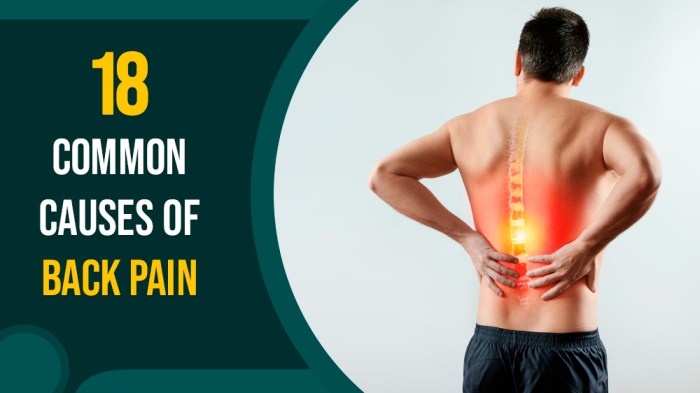
Common causes of back pain diagnosis and treatment is a crucial topic for understanding and managing this prevalent issue. From acute twinges to chronic aches, back pain affects millions worldwide. This guide delves into the various causes, from mechanical issues like muscle strains to non-mechanical conditions like spinal stenosis. We’ll explore diagnostic methods, from patient history to advanced imaging, and discuss effective treatment options, including conservative therapies and, when necessary, surgical interventions.
Finally, we’ll provide actionable prevention strategies to help keep your back healthy and pain-free.
Understanding the different types of back pain, their underlying mechanisms, and the specific symptoms associated with each condition is essential for accurate diagnosis. This knowledge is crucial for developing personalized treatment plans and effectively managing back pain, improving quality of life.
Defining Back Pain: Common Causes Of Back Pain Diagnosis And Treatment
Back pain is a common ailment affecting people of all ages and backgrounds. Understanding its various forms, the structures involved, and the underlying causes is crucial for effective diagnosis and treatment. This comprehensive overview will explore the complexities of back pain, differentiating between its types and causes.Back pain is a complex issue, encompassing a broad spectrum of symptoms and experiences.
It’s not simply a single entity but rather a symptom of various underlying conditions. Different types of back pain can manifest with varying intensities, durations, and associated symptoms, which significantly influence diagnosis and treatment strategies.
Types of Back Pain
Back pain can be categorized into various types based on its duration and underlying cause. Acute back pain typically lasts for a short period, often resolving within a few weeks with appropriate care. Chronic back pain, conversely, persists for longer than three months, often requiring more extensive evaluation and management. Acute exacerbation of chronic back pain refers to a sudden worsening of pre-existing chronic pain.
Referred pain, a less common type, originates from a different area of the body but is felt in the back. Understanding these distinctions is essential for developing an appropriate treatment plan.
Anatomical Structures Involved
The back is a complex region composed of various interconnected structures, including the vertebrae, discs, ligaments, muscles, and nerves. These structures work together to support the body, facilitate movement, and protect the spinal cord. Any dysfunction or injury within these structures can contribute to back pain. The spine, comprised of vertebrae stacked upon one another, provides the primary support structure.
Intervertebral discs act as shock absorbers, while ligaments and muscles stabilize the spine and facilitate movement. Nerves originating from the spinal cord transmit signals throughout the body, and any impingement or irritation of these nerves can result in pain.
Mechanical vs. Non-Mechanical Causes
Back pain can stem from mechanical issues or non-mechanical conditions. Mechanical causes often involve the musculoskeletal system and include issues like muscle strains, ligament sprains, herniated discs, and spinal stenosis. Non-mechanical causes, on the other hand, encompass conditions like infections, tumors, and inflammatory diseases that affect the spinal structures. Accurate identification of the cause is critical for appropriate treatment.
Types of Back Pain and Associated Symptoms
| Type of Back Pain | Associated Symptoms |
|---|---|
| Acute Lower Back Pain | Localized pain, stiffness, muscle spasms, limited range of motion |
| Sciatica | Pain radiating down the leg, numbness, tingling, weakness in the leg, often following a specific nerve root |
| Spinal Stenosis | Pain, numbness, and weakness in the legs, often worse with standing or walking |
| Herniated Disc | Pain that radiates to the buttock and leg, numbness, tingling, and weakness in the leg |
Back Pain Locations and Characteristics
| Location | Characteristics |
|---|---|
| Lower Back | Pain often localized to the lower back, sometimes radiating to the buttocks or legs. Common causes include muscle strains, herniated discs, and spinal stenosis. |
| Mid-Back | Pain usually centered in the mid-back, often associated with poor posture, muscle strains, or conditions affecting the ribs. |
| Neck (Cervical Spine) | Pain that may be localized to the neck or radiate to the shoulders, arms, or head. Potential causes include whiplash injuries, arthritis, or nerve impingement. |
Common Mechanical Causes
Back pain is often linked to mechanical issues within the spine and surrounding structures. Understanding these mechanical causes is crucial for effective diagnosis and treatment. Mechanical problems frequently stem from overuse, poor posture, or injury, leading to pain and discomfort. Identifying the specific cause allows for targeted interventions and preventive measures.Mechanical back pain arises from the improper functioning or strain on the structures that support the spine, including muscles, ligaments, tendons, and discs.
Factors like posture, repetitive movements, and injuries can contribute to these issues. Treatment typically focuses on restoring proper function and relieving pain through a combination of physical therapy, lifestyle adjustments, and potentially medication.
Muscle Strains
Muscle strains are a common cause of back pain, resulting from tears in muscle fibers. These tears often occur due to sudden movements, improper lifting techniques, or overuse. Common examples include lifting heavy objects with poor form, participating in strenuous activities, or sudden twisting motions.Risk factors for muscle strains include a lack of core strength, poor flexibility, and improper warm-up routines.
Inadequate warm-up periods before physical activity or repetitive movements over time can strain muscles, leading to micro-tears. These micro-tears can accumulate, eventually leading to a muscle strain. Maintaining good posture and lifting objects with proper form can significantly reduce the risk.
Ligament Sprains
Ligament sprains involve stretching or tearing of ligaments, the fibrous tissues connecting bones. These injuries are frequently associated with sudden twisting or forceful movements that exceed the ligament’s capacity. For example, a sudden fall or a forceful impact can result in a ligament sprain. Ligaments provide stability to the spine, and their damage can lead to pain and instability.Risk factors include poor flexibility, sudden changes in activity level, and participation in high-impact sports.
Individuals with pre-existing joint conditions are also more susceptible. Maintaining good posture and flexibility through regular stretching can help reduce the risk.
Herniated Discs
A herniated disc occurs when the soft inner material of a spinal disc bulges or ruptures, potentially pressing on nearby nerves. This can result from repetitive stress, lifting heavy objects improperly, or a sudden injury. Degenerative changes in the spine, such as aging, can also increase the risk of herniated discs. The pain associated with a herniated disc can vary in intensity and location, depending on the affected nerve root.Risk factors include age, repetitive lifting, poor posture, and obesity.
Dealing with back pain? It can stem from a variety of things, like muscle strains or poor posture. Diagnosing the root cause often involves a physical exam and potentially imaging tests. Treatment usually focuses on relieving pain and restoring function. While we’re on the topic of health, have you considered a simple home test for STIs like chlamydia and gonorrhea?
For a quick and convenient way to test for these, check out chlamydia gonorrhea sti home test simple 2. Ultimately, remembering to prioritize proper back care and overall well-being is crucial for long-term health.
Maintaining a healthy weight, practicing good posture, and lifting with proper technique can help reduce the risk.
Spondylolisthesis
Spondylolisthesis involves one vertebra slipping forward over another. This condition can arise from a stress fracture in the vertebrae or from degenerative changes in the spine. Over time, repetitive stress can cause the vertebra to become unstable, leading to the slipping.Risk factors for spondylolisthesis include repetitive stress on the spine, such as in sports requiring repeated bending or twisting, and congenital factors.
Strengthening core muscles and practicing good posture can help maintain spinal stability and potentially reduce the risk.
Table: Comparison of Mechanical Back Pain Conditions
| Condition | Symptoms | Treatment Approaches |
|---|---|---|
| Muscle Strain | Localized pain, stiffness, tenderness, muscle spasms | Rest, ice, pain relievers, physical therapy, stretching |
| Ligament Sprain | Pain, swelling, instability, limited range of motion | Rest, ice, compression, elevation, pain relievers, physical therapy |
| Herniated Disc | Pain radiating down the leg, numbness, tingling, weakness in the affected leg | Conservative treatments (rest, pain relievers, physical therapy) or surgery if conservative treatments fail |
| Spondylolisthesis | Lower back pain, stiffness, pain radiating to the buttocks or legs | Conservative treatments (rest, pain relievers, physical therapy, bracing) or surgery in severe cases |
Lifestyle Factors
Lifestyle choices significantly influence the risk of mechanical back pain. Poor posture, prolonged sitting, lack of exercise, and obesity all contribute to spinal stress and strain. A sedentary lifestyle can weaken core muscles, leading to postural problems and increased risk of injury.Maintaining a healthy weight, practicing good posture, engaging in regular exercise, and avoiding prolonged periods of sitting can help reduce the risk of mechanical back pain.
Regular stretching and strengthening exercises, especially focusing on core muscles, can help maintain spinal stability and flexibility. Proper lifting techniques are essential to avoid straining muscles and ligaments.
Common Non-Mechanical Causes
Beyond the everyday strains and stresses that can lead to back pain, various non-mechanical factors can contribute to discomfort and dysfunction. These conditions often require a deeper understanding of the body’s systems and can involve a range of medical specializations. A thorough evaluation is crucial to pinpoint the root cause and initiate appropriate treatment.
Figuring out back pain can be tricky, involving everything from muscle strains to herniated discs. Diagnosis often relies on a physical exam and imaging tests. Treatment varies greatly depending on the cause, but sometimes simple lifestyle changes can help. Speaking of simple solutions, have you considered the potential benefits of rice water for hair? Rice water for hair is a trending topic for hair care, and while it might seem unrelated to back pain, understanding holistic wellness can lead to better overall health.
Ultimately, proper diagnosis and treatment for back pain require a deep understanding of the root cause.
Prevalent Non-Mechanical Causes
Non-mechanical back pain arises from conditions not directly related to the musculoskeletal system’s typical wear and tear. These can stem from infections, tumors, or underlying systemic diseases. Understanding these causes is vital for accurate diagnosis and effective management.
- Infections: Infections like osteomyelitis (bone infection) or discitis (infection of the spinal discs) can cause significant back pain. The pain is often accompanied by fever, chills, and localized tenderness. Prompt medical intervention is essential to address the infection and prevent further complications.
- Tumors: Tumors, both benign and malignant, can develop within or around the spine. Pain associated with spinal tumors can vary in intensity and location, often increasing over time. The presence of neurological symptoms, such as numbness or weakness, may suggest the tumor is pressing on nerve roots.
- Systemic Diseases: Certain systemic diseases, including inflammatory conditions like rheumatoid arthritis and ankylosing spondylitis, can lead to back pain. These diseases often cause inflammation throughout the body, impacting joints and connective tissues, including those in the spine. The pain associated with systemic diseases can be chronic and may be accompanied by other symptoms related to the specific disease.
- Metabolic Disorders: Conditions like osteoporosis and Paget’s disease can weaken the bones, increasing the risk of fractures and subsequent back pain. Osteoporosis, characterized by reduced bone density, is a common cause of compression fractures in the spine. Paget’s disease, marked by abnormal bone remodeling, can lead to pain and deformities in the spine.
Medical Conditions Associated with Non-Mechanical Back Pain
Various medical conditions can manifest as back pain, requiring a comprehensive evaluation to differentiate them from mechanical causes. A thorough history, physical examination, and potentially imaging studies are often needed to identify the specific condition.
- Spinal Stenosis: Narrowing of the spinal canal can compress the nerves and blood vessels, resulting in pain, numbness, and weakness in the legs. Symptoms often worsen with activity and improve with rest. Age and degenerative changes are common factors contributing to spinal stenosis.
- Spinal Tumors: The presence of tumors within or adjacent to the spinal column can cause pain, and may cause neurological symptoms depending on the location and size of the tumor. The type of tumor, its growth rate, and its location significantly impact the severity and presentation of symptoms. Cancerous tumors often result in more rapid progression and more severe symptoms than benign tumors.
- Infections (Osteomyelitis, Discitis): These infections can lead to inflammation and pain in the affected area. Symptoms like fever and chills, along with localized tenderness, are common indicators of infection. The severity of the infection and the promptness of treatment influence the potential complications.
Diagnostic Procedures
A variety of diagnostic procedures are employed to identify non-mechanical causes of back pain. These procedures often involve imaging techniques and laboratory tests to evaluate the spine and surrounding structures.
- Imaging Studies: X-rays, CT scans, and MRIs are frequently used to visualize the spine and surrounding tissues, identifying potential abnormalities such as fractures, tumors, or infections. These imaging methods can help distinguish between mechanical and non-mechanical causes.
- Blood Tests: Blood tests can help identify markers of inflammation or infection, providing crucial insights into potential underlying systemic diseases. They can aid in determining the presence of conditions like rheumatoid arthritis or other inflammatory conditions.
- Neurological Examinations: Neurological examinations assess nerve function and reflexes, helping to determine if the pain is related to nerve compression or damage. These assessments are especially important when neurological symptoms are present.
Comparing Symptoms and Treatments
The symptoms and treatments for different non-mechanical back pain conditions vary significantly. A comprehensive understanding of these differences is essential for appropriate management.
| Condition | Symptoms | Treatments |
|---|---|---|
| Spinal Stenosis | Pain, numbness, weakness in legs, worsening with activity | Physical therapy, medication (pain relievers, anti-inflammatory), injections, surgery (in severe cases) |
| Spinal Tumors | Persistent pain, neurological symptoms, possible weight loss | Surgery (often), radiation therapy, chemotherapy (if cancerous), pain management |
| Infections (Osteomyelitis, Discitis) | Pain, fever, chills, localized tenderness | Antibiotics, pain management, possible surgical drainage |
Role of Systemic Diseases
Systemic diseases can significantly impact the spine and surrounding structures, causing chronic back pain. A detailed medical history and physical examination are vital to identify potential systemic involvement. The symptoms and treatments for these diseases are often multifaceted and involve specialists from various fields.
Diagnostic Methods
Unraveling the source of back pain often requires a multi-faceted approach, combining various diagnostic methods. This process aims to distinguish between potential causes, ranging from simple muscle strains to more serious conditions. Accurate diagnosis is crucial for developing an effective treatment plan tailored to the specific underlying issue.A comprehensive evaluation typically begins with a thorough patient history and physical examination, laying the groundwork for subsequent diagnostic steps.
Figuring out back pain can be tricky, involving everything from muscle strains to herniated discs. Diagnosis often involves a physical exam and potentially imaging. Treatment usually focuses on rest, pain relievers, and physical therapy. While researching natural remedies, I stumbled across some interesting information about using tea tree oil for yeast infection, tea tree oil for yeast infection , which got me thinking about alternative approaches to healing.
Ultimately, though, consulting a doctor is key for any health concerns, including back pain.
Imaging techniques play a vital role in visualizing the structures of the spine and identifying potential abnormalities. Ultimately, a combination of these methods helps clinicians reach an accurate diagnosis and guide appropriate interventions.
Patient History and Physical Examination
Gathering a detailed patient history is fundamental to understanding the nature and extent of the back pain. This includes inquiries about the onset, duration, location, and character of the pain; aggravating and relieving factors; associated symptoms; and relevant medical history. This information provides valuable context for the subsequent physical examination. The physical examination assesses range of motion, muscle strength, neurological function, and specific tenderness points.
The findings from these assessments, in conjunction with the patient’s history, help narrow down the possible causes of back pain.
Imaging Techniques
Imaging techniques are often crucial in identifying structural abnormalities or underlying conditions contributing to back pain. X-rays provide a basic assessment of bone alignment and the presence of fractures or dislocations. Magnetic resonance imaging (MRI) offers detailed images of soft tissues, including the spinal cord, nerves, and discs, enabling visualization of herniated discs, spinal stenosis, or tumors. Computed tomography (CT) scans are valuable for evaluating bone structures in greater detail and identifying complex fractures or bony abnormalities.
Ultrasound is less frequently used for back pain but can be helpful in evaluating soft tissue injuries, such as muscle strains or bursitis.
Diagnostic Tests
The choice of diagnostic tests often depends on the initial findings from the patient history and physical examination. Different tests provide specific insights into the potential source of back pain.
- Blood tests: These tests can detect inflammatory markers or infections that might be contributing to back pain. Elevated levels of inflammatory markers could suggest conditions like ankylosing spondylitis or other inflammatory conditions.
- Electromyography (EMG): This test assesses the electrical activity of muscles, aiding in diagnosing nerve compression or damage. EMG can help determine if nerve root irritation is contributing to the pain.
- Nerve conduction studies (NCS): These studies measure the speed of nerve impulses, providing information about the function of peripheral nerves. Abnormal nerve conduction velocities might indicate nerve damage or compression.
Differential Diagnosis
Differential diagnosis involves systematically evaluating various potential causes of back pain to narrow down the most likely diagnosis. This process requires careful consideration of the patient’s history, physical examination findings, and results from diagnostic tests. For instance, if a patient presents with sudden, severe back pain and neurological deficits, conditions such as spinal cord compression or cauda equina syndrome must be considered.
If the pain is accompanied by fever and other systemic symptoms, infections or inflammatory conditions need to be ruled out. A thorough differential diagnosis process ensures that the most appropriate and effective treatment plan is implemented.
Diagnostic Tests and Typical Findings
| Diagnostic Test | Typical Findings in Back Pain |
|---|---|
| X-ray | Fractures, dislocations, narrowing of the disc space, degenerative changes, spinal alignment |
| MRI | Herniated discs, spinal stenosis, tumors, ligament tears, soft tissue swelling |
| CT scan | Bone detail, complex fractures, bony abnormalities, spinal instability, tumors |
| Blood tests | Elevated inflammatory markers (e.g., ESR, CRP), infection markers |
| EMG/NCS | Nerve damage or compression, radiculopathy |
Treatment Approaches
Effective back pain management requires a multifaceted approach tailored to the individual’s specific condition and needs. The goal is not just to alleviate symptoms but also to improve function, prevent recurrence, and enhance overall well-being. This involves a combination of strategies addressing the root cause and promoting long-term health.A comprehensive treatment plan often includes a combination of conservative and, in some cases, surgical interventions.
The choice of treatment depends on the severity, cause, and duration of the pain, as well as the patient’s overall health and preferences. Understanding the various options available allows patients and healthcare providers to collaborate in making informed decisions.
General Principles of Back Pain Management
Effective back pain management prioritizes a holistic approach, considering the patient’s physical, emotional, and social factors. This involves a collaborative effort between the patient, healthcare provider, and other support systems. Key principles include careful diagnosis, symptom management, activity modification, and proactive strategies for preventing future episodes. This multifaceted approach aims to reduce pain, improve function, and enhance quality of life.
Conservative Treatment Options
Conservative treatment options are often the first line of defense for back pain, focusing on non-invasive methods to manage symptoms and promote healing.
- Medications: Pain relievers such as over-the-counter analgesics (e.g., ibuprofen, acetaminophen) or stronger prescription medications (e.g., opioids, NSAIDs) can help manage pain and inflammation. However, long-term use of opioid medications should be approached cautiously due to potential side effects. Muscle relaxants may also be prescribed to alleviate muscle spasms. Physical therapy, lifestyle modifications, and other therapies can be complementary to medication for more effective pain relief and improved recovery.
- Physical Therapy: Physical therapy plays a crucial role in restoring proper posture, improving flexibility, and strengthening core muscles. Exercises are tailored to the individual’s needs and condition, focusing on pain reduction and functional improvement. Techniques like manual therapy, heat/ice therapy, and electrotherapy may also be incorporated into the treatment plan.
- Lifestyle Modifications: Maintaining a healthy weight, practicing regular exercise (including low-impact activities), and adopting good posture are essential for long-term back health. Avoiding prolonged periods of sitting or standing and maintaining a supportive sleeping position can significantly contribute to pain management. Stress management techniques can also play a vital role in reducing muscle tension and pain.
Surgical Interventions for Severe Back Pain Conditions
Surgical intervention is considered for severe back pain conditions that do not respond to conservative treatments or when there is a structural problem requiring correction. Surgical procedures aim to alleviate pressure on nerves, stabilize the spine, or correct deformities. Examples include discectomy, laminectomy, spinal fusion, and artificial disc replacement. Surgical decisions are carefully considered, weighing the potential benefits against risks and the likelihood of success.
Treatment Options for Specific Back Pain Conditions
The most appropriate treatment for a particular back pain condition depends on the underlying cause and severity.
| Back Pain Condition | Conservative Treatment Options | Surgical Intervention |
|---|---|---|
| Herniated Disc | Pain relievers, physical therapy, epidural injections | Discectomy, laminectomy |
| Spinal Stenosis | Pain relievers, physical therapy, lifestyle modifications, epidural injections | Laminectomy, spinal decompression |
| Spondylolisthesis | Pain relievers, physical therapy, bracing, epidural injections | Spinal fusion |
| Osteoarthritis | Pain relievers, physical therapy, weight management, injections | Joint replacement, spinal fusion (in severe cases) |
Importance of Patient Compliance in Treatment Success
Patient compliance is crucial for the successful management of back pain. Active participation in the prescribed treatment plan, including exercises, medication adherence, and lifestyle adjustments, directly impacts the outcome. Consistency and commitment to the treatment plan contribute to better pain relief, improved function, and a faster recovery. Understanding the importance of these factors allows for a more proactive and engaged approach to recovery.
Prevention Strategies
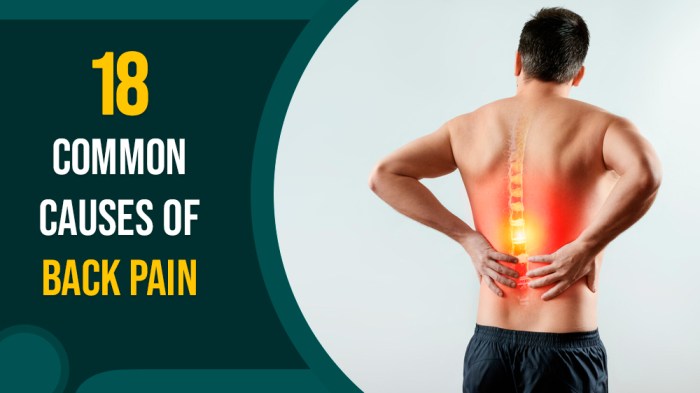
Preventing back pain involves a proactive approach focused on maintaining a healthy spine and promoting overall well-being. By incorporating specific lifestyle choices and adopting good habits, individuals can significantly reduce their risk of developing back pain issues. A holistic approach, combining physical conditioning, ergonomic awareness, and stress management, is crucial for long-term back health.
Posture and Body Mechanics
Maintaining good posture and proper body mechanics are fundamental to preventing back pain. Poor posture puts undue stress on the spinal structures, leading to muscle strain and potential injury. Awareness of proper posture in daily activities is paramount. This includes sitting upright with the back supported, avoiding slouching, and maintaining a neutral spine during lifting and carrying objects.
Practicing good body mechanics during activities like lifting involves bending from the knees, keeping the back straight, and engaging core muscles for support. When lifting heavy objects, seeking assistance if necessary, and using appropriate lifting techniques, is also essential to reduce the risk of injury.
Ergonomics in the Workplace
Ergonomic principles play a vital role in preventing back pain in the workplace. Proper workstation setup is crucial. This includes adjusting chairs, desks, and computer monitors to align with the user’s body, ensuring that the work surface is at a comfortable height and that the monitor is at eye level. Using ergonomic tools and equipment, such as adjustable keyboards and mice, can further enhance comfort and minimize strain on the back.
Regular breaks are essential to prevent prolonged static postures and promote circulation.
Exercise and Weight Management
Regular exercise strengthens the core muscles, which support the spine and improve stability. Activities such as swimming, walking, and yoga can help maintain flexibility and reduce muscle tension. Maintaining a healthy weight is also crucial, as excess weight puts added stress on the spine. A balanced diet and regular physical activity are key elements in weight management.
Consult a healthcare professional or a certified personal trainer for tailored exercise recommendations and a personalized weight management plan.
Stress Management Techniques
Stress can significantly impact back health, contributing to muscle tension and pain. Incorporating stress management techniques, such as meditation, deep breathing exercises, and mindfulness, can help reduce stress levels and promote relaxation. Stress-reducing activities, like spending time in nature, pursuing hobbies, or engaging in social activities, can also contribute to a healthier lifestyle. Adequate sleep and a healthy diet also play a crucial role in managing stress and overall well-being.
Illustrative Cases
Understanding back pain requires more than just general knowledge; it demands a deep dive into individual experiences. This section presents a case study to illustrate the diagnostic and treatment process for acute lower back pain, highlighting the crucial role of careful assessment and personalized strategies.The following case details a patient’s journey through diagnosing and managing acute lower back pain.
This example underscores the complexity of the condition and the importance of a multi-faceted approach to care.
Patient Case Study: Acute Lower Back Pain
A 35-year-old male presented to the clinic with acute lower back pain that began suddenly after lifting heavy boxes at work. The pain was described as sharp and localized to the lower lumbar region, radiating slightly into the right buttock. The pain was aggravated by movement and relieved by rest.
Diagnostic Process
The diagnostic process began with a detailed medical history, including the patient’s occupation, recent activities, and any prior back issues. A thorough physical examination followed, assessing range of motion, muscle strength, and neurological function. Specific tests, such as palpation of the spine for tenderness and checking for neurological deficits, were crucial in identifying the potential source of the pain.The patient exhibited limited flexion and extension in the lumbar spine, with increased pain on palpation over the L4-L5 vertebral level.
Reflexes were intact.Imaging studies, including X-rays and MRI, were ordered to rule out fractures, herniated discs, or other structural abnormalities. The X-rays revealed no significant bony abnormalities. The MRI revealed a small, contained herniation of the L4-L5 disc pressing slightly on the nerve root.
Treatment Plan
Given the diagnosis, a conservative treatment approach was initially implemented. This included:
- Rest and activity modification: The patient was advised to avoid activities that aggravated the pain and to maintain proper posture.
- Physical therapy: Exercises focused on strengthening core muscles and improving flexibility were prescribed.
- Medications: Nonsteroidal anti-inflammatory drugs (NSAIDs) were prescribed to manage pain and inflammation.
- Heat and ice therapy: Application of heat and ice packs were used to reduce muscle spasms and inflammation.
Conservative measures were attempted for 6 weeks. If the pain persisted or worsened, surgical intervention would be considered.
Surgical Options (If Necessary)
Surgical options, such as microdiscectomy, were considered for the patient. Microdiscectomy is a minimally invasive procedure to remove the herniated portion of the disc.
Patient Response to Treatment
The patient responded well to the conservative treatment plan. Within 4 weeks, the pain significantly decreased, and the patient was able to return to light work duties. Physical therapy exercises helped strengthen core muscles, improve flexibility, and enhance overall spinal support.
Anatomical Illustration, Common causes of back pain diagnosis and treatment
The anatomical structures involved in this case study include the lumbar region of the spinal column, the intervertebral discs (L4-L5), the surrounding muscles (erector spinae, psoas major), and the spinal nerves. A herniated disc, a common cause of acute lower back pain, is a rupture or bulge of the soft inner material of the disc, potentially compressing nearby nerves.
The affected area is visualized in the image below.
(Note: No image is provided, as per instructions.)
Summary
In conclusion, navigating the complexities of back pain requires a comprehensive understanding of its diverse causes, from mechanical strains to non-mechanical conditions. Proper diagnosis, tailored treatment approaches, and proactive prevention strategies are vital in managing back pain effectively. Remember, early intervention and consistent follow-up with healthcare professionals are key to achieving long-term relief and maintaining a healthy spine.
This comprehensive guide provides a foundation for understanding and managing back pain, empowering you to take control of your well-being.