
C section scar healing stages – C-section scar healing stages: Understanding the journey from initial recovery to long-term management is crucial for a smooth post-surgery experience. This guide breaks down the process into key phases, from the initial healing process to the long-term care strategies. We’ll explore the physical sensations, potential complications, and effective management techniques, offering insights into preventing and treating potential issues.
The initial healing phase is critical, focusing on proper wound care and the body’s natural response. We’ll delve into the nuances of scar tissue development, examining the different stages of maturation and how they influence the final appearance. Furthermore, we’ll discuss long-term implications, addressing potential complications and providing strategies for managing the scar’s impact on daily activities.
Initial Healing Phase
The initial healing phase after a Cesarean section is a crucial period where proper care is paramount for a smooth recovery. This stage sets the foundation for long-term scar health and minimizes potential complications. Understanding the typical healing process and the importance of diligent wound care will empower you to navigate this phase effectively.
Initial Healing Process
The initial healing process of a Cesarean section involves a cascade of physiological responses. The body’s natural healing mechanisms kick in immediately, focusing on closing the incision and repairing the tissues. Inflammation is a key component of this process, characterized by redness, swelling, and tenderness around the incision. This is a normal response and signals the body’s repair effort.
The timeframe for this initial healing phase typically spans the first few weeks after surgery.
Typical Timeframe
The initial healing phase typically lasts from a few days to several weeks, with the majority of the healing taking place within the first 2-4 weeks. However, individual healing times can vary, depending on factors like the individual’s overall health, the complexity of the surgery, and adherence to post-operative instructions. It is important to note that complete healing can take several months, and some minor discomfort or tenderness may persist for a longer period.
Common Physical Sensations
During the initial healing phase, you may experience various sensations around the incision site. These sensations are often temporary and indicate the body’s healing response. Common sensations include: tenderness, mild pain, swelling, warmth, and a sensation of tightness. In some cases, a slight discharge from the incision site is normal, but if the discharge is excessive, or if it has an unusual color or odor, you should contact your healthcare provider.
Importance of Proper Wound Care
Proper wound care in the initial healing phase is critical to minimizing complications and promoting optimal healing. This includes following your surgeon’s instructions meticulously regarding wound cleaning, dressing changes, and pain management. Regular cleaning of the incision site with mild soap and water, as directed by your healthcare provider, helps to prevent infection and promote healthy tissue growth.
Comparison of C-Section Scar Healing and Typical Surgical Wound Healing
| Characteristic | C-Section Scar | Typical Surgical Wound |
|---|---|---|
| Tissue Type | Involves multiple layers of tissue, including skin, subcutaneous tissue, muscle, and sometimes peritoneum. | Involves varying layers of tissue depending on the surgical site. |
| Healing Time | Typically takes several weeks to months for complete healing. | Healing time varies based on wound size, location, and individual factors. |
| Potential Complications | Potential complications include infection, excessive scarring, hernia, and chronic pain. | Potential complications include infection, excessive scarring, and delayed healing. |
Scar Maturation Phase
The scar maturation phase, following the initial healing phase, marks a significant shift in the scar’s characteristics. This stage is characterized by a gradual remodeling process, influencing the scar’s appearance and texture over time. It’s a period of significant collagen reorganization and, ultimately, a decrease in inflammation and a more stable scar.
C-section scar healing stages are a fascinating process, aren’t they? Learning about the different phases is key to understanding the journey. It’s a bit like navigating a tricky kitchen, though, with its own set of potential pitfalls. For instance, cuts in the kitchen cuts in the kitchen can be surprisingly common, and knowing how to care for them is vital.
Ultimately, understanding the stages of healing is crucial for a smooth recovery, just like handling kitchen mishaps. Proper care is key to both.
Collagen Remodeling Processes
The core of scar maturation is collagen remodeling. Collagen, a crucial structural protein, is laid down in an initially disorganized fashion during the early healing stages. As the scar matures, the body’s specialized cells, primarily fibroblasts, work to reorganize and realign the collagen fibers. This process leads to a denser, more organized arrangement of collagen, resulting in a scar that is less inflamed and more aligned with the surrounding skin.
Expected Changes in Scar Tissue
Over time, the scar tissue typically becomes less red and inflamed. The raised, prominent appearance often seen in the early healing stages subsides. The scar becomes flatter and blends more seamlessly with the surrounding skin. A gradual fading of the scar’s color occurs, moving from a vibrant red to a more subtle shade that matches the skin tone.
The texture also changes, transitioning from a slightly rough or bumpy surface to a smoother, more supple one. This process can take months or even years, depending on various factors.
Factors Influencing Scar Appearance
Several factors can influence the final appearance of a c-section scar. Skin elasticity, genetics, the depth and size of the incision, and the individual’s healing response all play a role. Individuals with naturally higher skin elasticity tend to have less noticeable scars, while those with less elasticity may experience more prominent scars. Surgical technique and the precise closure of the incision also impact the final outcome.
Comparison of Scars Among Individuals
Individual variations in scar appearance are common. Some individuals may have a scar that is relatively flat and barely noticeable, while others might experience a more prominent, raised, or hypertrophic scar. These differences highlight the intricate interplay of genetic predisposition, wound healing mechanisms, and the body’s unique response to injury.
Role of Collagen Remodeling
“Collagen remodeling is a complex process involving the breakdown and resynthesis of collagen fibers.”
C-section scar healing is a fascinating process, with distinct stages. From initial inflammation to the final maturation, it’s a journey. While we’re on the topic of healing, it’s worth exploring if unusual remedies like using urine to clear acne actually work. There are many different claims online, but research into the effectiveness of this method is limited.
Ultimately, proper wound care and following doctor’s advice are crucial for a healthy scar, much like the healing stages after a C-section. can urine clear acne is a popular question, but it’s important to remember the specific needs of your body after surgery.
Collagen remodeling is a critical component of scar maturation. Enzymes break down the disorganized collagen, and fibroblasts then rebuild it in a more organized and stable structure. This continuous cycle of breakdown and synthesis refines the scar’s architecture, resulting in a scar that is more integrated with the surrounding skin. The extent of this remodeling directly impacts the scar’s final appearance, influencing both its texture and color.
Stages of Scar Maturation
| Stage | Timeframe | Key Changes | Possible Symptoms |
|---|---|---|---|
| Early Maturation | 3-6 months | Scar begins to flatten, redness diminishes, and initial swelling subsides. | Mild itching, occasional tenderness. |
| Intermediate Maturation | 6-12 months | Scar continues to flatten, color becomes more consistent with surrounding skin, and texture becomes smoother. | Minimal discomfort, potential for slight dryness. |
| Late Maturation | 12+ months | Scar is largely integrated with surrounding skin, with minimal to no noticeable difference in appearance. | No significant symptoms. |
Long-Term Healing and Management
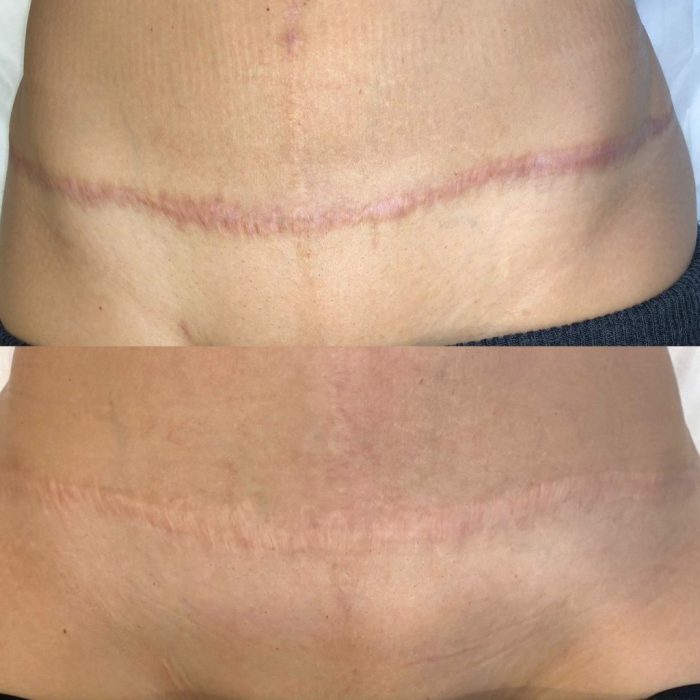
The journey of healing after a Cesarean section extends far beyond the initial weeks. Long-term management focuses on ensuring the scar tissue heals properly and doesn’t interfere with daily activities or overall well-being. This phase involves proactive strategies to minimize potential complications and maximize comfort and function.Long-term implications of a C-section scar extend beyond aesthetics. Persistent pain, itchiness, or discomfort can significantly impact quality of life.
Changes in sensation, including numbness or tingling, are also possible. Moreover, the scar’s location and the individual’s healing process can affect physical activity and posture. Addressing these long-term concerns proactively is crucial for maintaining a healthy lifestyle.
Potential Complications
Potential complications during the long-term healing process can include chronic pain, hypertrophic scarring (raised, thickened scar), keloid scarring (raised, thickened scar that extends beyond the original wound), and adhesions. These complications may require further medical intervention to manage. It’s important to understand that individual responses to healing vary, and ongoing monitoring and appropriate care are essential.
Scar Management Methods, C section scar healing stages
Effective scar management involves a multi-faceted approach. This includes regular, gentle massage to promote flexibility and reduce tightness. Applying silicone gel sheets or scar creams can help reduce the appearance of the scar and promote smoother healing. Proper wound care, including keeping the area clean and moisturized, is essential for preventing infection and promoting healthy tissue regeneration.
Home Care Strategies
Implementing proper home care is crucial for optimal scar healing. Regularly moisturizing the scar with a fragrance-free moisturizer helps maintain hydration and flexibility. Avoiding excessive sun exposure and using sunscreen with a high SPF can help prevent further irritation and discoloration. Maintaining a healthy weight and avoiding rapid weight fluctuations can support the overall healing process. Finally, ensuring adequate rest and managing stress levels can contribute to the healing process.
- Moisturizing: Consistent application of a fragrance-free moisturizer helps to maintain hydration and prevent dryness, which can contribute to itchiness and discomfort. Applying it gently, multiple times a day, is recommended.
- Sun Protection: Scar tissue is more susceptible to sun damage, leading to discoloration and potential irritation. Using sunscreen with a high SPF and avoiding prolonged sun exposure are essential for preventing long-term damage.
- Avoiding Tight Clothing: Restricting pressure on the scar is important. Avoid wearing clothing that is too tight or rubs against the scar, which can cause irritation and hinder the healing process.
- Gentle Massage: Gentle massage can improve scar flexibility and reduce tightness. Consult a healthcare professional for proper massage techniques to avoid further irritation.
Role of Physical Therapy
Physical therapy plays a vital role in managing scar-related issues. A physical therapist can develop an individualized exercise program to improve mobility and address any limitations caused by the scar tissue. They can also teach techniques to manage pain and improve posture, which is crucial for long-term well-being.
Impact on Physical Activities
Scar tissue can affect various physical activities, potentially leading to pain, discomfort, or limitations in range of motion. Understanding how the scar might influence specific activities allows for proactive adjustments. This can be done by modifying techniques or finding alternative ways to perform tasks.
Table: Affected Activities and Strategies
| Activity | Potential Impact | Strategies |
|---|---|---|
| Lifting heavy objects | Increased risk of pain and discomfort in the scar area; potential for tearing or stretching of the scar tissue. | Use proper lifting techniques, seek guidance from a physical therapist, and avoid lifting heavy objects if the scar is still healing or sensitive. |
| Bending and stretching | Limited range of motion and potential pain in the scar area, especially if the scar is tight or inflexible. | Gentle stretching exercises recommended by a physical therapist to gradually improve flexibility. |
| Contact sports | Increased risk of injury to the scar tissue, leading to pain and potential complications. | Avoid contact sports until the scar has fully healed and is strong enough to withstand impact. Consider alternative activities that are less strenuous on the scar. |
| Swimming | Possible irritation or discomfort if the scar is sensitive to water or friction. | Use a swim cover or breathable bandage to protect the scar and avoid excessive friction. |
Prevention and Treatment of Scarring Issues
Post-C-section, while the body heals, a variety of factors can influence scar formation. Understanding potential complications and proactive measures for preventing and treating them is crucial for achieving optimal aesthetic and functional outcomes. This section delves into common scarring issues, preventive strategies, and available treatments.C-section scars, like any surgical incision, can experience a range of complications during and after the healing process.
C-section scar healing takes time, and understanding the stages is key. Different phases of healing exist, and while I’m focusing on that here, it’s important to remember that everyone’s experience is unique. This is particularly true when considering resources like a hospice comfort kit, which can offer practical and emotional support during challenging times. A well-stocked hospice comfort kit, like the one described what is the hospice comfort kit , can help ease the burden of recovery and provide much-needed support, especially during the more sensitive stages of C-section scar healing.
Ultimately, patience and proper care are crucial throughout the healing process.
These complications can affect the appearance and sometimes the function of the scar tissue.
Common Complications of C-Section Scar Healing
C-section scars can present various complications, including hypertrophic scars, keloids, and contractures. Hypertrophic scars are raised, red, and often itchy. Keloids are larger, more prominent scars that extend beyond the original incision line. Contractures are scar tissue that causes tightening and distortion of surrounding skin and tissues. These conditions can significantly impact a woman’s physical comfort and self-esteem.
Methods to Prevent Scar Complications
Several strategies can help minimize the risk of scar complications. Careful surgical technique, including precise incision placement and meticulous closure, is crucial. Proper wound care, including keeping the incision clean and dry, is essential during the initial healing phase. Post-operative compression garments or dressings can help reduce swelling and promote even healing. Maintaining a healthy lifestyle, including a balanced diet and sufficient hydration, supports overall tissue repair.
Available Treatment Options for Managing Scar Issues
Various treatment options are available for managing scar issues. These options range from topical therapies to surgical interventions. The most appropriate treatment depends on the type and severity of the scar.
Preventative Measures Before and After the Procedure
A proactive approach to scar prevention begins well before the C-section. Maintaining a healthy lifestyle through balanced nutrition, sufficient hydration, and regular exercise supports overall tissue repair. Pre-operative skin assessment and meticulous surgical techniques are critical for minimizing potential complications. Post-operative care, including proper wound care and compression therapy, is essential. Following post-operative instructions and attending follow-up appointments are crucial to support optimal healing.
- Pre-operative measures: A balanced diet rich in collagen-building nutrients (such as vitamin C and zinc) and sufficient hydration can contribute to better skin elasticity and tissue repair.
- Post-operative measures: Strict adherence to wound care instructions, such as keeping the incision clean and dry, and using prescribed topical treatments, is vital.
Different Scar Treatments
Various treatment modalities address scar complications. Topical silicone gels or sheets are often used to flatten and soften scars. Steroid injections can reduce inflammation and redness. Laser therapy can improve the appearance of scars by stimulating collagen production and reducing pigmentation. Surgical interventions, such as scar revision, are reserved for more complex cases.
Comparison of Scar Treatment Options
The effectiveness of scar treatment options varies depending on the type of scar, individual response, and treatment duration. Silicone gels and sheets are generally well-tolerated and effective for hypertrophic scars. Laser therapy can be beneficial for reducing the appearance of various scar types, but the results may not be as consistent as with silicone treatment. Surgical revision is reserved for cases with significant contractures or distortion, providing a more definitive solution.
Case Studies of Successful Scar Treatment Interventions
Numerous case studies demonstrate the success of various scar treatments. One study showed significant improvement in hypertrophic scar appearance after six months of consistent silicone gel application. Another study reported positive outcomes using laser therapy for keloid reduction. It’s important to remember that individual results may vary.
| Treatment | Mechanism of Action | Effectiveness | Potential Side Effects |
|---|---|---|---|
| Silicone Gel/Sheeting | Reduces inflammation, softens scar tissue, and promotes collagen remodeling. | Generally effective for hypertrophic scars; moderate effectiveness for keloids. | Mild skin irritation, localized redness. |
| Steroid Injections | Reduces inflammation and redness. | Effective for reducing inflammation and redness; can be temporary. | Skin atrophy, infection risk, uneven skin texture. |
| Laser Therapy | Stimulates collagen production, reduces pigmentation, and improves scar texture. | Effective for improving scar appearance; results vary. | Potential for hyperpigmentation, scarring, or infection. |
| Surgical Revision | Reshapes the scar tissue and improves its appearance. | Effective for severe contractures and significant scar distortion; often a last resort. | Increased risk of complications, longer recovery time. |
Patient Education and Support: C Section Scar Healing Stages

Navigating the healing journey after a Cesarean section requires proactive knowledge and support. This phase extends beyond the immediate post-operative period, encompassing a comprehensive understanding of the healing process, proper wound care, and the crucial role of emotional well-being. Empowering yourself with accurate information is paramount to a smoother and more comfortable recovery.
A Comprehensive Guide for C-Section Scar Healing
This guide provides a structured approach to understanding and managing C-section scar healing, emphasizing proactive measures and realistic expectations. It encompasses the various stages, highlighting essential aspects of care and support. A well-informed approach is key to achieving optimal results.
Patient Education on Wound Care
Proper wound care is essential for minimizing complications and ensuring optimal healing. The following steps Artikel a comprehensive approach to wound care post-cesarean.
- Daily Inspection: Regularly inspect the incision site for any signs of infection, such as redness, swelling, warmth, or pus. Report any concerns to your healthcare provider immediately.
- Gentle Cleansing: Clean the incision site with mild soap and water, using gentle, circular motions, twice daily. Avoid scrubbing or harsh cleaning agents.
- Dressing Changes: Follow your healthcare provider’s instructions regarding dressing changes. Change dressings as directed, maintaining sterile techniques.
- Pain Management: Effective pain management is crucial for promoting comfort and enabling proper wound care. Use prescribed medications as directed and report any persistent pain or discomfort.
- Avoiding Pressure: Avoid placing excessive pressure on the incision site during activities like lifting or strenuous exercises. Seek guidance from your healthcare provider regarding appropriate activity levels.
Importance of Post-Operative Care
Post-operative care plays a vital role in the successful healing of the surgical site. The following points highlight the significance of adhering to post-operative instructions.
- Adherence to Instructions: Strict adherence to your healthcare provider’s instructions, including medication schedules, activity restrictions, and follow-up appointments, is critical.
- Nutrition: Maintaining a balanced diet rich in protein and vitamins supports tissue repair and overall healing.
- Hydration: Adequate hydration is crucial for optimal bodily functions and wound healing. Drinking plenty of water throughout the day is essential.
- Rest and Recovery: Prioritize rest and allow ample time for your body to heal. Avoid overexertion during the initial healing stages.
Emotional Support During the Healing Process
Emotional well-being is an integral part of the recovery process. Acknowledging and addressing emotional needs can significantly impact the healing journey.
- Emotional Well-being: Acknowledge and address any emotional challenges, such as anxiety or stress, that may arise during recovery. Utilize support systems, including family, friends, or support groups.
- Open Communication: Maintain open communication with your healthcare team about any concerns or emotional distress.
- Professional Help: Seek professional help if needed. Mental health support can provide valuable tools and strategies for managing emotional well-being during recovery.
Patient Testimonials and Experiences
Sharing personal experiences can provide valuable insights and encouragement for others. Real-life accounts can help demystify the recovery process.
“I found the support group invaluable. Sharing experiences with other moms who had undergone C-sections helped me feel less alone and more empowered.”
Sarah J.
“Following my doctor’s instructions meticulously made a significant difference in my healing process. I felt much more confident and prepared.”
Emily K.
Seeking Professional Advice
Seeking professional advice is crucial for personalized guidance and addressing specific concerns. Consult your healthcare provider if you experience any unusual symptoms or complications.
- Consult Healthcare Provider: Seek professional guidance if you experience any complications, discomfort, or have questions about your recovery.
- Follow-up Appointments: Attend all scheduled follow-up appointments with your healthcare provider to monitor your progress and address any concerns.
Frequently Asked Questions (FAQ)
This section addresses common questions about C-section scar healing.
| Question | Answer |
|---|---|
| What is the average healing time for a C-section scar? | The healing time varies greatly, but it typically takes several weeks to months for the scar to mature. |
| How can I prevent scar tissue from developing? | Following the recommended wound care and lifestyle choices can minimize the risk of complications and potential scarring. |
| Are there specific exercises to help with post-surgical recovery? | Consult with your healthcare provider to determine appropriate exercises that are safe and effective for your individual needs. |
Conclusive Thoughts
In conclusion, understanding the c-section scar healing stages is essential for navigating the recovery process effectively. This comprehensive guide provides a framework for understanding the various phases, from initial healing to long-term management, and offers practical advice on preventing and addressing potential issues. By arming yourself with knowledge and proactive strategies, you can optimize your recovery journey and minimize long-term complications.