Borderline personality disorder diagnosis is a complex process, requiring careful consideration of various factors. This exploration delves into the intricacies of identifying and understanding BPD, from defining the disorder itself to examining the diagnostic process, influencing factors, and even treatment implications. We’ll uncover the nuances of the DSM-5 criteria, explore diagnostic challenges, and analyze the role of cultural and socioeconomic factors.
Furthermore, this journey into BPD diagnosis will discuss the importance of differential diagnosis, highlighting the distinctions between BPD and other personality disorders. Finally, we’ll look at the practical aspects of diagnosis, including the steps involved, the use of assessments, and the importance of multiple data sources.
Understanding borderline personality disorder diagnosis is essential for both healthcare professionals and those affected by the condition. Accurate diagnosis lays the groundwork for effective treatment and support. This comprehensive overview provides a clear framework for navigating the complexities of BPD diagnosis, offering insights into the intricacies of the diagnostic process, potential biases, and the ultimate goal of achieving accurate and helpful results.
Defining Borderline Personality Disorder Diagnosis
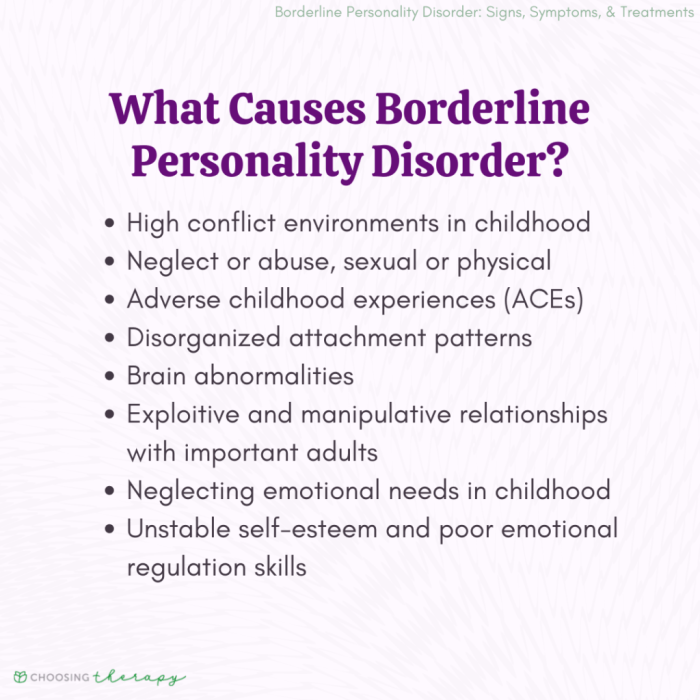
Borderline Personality Disorder (BPD) is a complex mental health condition characterized by instability in relationships, self-image, and emotions. It significantly impacts daily life, often leading to intense fear of abandonment and difficulties managing emotions. Understanding the diagnosis involves delving into its diagnostic criteria, differential diagnosis, assessment methods, and potential challenges.This exploration will provide a comprehensive overview of BPD, covering the DSM-5 criteria, crucial distinctions from other conditions, and the various tools clinicians use to make an accurate diagnosis.
It will also touch on the nuances of evaluating the severity of the disorder, enabling a deeper understanding of this complex condition.
Diagnostic Criteria for BPD (DSM-5)
The Diagnostic and Statistical Manual of Mental Disorders, 5th Edition (DSM-5) Artikels specific criteria for diagnosing BPD. A diagnosis requires a pervasive pattern of instability in interpersonal relationships, self-image, and affect, along with marked impulsivity, beginning by early adulthood and present in a variety of contexts. The DSM-5 lists nine specific criteria, including frantic efforts to avoid real or imagined abandonment, a pattern of unstable and intense interpersonal relationships characterized by alternating extremes of idealization and devaluation, identity disturbance, impulsivity in at least two areas that are potentially self-damaging (e.g., spending, sex, substance abuse, reckless driving, binge eating), recurrent suicidal behavior, gestures, or threats, or self-mutilating behavior, affective instability due to marked reactivity of mood, chronic feelings of emptiness, inappropriate intense anger or difficulty controlling anger, and transient, stress-related paranoid ideation or severe dissociative symptoms.
Differential Diagnosis
Accurate diagnosis requires distinguishing BPD from other conditions with overlapping symptoms. Conditions like bipolar disorder, post-traumatic stress disorder (PTSD), and other personality disorders can present with similar symptoms, emphasizing the importance of a comprehensive evaluation to avoid misdiagnosis. A thorough history and assessment are crucial for accurately identifying the underlying cause of the individual’s difficulties.
Assessment Methods
Several methods are used to assess BPD, including structured clinical interviews, self-report questionnaires, and observations of behavior. Structured interviews, like the Structured Clinical Interview for DSM-5 (SCID), are crucial for gathering detailed information about the individual’s experiences and symptoms. These interviews are designed to elicit specific information related to the criteria for BPD, promoting consistency in the diagnostic process.
Self-report questionnaires, such as the Borderline Personality Disorder Scale (BPD-RS), can provide additional insights into the individual’s experiences. Direct observation of behavior in various settings can also provide valuable information, helping clinicians understand how the individual interacts with others and manages emotions in different situations.
Navigating the complexities of borderline personality disorder diagnosis can be tough, especially when considering the various factors involved. While not directly related, it’s interesting to note how the potential side effects of certain medications, like those for asthma, can sometimes mimic some symptoms. For instance, some asthma medication side effects can include mood swings and anxiety, which can be similar to some aspects of borderline personality disorder.
This isn’t to say that asthma medication causes BPD, but it highlights the need for careful consideration during diagnosis. Understanding these potential overlaps is crucial for accurate diagnosis. asthma medication side effects are something to be aware of. Ultimately, a thorough evaluation by a mental health professional is essential for a proper borderline personality disorder diagnosis.
Role of Clinical Interviews
Clinical interviews play a pivotal role in BPD diagnosis. These interviews provide an opportunity for clinicians to gather detailed information about the individual’s history, current functioning, and symptoms. Clinicians can assess the individual’s emotional regulation, interpersonal patterns, and self-image through open-ended questions and careful observation of their responses. The interview process allows for a dynamic exchange of information, fostering a collaborative understanding of the individual’s experiences.
Navigating the complexities of a borderline personality disorder diagnosis often involves understanding the various contributing factors. One key element that sometimes emerges is hemodynamic instability, which can manifest in a range of ways. Understanding what hemodynamic instability is what is hemodynamic unstability can be crucial in comprehending the full picture of the condition and how it might be affecting a person’s overall well-being.
Ultimately, a thorough evaluation by a qualified mental health professional is essential for an accurate borderline personality disorder diagnosis.
Challenges in Diagnosing BPD Accurately
Diagnosing BPD can be challenging due to the subjective nature of some symptoms and the potential for comorbidity with other mental health conditions. Subjectivity in reporting symptoms, as well as the potential for symptom overlap with other conditions, requires a comprehensive evaluation and a thorough understanding of the individual’s history. Furthermore, the individual’s emotional state and interpersonal dynamics can influence the accuracy of the assessment.
Comparison with Other Personality Disorders
BPD differs from other personality disorders in specific ways. For instance, individuals with Narcissistic Personality Disorder may exhibit grandiosity and a need for admiration, whereas those with BPD demonstrate instability in relationships and self-image. Similarly, individuals with Avoidant Personality Disorder may exhibit social inhibition and feelings of inadequacy, contrasting with the impulsivity and intense emotional reactivity characteristic of BPD.
Distinguishing these differences is vital for tailoring appropriate treatment strategies.
Key Symptoms of BPD (Severity Levels)
| Symptom | Mild Presentation | Moderate Presentation | Severe Presentation |
|---|---|---|---|
| Emotional Dysregulation | Occasional mood swings, mild irritability | Frequent mood swings, significant emotional reactivity | Extreme mood swings, frequent outbursts, inability to control emotions |
| Interpersonal Relationships | Occasional conflicts, difficulty maintaining stable relationships | Frequent conflicts, unstable relationships, alternating between idealization and devaluation | Severe relationship instability, marked difficulty maintaining relationships, intense fear of abandonment |
| Identity Disturbance | Vague feelings of uncertainty about self | Significant fluctuations in self-image, unstable sense of self | Severe identity disturbance, marked confusion about values and goals |
| Impulsivity | Occasional risky behaviors | Frequent risky behaviors, self-damaging actions | High-frequency risky behaviors, significant self-harm, potentially life-threatening behaviors |
Factors Influencing Diagnosis: Borderline Personality Disorder Diagnosis
Understanding Borderline Personality Disorder (BPD) diagnosis goes beyond simply checking off criteria. Various factors significantly impact how clinicians arrive at a diagnosis, influencing the accuracy and reliability of the assessment. These factors demand careful consideration to ensure a comprehensive and unbiased evaluation.Cultural factors play a significant role in the manifestation and interpretation of BPD symptoms. Different cultures may have varying norms regarding emotional expression and interpersonal relationships, which can affect how individuals present their experiences.
For example, a culture that emphasizes stoicism might mask emotional dysregulation, making it harder to recognize BPD symptoms. Conversely, a culture that encourages open emotional expression might lead to misinterpreting normal emotional fluctuations as signs of BPD. Clinicians need to be mindful of these cultural nuances to avoid misdiagnosis.
Impact of Comorbid Conditions
Comorbid conditions, meaning the presence of other mental health disorders alongside BPD, significantly complicate the diagnostic process. Conditions like depression, anxiety disorders, and substance use disorders can overlap with BPD symptoms, making it challenging to isolate and attribute symptoms to a specific disorder. For instance, a patient experiencing severe anxiety might exhibit impulsivity, a symptom also associated with BPD.
Careful assessment and differential diagnosis are crucial to accurately identify the presence and severity of each condition. The clinician must consider the interplay of symptoms across various disorders to arrive at an accurate diagnosis.
Potential Biases in Diagnosis
Diagnostic biases, stemming from various sources, can affect the accuracy of BPD diagnoses. These biases might be conscious or unconscious, arising from factors such as the clinician’s own personal experiences, cultural background, or the patient’s gender, race, or socioeconomic status. For example, individuals from marginalized groups may face increased scrutiny or be misdiagnosed due to stereotypes. A lack of awareness about these biases can lead to misdiagnosis or inadequate treatment.
Clinicians should actively work to recognize and mitigate potential biases in their assessment process.
Influence of Socioeconomic Factors
Socioeconomic factors significantly influence the presentation and experience of BPD symptoms. Individuals from lower socioeconomic backgrounds may face greater stressors and limited access to resources, which can exacerbate emotional dysregulation and increase the risk of developing mental health conditions like BPD. Poverty, lack of social support, and unstable living situations can lead to more intense emotional reactions and impulsive behaviors, potentially mimicking symptoms of BPD.
Clinicians need to consider these factors during the assessment and develop individualized treatment plans that address these underlying issues.
Diagnostic Approaches Across Healthcare Settings
The diagnostic approach to BPD varies across different healthcare settings. In primary care settings, clinicians might utilize brief screening tools to identify potential BPD symptoms. In specialized mental health clinics, more in-depth assessments, including structured interviews and psychological testing, are commonly employed. The specific diagnostic tools and the depth of assessment depend on the setting, the availability of resources, and the patient’s needs.
These variations underscore the importance of consistency and standardization in diagnostic practices across settings.
Prevalence of BPD in Demographic Groups
| Demographic Group | Estimated Prevalence |
|---|---|
| Women | Approximately 2-3% |
| Men | Approximately 0.5-1% |
| Specific Ethnic Groups | Data may vary due to methodological limitations and potential biases |
| Socioeconomic Status | Potential correlation but further research needed |
This table provides a general overview of BPD prevalence, but it’s crucial to understand that these figures are estimates, and prevalence rates may vary depending on the specific study, population, and diagnostic criteria. More research is necessary to fully understand the demographic variations in BPD prevalence.
Diagnostic Process for BPD
A flowchart outlining the BPD diagnostic process would start with a comprehensive clinical interview, gathering detailed information about the patient’s symptoms, medical history, and family history. Next, the clinician would evaluate the patient’s symptoms against the diagnostic criteria Artikeld in the DSM-5 or ICD-11. Further assessment might include psychological testing, such as personality assessments or self-report questionnaires, to gather a more comprehensive understanding of the patient’s personality traits and functioning.
Finally, the clinician would rule out other potential conditions that might be causing similar symptoms before arriving at a formal diagnosis.
The Diagnostic Process
Navigating the complexities of Borderline Personality Disorder (BPD) diagnosis requires a nuanced approach, going beyond a simple checklist. A comprehensive assessment considers various factors, ensuring an accurate and empathetic understanding of the individual’s experience. This process is crucial for developing effective treatment plans tailored to the specific needs of each person.
Comprehensive BPD Assessment Steps
A thorough BPD assessment is not a one-size-fits-all process. It involves a systematic exploration of the individual’s history, behaviors, and emotional state. This meticulous approach ensures that the diagnosis aligns with the person’s unique experience and avoids misinterpretations.
- Gathering Patient History: A detailed history is paramount in assessing BPD. This includes information about childhood experiences, significant relationships, past traumas, and any pre-existing mental health conditions. Early experiences, particularly those marked by instability or neglect, often play a significant role in the development of BPD symptoms. Examining these early life factors can offer critical insights into the individual’s current functioning.
- Conducting Psychological Interviews: Structured interviews, such as the Structured Clinical Interview for DSM-5 (SCID), are crucial for assessing symptoms and identifying patterns consistent with BPD. These interviews provide a standardized framework for gathering information about the individual’s thoughts, feelings, and behaviors, enabling a deeper understanding of their experiences.
- Utilizing Psychological Tests: Psychological tests can aid in the assessment process. Tests evaluating personality traits, such as the Minnesota Multiphasic Personality Inventory-2 (MMPI-2), can provide insights into specific personality characteristics that might contribute to BPD symptoms. These assessments can provide additional data to help in making a diagnosis.
- Employing Self-Report Measures: Self-report questionnaires, like the Borderline Personality Disorder Scale (BPD-RS), can help in identifying the severity of BPD symptoms. Individuals complete these questionnaires independently, allowing for a more comprehensive understanding of their perspectives on their experiences. However, it’s important to acknowledge that self-reported data can be influenced by biases, and thus should be considered in conjunction with other data.
- Multifaceted Data Collection: A crucial element in BPD diagnosis is the integration of multiple data sources. Clinicians should gather information from various sources, including the individual’s reports, observations from family members or friends, and professional records. This multi-faceted approach provides a more comprehensive picture of the individual’s functioning.
Structuring Diagnostic Results
Presenting the findings from various diagnostic tools in a structured manner enhances clarity and facilitates communication. A table format is particularly useful for organizing the results from different assessment methods.
| Diagnostic Tool | Results | Interpretation |
|---|---|---|
| Patient History | Reports childhood trauma, unstable relationships. | Suggests potential environmental factors contributing to BPD symptoms. |
| Psychological Interview | Demonstrates patterns of impulsivity, unstable self-image, and intense interpersonal relationships. | Supports a potential diagnosis of BPD. |
| MMPI-2 | Elevated scores on scales related to emotional instability and interpersonal difficulties. | Consistent with the observed clinical picture. |
| BPD-RS | High scores on several BPD symptom clusters. | Further supports the possibility of a BPD diagnosis. |
| Family/Friend Reports | Observations of emotional dysregulation and relationship instability. | Provides external validation of the patient’s self-reported experiences. |
Treatment Implications
Understanding borderline personality disorder (BPD) requires recognizing that treatment isn’t a one-size-fits-all approach. The unique challenges and vulnerabilities associated with BPD necessitate personalized treatment strategies. Effective treatment plans address the multifaceted nature of the disorder, encompassing emotional regulation, interpersonal relationships, and self-image. The goal is not just symptom reduction but also facilitating lasting personal growth and well-being.Effective treatment for BPD typically involves a combination of therapies and, in some cases, medication.
The success of treatment often hinges on the patient’s active participation and commitment to the process, along with the therapist’s expertise and empathetic approach. Building a strong therapeutic alliance is crucial for a positive outcome.
Types of Effective Therapies for BPD
Different therapeutic approaches have shown varying degrees of success in treating BPD. These methods often focus on building coping mechanisms, improving interpersonal skills, and fostering emotional regulation. Commonly used and effective therapies include dialectical behavior therapy (DBT), mentalization-based therapy (MBT), and schema-focused therapy (SFT). These therapies emphasize different aspects of BPD but generally aim for similar goals.
- Dialectical Behavior Therapy (DBT): DBT is a widely recognized and researched therapy for BPD. It equips individuals with practical skills to manage intense emotions, regulate behaviors, and improve interpersonal relationships. DBT emphasizes acceptance of difficult emotions and developing healthier coping strategies.
- Mentalization-Based Therapy (MBT): MBT focuses on helping individuals understand and interpret their own and others’ mental states. By improving the ability to understand motivations and perspectives, MBT fosters empathy and reduces reactivity in interpersonal situations.
- Schema-Focused Therapy (SFT): SFT delves into deeply ingrained patterns of thinking and behavior that contribute to BPD symptoms. It helps individuals recognize maladaptive schemas and develop healthier ways of relating to themselves and others.
Potential Role of Medication in BPD Treatment
Medication is not a primary treatment for BPD, but it can be helpful in managing specific symptoms, such as mood swings, anxiety, or depression. Antidepressants, mood stabilizers, and anti-anxiety medications may be used to address co-occurring conditions that frequently accompany BPD. The decision to use medication should be made in consultation with a mental health professional. The choice of medication and dosage is highly individualized.
Comparison of Therapeutic Approaches
Each therapeutic approach for BPD has unique strengths and weaknesses. DBT excels at practical skill building and emotional regulation, while MBT focuses on understanding the mental states of oneself and others. SFT emphasizes long-term change by addressing deeply ingrained patterns of thinking and behavior. Choosing the most appropriate approach involves careful consideration of the individual’s needs and preferences.
Barriers to Accessing Effective BPD Treatment, Borderline personality disorder diagnosis
Several factors can impede access to effective BPD treatment. Financial constraints, limited availability of trained therapists, and lack of insurance coverage can create significant barriers. The stigma associated with mental illness can also discourage individuals from seeking help.
Getting a borderline personality disorder diagnosis can be a real rollercoaster, right? It’s a complex process, involving a lot of talking and self-reflection. While it’s not as straightforward as wondering if eyebrows grow back, the diagnostic process does involve a careful evaluation of patterns of behavior and emotional responses. Fortunately, there are resources available to help understand the nuances of the condition.
Knowing if eyebrows grow back isn’t relevant to the diagnosis itself, but focusing on the emotional and behavioral aspects is crucial to a proper assessment. Further research can help you understand the condition better. do eyebrows grow back is an interesting question, but it’s not directly related to getting a borderline personality disorder diagnosis.
Effectiveness of Treatments for BPD
| Treatment | Strengths | Weaknesses |
|---|---|---|
| Dialectical Behavior Therapy (DBT) | Proven effectiveness in managing emotional regulation, interpersonal skills, and reducing self-harm behaviors. Provides practical coping strategies. | Can be time-consuming and requires significant commitment from the patient. May not address underlying schema or complex relational patterns. |
| Mentalization-Based Therapy (MBT) | Effective in improving understanding of self and others’ mental states, leading to reduced reactivity and improved interpersonal relationships. | Requires a highly skilled therapist and may not be suitable for all individuals. Can be challenging for those with severe difficulties in understanding mental states. |
| Schema-Focused Therapy (SFT) | Addresses deeply ingrained patterns of thinking and behavior, offering long-term change. | Requires significant time commitment and can be complex to implement. May not be as effective in the short-term for acute symptoms. |
Presenting Treatment Options Clearly
Presenting treatment options in a clear and concise manner can help individuals make informed decisions. Consider the following when discussing treatment options:
- Description of each treatment: Briefly explain the core principles and techniques of each therapy.
- Potential benefits and drawbacks: Discuss the potential benefits and limitations of each approach, considering the individual’s specific needs and preferences.
- Therapist expertise: Highlight the experience and training of therapists specializing in BPD treatment.
- Realistic expectations: Set realistic expectations about the treatment process and potential outcomes.
Illustrative Cases
Understanding Borderline Personality Disorder (BPD) requires looking at real-life examples, as the complexities of the condition are best illustrated through individual experiences. These cases showcase the diverse presentations of BPD, the challenges in diagnosis, and the crucial role of treatment and support. By examining these narratives, we gain valuable insight into the human experience of living with BPD.
Successful BPD Diagnosis and Treatment
Patient A, a 27-year-old woman, presented with a history of intense and unstable relationships, self-harm, and rapid mood swings. Early diagnoses were inconsistent, with other conditions considered before BPD. Through a thorough diagnostic process, including a combination of clinical interviews, psychological testing, and consideration of her history, a definitive BPD diagnosis was made. A comprehensive treatment plan involving Dialectical Behavior Therapy (DBT) and medication management was implemented.
Over the course of several years, Patient A showed significant improvements in managing her emotions, developing healthier coping mechanisms, and maintaining more stable relationships. This case exemplifies the potential for successful treatment outcomes with appropriate interventions.
Challenges in Diagnosing BPD
Diagnosing BPD can be challenging due to its overlapping symptoms with other conditions. Patient B, a 35-year-old man, presented with impulsivity, intense anger, and unstable relationships. Initially, he was diagnosed with generalized anxiety disorder, with symptoms of depression. However, further assessment revealed patterns consistent with BPD. The overlapping nature of symptoms made a definitive BPD diagnosis more difficult.
This highlights the importance of a thorough diagnostic process and the potential for misdiagnosis in cases where BPD symptoms are obscured by comorbid conditions.
Impact of Comorbid Conditions on BPD Diagnosis
Comorbid conditions significantly impact the presentation and diagnosis of BPD. Patient C, a 24-year-old woman, experienced severe anxiety and depression alongside the characteristic symptoms of BPD. The intense anxiety and depression significantly influenced her emotional regulation and interpersonal interactions, making it harder to isolate the specific symptoms related to BPD. Accurate diagnosis required a nuanced understanding of how the comorbid conditions interacted with her BPD symptoms.
This case illustrates the need for careful consideration of comorbid conditions when evaluating patients suspected of having BPD.
Cultural Sensitivity in BPD Diagnosis
Cultural factors can influence the presentation and expression of BPD symptoms. Patient D, a 28-year-old immigrant from a collectivist culture, presented with difficulties in expressing emotions directly and a tendency towards emotional withdrawal. These behaviors, while potentially considered as symptoms of BPD, could also reflect cultural norms. Diagnosing BPD requires cultural sensitivity to avoid misinterpreting cultural expressions as psychopathology.
This case underscores the importance of culturally competent assessment tools and techniques in the diagnostic process.
Case Study Table
| Patient Identifier | Key Symptoms | Diagnosis | Treatment Outcomes |
|---|---|---|---|
| Patient A | Intense/unstable relationships, self-harm, rapid mood swings | Borderline Personality Disorder | Significant improvement in emotional regulation, coping mechanisms, and relationship stability. |
| Patient B | Impulsivity, intense anger, unstable relationships | Borderline Personality Disorder (after initial misdiagnosis) | Ongoing treatment focused on BPD-specific therapy. |
| Patient C | BPD symptoms, severe anxiety, and depression | Borderline Personality Disorder with comorbid anxiety and depression | Treatment focused on managing both BPD and comorbid conditions. |
| Patient D | Emotional withdrawal, indirect emotional expression | Borderline Personality Disorder | Treatment adapted to cultural considerations and emphasized culturally appropriate coping mechanisms. |
Ethical Considerations in Case Studies
Ethical considerations are paramount when presenting case studies. Anonymity and confidentiality are crucial to protect patient privacy. These considerations are vital to maintain trust and respect for individuals involved. It is important to ensure that the presentation of the case does not cause harm or stigmatization. Researchers must be sensitive to the potential for unintended consequences and act in accordance with professional ethical guidelines.
Anonymizing Patient Data
Anonymizing patient data in case studies involves removing any identifying information that could reveal the patient’s identity. This includes replacing names, locations, dates, and other details with pseudonyms or general descriptions. Patient identifiers should be changed to ensure confidentiality and avoid any risk of disclosure. This procedure ensures the protection of the patient’s privacy while maintaining the integrity of the case study’s educational value.
Last Point
In conclusion, diagnosing borderline personality disorder (BPD) is a multifaceted endeavor demanding a nuanced understanding of the individual and their circumstances. This in-depth exploration has illuminated the crucial steps in the diagnostic process, from defining BPD and examining diagnostic criteria to considering cultural, socioeconomic, and comorbid factors. Accurate diagnosis is vital for developing effective treatment plans. The journey into understanding BPD diagnosis highlights the importance of empathy, cultural sensitivity, and a holistic approach to care.
This includes acknowledging the potential for biases and ensuring a comprehensive evaluation to achieve the best possible outcomes. Ultimately, the goal is to provide the best possible support and treatment for those struggling with this complex condition.