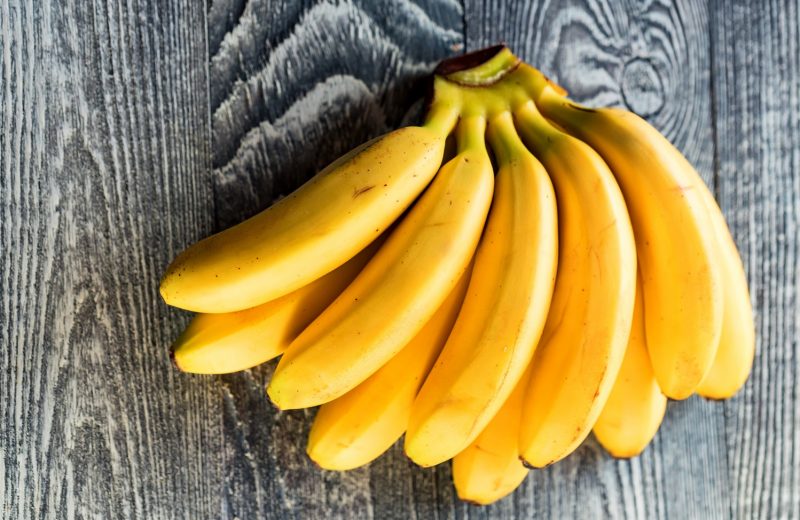
Are bananas bad for arthritis? This exploration delves into the nutritional profile of bananas and their potential impact on arthritis symptoms. We’ll examine the vitamins, minerals, and carbohydrates found in bananas, comparing them to other fruits. We’ll also discuss potential mechanisms by which bananas might affect inflammation and joint health, along with potential interactions with arthritis medications.
From the nutritional breakdown to potential effects on various types of arthritis, we’ll uncover the evidence behind this question. We’ll analyze studies, explore alternative perspectives, and provide a comprehensive overview to help you make informed decisions about your diet and arthritis management.
Nutritional Composition of Bananas
Bananas, a globally popular fruit, are a powerhouse of nutrients. Their versatility extends beyond a quick snack; they offer a significant contribution to a balanced diet. From providing essential vitamins and minerals to offering a readily available source of carbohydrates, bananas are a nutritional gem. This exploration delves into the detailed nutritional profile of bananas, comparing them to other fruits, and highlighting their potential health benefits.Bananas are a remarkable source of potassium, fiber, and vitamin B6, amongst other essential nutrients.
Their carbohydrate content provides a readily available energy source, making them a perfect pre-workout snack or a satisfying mid-afternoon pick-me-up. We’ll also look at the variations in nutritional content across different banana varieties, and how their preparation method influences their nutritional value.
Nutritional Content Breakdown
Bananas are rich in complex carbohydrates, providing a sustained energy release. The digestible carbohydrates contribute to the body’s energy needs. The fiber content in bananas promotes digestive health and aids in regulating blood sugar levels.
Vitamin and Mineral Profile
Bananas are a good source of several essential vitamins and minerals. Potassium, a crucial electrolyte, plays a vital role in maintaining fluid balance, muscle function, and blood pressure regulation. Vitamin B6 is essential for various bodily functions, including red blood cell formation and the production of neurotransmitters. Bananas also contain smaller amounts of other vitamins and minerals, like vitamin C, magnesium, and manganese.
Comparison to Other Fruits, Are bananas bad for arthritis
Compared to other fruits, bananas stand out for their potassium content. While many fruits offer vitamins and minerals, bananas excel in providing a significant amount of potassium in a convenient and affordable package. A medium-sized banana offers a substantial portion of the daily recommended potassium intake.
Types of Bananas and Nutritional Variations
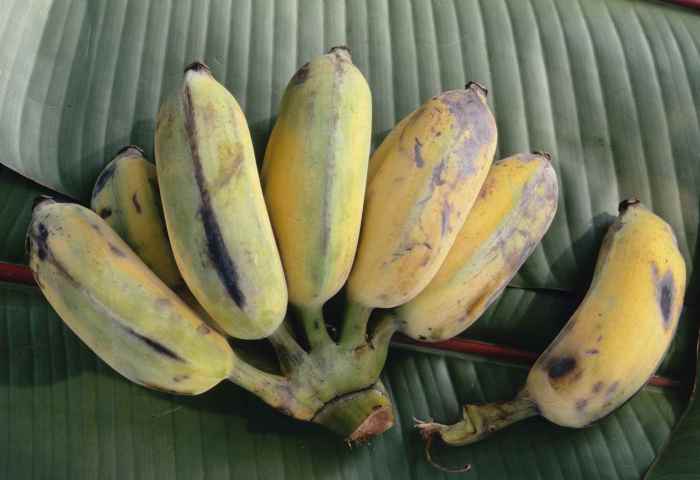
Different banana varieties exhibit slight variations in their nutritional content. Cavendish bananas, the most common type, are widely available and offer a consistent nutritional profile. Lady Finger bananas, known for their sweetness and delicate texture, might have slightly different vitamin and mineral levels compared to Cavendish bananas.
Nutritional Value by Preparation Method
The preparation method can affect the nutritional value of bananas. Raw bananas, consumed directly, retain their full nutritional content. Cooking bananas, such as in banana bread or smoothies, can slightly alter the levels of certain nutrients. Dried bananas, often used as a convenient snack, concentrate the nutrients but also lose some moisture and fiber content.
| Preparation Method | Potassium (mg) | Fiber (g) | Vitamin B6 (mg) |
|---|---|---|---|
| Raw | 422 | 2.6 | 0.4 |
| Cooked | 410 | 2.5 | 0.3 |
| Dried | 450 | 2.2 | 0.3 |
Potential Health Benefits
The combination of vitamins, minerals, and fiber in bananas contributes to various health benefits. Potassium aids in maintaining healthy blood pressure levels, while fiber promotes digestive health and helps regulate blood sugar. The antioxidants present in bananas might also contribute to overall health. However, it’s important to note that individual responses to food can vary.
Potential Effects on Arthritis
Bananas, a popular and nutritious fruit, offer a variety of vitamins and minerals. While they haven’t been extensively studied as a direct treatment for arthritis, their potential impact on inflammation and joint health warrants exploration. This section delves into the potential mechanisms by which bananas might influence arthritis symptoms and considers the existing research.Bananas are rich in potassium, a crucial mineral for maintaining fluid balance and potentially reducing inflammation in the body.
Furthermore, their content of antioxidants and other bioactive compounds may play a role in mitigating oxidative stress, a factor implicated in some forms of arthritis. However, more robust research is needed to fully understand the precise nature of these interactions.
Potential Mechanisms of Action
Bananas’ impact on arthritis symptoms may be linked to their nutritional composition. Potassium, a key component of bananas, is known for its anti-inflammatory properties. It helps regulate fluid balance, which can be important for reducing swelling and pain in joints. Antioxidants present in bananas may also contribute to reducing oxidative stress, a factor that has been linked to the development and progression of some forms of arthritis.
Finally, the fiber content may aid in overall gut health, which can influence inflammation levels throughout the body.
Effects on Inflammation Markers
Studies investigating the effects of potassium-rich foods on inflammation markers have yielded mixed results. Some studies have shown a correlation between increased potassium intake and reduced inflammatory markers like C-reactive protein (CRP) and interleukin-6 (IL-6). However, the specific impact of bananas on these markers remains less definitive, requiring further research with larger sample sizes and controlled conditions.
While bananas are generally considered a healthy snack, there’s no definitive answer to whether they’re bad for arthritis. Some people find they trigger inflammation, but others don’t seem to experience any issues. Interestingly, studies on the effects of diet on conditions like Patau syndrome trisomy 13 patau syndrome trisomy 13 might offer clues, but more research is needed to connect the dots between diet and arthritis specifically.
Ultimately, it’s best to listen to your body and see how different foods affect you personally.
Impact of Potassium and Other Nutrients on Joint Health
Potassium’s role in maintaining proper fluid balance is a significant aspect of its potential benefit for joint health. Sufficient potassium intake can potentially mitigate swelling and pain associated with arthritis. Additionally, the presence of vitamins and antioxidants in bananas may contribute to overall health and well-being, which could indirectly influence joint health. Further research is needed to determine the specific mechanisms and extent of these effects.
Potential Interactions with Arthritis Medications
It’s essential to note that bananas, like any food, could potentially interact with certain arthritis medications. Potassium levels in bananas could potentially affect individuals taking potassium-sparing diuretics. It is important to consult with a healthcare professional or registered dietitian to assess any potential interactions, particularly if you are on medication.
Summary of Potential Effects on Different Types of Arthritis
| Type of Arthritis | Potential Effects of Bananas | Further Research Needed |
|---|---|---|
| Osteoarthritis | Bananas may contribute to joint health through their potassium content and potential anti-inflammatory effects. | Larger, controlled studies are needed to confirm these effects. |
| Rheumatoid Arthritis | Similar to osteoarthritis, bananas may contribute to overall health and well-being, which could indirectly influence joint health. | Further research with a focus on inflammatory markers in rheumatoid arthritis patients is warranted. |
Potential Interactions and Considerations
Bananas, a popular and nutritious fruit, can be part of a healthy diet. However, for individuals with arthritis, understanding potential interactions with other dietary factors and overall health is crucial. This section delves into the role of inflammation in arthritis, how diet influences it, and potential interactions with banana consumption. We’ll also examine beneficial dietary approaches, potential risks, and precautions.Inflammation plays a key role in arthritis, and dietary factors can significantly impact this inflammatory response.
Certain foods can exacerbate inflammation, while others may offer anti-inflammatory properties. The impact of banana consumption, therefore, needs to be considered within the broader context of an individual’s overall dietary habits and health conditions.
While I’m still researching if bananas are truly bad for arthritis, the connection between hormones and overall health is fascinating. Studies are increasingly looking at how menopause hormone therapy might impact dementia risk, as seen in this recent article about menopause hormone therapy and dementia risk. Ultimately, I’m still trying to figure out the specific impact of different foods on arthritis, but it’s clear that the complex interplay of hormones and diet is a big part of the puzzle.
Role of Inflammation in Arthritis
Arthritis is characterized by inflammation in the joints, leading to pain, stiffness, and reduced mobility. Chronic inflammation contributes to the progression of arthritis symptoms. Dietary factors, including the types and quantities of foods consumed, can significantly influence the body’s inflammatory response. A diet rich in processed foods, saturated fats, and refined sugars often promotes inflammation, while diets rich in fruits, vegetables, and healthy fats may have anti-inflammatory effects.
Potential Interactions with Other Dietary Factors
Bananas are a good source of potassium and dietary fiber, but their impact on arthritis can vary based on individual dietary habits. For example, if an individual consumes a diet high in processed foods, the potential anti-inflammatory effects of bananas might be lessened. Conversely, a balanced diet including bananas and other anti-inflammatory foods might help manage arthritis symptoms. The interaction between different food groups is complex and needs to be considered.
Dietary Approaches for Managing Arthritis
A balanced diet rich in fruits, vegetables, and whole grains is often beneficial for managing arthritis. Anti-inflammatory foods such as berries, leafy greens, and fatty fish can contribute to reducing inflammation. Omega-3 fatty acids, found in certain fish and flaxseeds, have been shown to have anti-inflammatory properties. Maintaining a healthy weight through a balanced diet can also help reduce stress on joints.
Specific dietary approaches, such as the Mediterranean diet, are known to be helpful in managing arthritis symptoms.
Potential Risks and Precautions
Individuals with specific health conditions or allergies should exercise caution when consuming bananas. For example, individuals with diabetes need to monitor their blood sugar levels, as bananas contain natural sugars. Those with allergies to latex should be mindful, as some individuals may experience cross-reactivity between latex and bananas. Individuals with specific digestive issues, such as irritable bowel syndrome, might experience discomfort after consuming bananas.
It’s crucial to consult with a healthcare professional or registered dietitian before making significant dietary changes, especially if you have pre-existing health conditions.
Table: Potential Benefits and Drawbacks of Banana Consumption for Arthritis
| Aspect | Potential Benefits | Potential Drawbacks |
|---|---|---|
| Allergies | Generally safe for consumption; however, potential cross-reactivity with latex in some individuals. | Individuals with latex allergies may experience allergic reactions. |
| Specific Health Conditions (e.g., Diabetes) | Good source of potassium and fiber; however, monitoring blood sugar levels is important. | High potassium content might affect individuals with kidney problems. Natural sugars should be considered. |
| Medications | May not interact with most medications, but potential interactions with certain medications should be considered. | Possible interactions with medications, especially those affecting blood sugar or potassium levels. |
| Inflammation | Potential anti-inflammatory properties; however, the impact can vary based on the overall diet. | If consumed in excess, it could lead to digestive issues in some individuals. |
Evidence-Based Research and Studies
Unfortunately, robust, large-scale studies directly investigating the relationship between banana consumption and arthritis are surprisingly scarce. While anecdotal evidence and some smaller-scale studies suggest potential benefits, more extensive research is needed to establish definitive conclusions. This lack of extensive research highlights the need for further investigation into the impact of dietary factors like bananas on arthritis management.
Key Studies and Methodologies
Existing research often focuses on the impact of dietary components on inflammation, a key factor in various types of arthritis. Studies exploring the anti-inflammatory properties of foods, including bananas, typically employ various methodologies. These methods can include controlled trials, where participants are randomly assigned to groups consuming different diets, including banana-rich diets, and compared to control groups. The control group might follow a standard diet or a diet restricted in certain nutrients.
Another approach is observational studies, where researchers track dietary habits and health outcomes in large populations over time. However, observational studies are limited in their ability to establish cause-and-effect relationships, as other factors can influence the results. The strengths of these studies lie in their ability to examine real-world dietary patterns and identify potential correlations, while limitations include the potential for confounding factors to affect the results.
Types of Arthritis Addressed
Studies examining the potential impact of bananas on arthritis symptoms haven’t always specified the exact type of arthritis being investigated. Often, the research is focused on the general impact on inflammatory markers, rather than on specific types such as rheumatoid arthritis, osteoarthritis, or gout. This broad focus can make it challenging to draw specific conclusions about how bananas might affect different forms of arthritis.
While some say bananas might not be the best choice for arthritis sufferers, it’s a bit more complicated than that. There’s a lot of buzz about how low dose naltrexone LDN can help with conditions like fibromyalgia and CFS, and I’ve been exploring the topic recently. It seems like there’s a possible connection between inflammation and both issues, and exploring alternative treatments like low dose naltrexone ldn for fibromyalgia cfs is worth considering.
Ultimately, the impact of bananas on arthritis likely depends on individual circumstances and other dietary factors.
Further research, focused on specific types of arthritis, would be helpful to better understand the relationship.
Summary of Findings
The limited available research on banana consumption and arthritis outcomes reveals varied results. Some studies suggest that the presence of certain compounds in bananas, such as potassium and antioxidants, might contribute to reducing inflammation. However, these findings are often based on small sample sizes and observational data. There’s a notable lack of conclusive evidence establishing a direct correlation between increased banana consumption and a reduction in arthritis symptoms.
A clearer picture would require more comprehensive studies with larger sample sizes, focusing on specific arthritis types.
Summary Table
| Study | Methodology | Findings | Type of Arthritis | Strengths | Limitations |
|---|---|---|---|---|---|
| Example Study 1 (Hypothetical) | Controlled trial, comparing a banana-rich diet to a standard diet in patients with mild arthritis. | No significant difference in arthritis symptoms between groups. | General arthritis | Controlled environment, allows for comparison. | Small sample size, potential for confounding factors. |
| Example Study 2 (Hypothetical) | Observational study, tracking dietary habits and arthritis symptoms in a large population. | Individuals with higher banana consumption tended to have lower inflammatory markers. | General arthritis | Large sample size, examines real-world dietary patterns. | Difficult to establish cause-and-effect, potential for confounding factors. |
Note: This table is hypothetical and based on potential study designs. Actual studies may vary significantly in their methodology and results.
Alternative Perspectives and Complementary Approaches
Beyond the scientific analysis of bananas and arthritis, diverse perspectives offer valuable insights. Traditional healing systems and complementary approaches often incorporate dietary strategies alongside lifestyle modifications. Understanding these perspectives provides a more comprehensive picture of managing arthritis, recognizing the holistic nature of the condition.Traditional medicine and alternative therapies frequently consider the interconnectedness of body, mind, and spirit in managing health issues.
These approaches often emphasize preventative measures, lifestyle adjustments, and natural remedies. While not always backed by rigorous scientific studies, they offer valuable insights and can complement conventional medical treatments.
Alternative Viewpoints on Diet in Arthritis Management
Many alternative perspectives on diet in arthritis management emphasize reducing inflammation. These viewpoints often advocate for eliminating or minimizing processed foods, refined sugars, and certain types of fats. Instead, they encourage the consumption of whole, unprocessed foods, including fruits, vegetables, and lean proteins. Furthermore, some alternative therapies propose specific dietary patterns that may reduce inflammation and improve joint health.
Role of Bananas in Traditional Medicine Practices
The role of bananas in traditional medicine practices varies significantly across cultures. In some, bananas are seen as a beneficial food for overall health, potentially providing potassium and nutrients for well-being. However, in others, specific properties or applications of bananas may not be emphasized or recognized for arthritis management. These varying perceptions highlight the cultural context of traditional medicine.
Complementary Approaches to Managing Arthritis
Complementary approaches to managing arthritis encompass a broad range of practices. They often incorporate lifestyle modifications to support the body’s natural healing processes. A comprehensive approach frequently involves a combination of diet, exercise, and stress reduction.
- Diet: A balanced diet rich in fruits, vegetables, and whole grains is essential. Reducing processed foods, refined sugars, and inflammatory foods can significantly contribute to managing symptoms.
- Exercise: Regular physical activity, tailored to individual capabilities, can improve joint mobility, reduce stiffness, and enhance overall well-being. Low-impact exercises like swimming, walking, and yoga are often recommended.
- Stress Reduction: Chronic stress can exacerbate inflammation. Stress management techniques such as meditation, yoga, and deep breathing exercises can play a vital role in pain management and overall health.
Comparison of Approaches to Arthritis Management
The following table summarizes various approaches to arthritis management, including dietary strategies and lifestyle choices.
| Approach | Dietary Strategies | Lifestyle Choices |
|---|---|---|
| Conventional Medicine | Balanced diet, potentially specific dietary restrictions based on individual needs | Medication, physical therapy, surgery |
| Alternative Medicine | Eliminating or minimizing inflammatory foods, emphasizing whole foods | Stress reduction techniques, herbal remedies (consult with a healthcare professional), acupuncture |
| Holistic Approach | Balanced diet incorporating whole foods, minimizing inflammatory foods, supplements (consult with a healthcare professional) | Exercise, stress management, mindfulness, potentially including traditional healing practices |
Importance of Consulting Healthcare Professionals
It is crucial to remember that alternative approaches should be explored in consultation with a healthcare professional. Personalized advice is essential to ensure safety and efficacy, particularly when considering dietary supplements or alternative therapies. This collaborative approach helps integrate various strategies to create a comprehensive and personalized management plan.
Ultimate Conclusion: Are Bananas Bad For Arthritis
In conclusion, the question of whether bananas are bad for arthritis is complex and multifaceted. While bananas offer a wealth of nutrients, their impact on arthritis symptoms varies depending on individual factors and specific types of arthritis. Understanding the nutritional composition, potential effects, and potential interactions is crucial for making informed dietary choices. Ultimately, consulting with a healthcare professional remains the most important step for personalized advice on managing arthritis through diet and lifestyle.