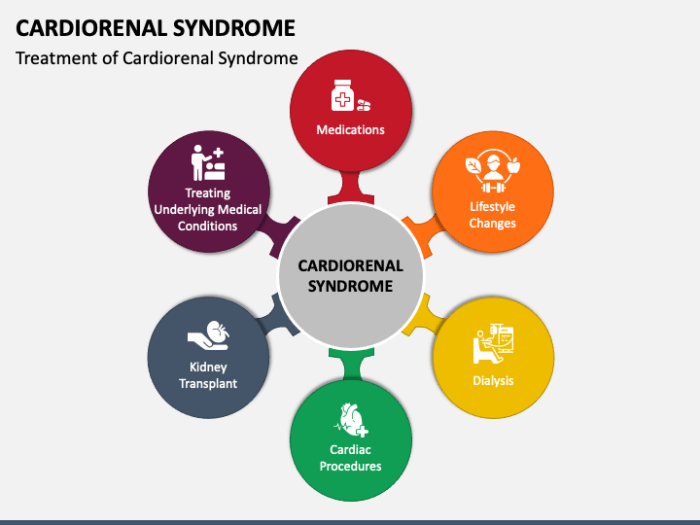
All about cardiorenal syndrome, a complex interplay between the heart and kidneys, is explored in this comprehensive guide. This intricate condition encompasses various types, each with its own set of characteristics and pathophysiological mechanisms. Understanding the different types, diagnostic criteria, management strategies, and potential complications is crucial for effective patient care.
From the initial introduction and classification of the various types of cardiorenal syndrome, this comprehensive guide will take you through the intricacies of diagnosis, treatment, and prognosis. We’ll delve into the diagnostic tools, pharmacological and non-pharmacological interventions, and the crucial role of kidney replacement therapy in managing this challenging condition.
Introduction to Cardiorenal Syndrome
Cardiorenal syndrome (CRS) is a complex clinical condition characterized by the intricate interplay between cardiovascular and renal dysfunction. These intertwined diseases often exacerbate each other, leading to a vicious cycle of progressive deterioration in both organ systems. Understanding the different types, pathophysiology, and epidemiology of CRS is crucial for early diagnosis and effective management strategies.The pathophysiological mechanisms underlying CRS are diverse, reflecting the complex interactions between the circulatory and renal systems.
Impaired blood flow, inflammation, and activation of the renin-angiotensin-aldosterone system (RAAS) are key factors contributing to the development of CRS. These mechanisms are further modulated by various factors, including genetics, comorbidities, and lifestyle choices. This intricate web of interconnected factors makes CRS a challenging condition to treat effectively.
Ever wondered about cardiorenal syndrome? It’s a fascinating condition where kidney and heart health intertwine. Understanding the complex interplay of these organs is crucial, and factors like the lingering effects of viral infections can play a role. For example, how long does COVID-19 actually live on surfaces? Knowing this can help us prevent further transmission, which in turn influences the progression of conditions like cardiorenal syndrome.
This is why research into factors like the longevity of viruses on surfaces, such as how long does covid live on surfaces , is vital for improving treatment and understanding the wider implications for conditions like cardiorenal syndrome.
Types of Cardiorenal Syndrome
Cardiorenal syndrome (CRS) encompasses a spectrum of conditions, each characterized by distinct pathophysiological mechanisms and clinical presentations. The classification system for CRS recognizes five different types, each distinguished by the directionality of the initial insult and the subsequent organ involvement.
CRS Type 1: Cardiac Dysfunction Leading to Renal Dysfunction
This type is characterized by the initial impairment of cardiac function, leading to subsequent renal dysfunction. Examples include heart failure, acute myocardial infarction, and severe valvular heart disease. The decreased cardiac output results in reduced renal perfusion, triggering a cascade of events that ultimately compromise renal function. A key pathophysiological mechanism is the activation of the RAAS, which leads to sodium and water retention, further exacerbating renal dysfunction.
CRS Type 2: Renal Dysfunction Leading to Cardiac Dysfunction
Conversely, in CRS Type 2, the initial insult is renal dysfunction, which then progresses to cardiac complications. Chronic kidney disease (CKD) is a prime example, often associated with hypertension and metabolic disturbances. The progressive decline in renal function can lead to electrolyte imbalances, fluid overload, and activation of the RAAS, ultimately contributing to the development of cardiac dysfunction, including hypertension and heart failure.
Cardiorenal syndrome is a fascinating area of research, focusing on the complex interplay between heart and kidney health. While exploring potential treatments for these conditions, innovative alternatives to opioid painkillers like vertex painkiller opioid alternative are also gaining traction. Ultimately, understanding the intricate mechanisms behind cardiorenal syndrome remains a key area of medical advancement.
CRS Type 3: Acute Cardiac and Renal Dysfunction
CRS Type 3 is characterized by the simultaneous and rapid onset of acute cardiac and renal dysfunction. This type is frequently observed in critically ill patients, such as those experiencing acute coronary syndrome or severe sepsis. The pathophysiological mechanisms involve a combination of factors, including circulatory collapse, inflammatory responses, and systemic hypoperfusion, all of which contribute to the simultaneous compromise of both organ systems.
CRS Type 4: Chronic Cardiac and Renal Dysfunction
In CRS Type 4, both cardiac and renal dysfunction develop over a long period, often as a result of shared risk factors such as hypertension, diabetes, and atherosclerosis. The interplay of these chronic conditions gradually deteriorates both organ systems. The pathophysiology involves a combination of progressive atherosclerosis, endothelial dysfunction, and activation of the RAAS.
CRS Type 5: Cardiac Surgery Leading to Renal Dysfunction
CRS Type 5 is characterized by the development of renal dysfunction after cardiac surgery. The perioperative period is often associated with hemodynamic instability, inflammatory responses, and nephrotoxic agents, which contribute to the development of renal dysfunction. A thorough understanding of these pathophysiological mechanisms is crucial for the prevention and management of renal dysfunction after cardiac procedures.
Epidemiology of Cardiorenal Syndrome
The prevalence of CRS is significant, particularly in populations with high rates of cardiovascular and renal diseases. Factors such as age, hypertension, diabetes mellitus, and obesity are major risk factors. Data from various studies indicate that CRS is a growing public health concern, necessitating improved prevention and treatment strategies.
Clinical Presentation of Cardiorenal Syndrome
The clinical presentation of CRS can vary depending on the type and severity of the condition. Common symptoms include fatigue, edema, shortness of breath, and decreased urine output. Signs such as elevated blood pressure, altered mental status, and fluid overload may also be observed.
| Type of CRS | Defining Characteristics | Common Symptoms |
|---|---|---|
| CRS Type 1 | Cardiac dysfunction precedes renal dysfunction | Fatigue, shortness of breath, edema, decreased urine output |
| CRS Type 2 | Renal dysfunction precedes cardiac dysfunction | Fatigue, edema, shortness of breath, hypertension |
| CRS Type 3 | Simultaneous acute cardiac and renal dysfunction | Rapid onset of fatigue, shortness of breath, edema, decreased urine output, altered mental status |
| CRS Type 4 | Chronic cardiac and renal dysfunction | Progressive fatigue, edema, shortness of breath, hypertension, metabolic disturbances |
| CRS Type 5 | Renal dysfunction after cardiac surgery | Decreased urine output, edema, electrolyte imbalances |
Diagnostic Considerations
Cardiorenal syndrome (CRS) diagnosis is crucial for timely intervention and management. Accurate identification of the specific type of CRS is essential for tailoring treatment strategies and predicting prognosis. This involves a multi-faceted approach combining clinical evaluation, laboratory testing, and imaging techniques. Different diagnostic approaches are used depending on the suspected type and severity of CRS.The diagnostic process often begins with a thorough clinical evaluation, including patient history, physical examination, and identification of risk factors for both cardiac and renal diseases.
This initial assessment helps narrow the possibilities and guide the subsequent diagnostic steps.
Diagnostic Criteria for Different Types of CRS
Various diagnostic criteria have been established for the different types of CRS, reflecting the varying etiologies and presentations. These criteria usually include the presence of both cardiac and renal dysfunction, with specific criteria tailored for each type. For instance, CRS type 1, characterized by cardiac dysfunction preceding renal dysfunction, often relies on established criteria for heart failure, along with assessment of kidney function.
Similarly, CRS type 2 focuses on renal dysfunction leading to cardiac involvement.
Essential Laboratory Tests in CRS Diagnosis
Laboratory tests are indispensable for evaluating kidney function and cardiac status in CRS. These tests provide quantitative data that aid in the diagnosis and monitoring of disease progression.
- Renal Function Tests: These tests include serum creatinine, blood urea nitrogen (BUN), and estimated glomerular filtration rate (eGFR). These indicators reflect the kidney’s ability to filter waste products from the blood. Elevated levels of creatinine and BUN, along with a decreased eGFR, suggest impaired renal function, a key element in diagnosing CRS.
- Cardiac Markers: Cardiac biomarkers such as troponin, BNP (B-type natriuretic peptide), and NT-proBNP (N-terminal pro-B-type natriuretic peptide) are crucial for assessing cardiac function and identifying the presence of heart failure, a frequent contributor to CRS.
- Electrolyte Panel: An electrolyte panel helps determine the levels of essential electrolytes like sodium, potassium, calcium, and magnesium in the blood. Disruptions in electrolyte balance are common in CRS, potentially impacting both cardiac and renal function.
Imaging Techniques in CRS Assessment
Imaging techniques can provide valuable insights into the structural and functional aspects of both the heart and kidneys. They can reveal underlying causes and assist in monitoring the progression of the disease.
- Echocardiography: Echocardiography is a non-invasive imaging technique that provides detailed images of the heart’s structure and function. It allows assessment of cardiac chamber size, ejection fraction, and valve function, providing important data for diagnosing cardiac dysfunction, a key component in CRS.
- Renal Ultrasound: Renal ultrasound is a valuable imaging tool for evaluating kidney size, shape, and the presence of any structural abnormalities. It can detect signs of kidney damage and help assess the severity of renal dysfunction, which is essential in CRS diagnosis.
- Cardiac CT/MRI: Cardiac computed tomography (CT) or magnetic resonance imaging (MRI) can provide detailed anatomical information about the heart and surrounding structures, identifying potential structural abnormalities or causes of cardiac dysfunction. This is particularly helpful in identifying specific causes of heart failure that could be contributing to CRS.
Kidney Biopsies in CRS Diagnosis
Kidney biopsies, though invasive, can offer crucial information about the specific type of kidney damage and the underlying cause. They can differentiate between various kidney diseases that might be contributing to CRS.
- Indicated for Specific Cases: Kidney biopsies are not routinely performed, but they can be indicated in cases where the underlying cause of renal dysfunction is uncertain or suspected to be non-common.
- Histopathological Examination: A detailed histopathological examination of the biopsy sample can provide crucial information regarding the nature of the renal damage. This allows clinicians to distinguish between various types of kidney diseases, enabling a more precise diagnosis and personalized treatment plan.
Comparison of Diagnostic Approaches
Different diagnostic approaches for CRS involve a combination of clinical evaluation, laboratory tests, and imaging techniques. The choice of specific tests depends on the suspected type of CRS, the clinical presentation, and the availability of resources. A comprehensive evaluation encompassing multiple approaches is generally more effective than relying on a single test or modality.
Diagnostic Tools and Their Significance in CRS
| Diagnostic Tool | Significance in CRS |
|---|---|
| Patient History | Identifies risk factors, prior illnesses, and symptoms. |
| Physical Examination | Evaluates general health, organ systems, and signs of cardiac or renal dysfunction. |
| Renal Function Tests | Assess kidney function and degree of damage. |
| Cardiac Markers | Assess cardiac function and identify heart failure. |
| Electrolyte Panel | Identifies electrolyte imbalances. |
| Echocardiography | Evaluates cardiac structure and function. |
| Renal Ultrasound | Evaluates kidney structure and size. |
| Cardiac CT/MRI | Provides detailed images of the heart. |
| Kidney Biopsy | Provides histopathological insights into the nature of renal damage. |
Management Strategies
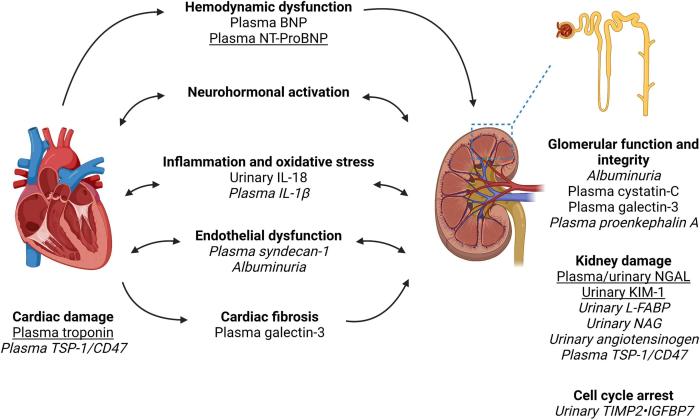
Cardiorenal syndrome (CRS) necessitates a multifaceted approach encompassing pharmacological interventions, non-pharmacological strategies, supportive care, and, in severe cases, kidney replacement therapy. Effective management hinges on addressing both the underlying cardiac and renal dysfunction, tailoring the approach to the specific type of CRS and the patient’s individual circumstances. A holistic understanding of the interplay between the two systems is crucial for optimizing outcomes.
Pharmacological Treatments, All about cardiorenal syndrome
Pharmacological interventions aim to improve cardiac function, reduce kidney injury, and control blood pressure. Angiotensin-converting enzyme (ACE) inhibitors and angiotensin receptor blockers (ARBs) are frequently prescribed to manage hypertension and reduce proteinuria. Beta-blockers may be used to control heart rate and blood pressure, especially in patients with heart failure. Diuretics are often employed to manage fluid overload.
Specific medications targeting underlying cardiac conditions, such as statins for dyslipidemia, or medications for heart failure, are also part of the overall treatment strategy.
Non-Pharmacological Interventions
Non-pharmacological strategies play a vital role in CRS management. Dietary modifications, including a low-sodium diet and a reduction in protein intake (in some cases), are crucial to minimize the burden on both the heart and kidneys. Lifestyle modifications, such as regular exercise (within the patient’s limitations) and weight management, are essential to promote overall cardiovascular health and reduce the progression of the disease.
Ever wondered about cardiorenal syndrome? It’s a fascinating interplay between the heart and kidneys. Interestingly, some of the symptoms overlap with conditions like cyclic mastalgia premenstrual breast pain, which is often characterized by breast tenderness and pain during the menstrual cycle. Learning more about this complex relationship can be beneficial for better understanding of the whole picture.
Further research on cardiorenal syndrome reveals the crucial role of early detection and treatment in improving patient outcomes. If you want to know more about cyclic mastalgia premenstrual breast pain, check out this resource: cyclic mastalgia premenstrual breast pain. Ultimately, understanding cardiorenal syndrome involves a holistic approach, looking at how these organs interact in the body.
Smoking cessation is also a critical component of management, as smoking significantly worsens both cardiac and renal function.
Supportive Care Measures
Supportive care measures are integral to the comprehensive management of CRS. Close monitoring of vital signs, electrolytes, and renal function parameters is essential to identify and address potential complications early. Adequate hydration is often necessary, but must be carefully balanced with diuretic therapy. Nutritional support, tailored to the individual’s needs, is vital for maintaining overall health and preventing malnutrition.
The importance of patient education and shared decision-making cannot be overstated.
Kidney Replacement Therapy
Kidney replacement therapy (KRT) is reserved for advanced cases of CRS where renal function is severely compromised. Hemodialysis and peritoneal dialysis are the primary forms of KRT used. The decision to initiate KRT requires careful consideration of the patient’s overall health, prognosis, and quality of life.
Comparison of Treatment Approaches for Different CRS Types
Treatment strategies for CRS types vary depending on the underlying cause and severity of the dysfunction. For example, CRS type 1, characterized by cardiac dysfunction leading to kidney damage, may benefit from aggressive management of cardiac conditions, including optimization of blood pressure and heart failure therapy. CRS type 2, where kidney disease causes cardiac dysfunction, often requires a focus on managing the underlying kidney disease and controlling blood pressure to prevent further cardiac damage.
Table of Treatment Options
| CRS Type | Treatment Options | Effectiveness | Potential Side Effects |
|---|---|---|---|
| CRS Type 1 | ACE inhibitors/ARBs, Beta-blockers, Diuretics, Cardiac medications | Generally effective in improving cardiac function and reducing kidney injury | Hypotension, hyperkalemia, renal impairment (in some cases) |
| CRS Type 2 | ACE inhibitors/ARBs, Diuretics, Medications for underlying kidney disease | Effective in controlling hypertension and preserving renal function | Hypotension, hyperkalemia, potential interactions with kidney medications |
| CRS Type 3 | Supportive care, addressing underlying cause, possible KRT | Variable effectiveness depending on the severity and cause | Potential complications associated with KRT, side effects of underlying diseases |
Complications and Prognosis
Cardiorenal syndrome (CRS) presents a complex interplay of kidney and heart diseases, leading to a cascade of potential complications. Understanding the factors influencing prognosis is crucial for developing effective management strategies and improving patient outcomes. The long-term impact on overall health is significant, and the risk of cardiovascular events and renal failure is a major concern.CRS significantly impacts a patient’s quality of life and overall health trajectory.
The interplay between renal and cardiovascular dysfunction often results in a progressive decline in both organ systems, necessitating proactive management and close monitoring.
Potential Complications
The progression of CRS can lead to a variety of complications, impacting multiple organ systems. These complications can arise from the underlying diseases, the interplay between them, or the treatments employed.
- Cardiovascular Events: Heart failure, myocardial infarction (heart attack), arrhythmias, and stroke are common complications. For instance, a patient with chronic kidney disease (CKD) and hypertension is at a higher risk of developing a heart attack due to the cumulative effect of these conditions.
- Renal Failure: The deterioration of kidney function can lead to end-stage renal disease (ESRD), requiring dialysis or kidney transplantation. This progression is often observed in patients with severe or poorly managed CRS.
- Electrolyte Imbalances: Dysregulation of electrolytes like sodium, potassium, and calcium can occur due to impaired kidney function. These imbalances can cause serious complications, including cardiac arrhythmias, muscle weakness, and neurological problems.
- Fluid Overload: Patients with CRS frequently experience fluid overload, potentially leading to pulmonary edema and further compromising cardiac function. This is a serious concern, especially in patients with heart failure.
- Nutritional Deficiencies: Impaired appetite, nausea, vomiting, and malabsorption due to renal dysfunction or treatment can lead to significant nutritional deficiencies, further weakening the patient.
Factors Influencing Prognosis
Several factors influence the prognosis of CRS, and these must be carefully considered when evaluating individual patients.
- Severity of Underlying Diseases: The initial severity of both the renal and cardiovascular conditions significantly impacts the trajectory of CRS. Patients with more advanced stages of CKD or heart failure generally have a poorer prognosis.
- Age and Comorbidities: Age is a critical factor, as older individuals tend to have a higher risk of complications and poorer outcomes. Presence of other health conditions (comorbidities) like diabetes, hypertension, or obesity can also negatively affect the prognosis.
- Treatment Adherence: Patient adherence to prescribed medications and lifestyle modifications plays a crucial role. Effective management of underlying conditions, such as hypertension and diabetes, can significantly improve the prognosis.
- Access to Quality Healthcare: Early diagnosis, timely interventions, and access to specialized care are essential for better outcomes. Geographical location and socioeconomic factors can affect access to quality care, impacting the prognosis.
Long-Term Outcomes
The long-term outcomes associated with CRS can range from significant improvement to a progressive decline in health.
- Significant Improvement: In some cases, early and aggressive management of the underlying conditions can lead to a stabilization or even improvement in kidney and heart function, leading to a better quality of life. This often requires a multidisciplinary approach.
- Progressive Decline: In other cases, CRS progresses to a stage where the decline in both renal and cardiovascular function becomes irreversible. This can lead to a significant reduction in life expectancy.
Cardiovascular Events and Renal Failure
The risk of cardiovascular events and renal failure is significantly increased in patients with CRS.
- Increased Risk of Cardiovascular Events: The interaction between the heart and kidneys in CRS increases the risk of heart attacks, strokes, and heart failure. These events are often linked to the progression of the underlying diseases.
- Increased Risk of Renal Failure: CRS often progresses to end-stage renal disease, requiring dialysis or kidney transplantation. This progression underscores the importance of early detection and aggressive management.
Impact on Overall Patient Health
CRS significantly impacts overall patient health, affecting various aspects of their daily lives.
- Reduced Quality of Life: Symptoms like fatigue, shortness of breath, and reduced mobility can significantly diminish a patient’s quality of life. These symptoms can affect work, social interactions, and overall well-being.
- Increased Healthcare Costs: Managing CRS often requires extensive medical interventions, leading to increased healthcare costs. This economic burden can place a strain on patients and healthcare systems.
Potential Complications and Prevalence Table
| Potential Complications | Prevalence (estimated, varies significantly based on factors mentioned above) |
|---|---|
| Cardiovascular Events (e.g., heart failure, MI) | High |
| Renal Failure (e.g., ESRD) | High |
| Electrolyte Imbalances | High |
| Fluid Overload | Moderate to High |
| Nutritional Deficiencies | Moderate |
Research Directions and Future Perspectives: All About Cardiorenal Syndrome
Cardiorenal syndrome (CRS) remains a significant challenge in modern medicine, demanding ongoing research to improve diagnosis, management, and ultimately, patient outcomes. Understanding the complex interplay between the cardiovascular and renal systems is crucial for developing effective therapeutic strategies. This section explores promising research avenues, identifies knowledge gaps, and anticipates future advancements in CRS treatment.
Current Research Trends
Current research in CRS focuses on several key areas. These include identifying novel biomarkers for early detection and risk stratification, elucidating the pathophysiological mechanisms driving CRS progression, and exploring targeted therapeutic interventions. The aim is to move beyond symptomatic treatment towards a more mechanistic understanding of the disease, enabling the development of preventative and disease-modifying therapies. Researchers are also actively investigating the role of genetic predisposition and environmental factors in CRS development.
Promising Areas for Future Research
Future research in CRS should prioritize studies examining the long-term effects of various treatment modalities on the cardiovascular and renal systems. Investigating the efficacy of novel therapies, such as immunomodulatory agents and regenerative medicine approaches, holds immense promise. Furthermore, exploring the potential of personalized medicine strategies tailored to individual patient characteristics is a significant area for future research.
This involves identifying specific genetic and environmental factors that influence CRS development and progression in different populations.
Gaps in Knowledge and Future Research Directions
A significant gap in our understanding of CRS lies in the variability of disease presentation and progression across diverse populations. Future research should focus on developing robust, multi-ethnic studies to address these disparities. Further investigation into the role of inflammation, oxidative stress, and endothelial dysfunction in the pathogenesis of CRS is also warranted. Finally, more research is needed to optimize existing treatment strategies and develop novel therapies tailored to the specific needs of individual patients.
Potential Advancements in CRS Treatment
Emerging therapeutic strategies for CRS encompass a multifaceted approach. Precision medicine, personalized therapies targeting specific genetic or environmental risk factors, show great potential. Advances in regenerative medicine, such as cell-based therapies, are also being explored. This involves the use of stem cells or other regenerative agents to repair damaged tissues and organs, potentially restoring function and mitigating disease progression.
Emerging Technologies and their Application in CRS Management
Emerging technologies, such as artificial intelligence (AI) and machine learning (ML), offer valuable tools for analyzing complex patient data. These technologies can be used to develop more accurate diagnostic models, predict disease progression, and optimize treatment strategies. For example, AI algorithms can be trained on large datasets of patient characteristics and outcomes to identify individuals at high risk of developing CRS.
Similarly, AI-powered systems can assist in optimizing medication regimens and tailoring treatments to individual patient needs.
Key Research Areas and Anticipated Impact
| Research Area | Anticipated Impact on CRS Management |
|---|---|
| Identification of novel biomarkers | Improved early detection and risk stratification, leading to earlier intervention and potentially better outcomes. |
| Targeted therapies | Development of more effective treatments that address the underlying pathophysiological mechanisms of CRS, potentially reducing disease progression. |
| Personalized medicine | Tailored treatment plans based on individual patient characteristics, leading to improved efficacy and reduced side effects. |
| Regenerative medicine | Potential for restoring damaged tissues and organs, improving function and mitigating disease progression. |
| AI and machine learning | Development of more accurate diagnostic models, prediction of disease progression, and optimization of treatment strategies, leading to improved patient care. |
Illustrative Case Studies
Cardiorenal syndrome (CRS) presents with a wide spectrum of clinical manifestations, making individualized management crucial. Understanding the diverse ways CRS affects patients is essential for developing effective treatment strategies. These case studies highlight the varied presentations and challenges in diagnosing and managing CRS.
Case Study 1: A Young Adult with Hypertension and Nephropathy
This case focuses on a 28-year-old woman presenting with persistent hypertension and progressive kidney disease. Initial symptoms included headaches, fatigue, and swelling in the ankles. The patient’s medical history revealed a family history of hypertension and kidney disease. Physical examination revealed elevated blood pressure and mild edema. Diagnostic testing showed elevated creatinine levels, proteinuria, and decreased glomerular filtration rate (GFR).
Further investigations, including renal biopsy, confirmed a diagnosis of focal segmental glomerulosclerosis (FSGS), a common cause of nephrotic syndrome. Management involved aggressive blood pressure control with multiple antihypertensive medications, alongside careful monitoring of kidney function. The patient required regular dialysis sessions as her kidney function continued to decline.
Case Study 2: An Elderly Patient with Heart Failure and Chronic Kidney Disease
This case highlights a 72-year-old male with a history of coronary artery disease and chronic kidney disease (CKD). The patient presented with shortness of breath, fatigue, and lower extremity edema. His symptoms worsened over the past few months, prompting him to seek medical attention. Physical examination revealed signs of heart failure, including elevated jugular venous pressure, crackles in the lungs, and peripheral edema.
Diagnostic tests showed reduced ejection fraction, elevated BNP levels, and declining GFR. The diagnosis was established through a combination of clinical findings, echocardiography, and blood tests. Management involved optimizing heart failure therapy, including diuretics, ACE inhibitors, and beta-blockers, along with meticulous management of CKD, including phosphate binders and vitamin D supplementation. The patient’s condition remained stable, but required ongoing close monitoring and adjustments to the treatment plan.
Case Study 3: A Diabetic Patient with Acute Kidney Injury
This case illustrates a 55-year-old female with a history of type 2 diabetes and peripheral neuropathy. She presented with severe nausea, vomiting, and decreased urine output. The patient’s symptoms developed acutely following a recent bout of influenza. Physical examination revealed signs of dehydration and hypotension. Diagnostic testing revealed acute kidney injury (AKI) with elevated creatinine levels and reduced urine output.
Further investigations, including blood cultures, ruled out sepsis. Management focused on treating the underlying infection, correcting dehydration, and supporting kidney function. Dialysis was required to alleviate the acute kidney failure. Once the acute phase subsided, the patient underwent careful management of her diabetes and other comorbidities to prevent recurrence of AKI.
Summary of Case Studies
| Case Study | Patient Demographics | Clinical Findings | Diagnostic Findings | Management Strategies | Outcome |
|---|---|---|---|---|---|
| 1 | 28-year-old female | Hypertension, edema, fatigue | Elevated creatinine, proteinuria, decreased GFR, FSGS | Antihypertensives, monitoring, dialysis | Progressive decline in kidney function, dialysis dependence |
| 2 | 72-year-old male | Shortness of breath, edema, fatigue | Reduced ejection fraction, elevated BNP, declining GFR | Heart failure therapy, CKD management | Stable condition, ongoing monitoring |
| 3 | 55-year-old female | Nausea, vomiting, oliguria | Acute kidney injury, elevated creatinine, reduced urine output | Infection treatment, fluid resuscitation, dialysis | Recovery with ongoing management of diabetes |
Public Health Implications of Cardiorenal Syndrome
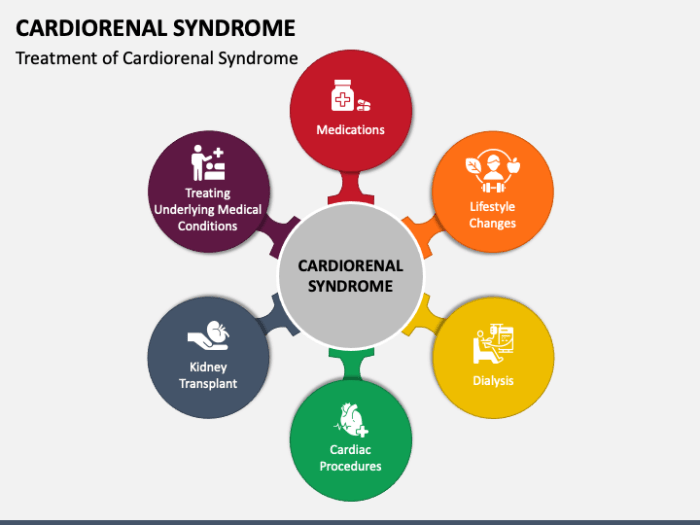
Cardiorenal syndrome (CRS) is a significant public health concern, impacting both individual well-being and the burden on healthcare systems worldwide. The complex interplay between heart and kidney dysfunction necessitates a comprehensive understanding of its societal impact, prevention strategies, and the potential for quality-of-life improvement. Addressing CRS requires a multi-faceted approach encompassing individual risk factors, public health initiatives, and innovative research.
The Burden on Healthcare Systems
CRS places a substantial strain on healthcare resources. Patients with CRS often require intensive care, frequent hospitalizations, and prolonged treatment durations. This translates into increased costs associated with medications, diagnostic procedures, and specialized medical interventions. The chronic nature of CRS often necessitates long-term management, contributing to the overall financial burden on healthcare systems. This necessitates a robust and adaptable healthcare infrastructure capable of providing comprehensive care to these vulnerable populations.
Societal Impact of CRS
CRS significantly impacts societal well-being beyond the immediate healthcare costs. The reduced productivity of affected individuals due to illness and frequent medical appointments results in lost economic output. Furthermore, the emotional and psychological toll on patients and their families can be substantial, potentially leading to social isolation and reduced quality of life. The chronic nature of CRS frequently requires significant adjustments to daily routines and social activities.
Strategies to Reduce the Risk of CRS
Effective strategies for reducing CRS risk revolve around prevention of underlying conditions. Promoting cardiovascular health through lifestyle modifications, including regular exercise, a balanced diet, and smoking cessation, can drastically reduce the risk of developing both heart and kidney disease. Early detection and management of hypertension and diabetes, two major risk factors for CRS, are crucial. These preventative measures can reduce the incidence of CRS and ease the strain on healthcare systems.
Impact of CRS on Quality of Life
CRS profoundly impacts the quality of life for affected individuals. Symptoms like fatigue, fluid retention, and reduced mobility can significantly impair daily activities. The need for frequent medical appointments and dialysis further reduces independence and social engagement. The chronic nature of the condition can lead to emotional distress, anxiety, and depression, highlighting the importance of holistic patient care.
Prevention and Public Health Initiatives
Public health initiatives play a critical role in preventing and managing CRS. Community-based programs promoting healthy lifestyles, accessible screening for risk factors, and education on early symptoms can help reduce the burden of CRS. Collaboration between healthcare professionals, public health organizations, and community leaders is essential to develop targeted interventions and raise awareness.
Comparison of CRS Prevalence Across Different Populations
| Population Group | Estimated Prevalence (%) | Notes |
|---|---|---|
| Diabetic patients | 20-40% | High prevalence due to shared risk factors. |
| Hypertensive patients | 15-30% | Hypertension significantly increases risk. |
| Older adults | 10-25% | Age is a key risk factor for both conditions. |
| Individuals with chronic kidney disease | 5-10% | CRS is a major complication of CKD. |
| Individuals with cardiovascular disease | 5-15% | Pre-existing heart conditions significantly increase risk. |
Note: Prevalence estimates vary based on specific studies, diagnostic criteria, and populations studied. The data in the table provides a general overview.
End of Discussion
In conclusion, cardiorenal syndrome presents a significant challenge to both patients and healthcare professionals. This overview has highlighted the intricate relationship between heart and kidney function, the diverse diagnostic approaches, and the complexity of management strategies. Further research, particularly in understanding the underlying pathophysiology and developing innovative treatments, is essential for improving patient outcomes and quality of life.
The potential for cardiovascular events and renal failure underscores the importance of early diagnosis and proactive management.