
PT exercises for achilles tendon tear are crucial for effective healing and recovery. This guide delves into the various types of tears, their causes, and the tailored exercises needed for successful rehabilitation. Understanding the different phases of recovery, from acute to chronic, is key to preventing setbacks and maximizing your progress. We’ll explore exercises for improving range of motion, strengthening calf muscles, and addressing pain and inflammation.
From initial pain management and gentle stretches to more advanced strengthening routines, we’ll equip you with the knowledge and exercises to navigate each stage of your recovery journey. This detailed guide will help you understand the importance of proper form, progressive overload, and the crucial role of warm-up and cool-down routines. Furthermore, we’ll cover strategies for returning to your desired activities and preventing future injuries.
Introduction to Achilles Tendon Tear
An Achilles tendon tear is a common injury affecting the tendon that connects the calf muscles to the heel bone. This powerful tendon plays a crucial role in plantar flexion, the movement of pointing the foot downwards. Understanding the various types, causes, and risk factors is essential for proper diagnosis and treatment.
Physical therapy exercises for an Achilles tendon tear are crucial for recovery, focusing on gentle stretches and strengthening. While recovering, some people find relief from other ailments, like ear infections, by using essential oils. For example, certain essential oils are believed to offer potential benefits for ear infections, although it’s important to consult a doctor before using them.
A doctor can guide you on the right approach for your specific case, and then you can get back to your strengthening exercises for the Achilles tendon tear.
Types of Achilles Tendon Tears
Achilles tendon tears can range from a minor partial tear to a complete rupture. A partial tear involves damage to some of the tendon fibers, while a complete tear results in a full separation of the tendon. The severity of the tear directly impacts the treatment approach and recovery timeline.
Common Causes of Achilles Tendon Tears
Achilles tendon tears often result from sudden forceful movements, such as jumping or running. Overuse, especially in athletes, can also contribute to the development of microtears that, if not addressed, can lead to a full rupture. Other contributing factors include poor flexibility, inadequate warm-up routines, and improper footwear. Degenerative changes in the tendon due to aging or chronic conditions can also weaken the tendon and increase the risk of tears.
Risk Factors for Achilles Tendon Tears
Several factors can increase an individual’s susceptibility to Achilles tendon tears. These include: age (particularly in those over 30), participation in sports that involve repetitive jumping or running, a history of previous Achilles tendon injuries, certain medical conditions (e.g., diabetes), and inadequate conditioning or training. Individuals with a lower body mass index (BMI) may also be at a higher risk.
Symptoms of Achilles Tendon Tears
| Symptom | Severity Level | First Aid Measures |
|---|---|---|
| Sudden, sharp pain in the heel or lower calf | Mild to Severe | Rest, ice, compression, and elevation (RICE). Seek medical attention immediately. |
| Swelling and tenderness around the Achilles tendon | Mild to Severe | Apply ice packs for 15-20 minutes at a time, several times a day. Elevate the affected leg above the heart. |
| Inability to plantar flex the foot (point the toes downwards) | Moderate to Severe | Avoid putting weight on the affected leg. If the tear is complete, crutches may be necessary. Seek immediate medical attention. |
| Visible or palpable gap or defect in the Achilles tendon | Complete Tear | Immobilize the affected area using a splint or brace. Do not attempt to reposition the tendon. Seek immediate medical attention. |
A thorough assessment by a healthcare professional is crucial to accurately diagnose the severity of the tear and determine the most appropriate course of action. Early intervention significantly improves the likelihood of a successful recovery.
Physical Therapy Exercises for Acute Tears
Physical therapy plays a crucial role in the recovery process following an Achilles tendon tear. It’s designed to restore function, reduce pain, and prevent further injury. A tailored physical therapy program, overseen by a qualified professional, is essential for a successful rehabilitation journey. The program focuses on gradually increasing activity and strength, ensuring the tendon heals properly and the patient regains full mobility.A comprehensive approach to physical therapy involves not only exercises but also the crucial elements of rest and pain management.
This multifaceted approach ensures the healing process is as effective as possible, preventing complications and accelerating recovery. Following a structured plan, meticulously designed by a physical therapist, is essential to achieve optimal results.
Importance of Rest and Pain Management
Proper rest and pain management are vital for the healing process. Acute pain and inflammation must be addressed effectively to avoid further damage to the healing tendon. Overexertion can impede the natural healing process. This involves using methods like ice packs, compression bandages, and over-the-counter pain relievers as prescribed by the medical professional. Adhering to the prescribed rest period is crucial to avoid jeopardizing the healing process.
Range of Motion Exercises
Improving range of motion is essential to regain full function of the ankle and foot. These exercises help restore flexibility and prevent stiffness, which can often accompany an injury. A graduated approach, starting with gentle movements and progressively increasing the range of motion, is key.
- Gentle Ankle Circles: Slowly rotate the ankle in both clockwise and counterclockwise directions, maintaining a comfortable range of motion. Start with small circles and gradually increase the size as tolerated.
- Foot Flexion and Extension: Slowly point your toes towards your shin (dorsiflexion) and then away from your shin (plantar flexion). Repeat this motion several times, ensuring you maintain a pain-free range of motion.
- Ankle Pumps: Slowly pump your foot up and down, gently flexing and extending your ankle joint. These exercises help maintain ankle mobility and reduce stiffness.
Strengthening Exercises for Calf Muscles
Strengthening the calf muscles is crucial for restoring the ankle’s stability and supporting the repaired tendon. Progressive overload, increasing the intensity and duration of exercises over time, is essential to promote optimal healing.
- Heel Raises: Stand with your feet shoulder-width apart. Slowly raise up onto your toes, holding the position for a second, then lower your heels back down. Repeat this exercise 10-15 times. Focus on controlled movements and avoid bouncing.
- Toe Raises: Similar to heel raises, but focus on lifting only your toes off the ground while keeping your heels on the floor. Repeat 10-15 times. This isolates the muscles in the front of the lower leg.
- Eccentric Calf Raises: Slowly lower yourself from your toes down to your heels. This is a crucial exercise as it strengthens the Achilles tendon in a way that mirrors the movements of daily activities.
Comparison of Strengthening Exercises
| Exercise | Description | Target Muscles | Benefits |
|---|---|---|---|
| Heel Raises | Raising up onto the toes, holding, and lowering back down | Gastrocnemius, Soleus | Strengthens calf muscles, improves ankle stability |
| Toe Raises | Lifting only toes off the ground, keeping heels on the floor | Tibialis Anterior, other anterior lower leg muscles | Strengthens anterior lower leg muscles, improving ankle dorsiflexion |
| Eccentric Calf Raises | Slowly lowering yourself from your toes down to your heels | Gastrocnemius, Soleus, Achilles Tendon | Specifically strengthens the Achilles tendon during the lowering phase, promoting controlled movements. |
Progression of Exercises
Starting with simple exercises and gradually increasing the difficulty is crucial. The progression should be tailored to the individual’s progress and pain tolerance. This ensures the healing process is not compromised. The focus should be on consistent and controlled movements, rather than excessive repetitions or intensity.
Importance of Proper Form and Technique
Maintaining correct form and technique is essential to prevent further injury and ensure optimal results. This involves proper alignment, controlled movements, and avoiding excessive force or strain. If there is any doubt, consulting with a physical therapist is strongly recommended. Proper form protects the healing tendon and helps in the prevention of reinjury.
Physical Therapy Exercises for Chronic Tears
Recovering from a chronic Achilles tendon tear requires a different approach than an acute tear. The focus shifts from immediate pain management to gradual strengthening and restoration of function. This phase demands patience, consistency, and a structured plan tailored to the individual’s specific needs and healing progress. The goal is not just to regain strength but to build resilience and prevent future injury.Chronic Achilles tendon tears, characterized by persistent pain and reduced function, necessitate a more gradual and progressive approach to physical therapy exercises.
This contrasts with acute tears, which demand immediate rest and pain management before introducing any activity. Crucially, progressive overload is paramount for chronic tears, allowing the tendon to adapt gradually to increased stress. This gradual increase in load and intensity avoids re-injury and promotes optimal healing.
Progressive Overload in Chronic Tears
Progressive overload is the key to successful rehabilitation for chronic Achilles tendon tears. It involves gradually increasing the intensity, duration, or frequency of exercises over time. This gradual increase in demand allows the tendon to adapt and strengthen without causing further damage. Examples include increasing the repetitions of an exercise, holding a stretch for longer, or adding weight or resistance to an exercise.
This principle is crucial for building strength and restoring function safely and effectively. A tailored approach, considering the individual’s pain tolerance and healing timeline, is essential for successful outcomes.
Comparison of Exercises for Acute vs. Chronic Tears
| Exercise Category | Acute Tear (Initial Phase) | Chronic Tear (Rehabilitation Phase) | Key Differences |
|---|---|---|---|
| Range of Motion | Gentle passive range of motion exercises to maintain joint flexibility | Active range of motion exercises to regain full movement | Acute phase focuses on maintaining, chronic phase on restoring. |
| Strengthening | Minimal, if any, strengthening exercises in the early stages | Gradual strengthening exercises, starting with low resistance | Acute phase prioritizes rest, chronic phase emphasizes controlled loading. |
| Stretching | Gentle stretches to maintain flexibility | Targeted stretching to address specific areas of tightness | Acute phase avoids overloading, chronic phase focuses on specific limitations. |
| Cardio | Low-impact cardio (e.g., stationary bike) | Gradually increasing cardio intensity as tolerated | Chronic phase builds endurance, acute phase focuses on minimal activity. |
Low-Impact Exercises for Chronic Tears
Low-impact exercises are essential for chronic Achilles tendon tears. They allow for gradual loading without placing excessive stress on the injured area. These exercises are crucial for building strength and restoring function while minimizing the risk of re-injury. Some examples include stationary cycling, swimming, and elliptical training. These exercises promote cardiovascular health, strengthen surrounding muscles, and improve overall mobility.
Carefully graded increases in intensity are vital to avoid setbacks.
Managing Pain and Inflammation During Exercises
Managing pain and inflammation is critical during exercise for chronic tears. This involves using ice packs, taking anti-inflammatory medications as prescribed, and ensuring proper rest periods between exercises. Listen to your body; if pain increases significantly, reduce the intensity or duration of the exercise and consult your physical therapist. Using modalities like ultrasound or electrical stimulation can also help reduce pain and inflammation.
Proper pain management allows for safe and effective exercise progression.
Flexibility and Stretching Exercises
Flexibility and stretching are crucial for preventing stiffness and improving range of motion. Gentle stretching exercises, including calf stretches, hamstring stretches, and ankle rotations, should be performed daily. These exercises maintain flexibility and prevent stiffness, allowing for a better range of motion. Proper stretching techniques are vital for preventing further injury. Gradually increase the duration and intensity of stretches as your pain and range of motion improve.
Common Mistakes to Avoid
Skipping rest days or pushing through pain are common mistakes. These can hinder the healing process and increase the risk of re-injury. Using improper form during exercises can also lead to further damage. It’s essential to maintain proper form throughout the exercise program to optimize results and avoid unnecessary strain on the tendon. Consulting with a physical therapist to learn proper techniques is crucial for avoiding common mistakes.
Exercise Progression and Considerations: Pt Exercises For Achilles Tendon Tear
Recovering from an Achilles tendon tear requires a carefully structured exercise progression. This progression is crucial for regaining strength, flexibility, and function while minimizing the risk of re-injury. Understanding the different phases and adhering to the recommended timelines and exercises is vital for a successful recovery.
Phases of Exercise Progression
The recovery journey after an Achilles tendon tear is typically divided into distinct phases, each with its own set of exercises and goals. Gradual progression is key, allowing the tendon to adapt and heal without undue stress. Rushing through the phases can lead to setbacks and potentially prolong the recovery period.
Phase 1: Early Recovery (Weeks 1-4)
This initial phase focuses on protecting the healing tendon and promoting pain-free range of motion. Exercises are designed to minimize swelling, increase circulation, and gradually restore ankle flexibility. Emphasis is placed on controlled movements and avoiding any activity that exacerbates pain.
- Gentle range-of-motion exercises: These might include passive ankle circles, toe curls, and gentle dorsiflexion (lifting the foot towards the shin) exercises. These exercises should be pain-free and performed slowly and deliberately. Avoid any exercises that cause sharp or persistent pain.
- Isometric exercises: These involve contracting the calf muscles without moving the ankle joint. Examples include holding a light weight while maintaining a specific ankle position or performing calf contractions against a wall. Isometric exercises help maintain muscle strength while protecting the healing tendon.
- Light elevation: Keeping the affected leg elevated can help reduce swelling and promote blood circulation. This is especially important during the early stages of recovery.
Phase 2: Building Strength (Weeks 5-8)
This phase focuses on gradually increasing the load on the tendon and rebuilding strength in the calf muscles. Exercises progress to include more active movements and resistance. Pain should always be the limiting factor.
Recovering from an Achilles tendon tear involves a carefully structured physiotherapy program. Specific exercises, like heel raises and calf stretches, are crucial for regaining strength and flexibility. While focusing on physical therapy, it’s also important to consider medication, and understanding the nuances of different aspirin formulations, like enteric coated aspirin vs plain aspirin, can be helpful. This article delves into the differences between the two, helping you make informed decisions about your treatment plan.
Ultimately, a comprehensive approach, combining physiotherapy exercises with an understanding of medication choices, is key to a successful recovery.
- Resisted ankle pumps: Using resistance bands or light weights, perform controlled ankle pumps. Gradually increase the resistance as tolerated.
- Eccentric calf raises: Slowly lowering yourself down from a calf raise position, allowing the calf muscles to work against gravity. Start with minimal weight and gradually increase the resistance.
- Heel raises: Standing on a slightly elevated surface, lift up onto your toes and lower yourself down slowly. Start with a few repetitions and gradually increase the number of repetitions and sets.
Phase 3: Functional Training (Weeks 9-12)
This phase aims to restore full function and prepare for return to activity. Exercises focus on improving balance, proprioception, and functional movements.
- Balance exercises: Standing on one leg, performing heel-to-toe walks, and single-leg squats can improve balance and proprioception.
- Agility drills: Controlled movements such as side-steps and lateral shuffles improve coordination and agility. These drills are introduced gradually and carefully.
- Sport-specific exercises: If applicable, specific exercises for the patient’s sport or activity are incorporated. These exercises are designed to help the patient regain their pre-injury level of function.
Exercise Progression Table
| Phase | Specific Exercises | Duration (minutes/session) | Intensity (1-5, 1 being lowest, 5 being highest) |
|---|---|---|---|
| Phase 1 | Gentle ROM, Isometrics, Elevation | 10-15 | 1-2 |
| Phase 2 | Resisted ankle pumps, Eccentric calf raises, Heel raises | 15-20 | 2-3 |
| Phase 3 | Balance exercises, Agility drills, Sport-specific exercises | 20-30 | 3-4 |
Gradual increases in intensity and duration are essential to avoid re-injury. Listening to the body and modifying activities as needed is crucial for a safe and effective recovery.
Importance of Proper Warm-up and Cool-down
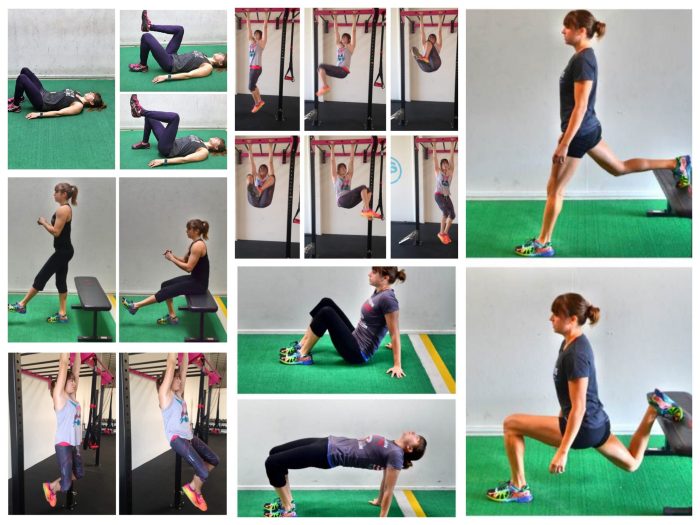
Proper warm-up and cool-down routines are crucial for preventing injuries and optimizing recovery after Achilles tendon tear exercises. These preparatory and concluding phases prepare the body for the demands of exercise and facilitate the healing process, significantly impacting the effectiveness and safety of the rehabilitation program. They are not just optional additions; they are integral components of a successful recovery plan.Warm-up exercises are essential for preparing the muscles and tendons for the more strenuous activities that follow.
Recovering from an Achilles tendon tear often involves specific physical therapy exercises. Understanding the right exercises is crucial for a speedy recovery, but sometimes, other factors play a role, too. For instance, some blood tests can reveal underlying health issues that might affect your healing process. Knowing what those tests mean can help you and your doctor determine the best course of action.
Checking out understanding common blood tests and what they mean can provide helpful insights. Ultimately, a comprehensive approach, including the right PT exercises and a grasp of relevant blood tests, is key to a successful recovery from an Achilles tendon tear.
Similarly, cool-down exercises promote recovery and prevent potential complications like muscle soreness and stiffness. Effective warm-up and cool-down routines help to minimize the risk of injury and enhance the body’s response to physical activity. The benefits extend beyond just the immediate workout; they contribute to long-term recovery and overall health.
Importance of Warm-up Exercises
Warm-up exercises gradually increase blood flow to the targeted muscles and tendons, preparing them for the demands of the exercises to follow. This increased blood flow delivers essential nutrients and oxygen to the tissues, reducing the risk of injury. By gradually increasing the heart rate and body temperature, warm-up exercises also enhance flexibility and range of motion, making the muscles and tendons more responsive and less prone to tears or strains.
Examples of Warm-up Exercises
A suitable warm-up routine for Achilles tendon exercises should involve low-intensity activities that target the calf muscles and the surrounding areas. Dynamic stretching, such as heel raises, calf stretches, and ankle circles, are excellent examples. Light cardio, like walking or stationary cycling, also contributes to increased blood flow. It’s crucial to perform these activities for 5-10 minutes before starting more strenuous exercises.
The intensity should be progressively increased to match the anticipated workout intensity.
Importance of Cool-down Exercises
Cool-down exercises are just as important as warm-up exercises. They gradually reduce the heart rate and blood flow back to normal levels after exercise. This process helps prevent blood pooling in the lower extremities, which can lead to dizziness or lightheadedness. Cool-down exercises also help to alleviate muscle soreness and stiffness by promoting the removal of metabolic waste products.
Static stretching, which involves holding a stretch for a period of time, is beneficial in improving flexibility and reducing muscle tension.
Examples of Cool-down Exercises
After completing the Achilles tendon exercises, a cool-down period should follow. Static stretching is a key component of this phase. Holding stretches, such as the seated calf stretch or the towel stretch, for 15-30 seconds each, helps to improve flexibility and reduce muscle soreness. Light walking or stationary cycling can also be incorporated to gradually decrease the heart rate and aid in the recovery process.
The duration of the cool-down should be approximately 5-10 minutes.
Stretching for Injury Prevention
Regular stretching, both dynamic and static, is essential for preventing Achilles tendon injuries. Dynamic stretches, which involve controlled movements, prepare the muscles for activity, while static stretches, which involve holding a position, improve flexibility and range of motion. Proper stretching helps to maintain the elasticity and flexibility of the tendons, making them less susceptible to tears and strains.
Incorporating stretching into daily routines can significantly reduce the risk of injury.
Comparison of Warm-up and Cool-down Exercises for the Achilles Tendon
| Exercise Category | Exercise Type | Description | Duration (approx.) |
|---|---|---|---|
| Warm-up | Dynamic Stretching | Heel raises, calf stretches, ankle circles | 5-10 minutes |
| Light Cardio | Walking, stationary cycling | 5-10 minutes | |
| Cool-down | Static Stretching | Seated calf stretch, towel stretch | 15-30 seconds per stretch |
| Light Cardio | Walking, stationary cycling | 5-10 minutes |
Return to Activity Protocol
Returning to your pre-injury activity level after an Achilles tendon tear requires a meticulously planned and monitored approach. Rushing the process can lead to a recurrence of the injury, potentially causing long-term problems. This phase focuses on gradually increasing the demands on the tendon, ensuring it can withstand the stresses of your chosen activities.A phased approach to returning to activity is crucial.
The key is to progressively challenge the tendon while carefully monitoring pain levels. Each step must be tailored to your individual needs and recovery timeline. A consistent and patient strategy minimizes the risk of reinjury and optimizes your chances of a full recovery.
Gradual Return to Activity
Gradual return to activity is paramount to prevent reinjury and ensure optimal healing. A sudden return to full activity can put excessive stress on the healing tendon, potentially leading to a re-tear. Instead, a carefully structured progression is essential. This allows the tendon to adapt to increasing loads, minimizing the risk of injury.
Examples of Activities, Pt exercises for achilles tendon tear
Starting with low-impact activities like walking is crucial. As the tendon strengthens, you can gradually incorporate more challenging activities, such as swimming, cycling, and light jogging. Progression should be slow and monitored to prevent pain.
Monitoring Pain Levels
Regularly monitoring pain levels is essential during the return to activity. Any sharp or persistent pain should be a signal to stop the activity and rest. Listen to your body; pain is your body’s way of communicating potential issues. A gradual increase in activity allows the body to adapt and avoid pain that could signal a problem.
Avoiding Reinjury
Maintaining proper form and technique is crucial during the return to activity phase. This helps prevent overloading the tendon and reduces the risk of re-injury. Focus on controlled movements and avoid sudden or forceful actions.
Return to Activity Protocol Table
| Activity Level | Duration (minutes) | Intensity (1-10, 1 being very low, 10 being very high) | Notes |
|---|---|---|---|
| Walking | 15-30 | 2-4 | Maintain a slow and controlled pace. |
| Stationary Cycling | 20-40 | 3-5 | Start with low resistance and gradually increase. |
| Swimming | 30-45 | 3-6 | Focus on maintaining proper form to avoid stress on the tendon. |
| Light Jogging | 10-20 | 4-7 | Begin with short intervals and gradually increase duration. |
| Light Stair Climbing | 5-10 | 3-5 | Start with a few steps and increase gradually. |
| Sport-Specific Activities | As tolerated | As tolerated | Resume activities only after clearance from your physical therapist. |
Prevention Strategies

Achilles tendon tears are a painful and potentially debilitating injury. While sometimes unavoidable, proactive measures can significantly reduce your risk. Understanding the factors that contribute to tears and implementing preventative strategies is crucial for maintaining a healthy and active lifestyle. These strategies encompass proper footwear, targeted strengthening exercises, smart activity choices, and maintaining a healthy weight.Prevention is often more effective and less costly than treatment.
By proactively addressing risk factors, you can safeguard your Achilles tendon and avoid the need for extensive rehabilitation. A proactive approach to prevention allows for continued participation in activities you enjoy.
Importance of Proper Footwear
Proper footwear plays a vital role in preventing Achilles tendon injuries. Choosing shoes that provide adequate support, cushioning, and ankle stability is essential. Look for shoes with a firm heel counter to help prevent excessive ankle motion. Avoid wearing worn-out or inappropriate footwear, as this can compromise the support and cushioning needed to protect the Achilles tendon.
The right shoes can absorb impact forces and distribute pressure more evenly, thus reducing stress on the tendon.
Importance of Strengthening Exercises
Strengthening exercises are critical in preventing Achilles tendon tears. Exercises that target the calf muscles, specifically the gastrocnemius and soleus, are paramount. These muscles work in conjunction with the Achilles tendon, and strong muscles provide a more stable environment. Regular strengthening exercises help maintain the tendon’s structural integrity, reducing the risk of injury during activities. A strong and flexible calf muscle complex is a key factor in injury prevention.
Tips on Avoiding Overuse
Overuse injuries are a common cause of Achilles tendon tears. It’s important to listen to your body and avoid pushing yourself too hard, too soon. Gradually increase the intensity and duration of your workouts. Allow sufficient rest and recovery periods between workouts to allow the tendon to repair and rebuild. This principle of gradual progression and rest is critical for injury prevention.
Overexertion is a common culprit in overuse injuries, and careful planning is key.
Activities Placing High Load on the Achilles Tendon
Certain activities place significant stress on the Achilles tendon. These include running, jumping, and activities involving repetitive plantar flexion (pointing the toes downwards). Individuals involved in sports like basketball, tennis, and track and field are particularly susceptible. Understanding which activities stress the Achilles tendon is crucial for adapting training regimens and recognizing potential risks. Proper warm-up and cool-down routines, along with adequate rest, can significantly mitigate the risk.
Maintaining a Healthy Weight
Maintaining a healthy weight is crucial for preventing Achilles tendon injuries. Excess weight puts added stress on the tendon, increasing the risk of injury. Maintaining a healthy weight is a fundamental aspect of injury prevention, as it directly reduces the strain on the Achilles tendon. Consider consulting with a healthcare professional or registered dietitian to develop a safe and effective weight management plan.
Exercises to Prevent Achilles Tendon Tears
- Calf Raises: These exercises strengthen the calf muscles, which are crucial for supporting the Achilles tendon. Perform calf raises on a flat surface, gradually increasing the number of repetitions and sets as your strength improves. Proper form is vital to avoid strain and injury.
- Heel Cord Stretching: Regular stretching helps maintain flexibility in the Achilles tendon and surrounding muscles. Hold stretches for at least 30 seconds, repeating several times daily. Stretching promotes healthy tendon function.
- Eccentric Calf Raises: Eccentric contractions (lowering the weight) are particularly beneficial for strengthening the Achilles tendon. Gradually increase the weight or resistance as your strength improves. This exercise type is particularly beneficial for improving tendon tolerance.
- Walking: Regular walking is a low-impact exercise that promotes cardiovascular health and strengthens the calf muscles. Gradually increase the duration and intensity of your walks. Walking is a safe and effective way to improve overall conditioning.
- Swimming: Swimming is a low-impact exercise that provides a full-body workout. It strengthens the calf muscles without placing excessive stress on the Achilles tendon. Swimming is an excellent way to build strength without straining the tendon.
Final Conclusion
In conclusion, this comprehensive guide to PT exercises for achilles tendon tear provides a roadmap for successful recovery. By understanding the specific exercises tailored to your individual needs, the importance of progressive overload, and the necessity of listening to your body, you can effectively manage your condition and return to optimal function. Remember, consistent effort and adherence to the guidelines presented here will maximize your chances of a full recovery and prevent future injuries.