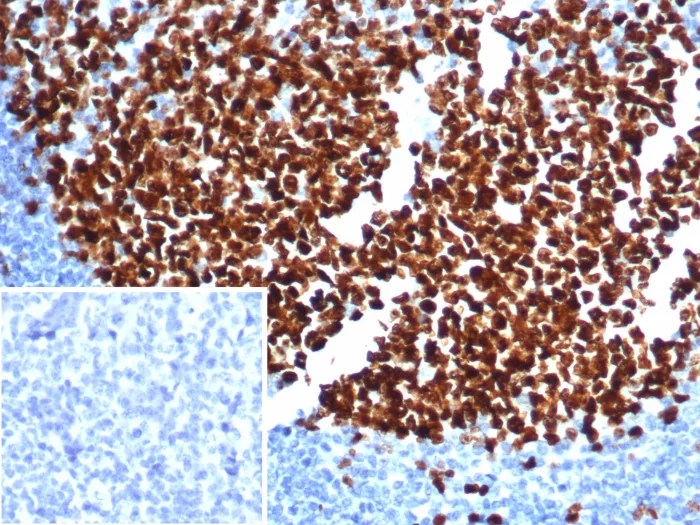
Ki 67 tumor marker test – The Ki-67 tumor marker test is a crucial tool in oncology, providing insights into a tumor’s growth and proliferation rate. This test measures the presence of the Ki-67 protein, which is heavily associated with cell division. By understanding the different types of Ki-67 tests, their clinical applications, and the factors influencing their results, we can better grasp the value of this test in diagnosing, staging, and treating various cancers.
From its historical development to potential future applications, this overview explores the intricate world of Ki-67.
The test’s methodology, whether immunohistochemistry or flow cytometry, plays a significant role in its accuracy. A deeper look at the advantages and disadvantages of each method, along with a comparison table, will illuminate the nuances of this diagnostic process. Clinical applications span across different cancers, influencing treatment plans and prognosis. The test’s interpretation requires careful consideration of tumor stage, grade, and other patient-specific factors.
This is further emphasized by a table showcasing typical Ki-67 expression levels across various cancers. The impact of treatment and patient demographics on Ki-67 results are also discussed.
Introduction to Ki-67 Tumor Marker Test
The Ki-67 protein is a crucial indicator of cell proliferation within the body. It’s a nuclear antigen, meaning it’s found within the cell’s nucleus, and its presence is directly linked to the cell cycle. Understanding its role in cell division is fundamental to comprehending its significance in oncology.The Ki-67 test plays a pivotal role in assessing tumor growth and proliferation.
A high Ki-67 index, reflecting a significant presence of the protein, typically suggests a more aggressive tumor behavior, rapid growth, and a higher potential for recurrence. Conversely, a low index often points to a less aggressive tumor. This information is critical for developing appropriate treatment strategies.
Ki-67 Protein and Cell Division
Ki-67 is a marker of cellular proliferation, meaning its presence is tightly associated with active cell division. It’s not present in quiescent cells, but becomes visible during the active phases of the cell cycle. The protein’s appearance and intensity correlate with the rate of cell division. Higher levels generally signify more rapid cell turnover.
The Ki-67 tumor marker test helps doctors understand how quickly cancer cells are growing. Knowing this growth rate is crucial for treatment planning. Sometimes, pain management strategies like using naltrexone for pain management, as explored in this article about naltrexone for pain management what can it treat , can be a factor in the overall approach to managing cancer-related pain.
Ultimately, the Ki-67 test provides vital information to tailor the best course of action for each individual case.
Significance of Ki-67 in Assessing Tumor Growth and Proliferation
The Ki-67 index, a percentage reflecting the proportion of cells expressing Ki-67, is a valuable tool in evaluating tumor aggressiveness. A high Ki-67 index, often exceeding 20-30%, is usually associated with more aggressive tumors, which tend to grow and spread faster than tumors with lower Ki-67 indices. This information helps oncologists tailor treatment plans, predict prognosis, and monitor treatment response.
For instance, a high Ki-67 index in a breast cancer patient might suggest a more aggressive subtype, necessitating a more intensive treatment regimen.
Methods of Performing the Ki-67 Test
Two primary methods are used for Ki-67 testing: immunohistochemistry (IHC) and flow cytometry. Both methods detect the presence of Ki-67 protein, but they differ in their approach and application.
Immunohistochemistry (IHC)
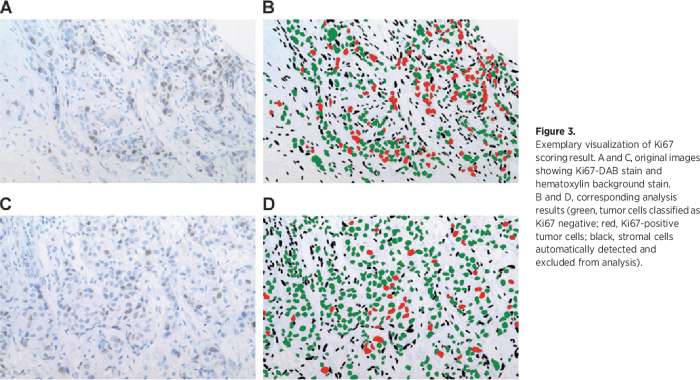
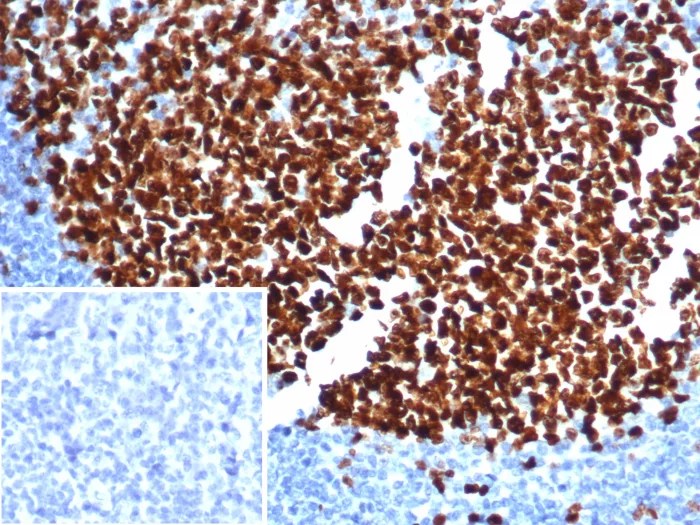
Immunohistochemistry is a widely used method for Ki-67 testing. It involves staining tissue samples with antibodies that specifically bind to the Ki-67 protein. The stained cells are then visualized under a microscope, and the percentage of Ki-67-positive cells is calculated, providing the Ki-67 index. This approach is often used for evaluating tumor biopsies and assessing the growth characteristics of the tumor.
Flow Cytometry
Flow cytometry is a more sophisticated method that analyzes cells individually. In this process, cells are stained with fluorescent antibodies against Ki-67. The cells are then passed through a laser beam, and the emitted fluorescence is measured. This allows for a precise quantification of Ki-67-positive cells, offering a more detailed picture of the tumor cell population. It’s often used in research settings and in specific clinical situations where a more precise assessment is needed.
Different Types of Ki-67 Tests
Different types of Ki-67 tests exist, each with its own strengths and weaknesses. Immunohistochemistry, a widely used technique, offers a relatively straightforward approach for assessing Ki-67 expression in tissue samples. Flow cytometry provides a more quantitative measure, offering a deeper understanding of the tumor cell population.
Comparison of Ki-67 Test Types
| Test Type | Methodology | Advantages | Disadvantages |
|---|---|---|---|
| Immunohistochemistry | Staining tissue samples with antibodies that bind to Ki-67, followed by microscopic analysis. | Relatively simple and cost-effective, widely accessible in clinical settings. | Can be subjective in assessing the staining intensity, potentially leading to variability in results. |
| Flow Cytometry | Analyzing cells individually, measuring the fluorescence emitted by Ki-67-stained cells. | Provides a more quantitative and precise measurement of Ki-67 expression, allowing for a more detailed analysis of the tumor cell population. | More complex and expensive, may not be readily available in all clinical settings. |
Historical Overview of the Ki-67 Test
The development of the Ki-67 test has significantly advanced cancer diagnosis and treatment. Initially used for research purposes, its clinical application has grown substantially over the years, allowing oncologists to gain a deeper understanding of tumor biology and tailor treatment strategies based on a more nuanced understanding of tumor characteristics.
Clinical Applications of Ki-67: Ki 67 Tumor Marker Test
The Ki-67 protein, a marker of cellular proliferation, plays a crucial role in the diagnosis, prognosis, and treatment of various cancers. Understanding its expression levels within a tumor provides valuable insights into the biological behavior of the disease. This knowledge is instrumental in tailoring treatment strategies and predicting patient outcomes.Ki-67’s significance stems from its association with the rate of cell division within a tumor.
Higher Ki-67 expression generally indicates a more rapidly dividing tumor, suggesting a higher likelihood of aggressive growth and potential for metastasis. This information, coupled with other clinical factors, is essential for making informed decisions about treatment and monitoring disease progression.
Diagnosing Cancers with Ki-67
Ki-67 immunohistochemistry is a powerful diagnostic tool, particularly when used in conjunction with other markers and clinical information. The presence and intensity of Ki-67 staining can help differentiate between various tumor types and subtypes. For example, in breast cancer, high Ki-67 expression is often associated with more aggressive subtypes, impacting treatment choices and prognosis.
The KI-67 tumor marker test helps doctors understand how quickly cancer cells are growing. While we’re on the topic of boosting your body’s natural processes, did you know that increasing serotonin levels naturally through diet and lifestyle changes, like exploring how to increase serotonin food pills natural tips , might indirectly impact overall health? Ultimately, understanding factors like cell growth rate is crucial for effective cancer treatment strategies and patient outcomes.
Determining Tumor Aggressiveness and Prognosis
A key application of Ki-67 is in assessing tumor aggressiveness. High Ki-67 levels are strongly correlated with a more aggressive tumor behavior. This means that tumors with higher Ki-67 expression tend to grow and spread more rapidly, impacting the patient’s prognosis. The rate of cell division, as measured by Ki-67, can help predict the likelihood of recurrence and overall survival.
Role of Ki-67 in Treatment Planning and Monitoring
Understanding Ki-67 expression levels is invaluable in tailoring treatment strategies. For instance, patients with high Ki-67 expression in their breast cancer might benefit from more aggressive treatment regimens, such as chemotherapy or radiation therapy, to effectively control the rapidly dividing cells. Furthermore, monitoring Ki-67 expression during treatment allows clinicians to assess the effectiveness of the therapy. A decrease in Ki-67 levels after treatment indicates a positive response and may influence the duration or type of ongoing therapy.
Specific Cancers Where Ki-67 is Frequently Used
Ki-67 is frequently employed in various cancers, including breast cancer, colorectal cancer, and lymphoma. Its use in these cancers provides valuable information about the aggressiveness of the tumor and aids in treatment decisions. The interpretation of Ki-67 results is often combined with other factors, such as tumor size, lymph node involvement, and patient’s overall health, to develop a comprehensive treatment plan.
Interpreting Ki-67 Results with Other Clinical Factors
Interpreting Ki-67 results in isolation is insufficient. Clinicians consider Ki-67 expression in conjunction with other clinical factors, including tumor stage, grade, and patient demographics, to provide a more comprehensive picture of the disease. This holistic approach allows for a more accurate assessment of tumor behavior and risk, leading to more appropriate treatment decisions.
Table of Typical Ki-67 Expression Levels in Different Cancers
| Cancer Type | Typical Ki-67 Expression (%) | Clinical Significance |
|---|---|---|
| Breast Cancer | 10-30% (low), 30-80% (intermediate), >80% (high) | Higher Ki-67 correlates with more aggressive subtypes, influencing treatment choices and prognosis. |
| Colorectal Cancer | 5-20% (low), 20-50% (intermediate), >50% (high) | Higher Ki-67 levels suggest a more aggressive tumor behavior, impacting treatment strategies and prognosis. |
| Lymphoma | Varying, depending on the subtype. | Ki-67 expression aids in classifying lymphoma subtypes and assessing treatment response. |
| Lung Cancer | 5-20% (low), 20-50% (intermediate), >50% (high) | Higher Ki-67 levels are often associated with more aggressive lung cancers, impacting treatment options and prognosis. |
Factors Affecting Ki-67 Results
The Ki-67 proliferation index is a valuable tool in assessing tumor aggressiveness and predicting patient outcomes. However, several factors can influence the results of Ki-67 testing, making it crucial to understand these nuances for accurate interpretation. These factors can significantly impact the reliability and clinical significance of the Ki-67 measurement.
Tumor Stage and Grade
Tumor stage and grade are major determinants of Ki-67 expression. Generally, higher tumor stages and grades correlate with higher Ki-67 indices. This reflects the increased rate of cell proliferation in more advanced and aggressive tumors. For example, a high-grade, advanced-stage breast cancer is likely to exhibit a significantly elevated Ki-67 index compared to a low-grade, early-stage tumor.
This relationship is important for risk stratification and treatment planning.
The Ki-67 tumor marker test helps doctors understand how quickly cancer cells are growing. Knowing this growth rate is crucial for treatment decisions, but it doesn’t tell you everything about the best course of action. For example, if you’re considering hip replacement surgery, understanding what type of hip replacement implant is best for your specific needs is equally important.
Ultimately, the Ki-67 test helps guide the best cancer treatment plan, whether that involves surgery or other options.
Treatment Impact
The effect of treatment on Ki-67 expression is complex and context-dependent. Some treatments, such as chemotherapy, may temporarily reduce Ki-67 expression by inhibiting cell proliferation. Conversely, other treatments, such as targeted therapies, may induce a response by targeting specific cellular processes, which can sometimes lead to a complex interaction with Ki-67 expression. Furthermore, the duration and intensity of treatment play a crucial role in the observed changes.
Post-treatment Ki-67 measurements can help assess treatment efficacy and guide further therapeutic decisions.
Patient Demographics and Other Relevant Factors
Patient demographics, including age, gender, and ethnicity, can potentially influence Ki-67 expression, although this is less frequently a primary factor. Other relevant factors such as the specific type of cancer and the presence of other co-morbidities can also play a role. The role of these factors needs to be considered in the context of the specific tumor type and clinical scenario.
For instance, certain cancers might exhibit different Ki-67 expression patterns across different demographic groups.
Standardization in Ki-67 Testing
Standardization in Ki-67 testing is essential for reliable and comparable results across different laboratories and studies. This involves adherence to standardized protocols, including the use of specific antibodies, staining techniques, and image analysis methods. Variations in these procedures can significantly affect Ki-67 measurements, leading to inconsistencies and potentially misleading conclusions. The lack of standardization can limit the generalizability and comparability of research findings.
Table of Potential Confounding Factors
| Factor | Effect on Ki-67 | Explanation |
|---|---|---|
| Tumor Stage | Higher stage, higher Ki-67 | More advanced tumors typically exhibit increased cell proliferation. |
| Tumor Grade | Higher grade, higher Ki-67 | Higher grade tumors are more aggressive and proliferate faster. |
| Treatment | Potentially reduced or increased Ki-67 | Chemotherapy can temporarily reduce proliferation, while some treatments may have complex interactions. |
| Patient Age | Potentially variable effect | Age can potentially influence Ki-67 expression, but the specific impact depends on the tumor type. |
| Patient Gender | Potentially variable effect | Gender may potentially influence Ki-67 expression, but the specific impact depends on the tumor type. |
| Standardization Issues | Inconsistent results | Variability in staining techniques and analysis methods can lead to significant discrepancies. |
Limitations and Considerations of Ki-67 Testing
The Ki-67 proliferation marker is a valuable tool in oncology, providing insights into tumor growth and aggressiveness. However, its application isn’t without limitations. Understanding these limitations is crucial for accurate interpretation and effective clinical decision-making. Careful consideration of these factors ensures that Ki-67 results are properly contextualized within the overall patient picture.
Limitations in Different Cancer Types
Ki-67’s effectiveness varies across different cancer types. For instance, its predictive value in some solid tumors, like certain types of breast cancer, is better established than in others. The correlation between Ki-67 expression and clinical outcomes isn’t consistent across all malignancies. This variability underscores the importance of considering the specific cancer type when interpreting Ki-67 results. A high Ki-67 index in one cancer type might not necessarily signify the same aggressive behavior as in another.
Potential Sources of Error in Ki-67 Measurements
Several factors can introduce variability in Ki-67 measurements, potentially leading to inaccurate results. Differences in tissue processing techniques, the specific antibodies used in the assay, and the observer’s experience can all affect the final Ki-67 index. Inter-observer variability is a significant concern, as different pathologists may interpret the same tissue sample differently. Furthermore, the presence of necrosis or other cellular artifacts within the tumor sample can also skew the results.
These technical variations necessitate careful standardization and quality control procedures during testing.
Importance of Interpreting Ki-67 Results Within the Broader Clinical Context
The Ki-67 index alone is insufficient for making definitive treatment decisions. Clinicians must consider other factors, such as the patient’s age, overall health, tumor stage, and other relevant biomarkers. A high Ki-67 index might not always necessitate aggressive treatment if the tumor is localized and the patient is otherwise healthy. Conversely, a low Ki-67 index doesn’t automatically translate to a benign prognosis.
The complete clinical picture, including the results of other diagnostic tests, is essential for a comprehensive assessment.
Comparison of Different Ki-67 Testing Methods
Various methods exist for Ki-67 testing, each with its own strengths and weaknesses. Immunohistochemistry (IHC) is a common method, offering a relatively straightforward approach. Flow cytometry, while more complex, provides a more precise measurement of Ki-67 expression within a cell population. The accuracy and precision of different methods can differ, and the choice of method might influence the interpretation of the results.
The selection of a suitable method should be guided by the specific clinical need and available resources.
Need for Additional Biomarkers in Conjunction with Ki-67
Ki-67, while valuable, doesn’t encompass the entire picture of tumor biology. Combining Ki-67 with other biomarkers, such as HER2, ER, PR, or specific genomic alterations, can provide a more comprehensive understanding of the tumor’s characteristics. This multi-parametric approach allows for a more nuanced assessment of tumor behavior and potentially improves the accuracy of risk stratification. The addition of other biomarkers can significantly enhance the predictive value of Ki-67 testing.
Important Caveats and Considerations When Using Ki-67 Results
There are several caveats to keep in mind when interpreting Ki-67 results:
- The Ki-67 index is a snapshot in time and doesn’t reflect the dynamic nature of tumor growth. Tumor behavior can change over time, and Ki-67 measurements taken at different stages of the disease may vary significantly.
- The correlation between Ki-67 expression and treatment response is not always predictable. A high Ki-67 index might not guarantee a positive response to a specific therapy, and factors beyond the Ki-67 index, such as the tumor’s genetic profile, can influence treatment outcomes.
- Standardization of Ki-67 testing procedures is crucial to ensure reliable and consistent results across different laboratories. Differences in methodology can affect the accuracy and comparability of results.
- The Ki-67 index should be interpreted within the context of the specific patient’s characteristics and the characteristics of the tumor. It’s important to consider the complete clinical picture, not just the Ki-67 index alone.
Future Directions of Ki-67 Research
The Ki-67 protein, a marker of cellular proliferation, continues to be a crucial target for cancer research. Understanding its role in tumor development and progression is vital for refining diagnostic and therapeutic strategies. Ongoing research efforts aim to leverage Ki-67’s potential beyond its current applications, paving the way for more personalized and effective cancer treatments.The future of Ki-67 research lies in expanding its use as a predictive biomarker, developing novel diagnostic tools, and integrating it into personalized medicine approaches.
This evolution promises to enhance our ability to understand and manage cancer more effectively.
Predictive Biomarker Potential
Ki-67’s association with tumor growth rate and aggressiveness suggests its potential as a predictive biomarker for treatment response. Researchers are investigating how Ki-67 expression levels correlate with the success of different therapies. For instance, studies are exploring whether high Ki-67 expression in a specific cancer type predicts a poor response to targeted therapies. This understanding would enable clinicians to tailor treatment plans based on individual patient profiles, optimizing outcomes and reducing unnecessary side effects.
Novel Diagnostic Tools
The development of novel diagnostic tools based on Ki-67 is another promising area of research. Researchers are exploring methods to quantify Ki-67 expression with greater precision and accuracy. One approach involves developing more sensitive and specific immunohistochemical assays, allowing for more reliable assessment of Ki-67 levels in tumor biopsies. Another direction involves integrating Ki-67 analysis with other molecular markers, such as gene expression profiles, to create a more comprehensive diagnostic picture.
This approach aims to identify subtle variations in Ki-67 expression patterns that might indicate different disease stages or responses to treatment.
Personalized Medicine Applications
Integrating Ki-67 into personalized medicine strategies is another significant future direction. By analyzing Ki-67 expression in combination with other factors, such as genetic mutations and patient demographics, clinicians can create individualized treatment plans. For example, a patient with a high Ki-67 expressing tumor might benefit from a more aggressive treatment approach, whereas a patient with a low Ki-67 expressing tumor could potentially be treated with less intensive therapies.
This approach aims to improve treatment efficacy and reduce the risk of adverse effects by tailoring interventions to the specific characteristics of each individual tumor.
Emerging Research Areas and Clinical Implications, Ki 67 tumor marker test
Emerging research areas include exploring the role of Ki-67 in different cancer types, such as those affecting the lung, breast, or prostate. Furthermore, studies are investigating the potential of Ki-67 as a biomarker for early detection and disease monitoring. These efforts hold the promise of improving cancer outcomes by enabling earlier interventions and more accurate disease monitoring. The clinical implications of these findings include more accurate diagnosis, tailored therapies, and improved patient outcomes.
Importance of Continued Research and Development
Continued research and development in Ki-67 testing are essential for improving our understanding of cancer biology and for developing more effective therapies. The results of these ongoing studies have the potential to transform cancer care, leading to more personalized treatments and improved patient outcomes. This ongoing effort necessitates collaboration among researchers, clinicians, and patients to accelerate progress and ensure that the latest discoveries are translated into tangible benefits for those affected by cancer.
Final Wrap-Up
In conclusion, the Ki-67 tumor marker test provides valuable information about a tumor’s characteristics. While it has limitations and potential sources of error, its significance in oncology remains undeniable. The test’s accuracy and precision vary depending on the method used, and the results should always be interpreted within the broader clinical context, considering factors like tumor stage, grade, and treatment history.
Future research promises to further refine the application of Ki-67, paving the way for more personalized medicine approaches. Continued research and development in this field are crucial for maximizing the benefits of this valuable diagnostic tool.