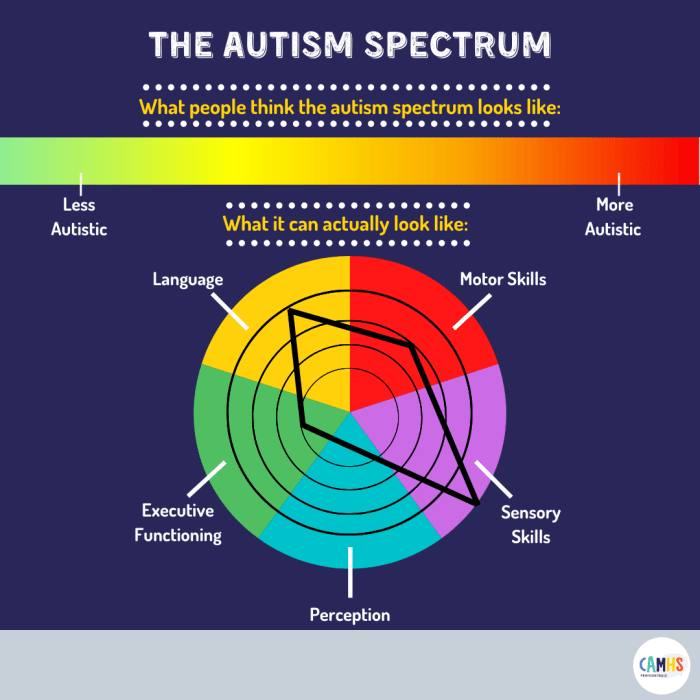
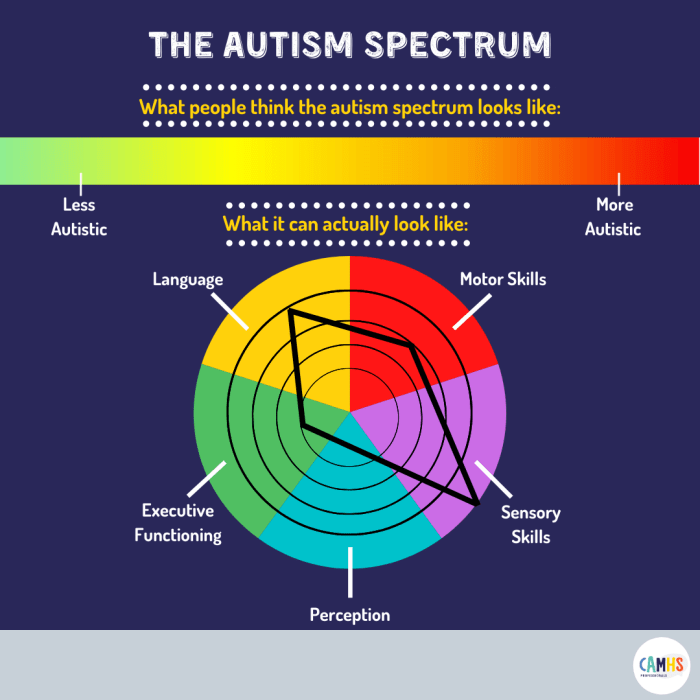
What is the broad autism phenotype? This fascinating concept explores traits associated with autism spectrum disorder (ASD) that may appear in individuals who don’t meet the full diagnostic criteria for ASD. It’s a complex area of study, examining everything from the historical development of the idea to the potential genetic and environmental factors that contribute to its expression.
Understanding the broad autism phenotype offers valuable insights into the spectrum of autism and its diverse presentation.
The broad autism phenotype (BAP) is a collection of traits often observed in relatives of individuals with autism spectrum disorder (ASD) who do not themselves meet the diagnostic criteria for ASD. These traits frequently include social difficulties, communication challenges, and repetitive behaviors, but the severity and presentation can vary greatly. This exploration will delve into the key characteristics, prevalence, and impact of BAP, offering a comprehensive overview for those interested in learning more about this complex area.
Defining the Broad Autism Phenotype
The broad autism phenotype (BAP) is a fascinating concept in autism research. It suggests that traits associated with autism spectrum disorder (ASD) can be present in individuals who do not meet the full diagnostic criteria for ASD. These traits often appear in relatives of individuals with ASD, highlighting a potential genetic link. This concept helps broaden our understanding of autism beyond the strict diagnostic criteria, recognizing a spectrum of autistic traits.
Historical Context of the BAP
The concept of the broad autism phenotype emerged from observations of familial patterns in autism. Researchers noticed that relatives of individuals with ASD frequently exhibited certain behavioral and cognitive characteristics that resembled, but didn’t fully match, the diagnostic criteria. This led to the development of the BAP framework to capture these subtle but potentially significant variations. The work of Lorna Wing, a pioneering figure in autism research, was instrumental in establishing the groundwork for recognizing the BAP.
Criteria for Identifying BAP Traits
Identifying individuals with potential BAP traits requires careful consideration of various factors. These criteria are not a definitive diagnostic tool, but rather a set of indicators that suggest a possible connection to the broader spectrum of autistic traits. Assessment typically involves gathering information from multiple sources, including interviews with the individual and their family members. A thorough evaluation is essential to distinguish genuine BAP traits from other conditions or personality variations.
Key Characteristics of the Broad Autism Phenotype
| Characteristic | Description | Example | Supporting Evidence |
|---|---|---|---|
| Social Difficulties | Individuals with BAP may exhibit difficulties with social interaction, communication, and understanding social cues. They may appear aloof or awkward in social situations, struggle with nonverbal communication, and have trouble interpreting social nuances. | A cousin of someone with ASD might have trouble initiating conversations, prefer solitary activities, and have difficulty understanding subtle social cues like body language. | Studies have consistently shown a higher prevalence of social difficulties in relatives of individuals with ASD compared to the general population. |
| Repetitive Behaviors | Some individuals with BAP might display repetitive or ritualistic behaviors, routines, or interests. These behaviors may be less intense or pervasive than those seen in individuals with ASD. | A sibling with ASD’s sister might have a strong preference for a very specific order in arranging objects in their room or a very particular route to take when walking. | Research suggests a correlation between repetitive behaviors and genetic predisposition to autism-related traits. |
| Sensory Sensitivities | Individuals with BAP may demonstrate heightened or reduced responses to sensory input, such as light, sound, or touch. These sensitivities can manifest in various ways, from discomfort to avoidance or seeking out intense sensory experiences. | A child whose sibling has ASD might have an intense dislike of certain textures or sounds, or might enjoy sensory activities like spinning or rocking. | Numerous studies have shown a connection between sensory processing differences and the broader autism spectrum. |
| Cognitive Strengths and Weaknesses | Individuals with BAP might exhibit a range of cognitive strengths and weaknesses. Some might excel in specific areas like visual-spatial reasoning or memory, while others might experience challenges in areas like executive function or social cognition. | A parent of a child with ASD might have exceptional memory or a knack for detail, but struggle with multitasking or adapting to changing environments. | Research suggests variations in cognitive profiles within families with a history of autism. |
Identifying Traits Associated with BAP: What Is The Broad Autism Phenotype
The Broad Autism Phenotype (BAP) encompasses a range of traits that may cluster in individuals who don’t meet the full diagnostic criteria for Autism Spectrum Disorder (ASD). Understanding these traits is crucial for early identification and support, particularly for those at risk of developing ASD or experiencing related difficulties. These traits often manifest differently in various individuals, showcasing the complexity and variability inherent in the BAP.Identifying the common traits associated with BAP is important for early detection and intervention.
The broad autism phenotype encompasses a range of traits often seen in individuals who don’t meet the full diagnostic criteria for autism spectrum disorder. These traits can include social awkwardness, repetitive behaviors, and sensory sensitivities. Understanding these subtle characteristics can be crucial, as they can sometimes be associated with fatigue, and, in fact, many individuals with these traits might find that fatigue symptoms causes diagnosis and treatment is a significant challenge.
Ultimately, the broad autism phenotype highlights the spectrum of autistic traits and how they can manifest in various ways.
Recognizing these traits, even in the absence of a formal diagnosis, can help individuals and families access the necessary support and resources. The range of severity and expression of BAP traits is a significant factor in its identification and understanding. This variability can lead to difficulties in diagnosis and management, as individuals may present with a spectrum of symptoms that vary in intensity and presentation.
The broad autism phenotype describes a collection of traits that might be present in people who don’t have a full diagnosis of autism spectrum disorder. It’s fascinating how these traits can manifest in various ways, from social challenges to sensory sensitivities. Interestingly, while exploring the statistics of health risks related to lifestyle choices, I stumbled upon this fascinating statistic on the link to lung cancer risk in smokers: what percentage of smokers get lung cancer.
This highlights the complex interplay of genetic and environmental factors that contribute to health outcomes, just as the broad autism phenotype shows a similar multifaceted nature.
Common Traits Associated with BAP
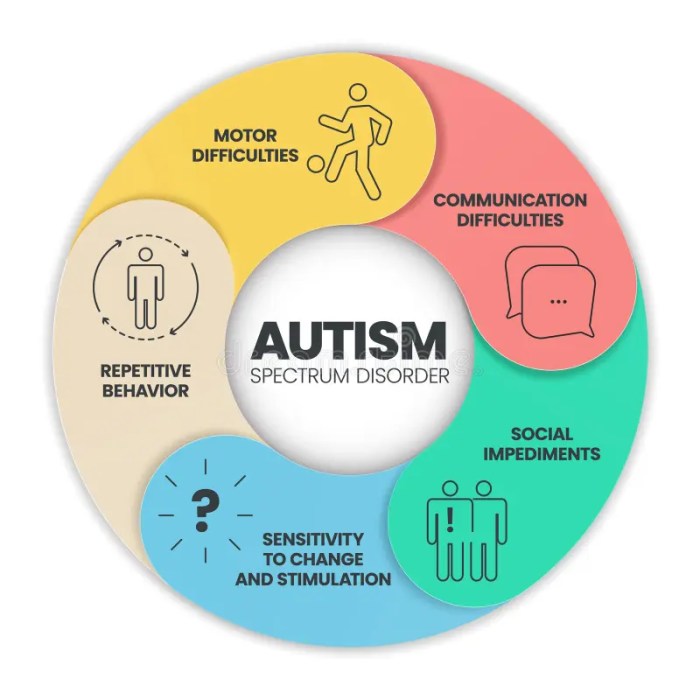
Several traits are commonly observed in individuals with a BAP. These traits frequently overlap with those seen in individuals with ASD, but they may also present in varying degrees of severity. For example, some individuals might exhibit subtle social difficulties, while others might experience significant challenges in social interactions.
- Social Difficulties: Difficulties in social interactions, communication, and understanding social cues are common. This can include challenges in nonverbal communication, such as body language or facial expressions. Some individuals might struggle to maintain eye contact, initiate conversations, or understand social norms. Examples of social difficulties might include difficulty interpreting subtle social cues, problems with conversation flow, and awkward or inappropriate social behaviors.
- Sensory Sensitivities: Unusual sensitivities to sensory input are often observed. This can involve hypersensitivity or hyposensitivity to sounds, lights, textures, or smells. These sensitivities can manifest in a range of ways, from mild discomfort to significant distress, affecting daily functioning and social interactions. Individuals may exhibit an avoidance of specific sensory experiences or seek out intense sensory stimulation.
For instance, loud noises might be exceptionally bothersome, or particular textures might be deeply unpleasant.
- Repetitive Behaviors: Repetitive or restricted patterns of behavior can be observed, though not as rigidly as in ASD. These behaviors can range from simple hand movements or rituals to more complex routines. The range and intensity of these behaviors are highly variable across individuals. For example, an individual might exhibit repetitive hand flapping or a need for particular arrangements in their surroundings.
The broad autism phenotype encompasses a range of traits that can be observed in individuals who don’t meet the full diagnostic criteria for autism spectrum disorder. These traits can manifest in various ways, from social difficulties to repetitive behaviors. Interestingly, some studies suggest potential links between certain aspects of the broad autism phenotype and the effectiveness of obesity medications like lillydirect obesity medication zepbound , though more research is needed to fully understand these correlations.
Ultimately, understanding the broad autism phenotype is a complex undertaking, involving multiple factors and ongoing investigation.
- Executive Functioning Challenges: Difficulties with executive functions, such as planning, organization, and problem-solving, are also frequently observed in individuals with BAP. These challenges can affect various aspects of daily life, from managing tasks to navigating complex situations. Examples include difficulties in prioritizing tasks, planning ahead, or adapting to changes in routine.
Range of Severity and Expression
The severity and expression of BAP traits vary considerably. Some individuals may exhibit only mild difficulties, while others may experience significant challenges impacting their daily lives. The manifestation of these traits can also vary across different developmental stages. This wide range of expression underscores the importance of a comprehensive assessment approach to identify and address the specific needs of each individual.
Early intervention strategies can help mitigate the impact of these traits on an individual’s overall well-being and development.
Comparison of BAP and ASD Traits
While the traits associated with BAP overlap significantly with those of ASD, there are important distinctions. Individuals with BAP may not meet the full diagnostic criteria for ASD, but they still experience significant challenges in social interaction, communication, or behavior.
| Trait | BAP Description | ASD Description | Supporting Evidence |
|---|---|---|---|
| Social Communication | Difficulties in social interaction and communication, often subtle but impacting daily life. | Significant impairments in social communication and interaction, evident in various social contexts. | Research suggests that individuals with BAP may exhibit milder but persistent difficulties in social interaction compared to those with ASD. |
| Repetitive Behaviors | Repetitive or restricted patterns of behavior, but not as rigid or pervasive as in ASD. | Repetitive behaviors and restricted interests are central to the diagnosis of ASD. | Studies show that individuals with BAP may engage in repetitive behaviors, but these are less frequent and less intense than in ASD. |
| Sensory Sensitivities | Unusual sensitivities to sensory input, potentially impacting daily life. | Sensory sensitivities are a common feature of ASD, varying in intensity and type. | Research indicates that sensory sensitivities can be present in individuals with BAP, although not always to the same degree as in ASD. |
| Executive Functioning | Difficulties with executive functions, impacting task management and organization. | Executive function challenges can be present in ASD, affecting various aspects of daily functioning. | Research suggests that individuals with BAP may exhibit executive functioning deficits, but not to the same extent as those with ASD. |
Prevalence and Impact of BAP
The broad autism phenotype (BAP) represents a spectrum of traits that are associated with autism spectrum disorder (ASD), but do not meet the full diagnostic criteria. Understanding the prevalence and impact of these traits is crucial for recognizing and supporting individuals who experience them. These traits often manifest in subtle ways, sometimes overlapping with other conditions, which can make diagnosis and intervention challenging.
Prevalence Statistics
The precise prevalence of BAP in the general population is not definitively established. Studies on BAP prevalence are often hampered by the challenges of accurately identifying and diagnosing individuals with the phenotype. Variability in the specific traits assessed and the diagnostic criteria employed across studies contributes to inconsistencies in reported prevalence rates. While precise figures remain elusive, it is evident that individuals with these traits exist within the general population, with varying degrees of expression.
Some research suggests that BAP may be more prevalent in relatives of individuals with ASD, indicating a possible genetic link.
Impact on Individuals’ Lives
The impact of BAP on individuals’ lives varies significantly, depending on the specific traits expressed and the degree of severity. Some individuals with BAP experience only minor difficulties in certain areas of life, while others face substantial challenges that significantly affect their overall well-being and functioning. The impact is often felt across various life domains, including social interactions, educational attainment, and career prospects.
Family dynamics can also be significantly affected, requiring adaptation and support.
Challenges in Different Life Domains
Individuals with BAP often encounter specific challenges across various life domains. These difficulties can range from subtle social awkwardness to more pronounced communication impairments, sensory sensitivities, or repetitive behaviors. Difficulties in social interactions, for example, can lead to feelings of isolation and exclusion, potentially affecting self-esteem and overall well-being. Similarly, educational challenges may arise from difficulties with processing information, focusing on tasks, or interacting with peers.
The challenges faced can be particularly complex in the occupational realm, requiring adjustments and accommodations to succeed in a typically structured environment.
Table: Impact of BAP on Life Aspects
| Domain | Potential Challenges | Coping Strategies |
|---|---|---|
| Social | Difficulty understanding social cues, maintaining conversations, navigating social situations, forming close relationships, potential for social isolation. | Social skills training, support groups, building strong support networks, seeking professional guidance to develop strategies for social interaction, utilizing communication aids. |
| Educational | Difficulties with attention, organization, processing information, social interaction in classroom settings, potential for learning disabilities. | Individualized education plans (IEPs), accommodations in the classroom (e.g., preferential seating, reduced distractions), specialized tutoring, support from school counselors, development of coping mechanisms for academic challenges. |
| Occupational | Difficulty with job tasks that require complex social interactions, attention to detail, or adhering to rigid schedules, potential for discrimination in the workplace, challenges with maintaining employment. | Vocational training programs, job coaching, assistive technology, creating a supportive work environment, clear job descriptions, and support networks, and adjustments for sensory sensitivities or other challenges. |
| Family | Strain on family resources, difficulties in understanding and supporting family members, additional care demands, and adjustments to family dynamics. | Family therapy, support groups for families, education about BAP, clear communication within the family, and collaboration with professionals to address specific challenges. |
Genetic and Environmental Factors
The broad autism phenotype (BAP) isn’t a simple matter of either genetics or environment. Instead, it’s a complex interplay where both factors play crucial roles in shaping the expression of associated traits. Understanding the interplay of these influences is key to comprehending the variability seen in individuals with BAP. While genetic predisposition certainly sets the stage, environmental factors can significantly influence how those predispositions manifest.
Potential Genetic Factors
Genetic factors likely play a substantial role in the predisposition to BAP. Research suggests a strong genetic component, indicating that certain genes may increase the risk of developing traits associated with BAP. This isn’t a single gene, but rather a combination of genes, and likely variations in many genes. For instance, studies have identified potential links between genes related to brain development and synaptic function and the development of BAP traits.
The precise nature of these genetic contributions is still being investigated, and it’s probable that multiple genes interact in complex ways.
Environmental Factors Influencing BAP Expression
Environmental factors can significantly influence the expression of BAP traits. Prenatal exposures, such as infections or toxins, can potentially contribute to the development of traits. Postnatal experiences, including early childhood experiences and social interactions, can also affect the expression of BAP. For example, a child with a genetic predisposition to social difficulties might develop more pronounced traits if they face social isolation or difficulties in early childhood development.
Relative Influence of Genetic and Environmental Factors, What is the broad autism phenotype
The influence of genetic and environmental factors on BAP development is likely complex and intertwined. Genetic factors establish a predisposition, while environmental factors modulate the expression of those predispositions. This interaction is often described as a “nature versus nurture” debate, but a more accurate perspective acknowledges that these factors work together. It’s not a simple case of one being more important than the other.
Instead, it’s a dynamic interaction where both genetics and environment contribute to the overall picture. Think of it like a seed (genetics) needing the right soil and water (environment) to grow.
Visual Representation of the Interplay
Illustrating the complex interplay of genetic and environmental factors in the development of BAP traits requires a model that goes beyond a simple “either/or” scenario. A flowchart might better capture the dynamic interaction.
Imagine a flowchart starting with a genetic predisposition (e.g., a specific gene variant). Branching off from this initial predisposition are several potential environmental factors, including prenatal exposures, early childhood experiences, and social interactions. Each environmental factor can influence the severity or manifestation of BAP traits, creating different outcomes.
The flowchart would show how different combinations of genetic predispositions and environmental factors can lead to varying degrees of BAP expression. For example, an individual with a strong genetic predisposition might still exhibit only mild traits if they experience supportive and stimulating environments. Conversely, someone with a weaker genetic predisposition might develop more pronounced BAP traits if exposed to challenging or stressful environments.
Ultimately, the flowchart would emphasize the dynamic and multifaceted nature of BAP development, acknowledging that the expression of BAP traits is shaped by both genetic and environmental influences in a complex interaction.
Diagnosis and Assessment
Pinpointing the broad autism phenotype (BAP) is a complex endeavor, as it doesn’t manifest as a single, easily identifiable condition. Unlike autism spectrum disorder (ASD), where specific diagnostic criteria exist, assessing BAP relies on identifying a collection of subtle traits that might point to a shared underlying predisposition. This nuanced approach necessitates careful consideration of individual variations and a thorough understanding of the potential contributing factors.Evaluating individuals for possible BAP traits demands a multifaceted strategy that goes beyond a singular assessment.
It necessitates considering the person’s history, behavioral patterns, social interactions, and cognitive abilities. This holistic approach aims to identify a constellation of traits that suggest a shared underlying vulnerability, rather than fulfilling strict diagnostic criteria. The emphasis is on recognizing the presence of these traits and understanding their potential impact on the individual’s life, rather than making a definitive diagnosis of BAP itself.
Methods for Diagnosing BAP
Identifying BAP relies on a careful and comprehensive evaluation, as there is no standardized test or checklist. The process involves gathering detailed information from multiple sources, including the individual, family members, and professionals familiar with their history and development. Crucially, the focus is on identifying a pattern of subtle difficulties, rather than a singular symptom.
Tools and Assessments Used
Various tools and assessments are utilized in evaluating individuals for potential BAP traits. These assessments aim to gauge the presence and severity of the various characteristics associated with BAP. A significant aspect of this evaluation is the use of standardized questionnaires and interviews that address social interaction, communication, sensory sensitivities, repetitive behaviors, and executive function deficits. Observations in different environments, including school, home, and social settings, are also critical.
These observations can reveal subtle nuances in behavior that might be missed in a purely questionnaire-based assessment.
Importance of a Multidisciplinary Approach
A multidisciplinary approach is essential for accurately assessing potential BAP traits. This involves collaboration between professionals with diverse expertise, such as psychologists, psychiatrists, educators, and occupational therapists. Each professional brings a unique perspective and set of tools to the evaluation, contributing to a comprehensive understanding of the individual’s strengths and challenges. The combined insights allow for a more nuanced and accurate assessment, taking into account the wide range of potential factors contributing to the observed traits.
Summary of Assessment Methods
| Method | Description | Advantages | Disadvantages |
|---|---|---|---|
| Structured Interviews | Semi-structured or standardized interviews designed to elicit detailed information about the individual’s history, behaviors, and experiences. | Provides in-depth information, allows for clarification, and facilitates probing into specific areas. | Can be time-consuming, requires skilled interviewers, and may not always capture subtle nuances. |
| Behavioral Observations | Direct observation of the individual in various settings (home, school, social situations) to assess their behavior and interactions. | Provides a real-time understanding of the individual’s actions and reactions, revealing subtle behaviors. | Can be influenced by the observer’s presence, requires significant time commitment, and may be subjective. |
| Standardized Questionnaires | Pre-designed questionnaires that assess specific traits associated with BAP, such as social interaction, communication, and sensory sensitivities. | Efficient way to gather data on a range of traits, standardized scoring allows for comparisons. | May not capture the full complexity of the individual’s experience, and questions may not be sensitive enough to nuanced traits. |
| Developmental History Review | Review of the individual’s developmental milestones, medical history, and any relevant family history to identify potential patterns. | Provides context for understanding current behaviors, and identifies potential risk factors. | Requires access to comprehensive records and may be limited by incomplete or unavailable information. |
Management and Support Strategies
Navigating the complexities of the broad autism phenotype (BAP) requires tailored strategies for both individuals experiencing BAP traits and their families. Effective management hinges on understanding the unique challenges and strengths presented by the diverse spectrum of BAP expressions. By implementing supportive interventions and fostering a network of resources, the impact of BAP traits can be significantly mitigated.The spectrum of BAP expressions necessitates individualized approaches to management.
While some individuals may experience only mild challenges, others may face significant difficulties impacting their daily lives. Successful management often involves a combination of strategies, encompassing behavioral interventions, educational support, and social skills training, tailored to the specific needs of each individual.
Strategies for Managing Challenges
Effective management strategies for individuals with BAP often center on recognizing and addressing the specific challenges associated with the phenotype. This includes fostering communication skills, promoting social interaction, and establishing routines to provide a sense of predictability and security. Consistent structure and clear expectations are vital for managing potential anxieties and behavioral difficulties.
- Structured Environments: Creating structured environments, both at home and in school, can significantly reduce anxiety and improve focus. This involves establishing clear routines, visual schedules, and predictable transitions. Visual aids, such as picture schedules or social stories, can further enhance understanding and reduce uncertainty. For example, a child with BAP might benefit from a visual schedule depicting their morning routine, including time for breakfast, getting dressed, and going to school.
- Social Skills Training: Tailored social skills training can equip individuals with BAP with the tools to navigate social interactions more effectively. This may involve role-playing scenarios, practicing communication skills, and learning appropriate social cues. For example, a group activity could involve teaching conversational turn-taking or recognizing nonverbal cues like facial expressions.
- Sensory Regulation Strategies: Many individuals with BAP experience heightened or diminished sensory sensitivities. Implementing sensory regulation strategies can help manage these sensitivities. This might involve providing sensory-friendly spaces, using calming sensory tools, or incorporating sensory breaks into routines. Examples include weighted blankets for calming, or designated quiet spaces for relaxation.
Support Systems for Individuals and Families
Strong support systems are crucial for both individuals with BAP and their families. These systems should include access to mental health professionals, educational specialists, and peer support groups. Family support is essential, empowering caregivers with knowledge, coping strategies, and resources.
- Professional Support: Professionals like therapists, psychiatrists, and educational psychologists can provide valuable support and guidance in addressing the specific needs of individuals with BAP. This may involve developing individualized treatment plans, providing behavioral interventions, and offering support to families.
- Peer Support Groups: Peer support groups provide a crucial opportunity for individuals with BAP and their families to connect with others facing similar challenges. Sharing experiences and coping strategies can foster a sense of community and reduce feelings of isolation.
- Educational Support: Educational interventions, tailored to the specific learning styles and needs of individuals with BAP, can significantly enhance academic success. This may involve adapting teaching methods, providing specialized tutoring, or offering accommodations within the educational setting.
Role of Interventions
Interventions play a vital role in mitigating the impact of BAP traits. Early intervention strategies are particularly important in fostering positive developmental outcomes. Interventions should be individualized, focusing on specific strengths and challenges, and should involve ongoing monitoring and adjustments.
- Early Intervention: Early interventions, implemented during childhood, can significantly improve long-term outcomes for individuals with BAP. These interventions often focus on developing communication, social, and emotional skills, while also providing support for parents and caregivers.
- Individualized Approaches: Interventions should be individualized to cater to the specific needs and preferences of each individual. This approach acknowledges the diversity within the BAP spectrum, ensuring that interventions are relevant and effective.
- Collaboration: Collaboration among professionals, educators, and families is essential for the success of interventions. This collaborative approach ensures a holistic understanding of the individual’s needs and facilitates a consistent support system.
Step-by-Step Guide for Implementing Support Strategies
Implementing support strategies requires a structured approach. This step-by-step guide provides a framework for supporting individuals with BAP.
| Step | Description | Rationale |
|---|---|---|
| 1 | Assess individual needs and strengths. | Understanding the specific challenges and strengths of the individual is crucial for developing effective strategies. |
| 2 | Develop individualized support plan. | A personalized plan ensures that interventions are tailored to the individual’s needs. |
| 3 | Implement support strategies consistently. | Consistency in implementing strategies is essential for positive outcomes. |
| 4 | Monitor progress and adjust strategies as needed. | Regular monitoring allows for adjustments to ensure interventions remain effective. |
| 5 | Foster a supportive network. | A strong network of support provides encouragement and resources. |
Current Research and Future Directions
Unraveling the complexities of the broad autism phenotype (BAP) continues to be a significant focus of research. Recent studies are providing valuable insights into the characteristics, prevalence, and underlying mechanisms associated with BAP. These findings are crucial for developing more effective diagnostic tools and interventions for individuals exhibiting BAP traits. Understanding the potential genetic and environmental factors contributing to BAP is also a key aspect of this ongoing exploration.
Latest Research Findings on BAP
Current research consistently highlights the diverse range of traits associated with BAP. Studies are exploring the subtle manifestations of these traits, including social interaction difficulties, repetitive behaviors, and sensory sensitivities. Researchers are also investigating how these traits may vary across different developmental stages and across genders. Furthermore, these studies are aiming to differentiate BAP from other conditions with overlapping characteristics.
This refinement in diagnostic criteria is critical for accurate identification and support.
Emerging Areas of Research Related to BAP
Emerging research areas are focused on the intricate interplay between genetics and environment in shaping BAP. Investigating gene-environment interactions is crucial for understanding how environmental factors might modify genetic predispositions to BAP. For instance, early childhood experiences, such as exposure to specific environmental toxins, may play a role in the development of BAP traits. Another important focus is the investigation of neurobiological mechanisms underlying BAP.
This involves studying brain structure and function in individuals exhibiting BAP traits to identify potential biomarkers that could facilitate early detection and diagnosis.
Importance of Ongoing Research in Understanding BAP
Ongoing research on BAP is vital for improving diagnostic accuracy and tailoring interventions. Accurate diagnosis is critical for providing appropriate support to individuals with BAP, enabling them to reach their full potential. Understanding the underlying causes of BAP will inform the development of targeted interventions that address specific needs and challenges faced by individuals exhibiting BAP traits. This research has a direct impact on improving the lives of those affected.
Early identification and interventions can significantly impact educational, social, and vocational outcomes.
Potential Future Research Directions for Further Investigation of the Broad Autism Phenotype
Future research should explore the longitudinal trajectories of BAP traits across the lifespan. This involves tracking individuals from childhood through adulthood to understand how these traits evolve and influence their lives. Another critical direction is the development of validated assessment tools specifically designed to identify and quantify BAP traits in diverse populations. This will facilitate a more comprehensive understanding of the prevalence and impact of BAP across various cultural and socioeconomic backgrounds.
Furthermore, exploring the potential link between BAP and other neurodevelopmental conditions, such as ADHD and anxiety disorders, will be critical to understanding the underlying biological mechanisms and provide more targeted interventions. Finally, the use of large-scale genomic studies and advanced neuroimaging techniques will provide valuable insights into the complex interplay of genes and environment in the development of BAP.
Final Thoughts
In conclusion, the broad autism phenotype presents a fascinating area of research, highlighting the complexities and nuances of autism spectrum disorder. While more research is needed to fully understand the underlying mechanisms and potential impact, the concept of BAP provides a framework for recognizing and supporting individuals who may experience autism-related challenges without a formal diagnosis. Further investigation into the genetic and environmental factors contributing to BAP is crucial for developing more effective support systems.