Historical Context and Culinary Evolution
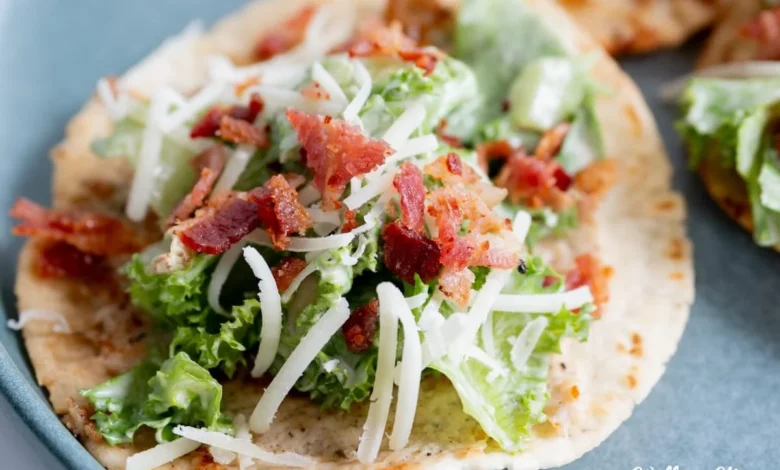
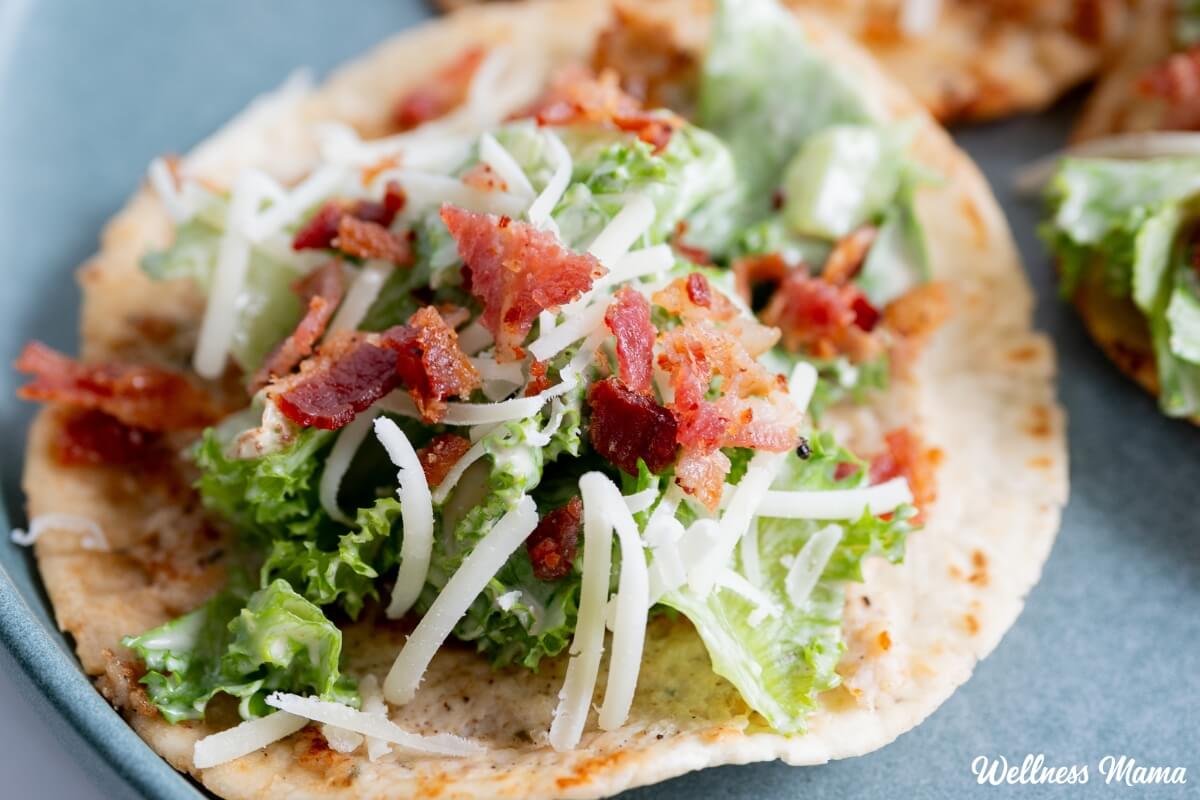
The Caesar salad, famously attributed to restaurateur Caesar Cardini in the 1920s, has long served as a benchmark for culinary balance, utilizing an emulsion of anchovy, garlic, lemon, and parmesan to achieve a specific umami profile. Traditionally, this dish relies on the structural integrity of romaine lettuce and the textural contrast provided by toasted croutons. The "Smash Chicken Caesar Taco" modifies this architecture. By utilizing a "smash" technique—where seasoned raw chicken is pressed directly onto a tortilla and seared—the protein becomes integrated into the shell itself. This method draws inspiration from the "smash burger" trend, which has dominated culinary discourse over the last decade due to its ability to maximize the Maillard reaction, the chemical process that creates browning and complex flavors in cooked meat.
The transition from a bowl-based salad to a hand-held taco format reflects the shifting habits of domestic meal preparation. As households increasingly seek "meal-prep-friendly" options, the ability to pre-assemble components—such as the protein mixture and the signature dressing—has become a priority for both time-saving and quality control.
Analytical Breakdown of the Dish Components
The nutritional profile of this dish is characterized by a high protein-to-carbohydrate ratio, making it a subject of interest for those tracking macronutrient intake. According to nutritional data, a single serving of the Smash Chicken Caesar Taco contains approximately 19 grams of protein and 36 grams of fat, with a significant portion of the latter derived from unsaturated sources, depending on the choice of mayonnaise and oil.
The dressing, often considered the most vital component of the Caesar experience, typically utilizes an emulsion of mayonnaise, yogurt, anchovy paste, and Worcestershire sauce. From a food science perspective, the inclusion of yogurt serves a dual purpose: it provides a probiotic element and introduces lactic acid, which cuts through the density of the mayonnaise, offering a brighter, more acidic finish. The use of anchovy paste and Parmesan cheese provides a concentrated source of glutamates, which are responsible for the dish’s savory, or "umami," intensity.
Chronology of Preparation and Implementation
For those adopting this recipe in a professional or domestic kitchen, the process follows a structured timeline designed to optimize flavor development:
- Preparation Phase: The initial step involves the creation of the dressing. Culinary experts recommend allowing this mixture to emulsify in a refrigerated environment for at least two to four hours before consumption. This "resting period" allows the volatile oils in the herbs and the proteins in the anchovy paste to harmonize.
- The "Smash" Technique: The protein component is prepared by blending ground chicken with a proprietary mix of Italian seasoning, lemon pepper, garlic, and onion. The mixture is spread thin across a tortilla, ensuring maximum surface area contact with the heating element. This stage is critical; the heat must be sufficient to caramelize the chicken fats while ensuring the tortilla achieves a crisp texture without burning.
- Assembly: The final assembly occurs immediately before serving to prevent the moisture from the dressing and romaine from compromising the structural integrity of the crisped tortilla.
Nutritional and Dietary Implications
A critical analysis of the dish reveals that it satisfies a significant portion of daily micronutrient requirements. With 159% of the Daily Value for Vitamin A and notable levels of calcium and iron, the dish serves as a dense nutritional vehicle. However, the sodium content—approximately 914mg per serving—highlights the importance of ingredient selection, particularly regarding the choice of mayonnaise and store-bought seasonings.
Industry analysts suggest that the rise of such recipes is linked to the increased availability of high-quality, pre-packaged pantry staples. The growth of companies like Primal Kitchen and platforms like Thrive Market has democratized access to avocado oil-based mayonnaises and organic spices, allowing home cooks to replicate restaurant-grade flavor profiles without the time-intensive labor of traditional scratch-cooking.
Broader Impact on Home Cooking Trends
The "Smash Chicken Caesar Taco" is more than a novelty; it represents a shift toward "functional comfort food." As dietary preferences continue to move toward lower-glycemic, high-protein options, the taco format provides a versatile template for experimentation. Chefs and nutritionists alike have noted that the "smash" method is particularly effective for those with restrictive diets, as it allows for the substitution of various flours—such as almond or cassava—without sacrificing the structural integrity of the taco.
Furthermore, the integration of bacon or other high-umami additives into the dressing, as suggested in recent culinary notes, points to an ongoing desire for "flavor layering." This practice ensures that even within a relatively simple meal, the palate is engaged across multiple dimensions—salty, acidic, creamy, and crunchy.
Expert Perspectives on Culinary Innovation
While the recipe may appear unconventional, food technologists note that the integration of Caesar elements into a taco is a logical step in the fusion trend. By removing the crouton and replacing it with the tortilla shell, the cook eliminates the common issue of soggy breading, replacing it with a crispy, protein-rich foundation. This innovation suggests that the future of home cooking lies in the thoughtful deconstruction and reassembly of classic flavor profiles.
As of the current culinary landscape, the trend toward "smashed" proteins is expected to expand. The ability to cook meat directly on a starch-based substrate provides a unique cooking environment that seals in moisture while providing a caramelized exterior. For families with children, the "wolfing down" effect reported by many home cooks indicates that this method successfully masks the presence of nutrient-dense vegetables like romaine lettuce, effectively increasing vegetable intake in a palatable way.
Conclusion and Future Outlook
The Smash Chicken Caesar Taco stands as a prime example of how traditional recipes can be adapted to meet the demands of modern lifestyles. By prioritizing high-quality protein, strategic seasoning, and efficient preparation methods, this dish offers a balanced, nutrient-dense solution for daily nutrition. As food preparation trends continue to favor efficiency without sacrificing quality, the adoption of such fusion recipes will likely increase, serving as a staple in the repertoire of the contemporary home cook. Whether through the use of organic tortillas or the careful curation of fermented or cured ingredients in the dressing, the dish remains a testament to the versatility of classic flavor pairings in a contemporary, fast-paced culinary environment. The continued interest in these flavor profiles suggests that while the format may change—evolving from the bowl to the taco—the core components of the Caesar salad remain an enduring favorite in the global diet.
Related posts: