Unlocking the Molecular Secrets of Longevity: How the Mediterranean Diet Triggers Cellular Protectors to Defend Heart and Brain Health

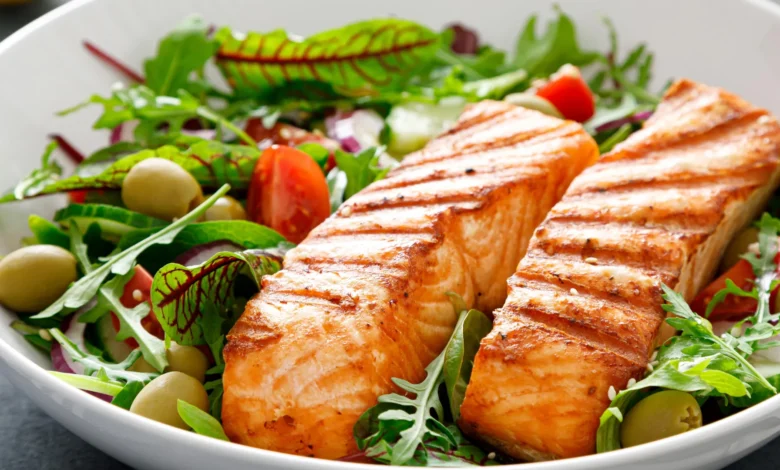
The Mediterranean diet has long held a golden standard in nutritional science, universally lauded by physicians, cardiologists, and public health advocates for its profound ability to ward off chronic illness, promote longevity, and preserve cognitive faculties. Yet, despite decades of empirical evidence mapping its macro-level benefits—such as reductions in type 2 diabetes, stroke, and heart failure—the precise microscopic mechanisms operating deep within human tissues have remained partially veiled. Now, a groundbreaking study conducted by researchers at the University of Southern California (USC) Leonard Davis School of Gerontology has uncovered a surprising and elegant biological pathway: the Mediterranean diet may protect the heart, brain, and aging cells by stimulating the production of tiny, specialized proteins derived directly from our cellular powerhouses.
Published as a significant step forward in the fields of gerontology and molecular nutrition, the research reveals that individuals who consistently adhere to a traditional Mediterranean dietary pattern exhibit elevated concentrations of two critical mitochondrial microproteins known as humanin and SHMOOSE. These microscopic peptides, long studied for their robust cytoprotective properties, serve as biochemical sentinels against cardiovascular deterioration and neurodegeneration. By bridging centuries-old culinary traditions with cutting-edge genomics, this scientific inquiry provides a compelling look into how everyday dietary choices translate into robust cellular health and resilient aging.
The Chronology of Mitochondrial Microprotein Discovery
To understand the weight of this new nutritional discovery, it is essential to trace the historical trajectory of mitochondrial research, a field transformed over the past two decades largely through the pioneering efforts of USC Leonard Davis School Dean and Distinguished Professor Pinchas Cohen, the senior author of the latest study.
Traditionally, biology textbooks taught that mitochondria function strictly as the metabolic engines of the cell, generating the adenosine triphosphate (ATP) required to fuel virtually all biological activities via oxidative phosphorylation. Decades of subsequent research, however, expanded this definition, establishing that mitochondria also orchestrate intracellular calcium signaling, regulate metabolic homeostasis, and govern apoptosis—the programmed death of damaged cells.
A paradigm shift occurred in 2003 when Cohen and his collaborative research team identified humanin, a tiny peptide encoded not by the nuclear DNA housed within the cell’s central command center, but rather by small, independent segments of DNA contained within the mitochondria themselves. For years, genomic dogma dictated that these mitochondrial DNA sequences were nonfunctional remnants of evolutionary history. The discovery of open reading frames capable of encoding biologically active molecules shattered that assumption.
Over the next twenty years, cumulative global research linked humanin to enhanced insulin sensitivity—the crucial physiological metric determining how effectively cells absorb glucose from the bloodstream—as well as improved cardiovascular function and extended healthspan. Building upon this foundational work, Cohen’s research team recently identified a second vital mitochondrial microprotein: SHMOOSE, an acronym for Small Human Mitochondrial ORF Over SErine tRNA. Identified only recently, SHMOOSE immediately captured the attention of neuroscientists due to its profound implications for cognitive health. Genetic variants of SHMOOSE were found to correlate strongly with an elevated risk of developing Alzheimer’s disease, whereas the normal, wild-type version actively shields vulnerable neurons from the toxic accumulation of amyloid-beta plaques, a hallmark pathology of the neurodegenerative condition.
The Intersection of Nutrition, Cellular Stress, and Microproteins
Led by USC Leonard Davis Instructional Associate Professor of Gerontology Roberto Vicinanza, the new study sought to determine whether these master regulators of aging could be influenced directly by environmental factors such as dietary intake. To explore this hypothesis, the research team analyzed comprehensive blood plasma samples drawn from older adult cohorts who adhered to the Mediterranean diet to varying degrees.
The findings revealed a striking dose-dependent relationship: participants whose daily nutritional intake most closely mirrored the traditional Mediterranean dietary pattern—characterized by high consumption of extra virgin olive oil, wild-caught fish, legumes, fresh vegetables, fruits, and unrefined whole grains—demonstrated significantly elevated circulating levels of both humanin and SHMOOSE.
Furthermore, these individuals exhibited markedly reduced markers of oxidative stress. Oxidative stress occurs when unstable, highly reactive oxygen species (ROS) overwhelm the body’s endogenous antioxidant defenses. Left unchecked, these reactive molecules relentlessly assault cellular macromolecules, oxidizing lipids, damaging structural proteins, and fracturing DNA strands, thereby accelerating biological aging and fostering the systemic inflammation underlying chronic diseases.
A closer look at the dietary components revealed nuanced biochemical correlations. Higher consumption of monounsaturated fats from extra virgin olive oil, omega-3 fatty acids from fish, and plant-based proteins from legumes aligned directly with elevated humanin concentrations. Concurrently, high olive oil intake combined with a strict avoidance of refined carbohydrates—such as white flour, pastries, and highly processed, sugary snacks devoid of fiber—showed a distinct statistical correlation with higher levels of SHMOOSE.
Deconstructing the Cardioprotective and Neuroprotective Mechanisms
The identification of these diet-responsive microproteins opens a window into the precise molecular cascades that allow the Mediterranean diet to exert such powerful systemic protection. A particularly vital discovery in the USC study involves the interplay between humanin and an enzyme known as Nox2.
Nox2 is a primary enzymatic generator of reactive oxygen species within vascular tissues. While controlled ROS generation plays a necessary physiological role in immune defense and cellular signaling, chronic, unregulated activation of Nox2 leads to endothelial dysfunction, arterial stiffness, and vascular damage. The USC researchers observed an inverse relationship: participants with higher humanin levels consistently exhibited lower Nox2 activity. This finding strongly suggests that humanin acts as a molecular brake on vascular oxidative stress, providing a novel biological explanation for the well-documented cardiovascular benefits of the Mediterranean lifestyle.
"These microproteins may act as molecular messengers that translate what we eat into how our cells function and age," explained Roberto Vicinanza during an overview of the findings. "It’s a new biological pathway that helps explain why the Mediterranean diet is so powerful."
Dean Pinchas Cohen emphasized the diagnostic and therapeutic potential of these discoveries. "These findings suggest that specific components of the Mediterranean diet may directly influence mitochondrial biology," Cohen noted. "Humanin and SHMOOSE could serve as biomarkers for adherence to the Mediterranean diet and have clinical significance."
In clinical medicine, biomarkers serve as measurable biological signatures capable of objectively evaluating an individual’s physiological state or response to therapeutic interventions. If validated through larger trials, humanin and SHMOOSE could evolve into standard diagnostic tools, allowing physicians to measure precisely how well a patient’s cells are responding to dietary modifications.
Global Advocacy, Cultural Heritage, and Sustainable Nutrition
Beyond the confines of the molecular laboratory, Dr. Vicinanza’s commitment to the Mediterranean diet extends deep into international public health advocacy. Recognizing that nutritional science must align with sustainable agricultural practices and cultural preservation, Vicinanza has collaborated extensively with global institutions to champion the Mediterranean diet not merely as a medical prescription, but as a holistic lifestyle framework.
Notably, Vicinanza partnered with the Municipality of Pollica in Italy—an administrative region formally recognized by UNESCO as an emblematic community of the Mediterranean diet—to advance international awareness. These concerted diplomatic and academic efforts successfully culminated in the establishment of the International Day of the Mediterranean Diet, officially observed annually on November 16 under the auspices of the United Nations. This global observance underscores the diet’s tripartite value: exceptional health outcomes, preservation of cultural traditions, and low environmental impact compared to modern, resource-intensive industrial food systems.
"We’re connecting centuries-old dietary traditions with cutting-edge molecular biology," Vicinanza observed. "It supports the idea that healthy eating patterns with little to no ultra-processed foods reflect how humans have eaten over long periods and may create conditions to which mitochondria—ancient cellular organelles—are likely adapted."
Implications for Precision Nutrition and Future Research
While the implications of the study are profound, the research team maintains strict scientific objectivity regarding the limitations of their work. Because the study was observational and cross-sectional in design, it successfully established robust statistical associations between dietary habits and microprotein concentrations, but it could not definitively prove direct causation. Confounding variables, such as overall socioeconomic status, baseline physical activity, and genetic predispositions, must be rigorously controlled in subsequent experimental trials.
Nevertheless, the findings represent a major milestone for the burgeoning discipline of precision nutrition. Rather than relying on generalized dietary guidelines, precision nutrition seeks to tailor nutritional recommendations to an individual’s unique molecular makeup, microbiome composition, and metabolic profile. The discovery that distinct food groups can modulate mitochondrial peptide output opens the door to designing targeted nutritional therapies aimed at optimizing cellular health from the inside out.
The immediate scientific imperative moving forward is clear: researchers must transition from observational correlation to interventional causation. Future clinical trials are planned to test whether controlled, longitudinal adoption of a strict Mediterranean diet directly increases circulating levels of humanin and SHMOOSE in human subjects, and whether those biochemical elevations translate into measurable improvements in cardiovascular resilience, metabolic efficiency, and cognitive preservation.
"Our goal is to move from observing associations to understanding causality," Vicinanza concluded. "If we can harness these pathways, we may be able to design nutritional strategies that promote healthy aging at the molecular level."
Funding for this landmark research was provided by the USC Daryl and Irwin Simon Nutrition for Alzheimer’s Disease Prevention Research Fund (awarded to Roberto Vicinanza), the Hanson-Thorell Family Research Award (awarded to Roberto Vicinanza), National Institutes of Health grant P30AG094848 (awarded to Pinchas Cohen), and PRIN 2022 grant 000031_23_PP_PIGNATELLI_PRIN_2022-B53D23021240006 (awarded to Pignatelli). As research continues to peel back the layers of mitochondrial biology, humanity’s oldest culinary traditions continue to offer modern medicine its most promising blueprints for a healthier, longer life.