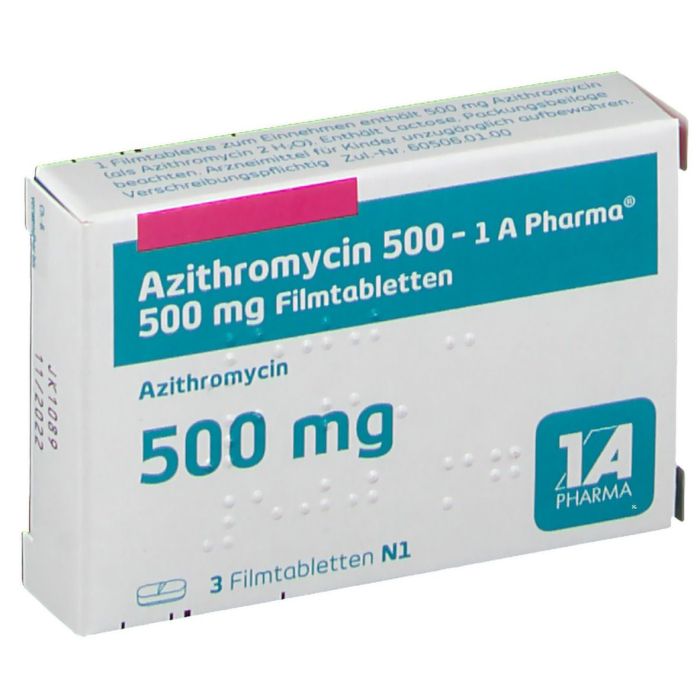
Azithromycin vs amoxicillin similarities and differences is a crucial comparison for understanding antibiotic choices. These two common antibiotics, belonging to different classes (macrolide and penicillin, respectively), are frequently prescribed to treat bacterial infections. This post delves into their shared uses, distinct mechanisms of action, and important differences in efficacy and potential side effects. We’ll explore situations where one might be preferred over the other, and discuss patient factors that influence treatment decisions.
Understanding the nuances of these drugs is essential for healthcare professionals and patients alike. This comprehensive comparison aims to clarify the key aspects of both medications, enabling informed decisions about treatment plans.
Introduction to Antibiotic Comparison
Choosing the right antibiotic is crucial for effective treatment. This comparison delves into the specifics of azithromycin and amoxicillin, two commonly prescribed antibiotics. Understanding their mechanisms of action, classifications, and uses can empower informed decisions regarding treatment options.Azithromycin and amoxicillin, while both fighting bacterial infections, operate through different pathways. This comparison explores their similarities and differences, aiding in understanding their respective roles in various clinical scenarios.
Quick comparison of azithromycin and amoxicillin? They’re both antibiotics, but azithromycin tends to hang around in your system longer. This difference, along with their different modes of action, can affect how well they tackle infections. Understanding these specifics is important, especially when considering the potential impact on your overall health, like when you need to address low iron levels impacting your thyroid.
For a deeper dive into fixing low iron thyroid, check out this helpful resource: fixing low iron thyroid. Ultimately, consulting a doctor remains crucial for choosing the right antibiotic for any infection.
General Classifications and Mechanisms of Action
Azithromycin belongs to the macrolide class of antibiotics, while amoxicillin is a penicillin-based antibiotic. This fundamental difference in their chemical structures directly impacts their mechanisms of action. Macrolides like azithromycin work by inhibiting protein synthesis in bacteria, preventing them from building essential proteins necessary for survival. Penicillins, such as amoxicillin, target bacterial cell wall synthesis, interfering with the formation of peptidoglycans, the structural components of the bacterial cell wall.
So, I’ve been researching azithromycin vs. amoxicillin lately, and it’s fascinating how similar their uses can be, yet their mechanisms differ. One thing that’s often overlooked is the role of magnesium in overall health, particularly in managing conditions like type 2 diabetes, which is something I’ve been learning more about lately. Magnesium in type 2 diabetes seems to play a key part in regulating blood sugar levels, and understanding these connections could potentially influence how we approach antibiotic choices like azithromycin and amoxicillin.
Ultimately, more research is needed to determine the full implications of these connections, but it’s a promising area of study, regardless.
Common Bacterial Infections Treated
Both azithromycin and amoxicillin are prescribed for a range of bacterial infections. Azithromycin is often used to treat respiratory infections like bronchitis and pneumonia, as well as sexually transmitted infections (STIs) and certain skin infections. Amoxicillin, frequently prescribed for infections of the ear, throat, and sinuses, also shows effectiveness against bacterial infections in the urinary tract and certain skin conditions.
Comparison Table
| Characteristic | Azithromycin | Amoxicillin |
|---|---|---|
| Classification | Macrolide | Penicillin |
| Mechanism of Action | Inhibits protein synthesis | Inhibits cell wall synthesis |
| Spectrum of Activity | Broad-spectrum, effective against a variety of bacteria, including some atypical pathogens. | Broad-spectrum, effective against a range of Gram-positive and some Gram-negative bacteria. |
| Absorption | Well-absorbed orally, with good tissue penetration. | Well-absorbed orally, with good tissue penetration. |
| Side Effects | Gastrointestinal upset (e.g., nausea, diarrhea), abdominal pain, headache. May cause liver enzyme elevations in some individuals. | Gastrointestinal upset (e.g., nausea, diarrhea), rash, and allergic reactions. Can cause pseudomembranous colitis in rare cases. |
| Drug Interactions | Potential interactions with other medications, including antacids and some immunosuppressants. | Potential interactions with other medications, including antacids and some immunosuppressants. |
Similarities in Use and Properties
Azithromycin and amoxicillin, both commonly prescribed antibiotics, share surprising similarities in their clinical applications, side effects, and mechanisms of action. Understanding these commonalities can aid in informed discussions with healthcare providers regarding treatment options. This section delves into the shared ground between these two frequently used medications.
Shared Clinical Applications
Azithromycin and amoxicillin are both broad-spectrum antibiotics, meaning they are effective against a wide range of bacterial infections. They are frequently prescribed for respiratory tract infections, skin infections, and certain sexually transmitted infections. The choice between the two often depends on the specific bacteria causing the infection and the patient’s individual needs. For example, both may be suitable for treating uncomplicated pneumonia, but azithromycin’s longer half-life may be advantageous for certain cases.
Common Side Effects
Both medications, while generally safe, can cause adverse effects. Gastrointestinal issues like nausea, vomiting, and diarrhea are common to both. Additionally, both can cause allergic reactions, though the severity varies. It’s crucial to note that individual responses to these medications differ, and patients should report any unusual symptoms to their healthcare provider immediately. Careful monitoring of patients is essential to address any potential complications promptly.
Similar Dosage Forms and Administration Routes
Both azithromycin and amoxicillin are available in various dosage forms, catering to different patient needs and preferences. Oral administration is the most common route for both medications. The available dosage forms often include tablets, capsules, and liquid suspensions. This flexibility allows for adjustments based on age and the patient’s ability to swallow pills.
| Dosage Form | Azithromycin | Amoxicillin |
|---|---|---|
| Tablets | Available | Available |
| Capsules | Available | Available |
| Liquid Suspension | Available | Available |
| Injectable | Available (in certain cases) | Available (in certain cases) |
Spectrum of Bacterial Activity
Both azithromycin and amoxicillin target a similar range of bacterial species. This shared spectrum is due to their distinct mechanisms of action, affecting bacterial cell wall synthesis (for amoxicillin) and protein synthesis (for azithromycin).
Examples of bacterial species susceptible to both azithromycin and amoxicillin include Streptococcus pneumoniae, Haemophilus influenzae, and Moraxella catarrhalis. These bacteria are frequently implicated in respiratory tract infections, making both antibiotics valuable treatment options.
These shared characteristics are crucial for clinicians when deciding which antibiotic to prescribe, considering factors like cost, patient preferences, and potential side effects.
Differences in Mechanisms and Pharmacokinetics
Azithromycin and amoxicillin, while both antibiotics used to treat bacterial infections, differ significantly in their mechanisms of action and how they interact with the body. Understanding these differences is crucial for prescribing the right antibiotic for a particular infection and managing potential side effects. This section delves into the distinct ways these drugs work and their journey through the body.The diverse mechanisms of action and pharmacokinetic profiles of these antibiotics affect their efficacy and safety.
Their different properties allow for targeted use in specific situations.
Mechanisms of Action
The mechanisms by which azithromycin and amoxicillin combat bacterial infections are fundamentally different. Amoxicillin is a penicillin-like antibiotic, targeting bacterial cell wall synthesis. Azithromycin, on the other hand, inhibits bacterial protein synthesis.
Amoxicillin works by preventing the formation of the bacterial cell wall, which is essential for bacterial survival. Azithromycin, on the other hand, disrupts the protein synthesis machinery within the bacteria.
This difference in the targeted cellular processes results in different sensitivities to bacteria and varying effectiveness against different types of infections.
Absorption, Distribution, Metabolism, and Excretion (ADME)
The absorption, distribution, metabolism, and excretion (ADME) properties of azithromycin and amoxicillin also differ considerably. These differences affect their overall duration of action and the required dosing regimen.
- Absorption: Amoxicillin is typically absorbed well from the gastrointestinal tract, while azithromycin absorption can be influenced by food. The presence of food may delay absorption of azithromycin but not significantly affect its overall bioavailability. Food generally does not affect amoxicillin’s absorption.
- Distribution: Azithromycin has a unique ability to accumulate in certain tissues, like the lungs and reproductive tract. This allows for extended treatment durations with a single dose. Amoxicillin is distributed throughout the body, but its concentration in specific tissues may vary.
- Metabolism: Both drugs are primarily metabolized in the liver, but the pathways and extent of metabolism differ. Azithromycin is metabolized less extensively compared to amoxicillin. This difference in metabolism can affect the drug’s half-life and duration of action.
- Excretion: Azithromycin is primarily excreted in the bile, and a significant portion is excreted unchanged in the feces. Amoxicillin is primarily excreted through the kidneys.
Half-lives and Duration of Action
The half-lives of azithromycin and amoxicillin directly impact the duration of action and frequency of dosing.
- Half-life: Azithromycin has a longer half-life compared to amoxicillin. This characteristic allows for once-a-day dosing with azithromycin, while amoxicillin often requires multiple doses daily.
- Duration of action: The extended half-life of azithromycin contributes to its longer duration of action. This is a crucial factor in treating infections requiring sustained antibiotic presence within the body. Amoxicillin, with its shorter half-life, requires more frequent dosing to maintain therapeutic levels.
Pharmacokinetic Comparison Table
| Parameter | Azithromycin | Amoxicillin |
|---|---|---|
| Mechanism of Action | Inhibits bacterial protein synthesis | Inhibits bacterial cell wall synthesis |
| Absorption | Affected by food; high bioavailability | Not significantly affected by food; high bioavailability |
| Distribution | Accumulates in tissues | Distributed throughout the body |
| Metabolism | Less extensive | More extensive |
| Excretion | Primarily via bile and feces | Primarily via kidneys |
| Half-life | Long (approximately 68-72 hours) | Short (approximately 1 hour) |
| Duration of Action | Extended | Shorter |
Differences in Efficacy and Resistance

Antibiotics like azithromycin and amoxicillin, while both targeting bacterial infections, exhibit distinct efficacies and susceptibility to resistance development. Understanding these differences is crucial for appropriate treatment selection. This section delves into how their effectiveness varies against different bacteria, the patterns of resistance, and situations where one drug might be more suitable than the other.Azithromycin and amoxicillin, though both used to combat bacterial infections, differ significantly in their effectiveness against specific bacterial species and in their susceptibility to resistance.
This stems from their diverse mechanisms of action and pharmacokinetic profiles. Understanding these differences is key to tailoring treatment strategies and combating the rising threat of antibiotic resistance.
Effectiveness Against Bacterial Species
Azithromycin and amoxicillin exhibit varying degrees of effectiveness against different bacterial species. Amoxicillin, a penicillin derivative, primarily targets Gram-positive bacteria. Azithromycin, a macrolide, is more effective against a broader range of bacteria, including both Gram-positive and Gram-negative species, as well as some intracellular pathogens. This difference in spectrum of activity can lead to varied treatment outcomes depending on the specific bacterial cause of the infection.
Antibiotic Resistance Patterns
Antibiotic resistance is a growing concern in the treatment of bacterial infections. Resistance patterns differ between azithromycin and amoxicillin, reflecting the diverse mechanisms by which bacteria develop resistance. Amoxicillin, as a penicillin, faces the risk of resistance due to the production of beta-lactamases, enzymes that inactivate the antibiotic. Azithromycin resistance mechanisms are often linked to mutations in the bacterial ribosomal targets or the development of efflux pumps that expel the antibiotic from the cell.
Specific Infections and Treatment Preferences
Specific bacterial infections may warrant the preference of one antibiotic over the other. For example, respiratory tract infections caused by Streptococcus pneumoniae, a Gram-positive bacterium, may be effectively treated with amoxicillin. However, infections caused by Mycoplasma pneumoniae, a bacterium commonly associated with atypical pneumonia, might be better addressed with azithromycin due to its greater efficacy against this particular organism.
Additionally, in cases of infections where intracellular pathogens are suspected, azithromycin may be the preferred choice due to its ability to reach these pathogens more effectively.
Potential for Cross-Resistance
While azithromycin and amoxicillin have distinct resistance mechanisms, there is a possibility of cross-resistance. In some cases, mutations or genetic alterations that confer resistance to one antibiotic can potentially lead to decreased susceptibility to another. This phenomenon is not always consistent, and the extent of cross-resistance between azithromycin and amoxicillin can vary depending on the specific bacterial species and the specific resistance mechanism involved.
Clinical Considerations and Patient Profiles
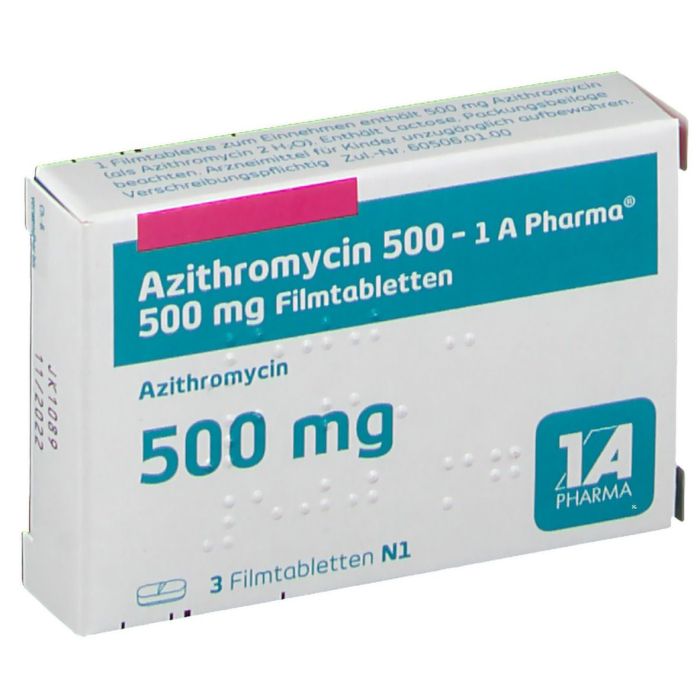
Choosing between azithromycin and amoxicillin hinges on a variety of patient-specific factors. Understanding the nuances of each antibiotic’s properties, along with individual patient characteristics, is crucial for optimal treatment outcomes. This section delves into scenarios where one antibiotic might be preferred over the other, considering patient factors and potential drug interactions.Effective antibiotic therapy requires careful consideration of individual patient needs.
The selection of azithromycin or amoxicillin depends on a variety of factors, including the specific infection, patient allergies, renal function, and potential interactions with other medications. By considering these factors, healthcare professionals can optimize treatment efficacy and minimize potential adverse effects.
Situations Favoring Azithromycin
Azithromycin’s extended half-life and ability to reach high concentrations in tissues make it a suitable choice in certain clinical situations. This characteristic is particularly advantageous in cases requiring prolonged treatment or infections affecting deep tissues.
- Respiratory tract infections (RTIs) in patients with limited adherence: Azithromycin’s once-daily dosing can enhance patient compliance, making it more suitable for conditions like bronchitis or pneumonia where adherence to a multi-dose regimen might be challenging. This is particularly important in outpatient settings.
- Infections in patients with impaired renal function: Azithromycin exhibits a lower degree of renal excretion compared to amoxicillin. In patients with compromised kidney function, azithromycin may be preferred to minimize the risk of accumulating toxic levels of the drug. However, careful monitoring is still crucial in these cases.
- Sexually transmitted infections (STIs): Azithromycin is often a first-line treatment for certain STIs, such as chlamydia and non-gonococcal urethritis, due to its effectiveness in achieving high tissue concentrations and its single-dose or short-course treatment regimens.
Situations Favoring Amoxicillin
Amoxicillin, a penicillin-based antibiotic, remains a valuable option due to its broad-spectrum activity and generally lower cost.
- Bacterial infections where rapid action is critical: Amoxicillin’s faster onset of action may be preferred in situations requiring a rapid response, such as severe infections or infections with rapidly multiplying bacteria.
- Patients with a history of penicillin allergy: Although uncommon, some patients might have a cross-sensitivity to azithromycin and other macrolides. Amoxicillin is a valuable option for such individuals, as it is a penicillin, not a macrolide.
- Infections involving the skin and soft tissues: Amoxicillin’s effectiveness against a range of bacterial species often makes it a suitable option for skin infections.
Patient Factors and Considerations
Careful consideration of patient factors is crucial when choosing between azithromycin and amoxicillin. These factors can significantly impact treatment efficacy and safety.
- Allergies: A detailed patient history, including allergies to penicillin and other antibiotics, is essential. A history of a penicillin allergy might contraindicate the use of amoxicillin. Azithromycin, while less frequently associated with allergic reactions, should also be avoided in patients with a documented history of macrolide allergy.
- Renal Function: Assessing renal function is crucial, as both medications are eliminated through the kidneys. Adjustments in dosage or alternative therapies may be necessary for patients with compromised renal function.
- Pregnancy and Breastfeeding: The safety of both medications during pregnancy and breastfeeding should be carefully considered. Consult relevant guidelines and clinical expertise for appropriate recommendations.
Drug Interactions
Concurrent use of other medications can impact the efficacy or safety of both azithromycin and amoxicillin.
- Potential interactions with antacids and other medications: Antacids, for example, can decrease the absorption of azithromycin. Concurrent use with other medications needs careful evaluation.
- Interactions with certain other antibiotics: Combining antibiotics can lead to unpredictable outcomes. Always consult a healthcare professional before combining antibiotics.
Drug Interactions and Contraindications
Understanding potential drug interactions and contraindications is crucial when choosing between azithromycin and amoxicillin. These antibiotics, while both effective against bacterial infections, can interact with other medications, leading to unpredictable outcomes. Knowing these interactions allows healthcare providers to make informed decisions, minimizing potential risks and maximizing treatment efficacy.Choosing the right antibiotic involves careful consideration of individual patient factors.
The presence of pre-existing conditions, allergies, and concurrent medications significantly influences the appropriate selection. This section details potential interactions and contraindications, highlighting the importance of thorough patient history in antibiotic prescription.
Potential Drug Interactions
Many medications can interact with azithromycin and amoxicillin. These interactions can range from minor to severe, affecting the absorption, metabolism, or elimination of the antibiotics. For example, antacids containing magnesium or aluminum can reduce the absorption of azithromycin, while some medications used to treat heartburn can affect the absorption of amoxicillin. It is essential to consider all concurrent medications to avoid potentially harmful interactions.
Contraindications for Azithromycin and Amoxicillin
Knowing the contraindications is critical for patient safety. Contraindications are specific situations where the use of a medication is strictly prohibited due to potential serious adverse effects. These situations can include allergies, pre-existing conditions, and certain stages of pregnancy.
| Antibiotic | Contraindications |
|---|---|
| Azithromycin | Known hypersensitivity to azithromycin or other macrolides; severe liver impairment; concurrent use with strong CYP3A4 inhibitors (e.g., ketoconazole, erythromycin) |
| Amoxicillin | Known hypersensitivity to penicillin; severe kidney impairment; concurrent use with certain drugs that reduce gastric acidity (e.g., proton pump inhibitors) |
Importance of Patient History and Allergies
A thorough patient history is paramount in selecting the appropriate antibiotic. This includes detailed information about previous reactions to medications, particularly antibiotics. A history of allergic reactions, such as hives, difficulty breathing, or anaphylaxis, is crucial. This information helps clinicians avoid potential life-threatening reactions. A patient’s medical history, including pre-existing liver or kidney conditions, also significantly impacts antibiotic choice.
Precautions During Administration
Several precautions should be taken when administering azithromycin and amoxicillin. For instance, careful monitoring of liver and kidney function is necessary, especially in patients with pre-existing conditions. Patients should be advised about potential side effects, such as gastrointestinal upset, and should be instructed to report any unusual symptoms. Adherence to the prescribed dosage and duration of treatment is essential for optimal efficacy and to prevent the development of antibiotic resistance.
So, I’ve been looking into azithromycin vs amoxicillin lately, and while both are antibiotics, they have distinct differences in their mechanisms of action. This got me thinking about other potential health concerns, like esophageal cancer, and its connection to various risk factors. Understanding those factors is crucial, and you can learn more about them by checking out this helpful resource on esophageal cancer causes and risk factors.
Ultimately, knowing the specifics of these antibiotics, like azithromycin and amoxicillin, is important to help make informed decisions about treatment plans, especially when considering potential side effects.
Dosage adjustments might be necessary in patients with renal or hepatic impairment.
Potential Side Effects and Adverse Reactions
Antibiotics, while crucial for treating bacterial infections, can sometimes trigger unwanted side effects. Understanding these potential reactions is vital for both patients and healthcare providers to ensure appropriate management and monitoring. A thorough evaluation of potential side effects is paramount when choosing the most suitable antibiotic for a specific patient.
Potential Side Effects of Azithromycin
Azithromycin, a commonly prescribed macrolide antibiotic, generally exhibits a good safety profile. However, it can cause a range of side effects, though not always severe. These side effects often manifest as gastrointestinal issues.
- Gastrointestinal disturbances, including nausea, vomiting, diarrhea, and abdominal pain, are relatively common. These symptoms typically resolve as the antibiotic course progresses.
- Headaches and dizziness are other frequently reported side effects. While often mild, they can sometimes be bothersome and warrant patient attention.
- Other less common but potentially serious side effects include: hepatitis, jaundice, and allergic reactions (rash, hives, itching).
Potential Side Effects of Amoxicillin
Amoxicillin, a penicillin-based antibiotic, is also generally well-tolerated, but potential side effects exist. These often revolve around the gastrointestinal tract.
- Diarrhea, nausea, and vomiting are frequent side effects of amoxicillin, similar to azithromycin. These usually resolve without specific interventions.
- Allergic reactions, including skin rashes, hives, and itching, are possible. Severe allergic reactions, such as anaphylaxis, are less common but require immediate medical attention.
- Other possible side effects include: headaches, dizziness, and vaginal yeast infections.
Severity and Frequency of Side Effects
The severity and frequency of side effects can vary considerably between individuals. Factors such as age, overall health, and concurrent medications can influence the likelihood and intensity of reactions. Mild side effects, such as nausea or a mild rash, are often self-limiting and manageable. Severe reactions, such as anaphylaxis, demand immediate medical intervention.
Monitoring for Adverse Reactions
Close monitoring of patients is essential during antibiotic therapy. Regular follow-up appointments allow healthcare providers to assess the patient’s response to the medication and detect any emerging adverse reactions.
- Patients should be instructed to report any unusual symptoms, such as persistent diarrhea, severe abdominal pain, or a rash, to their healthcare provider immediately.
- Vital signs, including temperature and blood pressure, should be carefully monitored, especially during the first few days of treatment.
- Monitoring for signs of allergic reactions, such as hives or difficulty breathing, is crucial. Early intervention can prevent severe complications.
Importance of Reporting Adverse Reactions
Reporting adverse reactions to healthcare providers is crucial for improving patient safety and refining antibiotic use. These reports help track potential side effects, identify patterns, and inform evidence-based clinical practice guidelines.
- Comprehensive reporting enhances the understanding of potential risks associated with each antibiotic.
- This data helps medical professionals refine their approach to prescribing and managing antibiotics effectively, minimizing potential harms.
- It also allows for the identification of patient populations who may be particularly vulnerable to specific side effects.
| Antibiotic | Potential Side Effects | Severity | Frequency |
|---|---|---|---|
| Azithromycin | Nausea, vomiting, diarrhea, abdominal pain, headache, dizziness, rash, hepatitis, jaundice | Mild to moderate, some serious | Variable, generally mild |
| Amoxicillin | Nausea, vomiting, diarrhea, rash, hives, itching, headaches, dizziness, vaginal yeast infection | Mild to moderate, some serious | Variable, generally mild |
Treatment Guidelines and Protocols: Azithromycin Vs Amoxicillin Similarities And Differences
Antibiotics like azithromycin and amoxicillin play crucial roles in various medical guidelines. Understanding their applications in different clinical scenarios is vital for appropriate prescribing and treatment success. These guidelines are constantly evolving based on new research and emerging resistance patterns. This section will explore how these antibiotics are used in standard treatment protocols, highlighting clinical scenarios and monitoring strategies.
Role in Standard Treatment Guidelines
Azithromycin and amoxicillin are frequently prescribed antibiotics with established roles in treating bacterial infections. Their inclusion in treatment guidelines often depends on the specific infection, patient factors, and potential drug interactions. For instance, azithromycin’s longer half-life makes it suitable for shorter treatment courses in certain conditions. Amoxicillin, known for its broad-spectrum activity, is often a first-line option for various bacterial infections.
Clinical Scenarios and Typical Use, Azithromycin vs amoxicillin similarities and differences
Different clinical scenarios dictate the selection between azithromycin and amoxicillin. For example, azithromycin is often preferred for respiratory infections like bronchitis and pneumonia, particularly in cases of suspected atypical pathogens. Amoxicillin, on the other hand, is commonly used for infections like strep throat, otitis media, and skin infections. These choices are influenced by the suspected causative organism and the patient’s overall health.
Summary of Treatment Protocols
| Infection | Typical Antibiotic | Rationale |
|---|---|---|
| Community-acquired pneumonia (CAP) | Azithromycin | Effective against atypical bacteria, often causing CAP; shorter treatment course possible |
| Strep throat | Amoxicillin | Effective against Streptococcus pyogenes, the bacteria causing strep throat; broad-spectrum coverage |
| Otitis media | Amoxicillin | Effective against common bacterial pathogens causing ear infections; usually a first-line treatment |
| Skin infections (e.g., cellulitis) | Amoxicillin | Effective against many common skin pathogens; broad-spectrum coverage often sufficient |
| Gonorrhea (in combination) | Azithromycin (or Ceftriaxone) | Azithromycin often used in combination with Ceftriaxone due to its broad-spectrum coverage and ability to address certain types of gonorrhea. |
Monitoring Treatment Response
Close monitoring is essential to evaluate treatment effectiveness and identify potential complications. This includes regular assessment of symptoms, vital signs, and laboratory findings like blood cultures or inflammatory markers. Monitoring should also address any potential side effects and adverse reactions to the antibiotics. Clinical judgment and patient history are important components in monitoring treatment response. For instance, if a patient with pneumonia shows no improvement after a week of azithromycin, further investigations, including potential alternative antibiotics, may be warranted.
Final Thoughts
In conclusion, choosing between azithromycin and amoxicillin depends heavily on the specific bacterial infection, patient factors, and potential drug interactions. While both antibiotics effectively treat a range of bacterial infections, their distinct mechanisms, pharmacokinetics, and potential side effects should be considered. Consulting with a healthcare professional is always recommended for personalized treatment guidance.