
What is iron overload? This fascinating condition involves an excess of iron in the body, disrupting normal physiological processes. Iron, crucial for various bodily functions, is absorbed and stored. But when the body absorbs more iron than it needs, it can lead to a buildup that damages vital organs. This buildup contrasts sharply with iron deficiency, where insufficient iron creates different health concerns.
Understanding the causes, symptoms, and management of iron overload is vital for maintaining overall health.
This comprehensive exploration delves into the complexities of iron overload, examining its various forms, diagnostic approaches, treatment strategies, and the lasting impact on the body. We’ll explore the intricate mechanisms behind iron absorption, storage, and the detrimental effects of excess iron on different organs.
Iron Overload: A Deep Dive
Iron, an essential mineral for oxygen transport, is crucial for various bodily functions. However, an excess of iron can lead to serious health complications. Iron overload occurs when the body absorbs and stores more iron than it can effectively utilize or excrete. This buildup can damage vital organs, impacting overall health and well-being.Iron absorption in the body is a tightly regulated process.
Dietary iron is absorbed in the small intestine and transported to the bone marrow, liver, and other tissues. The liver plays a key role in iron storage, sequestering excess iron in ferritin, a protein that binds iron. Iron is released from ferritin when needed for hemoglobin synthesis or other metabolic processes. This balance between absorption, storage, and utilization is critical for maintaining optimal iron levels.
Disruptions in this process can lead to either iron deficiency or iron overload.
Physiological Processes of Iron Absorption and Storage
Iron absorption in the small intestine is influenced by factors like dietary intake, iron status, and the presence of other minerals. Transferrin, a transport protein, carries iron throughout the body. The liver stores excess iron in ferritin, which is a complex protein that can hold large quantities of iron. When iron levels are low, ferritin releases iron into the bloodstream.
Maintaining this delicate balance is vital for preventing both deficiency and overload.
Iron Deficiency vs. Iron Overload
Iron deficiency and iron overload are opposite ends of the same spectrum. Iron deficiency results from insufficient iron intake or absorption, leading to anemia and related symptoms. Iron overload, conversely, arises from excessive iron absorption or impaired iron excretion, causing organ damage and other health issues. The key difference lies in the quantity and regulation of iron in the body.
Common Causes of Iron Overload
Iron overload can arise from both genetic predispositions and lifestyle factors. Genetic disorders, such as hemochromatosis, are a significant cause, impacting iron absorption and regulation. Lifestyle factors, like excessive iron supplementation, or certain dietary patterns, can also contribute to iron overload. In some cases, prolonged blood transfusions can lead to an accumulation of iron, and other underlying conditions can exacerbate the problem.
Types of Iron Overload Disorders
| Type | Cause | Symptoms | Treatment |
|---|---|---|---|
| Hereditary Hemochromatosis | Genetic mutations affecting iron absorption | Fatigue, joint pain, abdominal pain, bronze skin pigmentation, diabetes, liver damage | Phlebotomy (blood removal), dietary restrictions |
| Secondary Iron Overload | Conditions like thalassemia, chronic blood transfusions, or certain medications | Symptoms vary depending on the underlying condition, but can include organ damage, especially liver and heart | Treatment focuses on the underlying condition, with phlebotomy as needed |
| Iron-Loading Anemias | Conditions such as sideroblastic anemia | Symptoms depend on the specific type of anemia but may include fatigue, pallor, and other signs of anemia | Treatment of the underlying condition, which might include medication or blood transfusions |
Iron overload disorders manifest differently depending on the underlying cause and the degree of iron accumulation. This table highlights some common types, their potential causes, associated symptoms, and treatment approaches. Early diagnosis and appropriate management are crucial for preventing long-term complications.
Symptoms and Diagnosis
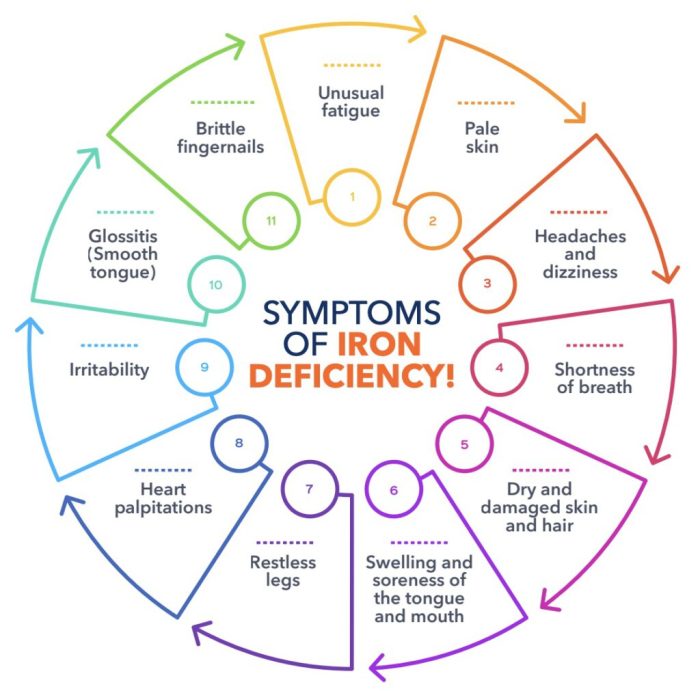
Iron overload, or hemochromatosis, often presents subtly, making early detection challenging. Individuals may experience a range of symptoms, some of which are non-specific and easily attributed to other conditions. Prompt diagnosis is crucial to prevent long-term complications.Early detection and intervention are critical in managing iron overload effectively. A variety of diagnostic tools are employed, ranging from blood tests to imaging techniques, to accurately assess iron levels and identify the underlying cause.
This approach allows for targeted treatment and helps prevent severe complications.
Symptoms of Iron Overload
Iron overload can manifest in various ways, impacting different organs and systems. Symptoms may be vague initially, making early detection difficult.
- Fatigue and weakness are common initial symptoms, often attributed to other factors. These symptoms can range from mild tiredness to significant lethargy, impacting daily activities.
- Joint pain and stiffness are frequent complaints, particularly in the later stages of the disease. Pain can be intermittent or persistent, affecting mobility and quality of life.
- Abdominal pain and digestive issues can also occur. Symptoms can include nausea, vomiting, and general discomfort in the abdomen.
- Skin discoloration, such as bronze or greyish skin, can develop due to iron deposits in the skin tissues. This change in skin pigmentation is often a visible sign of advanced iron overload.
- Cardiovascular issues, such as heart palpitations, chest pain, and an enlarged heart, can result from iron accumulation in the heart. These symptoms may be subtle and not immediately linked to iron overload.
- Diabetes mellitus can develop due to iron accumulation in the pancreas, affecting insulin production and regulation. This can lead to elevated blood sugar levels and other related complications.
Complications of Iron Overload
The prolonged accumulation of iron in the body can lead to a cascade of serious complications affecting various organs. Prompt diagnosis and treatment are vital to prevent these potential outcomes.
Iron overload, a condition where the body absorbs too much iron, can be tricky to manage, especially in children. It’s often linked to certain dietary issues, like picky eating habits. Sometimes, children develop texture aversions to food, which can make it hard to get the necessary nutrients, including iron. Fortunately, there are strategies to help overcome these issues, like gradually introducing new textures and flavors.
Check out this helpful guide on how to help children with texture aversions to food for more ideas. Ultimately, understanding these aversions is key to addressing iron overload issues in children through a balanced approach to nutrition.
- Liver damage is a significant concern. Iron deposits in the liver can lead to cirrhosis, liver failure, and an increased risk of liver cancer. Liver damage is a major complication of iron overload, highlighting the need for early intervention.
- Cardiomyopathy, characterized by heart muscle damage, is another severe consequence. Iron overload can lead to heart failure, arrhythmias, and other potentially life-threatening cardiac complications. The accumulation of iron directly impacts the heart’s functionality.
- Diabetes mellitus is another significant complication. Iron overload can disrupt insulin production and regulation, leading to elevated blood sugar levels and the development of diabetes. This condition requires careful monitoring and management.
- Arthritis and joint pain are common issues. Iron deposits in the joints can cause inflammation, pain, and stiffness, affecting mobility and daily activities. The chronic nature of joint pain can have a considerable impact on quality of life.
- Hypogonadism, a condition affecting hormone production, can occur. Iron overload can lead to reduced sex hormone production, resulting in symptoms like decreased libido, erectile dysfunction, and infertility. This can significantly impact an individual’s well-being and overall health.
Diagnostic Methods for Iron Overload
Various diagnostic methods are employed to identify iron overload, including blood tests and imaging techniques. A combination of these methods provides a comprehensive assessment of the condition.
- Blood tests play a crucial role in diagnosing iron overload. These tests measure various blood components, including iron levels, ferritin levels, and transferrin saturation. Elevated levels of these markers suggest iron overload.
- Imaging techniques, such as liver biopsies, can provide further insights. Liver biopsies allow for direct visualization of iron deposits within liver tissue. These visual examinations are often used to confirm the diagnosis and assess the extent of liver damage.
Diagnostic Criteria
The following table summarizes common diagnostic criteria for iron overload. These criteria are used in conjunction with clinical symptoms and other diagnostic tests to confirm a diagnosis.
| Diagnostic Test | Method | Expected Findings (Iron Overload) |
|---|---|---|
| Serum Iron | Blood test | Elevated levels |
| Ferritin | Blood test | Elevated levels |
| Transferrin Saturation | Blood test | Elevated levels (typically >50%) |
| Total Iron-Binding Capacity (TIBC) | Blood test | May be normal or slightly decreased |
| Liver Biopsy | Tissue sample examination | Presence of iron deposits in liver tissue |
Treatment and Management: What Is Iron Overload
Iron overload, if left untreated, can lead to severe complications affecting various organs. Effective management focuses on reducing iron levels and preventing further damage. Different approaches are tailored to the individual’s specific needs and the extent of the overload. Treatment strategies often combine medical interventions with lifestyle modifications.The primary goals of iron overload treatment are to reduce iron stores in the body, prevent further organ damage, and manage any associated symptoms.
Iron overload, basically too much iron in your body, can be a real health concern. It’s important to understand that while iron is essential, having too much can cause damage to organs. Thinking about activities like swimming during your period? You might want to check out some tips on can i go swimming during my period to make sure you’re feeling good and safe, but it’s still important to manage iron levels effectively for overall health.
These goals are achieved through a multi-faceted approach that encompasses chelation therapy, supportive care, and dietary modifications. A thorough understanding of the treatment options available is crucial for individuals affected by iron overload.
Chelation Therapy
Chelation therapy plays a vital role in managing iron overload. It involves administering medications that bind to iron, facilitating its removal from the body. These chelating agents form complexes with iron, rendering it non-toxic and enabling its excretion in urine. The most common chelating agents used for iron overload are deferoxamine, deferasirox, and deferiprone. The choice of chelator depends on various factors, including the severity of the overload, patient tolerance, and potential side effects.
Supportive Care Measures
Supportive care measures are crucial for managing the complications of iron overload. These measures aim to alleviate symptoms, reduce organ damage, and improve overall quality of life. This encompasses a range of supportive interventions. Regular monitoring of organ function, such as liver and heart function, is essential. Blood transfusions may be necessary to address anemia if it arises as a complication.
Dietary modifications are also crucial, as discussed later. Appropriate pain management is also important, especially if organ damage leads to discomfort.
Dietary Modifications
Dietary modifications are an essential component of managing iron overload. A diet low in iron-rich foods can help prevent further iron accumulation in the body. This involves limiting intake of red meat, organ meats, and iron-fortified foods. Reducing dietary iron intake is crucial, but it’s equally important to ensure adequate intake of other essential nutrients. Dietary recommendations should be tailored by a registered dietitian or nutritionist, considering the patient’s specific dietary needs and preferences.
For example, a diet rich in fiber can help reduce iron absorption.
Examples of Dietary Modifications
- Avoiding or minimizing red meat consumption.
- Limiting consumption of iron-fortified cereals and other processed foods.
- Reducing intake of iron supplements, if applicable.
- Consuming foods rich in vitamin C, as vitamin C can enhance iron absorption. Thus, vitamin C should be consumed separately from iron-rich foods.
Treatment Options Overview
| Treatment | Mechanism | Effectiveness | Side Effects |
|---|---|---|---|
| Deferoxamine | Forms a complex with iron, facilitating its excretion. | Highly effective in reducing iron stores. | Can cause pain, skin reactions, and other side effects. |
| Deferasirox | Binds to iron in the gastrointestinal tract and promotes its excretion. | Generally well-tolerated and effective. | Potential side effects include nausea, vomiting, and liver problems. |
| Deferiprone | Binds to iron in the blood and promotes its excretion. | Effective, but less commonly used due to potential side effects. | Can cause significant side effects, including blood disorders and gastrointestinal issues. |
| Phlebotomy | Removal of blood to decrease iron levels. | Very effective for reducing iron overload. | Potential side effects include iron deficiency anemia if not managed properly. |
| Dietary Modifications | Reducing iron intake and promoting iron excretion. | Effective in conjunction with other treatments. | Potential for nutritional deficiencies if not carefully managed. |
Impact on Organs and Health

Iron overload, if left untreated, can lead to significant and potentially irreversible damage to various organs. The excessive accumulation of iron disrupts normal cellular function and triggers oxidative stress, causing damage to tissues and impairing organ health. This cascade of events can manifest in numerous ways, affecting the liver, heart, endocrine system, and other vital organs.The consequences of untreated iron overload extend beyond mere discomfort.
Progressive organ damage can lead to a decline in overall health, impacting quality of life and increasing the risk of serious complications, and even mortality. Understanding the specific mechanisms by which iron overload harms different organs is crucial for developing effective treatment and management strategies.
Liver Damage
Iron overload significantly impacts the liver, often leading to cirrhosis, a scarring of the liver tissue. The accumulation of iron within hepatocytes (liver cells) disrupts normal metabolic processes and triggers oxidative stress, leading to inflammation and cell death. This progressive damage can ultimately lead to liver failure. Early detection and intervention are crucial in mitigating the risk of severe liver damage.
Heart Damage, What is iron overload
Iron overload can also affect the heart, causing cardiomyopathy. The excess iron deposition in myocardial cells (heart muscle cells) contributes to oxidative stress and inflammation. This can result in progressive heart muscle weakening, leading to heart failure. The symptoms of heart damage from iron overload may mimic other cardiac conditions, making accurate diagnosis crucial.
Pancreas Damage
Iron overload can also impact the pancreas, potentially leading to diabetes. Iron deposition in pancreatic cells disrupts insulin production and function, contributing to impaired glucose regulation. This can result in elevated blood sugar levels and the development of diabetes mellitus. Early diagnosis and management of iron overload can help prevent or delay the onset of diabetes.
Endocrine System Impact
The endocrine system can also be affected by iron overload. Disruption of hormonal balance and impaired function of endocrine glands can lead to a variety of symptoms. Examples include thyroid dysfunction and altered reproductive function. Iron overload can disrupt the normal functioning of these crucial glands, which can lead to a range of symptoms and health complications.
Iron overload happens when your body absorbs too much iron, leading to health problems. Understanding the complex workings of the heart, like how a pacemaker functions, can be helpful in appreciating the importance of maintaining proper iron balance. For example, a pacemaker heart diagram, such as the one found on this helpful resource what is a pacemaker heart diagram , shows how crucial electrical impulses are to the heart’s rhythm.
Ultimately, managing iron overload requires a careful consideration of your overall health and well-being.
Other Organ Impacts
Iron overload can also affect other organs, including the joints, skin, and central nervous system. The excessive iron deposition can lead to pain, inflammation, and a range of symptoms depending on the affected organ. Joint pain, skin discoloration, and neurological problems are examples of potential consequences.
Table of Organ Damage
| Organ | Mechanism of Damage | Specific Symptoms | Preventive Measures |
|---|---|---|---|
| Liver | Iron accumulation, oxidative stress, inflammation | Fatigue, abdominal pain, jaundice, ascites | Early diagnosis and treatment of iron overload, regular monitoring |
| Heart | Iron accumulation, oxidative stress, inflammation | Shortness of breath, chest pain, fatigue, edema | Early diagnosis and treatment of iron overload, regular monitoring |
| Pancreas | Iron accumulation, oxidative stress, impaired insulin production | Elevated blood sugar levels, thirst, frequent urination | Early diagnosis and treatment of iron overload, regular monitoring, diabetes management |
| Endocrine system | Disruption of hormonal balance | Thyroid dysfunction, reproductive problems | Early diagnosis and treatment of iron overload, regular monitoring, hormone replacement therapy |
| Joints | Iron deposition, inflammation | Pain, stiffness, swelling | Early diagnosis and treatment of iron overload, regular monitoring |
| Skin | Iron deposition | Skin discoloration, itching | Early diagnosis and treatment of iron overload, regular monitoring |
| Central Nervous System | Iron deposition, oxidative stress | Neurological symptoms, cognitive impairment | Early diagnosis and treatment of iron overload, regular monitoring |
Prevention and Risk Factors
Iron overload, a condition where the body absorbs and stores excessive amounts of iron, can lead to serious health complications. Understanding the risk factors and preventive measures is crucial for mitigating the potential harm. By focusing on lifestyle choices and proactive health screenings, individuals can significantly reduce their risk of developing this condition.Proactive measures to prevent iron overload are crucial.
Individuals at high risk of iron overload should prioritize these strategies, while everyone benefits from understanding the role of genetics and lifestyle in this process. This knowledge allows for early detection and intervention, preventing potential long-term health problems.
Preventive Strategies
Adopting a balanced diet and limiting iron-rich foods in excess is crucial. Iron is essential for health, but consuming it beyond the body’s needs can lead to overload. Individuals with a history of iron overload or high-risk factors should consult a healthcare professional to determine appropriate iron intake levels.
Individuals at High Risk
Certain individuals are predisposed to iron overload due to genetic factors or underlying medical conditions. Individuals with conditions like hemochromatosis, a genetic disorder causing excessive iron absorption, are at particularly high risk. Regular health screenings are crucial for early detection and intervention.
Importance of Regular Health Screenings
Regular blood tests, particularly for iron levels, are vital for early detection. Early diagnosis enables timely intervention and prevents the progression of iron overload. Routine checkups should include discussions about family history and personal risk factors with a healthcare provider. These conversations can help determine the need for more frequent or specialized screenings.
Role of Genetics and Lifestyle
Genetic predisposition plays a significant role in iron overload. Individuals with a family history of hemochromatosis or other iron-related disorders are more susceptible to the condition. Lifestyle choices, such as dietary habits and alcohol consumption, can also influence iron absorption and storage.
Preventive Measures
- Dietary Modifications: Limiting intake of iron-rich foods like red meat, organ meats, and fortified cereals can help reduce iron absorption. Balancing the diet with foods rich in vitamin C, which enhances iron absorption, should be done with care. A balanced and varied diet that includes fruits, vegetables, and whole grains is generally recommended.
- Regular Health Screenings: Individuals with a family history of iron overload or other relevant conditions should undergo regular blood tests to monitor iron levels. This proactive approach allows for early intervention and prevents potential complications.
- Medical Interventions: Individuals diagnosed with iron overload may require medical interventions like phlebotomy, a procedure that removes excess blood to reduce iron levels. This approach can prevent organ damage and improve overall health.
- Genetic Counseling: For individuals concerned about genetic predispositions to iron overload, genetic counseling can provide valuable insights into their risk factors and personalized strategies for prevention.
Case Studies and Examples
Iron overload, a condition where the body absorbs and stores excessive amounts of iron, can have significant health consequences if left untreated. Understanding real-world cases helps illustrate the importance of early detection and effective management strategies. These case studies showcase the diverse presentation of the condition and the wide range of potential impacts on a patient’s life.Real-world examples highlight the effectiveness of various treatment approaches and the long-term outcomes for patients with iron overload.
A deeper look at these cases reveals the crucial role of early intervention in preventing severe organ damage and improving quality of life.
A Case Study Illustrating Diagnosis and Treatment
Case Study: Patient A, a 45-year-old male with a history of heavy alcohol consumption and blood transfusions, presented with fatigue, abdominal pain, and joint pain. Initial blood tests revealed elevated serum ferritin levels, a key indicator of iron overload. Further investigations, including liver biopsies, confirmed the diagnosis of hemochromatosis, a genetic disorder leading to iron overload. Treatment involved phlebotomy, a procedure where blood is periodically drawn to remove excess iron. This was combined with dietary modifications to reduce iron intake and regular monitoring of liver function. The patient showed significant improvement in symptoms and reduced risk of organ damage after several months of treatment.
Examples of Successful Management
Successful management of iron overload involves a multifaceted approach tailored to each individual’s specific needs and circumstances. A key aspect is adherence to the prescribed treatment plan, including dietary restrictions and regular medical check-ups. For example, patients often benefit from education on the importance of a low-iron diet and the need for regular blood draws. Support groups and counseling can be instrumental in providing emotional support and addressing lifestyle changes required for long-term management.
Monitoring liver function and other relevant organs is critical to assess the effectiveness of treatment and prevent further complications. Regular follow-up appointments allow healthcare providers to adapt the treatment plan as needed, optimizing outcomes.
Impact on Patient’s Overall Health and Well-being
Iron overload can significantly impact a patient’s overall health and well-being. Symptoms can range from mild fatigue and joint pain to more serious complications like liver cirrhosis, diabetes, and heart problems. The impact extends beyond physical health; the condition can affect a patient’s emotional and mental well-being due to chronic pain, fatigue, and the fear of future complications.
Early diagnosis and prompt treatment are crucial in mitigating these effects and preserving a patient’s quality of life. Comprehensive care addressing both the physical and psychological aspects of the condition is essential for successful management.
The Role of Early Detection in Improving Patient Outcomes
Early detection of iron overload is critical in minimizing the risk of long-term complications. Early intervention allows for timely initiation of treatment, potentially preventing significant organ damage and improving patient outcomes. The earlier the diagnosis, the greater the chance of maintaining overall health and well-being. Regular blood tests, particularly for those with a family history of iron overload or risk factors, are important for early identification.
This proactive approach allows healthcare professionals to intervene before the condition progresses to more serious stages, ultimately leading to better health outcomes.
Illustrative Images
Visual representations are crucial for understanding the complexities of iron overload. They help us visualize the impact of excessive iron on different organ systems and the body’s mechanisms for iron absorption. These images, though not directly shown, are essential for grasping the underlying physiological changes associated with this condition.
A Healthy Iron-Balanced Human Organ System
A healthy human organ system exhibits a delicate balance in iron levels. The liver, for instance, plays a critical role in iron storage. Healthy liver cells appear uniform in size and shape, with no significant accumulation of iron-laden pigments. The spleen, a crucial part of the immune system, functions optimally with normal iron levels. Healthy spleen tissue displays a normal structure, maintaining the body’s immune response and filtering blood effectively.
The heart and other organs also demonstrate typical anatomical structures, showcasing their normal function without the strain of excess iron. The circulatory system carries iron efficiently, supporting normal metabolic processes.
An Organ Affected by Iron Overload (e.g., Liver)
Iron overload significantly impacts organ function, particularly the liver. In cases of iron overload, liver cells show signs of damage and accumulation of iron-laden hemosiderin granules. The normal cellular architecture of the liver is disrupted, exhibiting abnormal cellular size and shape. The liver tissue shows a noticeable accumulation of iron-laden pigments, a hallmark of the disease. The presence of hemosiderin deposits is a significant indicator of iron overload, causing liver damage.
The Process of Iron Absorption in the Body
The human body meticulously regulates iron absorption. Iron is absorbed primarily in the small intestine. Healthy intestinal cells effectively absorb iron while preventing excess uptake. Absorption involves specific transport proteins and enzymes. Iron absorption is regulated by hormones and dietary factors.
Disorders affecting these processes can lead to iron overload. In iron overload conditions, the intestinal cells may absorb iron at an abnormally high rate, exceeding the body’s regulatory mechanisms.
Illustrative Types of Iron Overload Disorders
Several types of iron overload disorders exist, each with its own unique characteristics and physiological impact. The different types are primarily distinguished by their underlying causes. Hereditary hemochromatosis is one such disorder, characterized by a genetic predisposition to excessive iron absorption. Acquired iron overload can result from repeated blood transfusions, which introduce significant amounts of iron into the body.
The illustrations should differentiate these types based on the specific cellular and tissue changes associated with each. For example, hereditary hemochromatosis might be represented by illustrations showing abnormally high iron storage in multiple organs, whereas acquired iron overload would show iron accumulation predominantly in the organs most affected by the transfusions. Illustrations could depict the specific genetic mutations associated with hereditary hemochromatosis, illustrating the abnormal gene expression leading to increased iron absorption.
Last Word
In conclusion, iron overload, while potentially harmful, is manageable with proper understanding and treatment. Early detection through diagnostic methods and appropriate interventions are key to minimizing long-term complications. By understanding the causes, symptoms, and treatment options, individuals can take proactive steps to safeguard their health and well-being. A balanced approach to iron management is crucial for a healthy life.