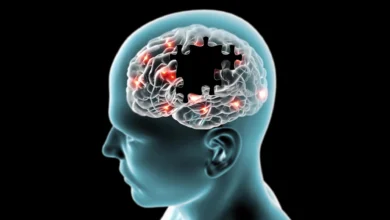
Untreated Sleep Apnea Linked to Significantly Higher Risk of Parkinson’s Disease According to New Large Scale Study of Veterans


Medical researchers have identified a profound correlation between untreated obstructive sleep apnea and the subsequent development of Parkinson’s disease, marking a significant advancement in our understanding of neurodegenerative risks. The study, published on November 24 in the prestigious journal JAMA Neurology, reveals that individuals who suffer from sleep apnea but do not utilize corrective treatments face nearly double the risk of a Parkinson’s diagnosis compared to those who manage the condition. By analyzing the health trajectories of millions of patients over more than two decades, the research team from Oregon Health & Science University (OHSU) and the Portland VA Health Care System has provided what is perhaps the most compelling evidence to date regarding the protective benefits of continuous positive airway pressure (CPAP) therapy in maintaining long-term brain health.
The findings are based on an exhaustive analysis of electronic health records from more than 11 million U.S. military veterans who received care through the Department of Veterans Affairs (VA) between 1999 and 2022. This massive dataset allowed researchers to track the long-term health outcomes of a diverse population, adjusting for a variety of confounding factors that often complicate smaller studies. The results suggest that the repetitive oxygen deprivation and sleep fragmentation characteristic of sleep apnea may serve as a catalyst for the neurological decline associated with Parkinson’s disease.
The Scope of the Study and the Power of Veteran Health Data
The sheer scale of this research project sets it apart from previous investigations into sleep and neurodegeneration. By utilizing the VA’s comprehensive electronic health record system, the research team, led by investigators from OHSU and the Portland VA, was able to observe health patterns across a twenty-three-year period. This longitudinal approach is critical for studying Parkinson’s disease, which typically develops slowly over several years or even decades.
Parkinson’s disease is a progressive neurological disorder that currently affects an estimated 1 million people in the United States. It is characterized by the loss of dopamine-producing neurons in the brain, leading to symptoms such as tremors, stiffness, and balance issues. While age is the most significant known risk factor—with the likelihood of diagnosis increasing steadily after age 60—environmental and lifestyle factors are increasingly being recognized as pivotal in determining an individual’s risk profile.
The study’s lead author, Lee Neilson, M.D., an assistant professor of neurology at the OHSU School of Medicine and a staff neurologist at the Portland VA, emphasized that the data points toward a clear, actionable path for prevention. The research indicates that while sleep apnea significantly elevates the risk of Parkinson’s, the use of CPAP therapy appears to mitigate that risk substantially. CPAP machines work by delivering a steady stream of pressurized air through a mask, preventing the airway from collapsing and ensuring that oxygen levels remain stable throughout the night.
Analyzing the Statistical Link: Untreated Apnea vs. CPAP Use
The core of the study’s findings lies in the comparison between veterans with untreated sleep apnea and those who actively used CPAP therapy. Even after the research team adjusted for significant variables—including age, body mass index (BMI), and hypertension—the association remained robust. The data showed that veterans with sleep apnea who did not use CPAP were roughly twice as likely to be diagnosed with Parkinson’s disease compared to those who adhered to the therapy.
This "doubling of risk" is a stark statistic in the field of neurology. Gregory Scott, M.D., Ph.D., a co-author of the study and assistant professor of pathology in the OHSU School of Medicine, noted that while the presence of sleep apnea does not guarantee a future Parkinson’s diagnosis, the statistical increase is too significant to ignore. "It significantly increases the chances," Scott stated, highlighting the importance of early intervention.
The study also delved into the biological mechanisms that might explain this link. Obstructive sleep apnea is defined by repeated episodes where breathing stops and starts, often leading to intermittent hypoxia (low blood oxygen levels). These fluctuations in oxygen can cause systemic inflammation and oxidative stress, both of which are known to damage sensitive neural tissues. Dr. Neilson explained that if neurons are deprived of normal oxygen levels night after night, their functional capacity diminishes. Over years of chronic deprivation, this lack of "neuronal resilience" may leave the brain more vulnerable to the protein misfolding and cellular death that characterize neurodegenerative conditions like Parkinson’s.
The Role of Sleep Health in Neurological Resilience
The concept of "neurological resilience" is gaining traction in the medical community as researchers seek ways to delay or prevent the onset of dementia and Parkinson’s. Sleep is increasingly viewed as a period of "waste clearance" for the brain, during which the glymphatic system flushes out toxic proteins such as alpha-synuclein, which is closely linked to Parkinson’s.
When sleep is disrupted by apnea, this clearance process is hindered. Furthermore, the physical stress of gasping for air triggers a sympathetic nervous system response, raising blood pressure and heart rate during a time when the body should be in a state of rest and repair. By using CPAP, patients are not just stopping a snoring problem; they are maintaining a stable physiological environment that allows the brain to perform its essential maintenance tasks.
The implications for clinical practice are immediate. Dr. Neilson indicated that these findings have already influenced his approach to patient care. For many neurologists, sleep history has often been a secondary consideration. However, this study suggests that screening for and aggressively treating sleep apnea should be a primary strategy in the management of aging patients, particularly those showing early signs of neurological vulnerability.
Patient Perspectives and Overcoming Barriers to CPAP Adherence
Despite the clear medical benefits, CPAP therapy has historically faced challenges regarding patient adherence. The devices can be bulky, the masks can feel restrictive, and the sound of the machine can be disruptive to sleep partners. However, the researchers noted a shift in sentiment among the veteran population.
According to Dr. Scott, many veterans who have committed to the therapy report life-changing benefits. "The veterans who use their CPAP love it," he said. "They feel better, they’re less tired." The research team hopes that by adding "Parkinson’s prevention" to the list of benefits—alongside improved energy, better heart health, and reduced daytime sleepiness—more patients will be motivated to overcome the initial discomfort of the device.
The study also serves as a reminder of the broader public health challenge posed by sleep disorders. It is estimated that up to 30 million people in the United States have obstructive sleep apnea, but a significant portion remains undiagnosed. Given the rising rates of Parkinson’s disease in an aging global population, increasing the rates of sleep apnea screening could serve as a major pillar in neurodegenerative disease prevention.
Chronology and Future Directions in Sleep Research
The publication of this study in November 2024 is the culmination of years of data gathering and collaborative effort. The timeline of the research reflects a growing trend in the 21st century to utilize "Big Data" to solve complex medical puzzles. From 1999 to 2022, the VA’s record-keeping evolved from early digital entries to a sophisticated national database, providing the researchers with a high-resolution view of patient health over time.
This study builds upon previous research that linked REM sleep behavior disorder (RBD)—a condition where people physically act out their dreams—to Parkinson’s. While RBD has long been considered a "prodromal" or early warning sign of Parkinson’s, the link with obstructive sleep apnea provides a different angle, focusing on a much more common and treatable sleep disorder.
The project involved a multi-disciplinary team, including experts in pathology, neurology, and sleep medicine. In addition to Scott and Neilson, contributors included Isabella Montano, Jasmin May, Jonathan Elliott, and Miranda Lim from OHSU and the Portland VA, as well as Yeilim Cho and Jeffrey Iliff from the University of Washington and the VA Puget Sound Health Care System.
Institutional Support and Funding
The research was supported by a wide array of grants and foundations, underscoring the perceived importance of the work. Primary funding came from the Department of Veterans Affairs through multiple grant awards (including BX005760 and CX00253). Additional support was provided by the John and Tami Marick Family Foundation, the Collins Medical Trust, and the National Institute on Aging of the National Institutes of Health (NIH).
The U.S. Army Medical Research Acquisition Activity also provided funding, reflecting the military’s interest in the long-term health and wellness of service members. The authors have clarified that the conclusions of the study are their own and do not necessarily represent the official views of the Department of Defense or the NIH.
Conclusion: A New Standard for Preventive Neurology
The findings published in JAMA Neurology represent a call to action for both healthcare providers and the public. As the global population ages, the burden of neurodegenerative diseases is expected to rise, creating a pressing need for low-cost, high-impact preventive measures. Sleep apnea treatment fits this description perfectly.
By identifying a nearly 200% increase in Parkinson’s risk among those with untreated apnea, this study moves sleep health from the periphery of wellness to the center of neurological preservation. For millions of people, the simple act of using a CPAP machine may not only improve their quality of life today but also safeguard their cognitive and motor functions for decades to come. As Dr. Neilson concluded, the evidence is now strong enough to change the way doctors talk to their patients about sleep, turning a nightly routine into a critical defense against one of the most challenging diseases of the modern era.