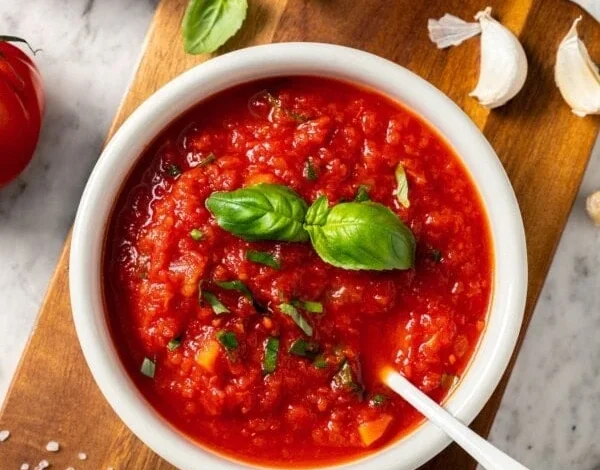
The enduring appeal of Italian cuisine lies not in complex techniques but in the artful simplicity of its core ingredients, a philosophy beautifully embodied by Filetto di Pomodoro. This classic tomato sauce, a staple in kitchens across Italy and beyond, offers a testament to how a few carefully selected components, combined with patient simmering, can yield extraordinary depth of flavor. The recipe, meticulously detailed and shared by culinary authority Gina Homolka of Skinnytaste.com, showcases a method that transforms humble crushed tomatoes, aromatic vegetables, and fresh basil into a versatile sauce that rivals any store-bought counterpart. Published on May 26, 2026, this recipe highlights a cooking process that takes approximately 1 hour and 5 minutes, yielding about 8 servings with a nutritional profile of 91 calories, 15.5 grams of carbohydrates, 0.5 grams of protein, 2 grams of fat, and 3.5 grams of fiber per cup.
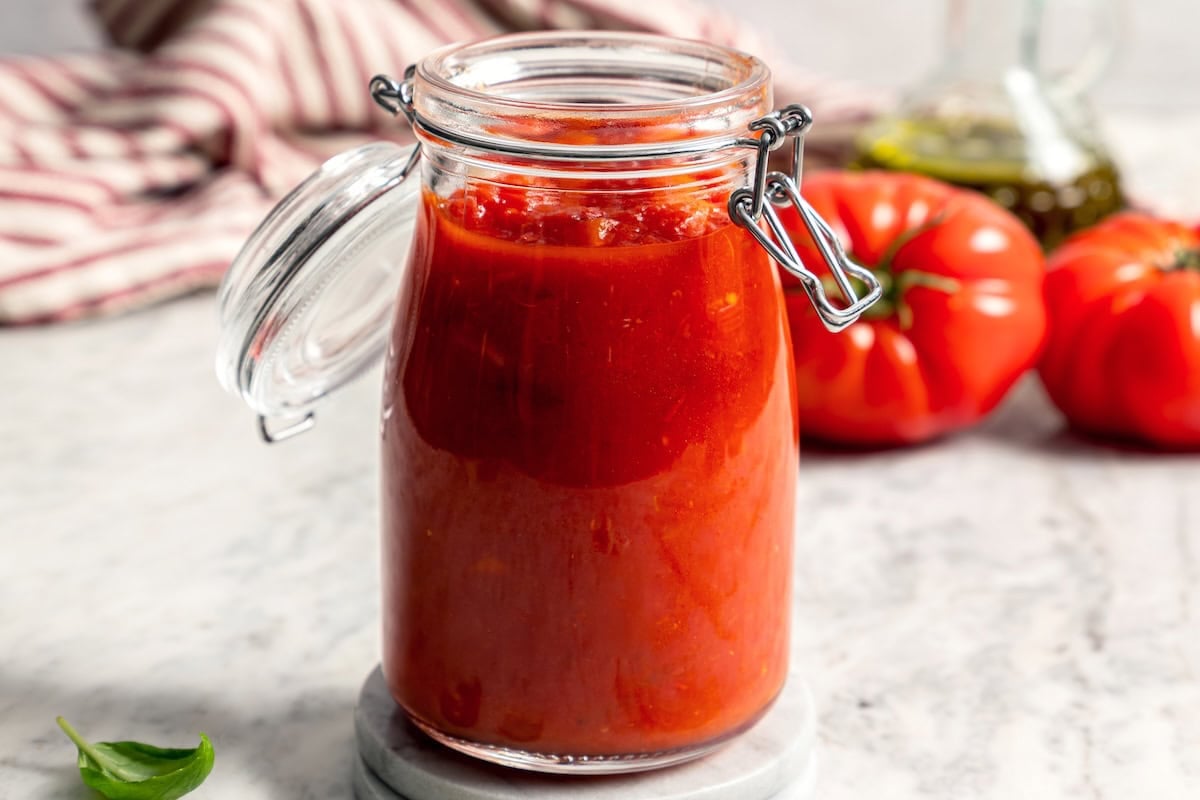
The genesis of this particular Filetto di Pomodoro recipe is rooted in tradition, originating from the personal recipe collection of a close friend of Homolka, Julia, an Italian cook renowned for her culinary prowess. Julia’s approach emphasizes the power of peak-season ingredients, often preparing large batches of this sauce during the summer months when tomatoes are at their most vibrant, preserving the flavor for year-round enjoyment. When fresh, home-grown tomatoes are not available, Julia opts for high-quality imported Italian canned tomatoes, a practice mirrored in Homolka’s presented recipe. This dedication to ingredient quality underscores a fundamental principle in authentic Italian cooking: the better the raw materials, the more exceptional the final dish.
The Essence of Filetto di Pomodoro
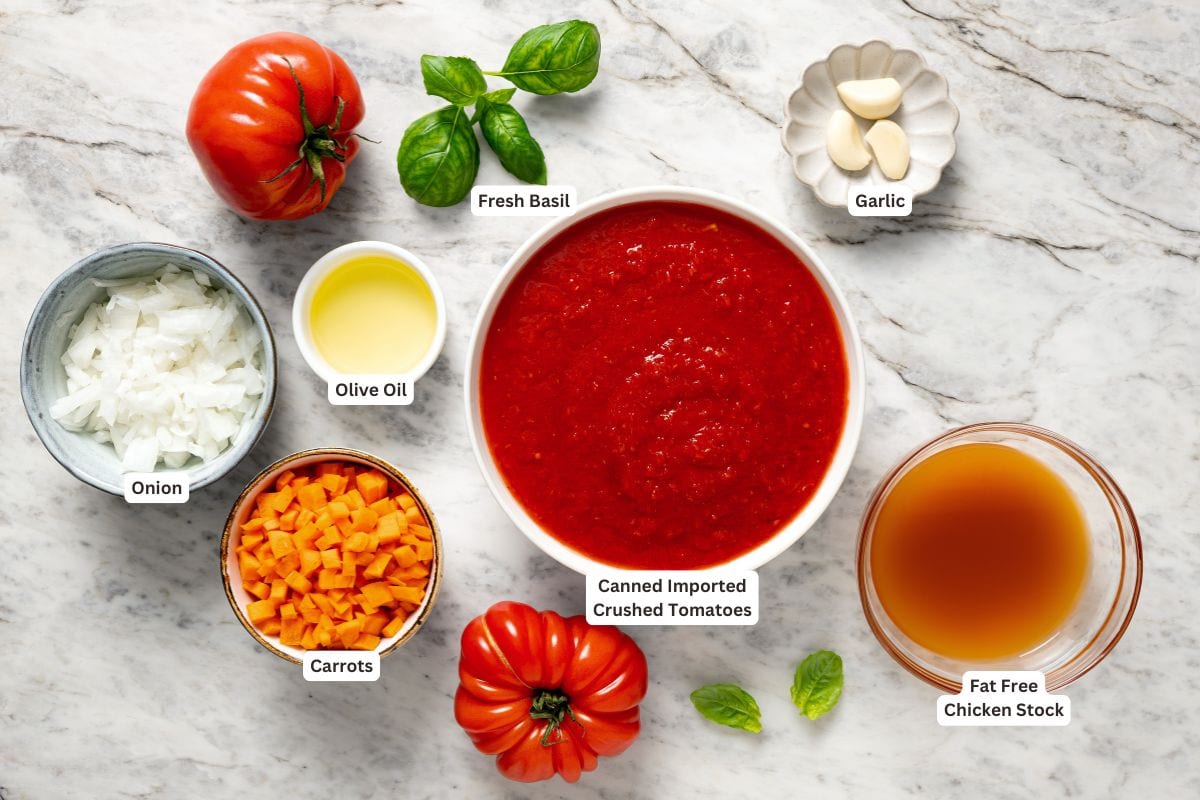
At its heart, Filetto di Pomodoro, meaning "little thread of tomato" in Italian, is a testament to culinary minimalism. The sauce’s richness and character are derived from the interplay of a few key elements. The inclusion of carrots provides a natural, subtle sweetness that balances the acidity of the tomatoes. Garlic and onions form the aromatic foundation, their flavors deepening and melding during the slow cooking process. Fresh basil, added towards the end, imparts its signature bright, herbaceous aroma, a quintessential note of Italian cooking. This careful selection of ingredients, combined with a patient simmering period on the stovetop, allows the flavors to concentrate and harmonize, creating a sauce that is both light and profoundly flavorful.

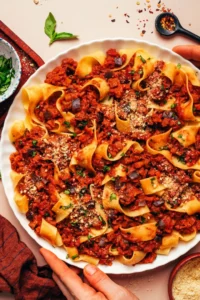
The versatility of this Filetto di Pomodoro is one of its most significant assets. Homolka notes its adaptability, suggesting it as a perfect accompaniment to classic pasta dishes like spaghetti, or as a foundational element for more elaborate preparations. It serves as an ideal base for Chicken Parmesan, adding a homemade touch that elevates the traditional dish. Furthermore, it integrates seamlessly into baked pasta recipes, such as Instant Pot baked ziti, offering a depth of flavor that store-bought sauces often lack. This adaptability makes it a valuable component in any home cook’s repertoire, simplifying weeknight meals without compromising on taste or quality.
A Glimpse into the Preparation Process
The creation of this Filetto di Pomodoro is designed to be straightforward, yet the results are remarkably sophisticated. The process begins with the foundational aromatics: carrots and onions are gently softened, laying the groundwork for the sauce’s flavor profile. This initial sautéing step is crucial, as it releases their inherent sweetness and begins the complex development of taste. Following this, crushed tomatoes are introduced, forming the core of the sauce. The addition of stock further enhances the liquid base, allowing for a more thorough extraction of flavors from the vegetables and tomatoes during the simmering stage.
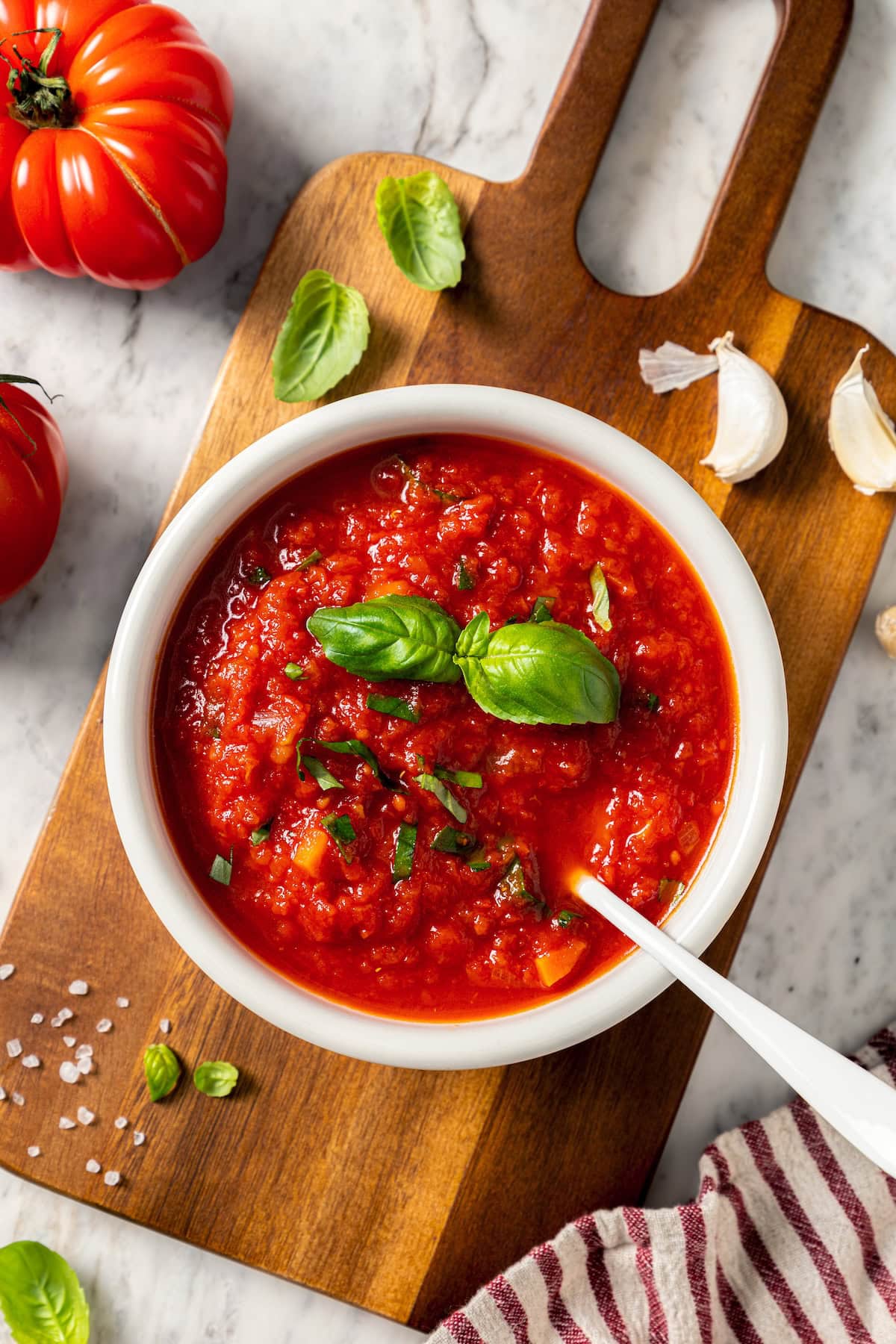
The magic of Filetto di Pomodoro truly unfolds during its extended simmer. This period, which extends for approximately one hour, is not merely about reducing the sauce; it is a transformative culinary process. As the sauce gently bubbles, the raw edges of the ingredients meld, creating a unified and complex flavor. The sweetness of the carrots becomes more pronounced, the garlic and onion develop a mellow, savory depth, and the tomatoes break down, releasing their rich essence. The slow cooking process also allows for a natural thickening, achieving a desirable consistency without the need for artificial thickeners. Finally, fresh basil is incorporated, its vibrant aroma awakening the palate and providing that essential Italian character.
Nutritional Value and Culinary Context
In an era where health-conscious eating is paramount, Filetto di Pomodoro stands out for its wholesome nutritional profile. The reported figures of 91 calories, 15.5 grams of carbohydrates, 0.5 grams of protein, 2 grams of fat, and 3.5 grams of fiber per serving underscore its status as a light yet satisfying option. The significant fiber content, primarily derived from the tomatoes and vegetables, contributes to digestive health and promotes satiety. The low calorie and fat content make it an ideal choice for individuals managing their weight or seeking to incorporate more nutrient-dense foods into their diet.

The historical context of tomato sauces in Italian cuisine further illuminates the significance of Filetto di Pomodoro. Tomatoes, though native to the Americas, were adopted into Italian culinary traditions in the 16th century, gradually becoming a cornerstone of the nation’s gastronomy. Early Italian recipes often featured simple preparations of tomatoes, emphasizing their natural flavor. Over time, these recipes evolved, incorporating regional variations and techniques, leading to the diverse array of tomato-based sauces that are celebrated today. Filetto di Pomodoro, with its direct and unadulterated approach, represents an early and enduring form of this culinary evolution, a direct link to the sauce’s historical roots.
Broader Implications and Culinary Trends
The enduring popularity of recipes like Homolka’s Filetto di Pomodoro speaks to a broader culinary trend: a return to authentic, simple, and wholesome cooking. In an age of increasingly processed foods and complex culinary fusions, there is a growing appreciation for dishes that celebrate the integrity of ingredients and time-honored preparation methods. This recipe resonates with consumers seeking to recreate the comforting and familiar flavors of home-cooked meals, often associated with heritage and tradition.

The emphasis on quality ingredients, particularly imported Italian tomatoes, also reflects a global awareness of food provenance and the impact of origin on flavor. Consumers are increasingly discerning, seeking out products that offer superior taste and authenticity. By recommending specific types of tomatoes, Homolka guides home cooks towards achieving the most genuine and satisfying results, reinforcing the idea that the quality of the raw materials is non-negotiable for achieving culinary excellence.
Furthermore, the recipe’s low-calorie and high-fiber profile aligns with contemporary health and wellness goals. The increasing demand for nutritious yet delicious meals positions Filetto di Pomodoro as a relevant and appealing option for a wide audience. Its simplicity also makes it accessible to novice cooks, encouraging them to explore homemade alternatives to commercially produced sauces, thereby fostering a greater connection to their food and its preparation.
In conclusion, Filetto di Pomodoro, as presented by Gina Homolka, is more than just a recipe; it is a culinary philosophy. It embodies the Italian dedication to simplicity, quality ingredients, and the transformative power of patient cooking. Its enduring appeal lies in its ability to deliver profound flavor with minimal fuss, making it a timeless and invaluable addition to any kitchen, a true taste of Italian tradition that continues to nourish and delight.