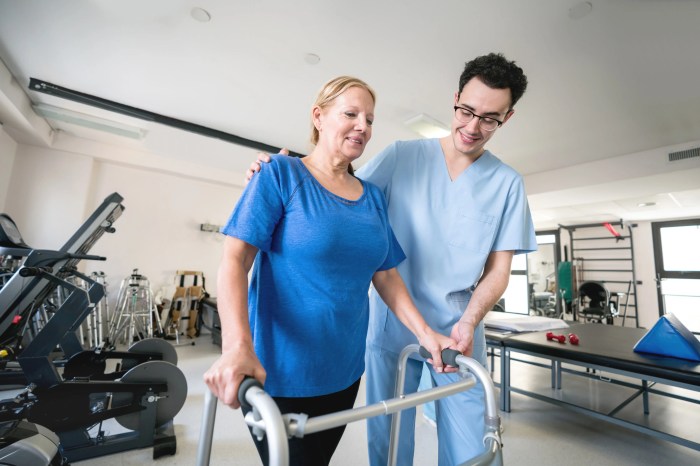
Rehabilitation protocol after a total knee replacement is crucial for a successful recovery. This guide breaks down the process into distinct phases, from the initial weeks to long-term considerations. Understanding the exercises, activities, and important aspects of recovery can help you achieve optimal results and minimize potential complications.
This protocol covers everything from the early days post-surgery, where gentle exercises and pain management are paramount, to the advanced phase, where you’ll gradually increase your activity levels and build strength. Long-term maintenance and strategies for managing chronic pain are also addressed, emphasizing the ongoing nature of the recovery journey.
Introduction to Total Knee Replacement Rehabilitation
Recovering from a total knee replacement is a journey, not a sprint. A comprehensive rehabilitation program is crucial for regaining function, reducing pain, and achieving the best possible outcome. This program is tailored to your specific needs and recovery progress, ensuring a safe and effective return to daily activities. The program’s phases are designed to progressively increase your strength, range of motion, and endurance, ultimately helping you lead a more active and fulfilling life.The rehabilitation process after a total knee replacement typically involves several distinct phases, each focusing on specific goals.
These phases build upon each other, gradually increasing the intensity and complexity of exercises and activities. This structured approach allows for careful monitoring of your progress, adjustment of the program as needed, and minimizes the risk of complications.
Phases of Total Knee Replacement Rehabilitation
The rehabilitation program is divided into distinct phases, each with specific goals and activities. A typical program often involves a pre-operative phase, followed by phases focusing on early mobility, strengthening, and functional activities.
- Pre-operative Phase: This phase involves education about the surgery, the rehabilitation program, and the importance of adherence. It also includes exercises to improve muscle strength and flexibility, and strategies for pain management. This preparation helps patients feel more confident and prepared for the procedure and the subsequent recovery.
- Early Mobility Phase (Post-operative): The initial focus is on regaining range of motion and promoting healing. This phase includes gentle exercises, pain management strategies, and gradual increases in activity levels. The goal is to reduce swelling, improve joint mobility, and build a foundation for future exercises.
- Strengthening Phase: This phase focuses on building the strength and endurance of the muscles surrounding the knee. Exercises are designed to gradually increase the load on the joint, while maintaining proper form and avoiding excessive stress. Gradually increasing the weight and resistance builds muscle mass and support for the knee.
- Functional Activities Phase: This phase involves integrating exercises into daily activities. It aims to improve balance, coordination, and functional mobility. This may include exercises that mimic everyday movements, such as walking, stair climbing, and other activities relevant to the patient’s lifestyle.
Importance of Adherence to the Rehabilitation Protocol
Adherence to the prescribed rehabilitation protocol is paramount for a successful recovery. Consistency and effort in following the exercises and recommendations play a critical role in achieving the desired outcomes.
- Improved Outcomes: Adherence to the protocol directly impacts the recovery process. Patients who diligently follow the program typically experience faster recovery, reduced pain, and a more substantial return to their pre-surgery activities.
- Reduced Complications: Following the rehabilitation protocol helps prevent complications such as infections, stiffness, and persistent pain. Consistency in the exercises and the proper implementation of the rehabilitation process are key to avoiding these complications.
- Enhanced Functionality: The protocol is specifically designed to help patients regain their functionality. Adherence to the exercises and activities allows for the rebuilding of the muscles, tendons, and ligaments around the knee, which is vital for a smooth recovery and optimal function.
Common Goals of the Rehabilitation Process
The goals of the rehabilitation process after a total knee replacement are multifaceted, encompassing physical, functional, and psychological well-being.
- Pain Management: Effective pain management is crucial throughout the rehabilitation process. This involves using a combination of medication, physical therapy, and lifestyle adjustments.
- Improved Range of Motion: Regaining full range of motion in the knee joint is a primary goal, allowing for comfortable and natural movement.
- Restoration of Function: The ultimate goal is to help patients return to their pre-surgery activities and lifestyle as much as possible.
- Increased Strength and Endurance: Strengthening the muscles surrounding the knee joint is crucial for stability, balance, and preventing future problems.
Early Phase Rehabilitation (First Few Weeks): Rehabilitation Protocol After A Total Knee Replacement

The first few weeks after total knee replacement surgery are crucial for establishing a strong foundation for long-term recovery. This period focuses on regaining basic movement, managing pain effectively, and preventing complications. Careful adherence to the rehabilitation protocol is essential to ensure optimal healing and a smooth transition to the next phases.
Essential Exercises and Activities
Early exercises are designed to improve range of motion, strengthen supporting muscles, and promote healing. These exercises are typically performed with the assistance of physical therapists, who provide personalized guidance and support.
- Gentle Range of Motion Exercises: These exercises are crucial for preventing stiffness and maintaining flexibility in the knee joint. Examples include passive range of motion (PROM) exercises where a physical therapist or caregiver moves the joint through its range, and active-assisted range of motion (AAROM) where the patient actively participates, assisted by the therapist or caregiver. These exercises are gradually increased as tolerance and healing permit.
Recovering from a total knee replacement involves a structured rehabilitation protocol, focusing on regaining strength and mobility. A crucial component of this protocol is incorporating spinal extension and flexion exercises, which are vital for overall postural alignment and core strength. Learning these exercises can greatly improve your recovery journey, and you can find more information about spinal extension and flexion exercise to further enhance your rehabilitation.
Properly executing these exercises, alongside other prescribed therapies, significantly accelerates the healing process and helps you get back to your daily activities faster after your total knee replacement.
- Quadriceps Strengthening Exercises: Strengthening the quadriceps muscle group is vital for knee stability and function. Exercises like straight leg raises, and quad sets (squeezing the quadriceps muscle) are often prescribed, starting with very light resistance. These exercises are performed both with the knee straight and bent, according to the patient’s ability and pain tolerance.
- Gentle Walking and Stair Climbing: Early mobilization, such as short periods of walking with crutches or a walker, helps improve circulation, reduce stiffness, and build confidence. Stair climbing is gradually introduced, keeping the number of steps and repetitions manageable and within pain limits.
Activities to Avoid
Certain activities can hinder the healing process and potentially increase the risk of complications during the early phase. A clear understanding of what to avoid is essential.
- Heavy Lifting or Strenuous Activities: Avoid activities that put excessive stress on the knee joint, as this can impede the healing process and potentially cause damage to the surgical site.
- Overexertion: It’s crucial to avoid pushing the limits of the knee joint, especially in the initial weeks. Gradually increasing activity and listening to the body’s signals are key.
- Activities that Increase Swelling or Pain: Activities that aggravate swelling or cause significant pain should be avoided to protect the healing knee.
Pain Management Strategies
Effective pain management is vital for maintaining comfort and promoting adherence to the rehabilitation program. A multi-faceted approach is often employed.
- Medications: Prescription pain relievers, as directed by the physician, are commonly used to manage pain. Non-steroidal anti-inflammatory drugs (NSAIDs) may also be prescribed to reduce inflammation. Over-the-counter pain relievers should be used with caution and only as directed by the physician.
- Ice Packs: Applying ice packs to the surgical area helps reduce swelling and pain. Ice should be applied in 15-20 minute intervals, several times a day.
- Physical Therapy: Physical therapists are trained to provide personalized pain management strategies, including techniques like massage and electrical stimulation.
Sample Daily Routine (First 2 Weeks)
| Time | Activity |
|---|---|
| Morning | Gentle range of motion exercises, quad sets, light walking with crutches |
| Mid-day | Ice pack application, light elevation of the leg, pain medication as needed |
| Afternoon | Repeat range of motion exercises, gentle stretching, short walks |
| Evening | Warm bath or shower, gentle massage, pain medication as needed |
This is a sample routine and may need to be adjusted based on individual needs and tolerance.
Intermediate Phase Rehabilitation (Weeks 3-6)
The intermediate phase of your total knee replacement rehabilitation marks a significant step towards regaining your mobility and strength. This phase builds upon the foundation laid in the early weeks, focusing on increasing range of motion, strengthening crucial muscles, and improving balance and coordination. It’s crucial to remember that progress is gradual and tailored to your individual needs and recovery.
Listen to your body, and don’t hesitate to communicate any discomfort or concerns to your physical therapist.
Comparing Early and Intermediate Phase Exercises
The intermediate phase takes the exercises from the early phase and progressively increases their intensity and complexity. Activities like controlled range of motion exercises, which initially focused on pain-free movement, now emphasize achieving a greater range and flexibility. Strengthening exercises move from simple, assisted movements to more independent and challenging exercises that target specific muscle groups. Walking distances and durations are expanded, preparing you for more demanding daily activities.
Gradual Increase in Range of Motion Exercises
Range of motion exercises in this phase focus on achieving a greater range of motion in the knee joint. This involves progressively increasing the angles of flexion and extension, aiming for a more natural and comfortable movement pattern. The exercises are designed to be pain-free and promote flexibility. Physical therapists will guide you through exercises to ensure you’re moving safely and effectively.
Progressive Strengthening Exercises
Strengthening exercises in the intermediate phase progressively increase the resistance and repetitions for quadriceps and hamstring exercises. Early phase exercises may involve light resistance bands or assisted machines. In the intermediate phase, you’ll likely transition to free weights, resistance machines with increased settings, and bodyweight exercises. Examples include leg press, hamstring curls, and variations of squats. Your physical therapist will tailor the exercises to your specific needs and progress.
Importance of Balance and Coordination Training
Balance and coordination training are vital for preventing falls and improving your overall stability. As you regain strength and mobility, incorporating exercises that challenge your balance is essential for a safe and confident return to daily activities. These exercises improve your ability to maintain stability while performing everyday tasks, which will improve your independence.
Exercises for Improving Balance
| Exercise | Description | Frequency | Duration |
|---|---|---|---|
| Standing on one leg | Stand on one leg with eyes open, then closed. Gradually increase the duration as your balance improves. | 3 sets | 30 seconds per leg (eyes open), 15-30 seconds per leg (eyes closed). |
| Heel raises | Slowly raise up onto the balls of your feet, then lower back down. Maintain good posture and control. | 3 sets | 10-15 repetitions |
| Walking | Increase walking distance and duration gradually. Vary terrain (e.g., uneven surfaces) to further enhance balance. | As tolerated | Increase gradually |
| Standing on a wobble board | Stand on a wobble board for increasing periods of time, maintaining balance. This exercise enhances proprioception and balance. | 2-3 times a day | 5-10 minutes |
Advanced Phase Rehabilitation (Weeks 7-12+)
The advanced phase of your total knee replacement rehabilitation journey focuses on building strength, improving functional mobility, and gradually increasing your activity levels. This period is crucial for achieving a higher level of independence and preparing you for more demanding daily tasks and activities. This phase emphasizes progressive loading and controlled exercises to maximize your recovery and minimize the risk of complications.This stage involves a gradual increase in exercise intensity and complexity, moving from controlled movements to more functional activities.
You’ll work on improving your balance, coordination, and overall strength to ensure a safe and effective return to your desired activities. This is also the time to refine your technique and address any remaining limitations.
Functional Mobility and Strength Exercises
This period focuses on building strength and endurance, while maintaining a focus on functional tasks. Exercises should incorporate controlled movements that mirror real-life activities, such as walking, stair climbing, and getting up from chairs. Progressive resistance exercises are key for strengthening the muscles around the knee joint. Exercises like leg press, hamstring curls, and quadriceps exercises are essential for building strength and improving overall lower-body function.
- Walking: Gradually increase walking distances and speed, incorporating inclines and declines as tolerated. Start with shorter distances and gradually increase the duration and intensity of your walks. Use supportive footwear and ensure you maintain proper form.
- Stair Climbing: Begin with one or two steps at a time, ensuring your leg muscles are adequately supporting your weight. Gradually increase the number of steps you climb, taking your time and using proper form to avoid strain. Practice going up and down to develop both strength and coordination.
- Balance Exercises: Incorporate exercises that challenge your balance, such as single-leg stance and heel-toe walking. These exercises help to improve your stability and coordination around the knee. Examples include standing on one leg with eyes open and closed, and tandem walking.
- Resistance Training: Increase the weight or resistance in your strength training exercises. Consider incorporating machines like leg press, hamstring curls, and leg extensions. Ensure you maintain proper form to prevent injury.
Gradual Increase in Activity Levels
A crucial aspect of this phase is the controlled progression of daily activities. It is essential to listen to your body and avoid pushing yourself too hard, too soon. Increase the intensity and duration of activities gradually. This approach will allow your body to adapt and prevent potential complications.
Recovering from a total knee replacement involves a structured rehabilitation protocol, focusing on gradual movement and strength building. However, patients often experience fatigue symptoms during this process. Understanding the causes, diagnosis, and treatment of fatigue, like those discussed in detail in this helpful resource on fatigue symptoms causes diagnosis and treatment , can be incredibly beneficial. This knowledge can help you better manage these common side effects and stay motivated throughout your rehabilitation journey.
- Daily Tasks: Gradually incorporate more demanding daily tasks like carrying groceries, climbing stairs, or getting up from a chair. Start with shorter durations and gradually increase the amount of time you spend on these tasks. For example, begin with a few trips up and down the stairs before increasing the number of trips.
- Walking on Inclines: Gradually increase the incline of your walking surfaces, such as hills or inclines. Start with gentle inclines and progressively increase the gradient. Ensure proper form and take breaks when needed.
Maintaining a Healthy Weight and Diet
Maintaining a healthy weight is crucial for knee health after a total knee replacement. Excess weight puts additional stress on the knee joint, potentially hindering your recovery. A balanced diet rich in protein, vitamins, and minerals is essential for tissue repair and overall well-being.
- Dietary Recommendations: Focus on nutrient-rich foods such as fruits, vegetables, lean protein, and whole grains. Limit processed foods, sugary drinks, and excessive saturated fats. Consulting a registered dietitian can provide personalized dietary guidance.
- Weight Management: If necessary, work with a nutritionist to create a healthy eating plan that supports your weight loss goals. This will help prevent excess stress on the knee and promote faster recovery.
Sport-Specific Exercises (If Applicable)
If you wish to return to sports or specific activities, it’s important to consult with your physical therapist. They can help you design a tailored program that incorporates sport-specific exercises.
- Consult with your physical therapist: Discuss your specific goals and any concerns with your physical therapist to develop a safe and effective exercise program.
Preventing Potential Complications
Maintaining good habits and listening to your body is essential to prevent complications. Rest, ice, compression, and elevation (RICE) can help manage any swelling or discomfort.
- Monitoring for Pain and Swelling: Regularly monitor for any unusual pain or swelling. Report any concerning symptoms to your physical therapist or doctor immediately.
- Maintaining Good Posture: Maintain good posture while performing daily activities to reduce stress on the knee joint. Be mindful of your posture when sitting, standing, and walking.
- Using Proper Technique: Always use proper form when performing exercises and daily activities. If unsure about proper technique, ask your physical therapist or doctor.
Long-Term Considerations
Your journey after total knee replacement isn’t just about the initial recovery; it’s about long-term well-being. This phase focuses on maintaining the gains made during rehabilitation, preventing future issues, and ensuring a comfortable and active life. Consistent effort and adaptation are key to achieving and sustaining optimal knee health and function.Long-term success hinges on understanding the importance of continued physical therapy, incorporating specific exercises into daily routines, managing potential pain, adapting daily activities, and maintaining flexibility and mobility.
This ensures your new knee continues to function as intended, and you can enjoy a fulfilling life.
Ongoing Physical Therapy for Long-Term Knee Health
Physical therapy isn’t just for the initial recovery period; it’s an ongoing process for maintaining joint health and preventing future problems. Regular check-ups and exercises prescribed by a physical therapist are crucial for maintaining the strength and flexibility of the knee joint. This proactive approach prevents stiffness, muscle weakness, and pain, which are common long-term issues without consistent maintenance.
Exercises for Maintaining Joint Health and Strength
Maintaining the strength and flexibility of the muscles surrounding the knee is vital for long-term health. These exercises help prevent future pain and maintain mobility. A combination of strengthening and range-of-motion exercises is essential. For example, quadriceps strengthening exercises are crucial for supporting the knee joint. Simple exercises like leg raises, wall slides, and stationary bike rides can be beneficial.
- Quadriceps Strengthening: Regular quadriceps exercises help maintain the strength of the muscles that support the knee. Examples include straight leg raises, knee extensions, and wall slides. These exercises are crucial for stability and preventing pain.
- Hamstring Strengthening: Hamstring exercises maintain the balance of muscle strength around the knee. Exercises like hamstring curls and glute bridges can help prevent stiffness and improve knee function.
- Range of Motion Exercises: These exercises help maintain the flexibility of the knee joint, preventing stiffness and improving mobility. Examples include gentle knee bends, ankle circles, and heel slides. Consistency is key for long-term benefits.
Managing Chronic Pain
Chronic pain after a total knee replacement is a possibility. Strategies for managing this pain include medication as prescribed by your physician, applying ice or heat, and using assistive devices like braces or canes. Regular physical therapy sessions can also help manage pain through tailored exercises and pain management techniques.
- Medication Management: Follow your doctor’s instructions carefully regarding pain medication. Don’t adjust dosages without consulting your physician.
- Heat and Ice Therapy: Applying ice or heat packs can help alleviate pain and inflammation. Proper application and duration are important for optimal results.
- Assistive Devices: Braces, canes, and other assistive devices can provide support and reduce stress on the knee, aiding in pain management.
Adapting Daily Activities for Long-Term Use
Adapting daily activities to accommodate the new knee is essential for long-term comfort and functionality. This includes modifying activities that put excessive stress on the knee, such as stair climbing, lifting heavy objects, or prolonged standing. Modifying daily routines to reduce strain on the knee can significantly improve long-term outcomes.
- Stair Climbing Modifications: Use the handrail and take your time ascending and descending stairs. Consider using a stair lift for prolonged use of stairs.
- Lifting Modifications: Avoid lifting heavy objects without proper support. If necessary, use assistive devices for lifting. Proper body mechanics and support are crucial.
- Prolonged Standing Modifications: Take breaks frequently when standing for long periods. Use a chair or stool to rest the knee when possible. Using appropriate footwear is important.
Strategies for Maintaining Flexibility and Mobility
Maintaining flexibility and mobility is crucial for long-term knee health and well-being. Regular stretching, yoga, and aquatic therapy are excellent ways to maintain and improve flexibility. Staying active and engaging in low-impact exercises help maintain mobility and prevent stiffness.
- Regular Stretching: Consistent stretching helps maintain flexibility and range of motion in the knee. Stretching before and after physical activity is recommended.
- Yoga and Aquatic Therapy: These practices provide gentle movements that help maintain flexibility and mobility while reducing stress on the knee joint. These are great for long-term maintenance.
- Low-Impact Exercise: Walking, swimming, and cycling are examples of low-impact exercises that can maintain mobility without excessive stress on the knee.
Patient Education and Compliance

The success of total knee replacement rehabilitation hinges significantly on patient engagement and understanding. Effective patient education empowers individuals to actively participate in their recovery journey, fostering compliance with the prescribed protocol. This active involvement directly impacts the speed and quality of the recovery process. A well-informed patient is more likely to follow instructions, attend therapy sessions, and make necessary lifestyle adjustments for optimal outcomes.A strong partnership between the patient, surgeon, and physical therapist is crucial for a successful rehabilitation.
Clear communication and consistent education play a vital role in achieving desired results. This partnership empowers patients to make informed decisions and actively participate in their recovery. Understanding the rehabilitation process is essential for adherence to the plan.
Importance of Patient Education
Comprehensive patient education is fundamental to the success of total knee replacement rehabilitation. It equips patients with the knowledge and tools to effectively manage their recovery, reducing anxieties and promoting active participation. Well-informed patients are more likely to understand the rationale behind exercises, precautions, and lifestyle modifications. This fosters a sense of control and empowers patients to take ownership of their recovery.
Patients who fully understand the expected timeline and potential challenges are better prepared to overcome obstacles.
Strategies for Promoting Patient Compliance
Effective communication is key to promoting patient compliance. Clearly explaining the benefits of adhering to the rehabilitation protocol, addressing potential concerns, and providing regular feedback can significantly improve adherence. Simple, clear instructions and visual aids can make complex information more accessible to patients. Utilizing visual aids, like diagrams, videos, and handouts, can greatly assist patients in understanding the exercises and precautions.
Examples of Encouraging Patient Participation
Encouraging patient participation goes beyond just providing instructions. Active involvement is fostered through interactive sessions, including demonstrations and practical application of exercises. Demonstrating the exercises alongside the patient, using clear and simple language, and encouraging questions, creates a supportive learning environment. Setting realistic goals and celebrating milestones, big or small, reinforces positive behaviors and maintains motivation.
Role of Communication, Rehabilitation protocol after a total knee replacement
Open communication between the patient, surgeon, and physical therapist is paramount. Regular check-ins, feedback sessions, and opportunities for questions facilitate a collaborative approach to rehabilitation. A well-structured communication system ensures that any concerns or questions are addressed promptly and effectively. The surgeon’s input regarding the patient’s overall health and specific needs can greatly influence the physical therapist’s approach, leading to a more tailored rehabilitation plan.
Consistent communication maintains a clear understanding of the patient’s progress and any adjustments required. Regular meetings provide a forum for discussing challenges, offering support, and modifying the plan as needed. Clear communication channels between all parties ensure that the patient feels supported and informed throughout the entire process.
Potential Complications and Management
Navigating the road to recovery after a total knee replacement involves careful attention to potential complications. While most individuals experience a smooth and successful rehabilitation journey, understanding the possible hurdles and how to manage them can empower you to proactively address any issues that arise. This section Artikels potential complications, strategies for management, and the importance of recognizing warning signs.Post-operative complications, though less common, can significantly impact the recovery process.
Recovering from a total knee replacement involves a meticulous rehabilitation protocol, focusing on gentle exercises and gradually increasing activity. It’s a journey, not a sprint, and patience is key. One thing that really helped me understand the importance of gradual progress was reading about how I improved my symptoms of BVD. how i improved my symptoms of bvd really highlighted the need for consistent effort and listening to my body.
Ultimately, the rehabilitation protocol after my knee replacement has been about gradual strength building and managing pain effectively.
Understanding these complications and the appropriate management strategies are crucial for a swift and complete recovery. Early detection and prompt medical intervention can minimize the impact of these issues.
Potential Post-Operative Complications
Post-operative complications are a possibility after total knee replacement surgery. They can range from relatively minor issues to more severe problems requiring immediate medical attention. Recognizing the warning signs and knowing when to seek help is essential for effective management.
- Infection: Infection at the surgical site is a serious concern. Signs of infection include increased pain, swelling, redness, warmth, drainage from the incision, fever, and chills. Prompt medical attention is crucial for effective treatment, often involving antibiotics and, in severe cases, further surgical intervention.
- Deep Vein Thrombosis (DVT): DVT is the formation of blood clots in the deep veins, often in the legs. Symptoms may include swelling, pain, redness, or warmth in the affected leg. Prevention strategies include compression stockings, early mobilization, and anticoagulant medication. Severe DVT can lead to pulmonary embolism (PE).
- Pulmonary Embolism (PE): A PE occurs when a blood clot from a DVT travels to the lungs, obstructing blood flow. Symptoms include shortness of breath, chest pain, rapid heart rate, and coughing up blood. This is a life-threatening complication that necessitates immediate medical attention.
- Stiffness: Stiffness in the knee joint is a common issue, especially in the early recovery phase. Physical therapy exercises, along with patient compliance and proper stretching, can help mitigate stiffness. This can also be addressed through targeted physical therapy exercises.
- Nerve Damage: While rare, nerve damage around the surgical site can cause pain, numbness, or tingling in the leg or foot. This typically resolves over time with proper nerve management and follow-up care.
- Dislocation: Dislocation of the prosthesis is a possible complication. Symptoms may include pain, instability, and difficulty with range of motion. Prompt medical attention is needed for reduction and stabilization.
- Swelling and Hematoma: Significant swelling and hematoma formation are common after surgery. Compression therapy, elevation, and appropriate pain management strategies are vital to minimize these issues.
Managing Swelling, Pain, and Infection
Managing swelling, pain, and infection effectively is crucial during the rehabilitation process. Prompt and appropriate management minimizes the negative impact on recovery and overall well-being.
- Swelling: Elevation of the affected leg, compression therapy (with compression stockings), and regular ice application can help reduce swelling. Proper positioning and movement are essential to avoid worsening swelling.
- Pain: Pain management strategies include medication as prescribed by your physician, along with physical therapy techniques to reduce pain and improve range of motion. Physical therapy can help patients develop coping mechanisms and improve pain management.
- Infection: If you suspect an infection, immediately contact your physician. Early diagnosis and appropriate treatment are critical to preventing the spread of infection.
Recognizing Warning Signs and Seeking Immediate Medical Attention
Recognizing warning signs is essential for prompt intervention and successful recovery. A proactive approach, combined with close monitoring, can significantly improve outcomes.
- Increased Pain: A sudden or significantly increased pain level that does not respond to usual pain management strategies warrants immediate medical attention. This can indicate a potential complication requiring immediate medical intervention.
- Fever and Chills: Fever and chills can signal infection. Immediate medical consultation is necessary.
- Redness, Warmth, or Drainage: These signs at the surgical site may indicate infection. Prompt medical evaluation is vital.
- Shortness of Breath, Chest Pain, or Coughing Up Blood: These symptoms could indicate a PE. Seek immediate medical attention.
- Numbness, Tingling, or Weakness: These symptoms may signal nerve damage. Contact your physician promptly.
Equipment and Aids
Navigating the post-surgery landscape of total knee replacement often involves a supportive cast of equipment. These aids are crucial for managing pain, restoring mobility, and promoting healing. Proper selection and use are paramount to a successful recovery.The right tools can significantly enhance your comfort and progress through the rehabilitation journey. Careful consideration of these aids allows you to safely and effectively rebuild strength and functionality, enabling a quicker return to your daily activities.
Assistive Devices for Mobility
Mobility aids like crutches, walkers, and canes are essential during the early stages of recovery. These devices help reduce stress on the new knee joint and prevent falls, allowing you to safely navigate around. Choosing the right aid depends on your individual needs and the stage of your recovery.
- Crutches: Crutches are often the first choice for temporary support. They distribute weight across your arms and reduce pressure on the knee joint. The proper crutch height is vital for comfort and balance. Ensure the crutches fit comfortably under your armpits and that the hand grips are within reach.
- Walkers: Walkers offer a more stable and independent option than crutches, allowing for wider steps and increased confidence. A walker provides a broad base of support and allows for a smoother transition from sitting to standing. Look for a walker with adjustable height settings to ensure a comfortable and safe experience.
- Canes: Canes provide a light support for balance and stability, primarily for individuals with minimal mobility limitations. They are particularly helpful when you are walking around for short periods of time and need only a minor assistance to maintain your stability.
Safe Selection and Use of Mobility Aids
Proper use of mobility aids is crucial for safety and effectiveness. Incorrect use can lead to injuries or hinder recovery.
- Crutch Usage: When using crutches, keep your weight balanced between your hands and your unaffected leg. Avoid leaning too heavily on one side. Take small, controlled steps, ensuring each foot is placed firmly on the ground. Practice proper crutch technique with your physical therapist to ensure proper form.
- Walker Usage: Position the walker in front of you, slightly ahead of your body. Take steps by moving both feet together, positioning them directly beneath the walker’s supports. Maintain a steady pace and ensure you have adequate space to avoid collisions.
- Cane Usage: Hold the cane on the side opposite to your affected leg. Maintain a steady pace, and ensure the cane is supporting your weight. Avoid rushing while using the cane.
Braces and Supports
Braces or supports are frequently used to stabilize the knee joint during rehabilitation. They provide additional support, especially during the initial stages of recovery, to control swelling and limit joint movement.
- Post-operative Knee Braces: These braces are commonly used to control swelling and limit range of motion during the early weeks after surgery. They can offer compression and support to prevent excessive movement of the knee joint. Specific instructions on the range of motion restrictions should be followed to aid in healing.
- Compression Sleeves: These sleeves offer support and compression to the knee, which can help reduce swelling and improve circulation. They are usually recommended to maintain proper circulation and minimize pain, and swelling during the initial phases of recovery.
Importance of Proper Fitting and Usage
Ensuring a proper fit and understanding how to use assistive devices correctly is crucial. A poorly fitted or misused device can impede your recovery and potentially cause harm.
- Fitting: Have your physical therapist assess the correct size and fit of your crutches, walkers, and braces. Proper fitting is crucial to maximize comfort and support, and to avoid undue strain on the affected limb.
- Usage: Follow your physical therapist’s instructions precisely. Learn the correct technique for using each device and practice it regularly to build muscle memory. This will allow you to move efficiently and safely during your recovery.
Nutrition and Exercise
Fueling your body with the right nutrients and incorporating regular exercise are crucial for a successful recovery after total knee replacement. A balanced approach to nutrition and exercise helps manage pain, promote healing, and regain strength and mobility more quickly. Proper nutrition provides the building blocks for tissue repair, while exercise strengthens muscles, improves flexibility, and reduces stiffness.The combination of a healthy diet and a well-structured exercise program will significantly impact your overall recovery journey, enabling you to return to daily activities more comfortably and efficiently.
Healthy Food Choices for Recovery
A balanced diet is essential for supporting your body’s recovery process. Prioritize nutrient-rich foods that promote healing and muscle repair. Focus on foods rich in protein, fruits, vegetables, and whole grains.
- Protein-rich foods like lean meats, fish, beans, and eggs are vital for rebuilding and repairing tissues damaged during surgery. Protein is essential for muscle growth and maintenance, which is crucial for regaining strength and mobility.
- Fruits and vegetables are excellent sources of vitamins, minerals, and antioxidants, which aid in the body’s natural healing process. Leafy greens, berries, and citrus fruits provide essential nutrients to support overall health.
- Whole grains, such as brown rice, quinoa, and oats, provide sustained energy and essential fiber, promoting digestive health and aiding in nutrient absorption. They contribute to a balanced diet that fuels the body for recovery.
Incorporating Exercise into Daily Life
Regular exercise is paramount for maintaining strength, flexibility, and range of motion after knee replacement. Start with low-impact exercises and gradually increase the intensity as your body heals and recovers. Consult your physical therapist for a personalized exercise plan.
- Gentle exercises, such as walking, stationary cycling, and water aerobics, are suitable for the early stages of recovery. These exercises promote blood circulation and reduce stiffness while minimizing stress on the new knee.
- As your strength and mobility improve, you can gradually incorporate more challenging exercises, such as light weightlifting and resistance bands. This gradual progression strengthens the muscles around the knee, enhancing stability and preventing future injuries.
- Regular stretching exercises are crucial for maintaining flexibility and range of motion. Gentle stretching routines help to prevent stiffness and improve overall mobility.
Nutrition Guidelines for Optimal Recovery
This table provides a general guideline for the types of foods to include in your diet to support optimal recovery. Consult your physician or a registered dietitian for personalized dietary recommendations.
| Category | Example Foods | Benefits |
|---|---|---|
| Protein | Lean meats, fish, beans, eggs, Greek yogurt | Muscle repair and growth, essential for regaining strength |
| Fruits and Vegetables | Berries, leafy greens, citrus fruits, broccoli | Vitamins, minerals, antioxidants, crucial for overall health |
| Whole Grains | Brown rice, quinoa, oats, whole-wheat bread | Energy, fiber, supports digestive health |
| Healthy Fats | Avocado, nuts, seeds, olive oil | Support cell function, reduce inflammation |
| Dairy (if tolerated) | Low-fat yogurt, cheese | Calcium and protein for bone health |
Last Point
In conclusion, navigating the rehabilitation protocol after a total knee replacement requires a proactive approach, diligent adherence to the prescribed exercises, and a supportive environment. This comprehensive guide provides valuable insights into each phase, equipping you with the knowledge and tools to effectively manage your recovery. Remember, consistent effort and open communication with your healthcare team are key to achieving a fulfilling and successful outcome.