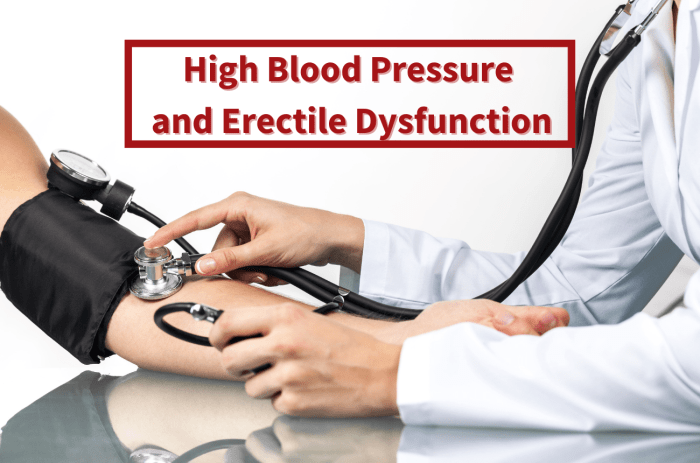
High blood pressure and erectile dysfunction are often linked, and understanding this connection is crucial for proactive health management. This exploration delves into the physiological mechanisms behind this association, examining the prevalence of both conditions and the factors that contribute to their development. We’ll also cover diagnosis, management strategies, potential complications, and ultimately, preventative measures.
High blood pressure, a condition where the force of blood against artery walls is consistently elevated, can negatively impact blood flow throughout the body, potentially leading to erectile dysfunction. Underlying medical conditions and certain medications can further complicate this interplay. Lifestyle factors, including diet and exercise, play a pivotal role in both conditions.
Introduction to the Connection
High blood pressure and erectile dysfunction (ED) are two prevalent health concerns that often affect men, and surprisingly, they may be more closely linked than initially thought. While seemingly disparate, these conditions share common underlying physiological mechanisms that can contribute to the development of both. Understanding this connection can aid in proactive health management and potentially lead to better outcomes for those affected.The physiological mechanisms linking high blood pressure and erectile dysfunction stem from the crucial role of blood flow in both conditions.
Erections depend on adequate blood flow to the penis. High blood pressure, by definition, signifies elevated pressure within the blood vessels. This increased pressure can damage the delicate blood vessels in the penis, making it harder to achieve and maintain an erection. Furthermore, the ongoing stress on the vascular system associated with high blood pressure can also lead to the narrowing or hardening of arteries (atherosclerosis), which further compromises blood flow to the penis.
This impairment directly hinders the physiological processes required for a healthy erection.
Prevalence of Conditions
High blood pressure and erectile dysfunction are both common health issues. According to the Centers for Disease Control and Prevention (CDC), a significant percentage of men in the United States are diagnosed with high blood pressure, while erectile dysfunction affects a considerable portion of the male population as they age. The precise overlap between these conditions is a subject of ongoing research, but the correlation is evident.
The prevalence of both conditions increases with age, and the connection between them is likely multifaceted and complex.
Potential Contributing Factors
Understanding the factors that might contribute to the connection between high blood pressure and erectile dysfunction is crucial for preventive measures and treatment strategies. The table below summarizes potential contributors across various categories.
| Category | Factor | Description |
|---|---|---|
| Lifestyle | Smoking | Smoking damages blood vessels and impairs blood flow, contributing to both high blood pressure and ED. |
| Lifestyle | Lack of Physical Activity | Sedentary lifestyles often correlate with high blood pressure and ED. Regular exercise promotes cardiovascular health, potentially mitigating both conditions. |
| Lifestyle | Poor Diet | Diets high in saturated fat and sodium can contribute to high blood pressure, potentially affecting blood flow and erectile function. |
| Medical Conditions | Diabetes | Diabetes damages blood vessels and nerves, leading to high blood pressure and ED. |
| Medical Conditions | Obesity | Obesity is strongly linked to high blood pressure and ED due to its impact on vascular health and hormone balance. |
| Medical Conditions | Cardiovascular Disease | Pre-existing heart conditions can contribute to high blood pressure and ED, often through impaired blood vessel function. |
| Medications | Diuretics | Certain medications, such as diuretics, can have a side effect of reducing blood volume, which may contribute to ED. |
| Medications | Antidepressants | Some antidepressants may negatively affect erectile function. |
| Medications | Antihypertensives | Certain medications for high blood pressure can sometimes cause ED as a side effect. |
Risk Factors and Considerations
High blood pressure and erectile dysfunction (ED) are often intertwined, sharing several risk factors and potentially impacting each other’s progression. Understanding these connections is crucial for effective prevention and management. Lifestyle choices, underlying medical conditions, and even certain medications can play significant roles in the development and exacerbation of both conditions.A deeper understanding of the shared risk factors and their interplay allows for proactive strategies to reduce the likelihood of developing these conditions or to improve outcomes if they already exist.
This knowledge empowers individuals to make informed decisions about their health and well-being.
Lifestyle Factors Influencing Both Conditions
Lifestyle choices have a profound impact on both high blood pressure and erectile dysfunction. Dietary habits, physical activity levels, and stress management are key factors that significantly affect both conditions. Healthy choices, such as adopting a balanced diet, regular exercise, and stress-reducing techniques, can mitigate the risk of both high blood pressure and ED.
- Dietary Habits: A diet high in saturated and trans fats, sodium, and processed foods contributes to high blood pressure. Similarly, a diet lacking in fruits, vegetables, and fiber can hinder overall cardiovascular health, potentially impacting erectile function. For instance, studies have shown a strong correlation between diets high in processed foods and increased risk of hypertension and ED.
- Physical Activity: Regular physical activity helps regulate blood pressure and improve overall cardiovascular health, which is directly linked to erectile function. Insufficient physical activity increases the risk of both high blood pressure and ED. A sedentary lifestyle, characterized by prolonged periods of inactivity, significantly raises the risk profile for both conditions.
- Stress Management: Chronic stress can elevate blood pressure and negatively impact the nervous system, potentially contributing to erectile dysfunction. Effective stress management techniques, such as meditation, yoga, and deep breathing exercises, can be beneficial in reducing the risk of both conditions.
Impact of Underlying Medical Conditions
Several underlying medical conditions can increase the risk of both high blood pressure and erectile dysfunction. These conditions often share common physiological pathways and contribute to the development of these problems.
- Diabetes: Diabetes significantly increases the risk of both high blood pressure and erectile dysfunction. High blood sugar levels damage blood vessels, impairing blood flow to the penis and contributing to hypertension. Individuals with diabetes should be particularly vigilant about managing their blood sugar levels to reduce the risk of both conditions.
- Obesity: Obesity is strongly associated with high blood pressure and ED. Excess weight puts extra strain on the cardiovascular system, leading to elevated blood pressure and impaired blood flow, which can affect erectile function. Weight loss can often improve both conditions.
- Cardiovascular Disease: A history of cardiovascular disease significantly increases the risk of both high blood pressure and erectile dysfunction. Conditions like atherosclerosis (hardening of the arteries) impair blood flow throughout the body, including to the penis, potentially leading to ED. Managing cardiovascular risk factors is crucial in preventing both conditions.
Role of Medications
Certain medications can either contribute to or exacerbate the development of high blood pressure and erectile dysfunction. Understanding the potential effects of medications is essential for informed decision-making.
- Diuretics: Diuretics, commonly prescribed for high blood pressure, can sometimes lead to dehydration, which can indirectly affect erectile function. Careful monitoring and adjustment of dosage may be necessary.
- Antidepressants: Certain antidepressants can impact sexual function, including erectile function. Consult with a doctor to explore alternative options or strategies to manage side effects.
- Certain Antihypertensives: Some blood pressure medications can have side effects that negatively impact erectile function. Open communication with a physician is essential for appropriate medication selection and management.
Comparative Analysis of Risk Factors
| Risk Factor | High Blood Pressure | Erectile Dysfunction |
|---|---|---|
| Smoking | Increases risk significantly | Impairs blood flow, increases risk |
| Obesity | Strong correlation | Impairs blood flow, increases risk |
| Diabetes | Strong correlation | Damages blood vessels, increases risk |
| Lack of Exercise | Increases risk | Reduces overall cardiovascular health, increases risk |
| Stress | Elevates blood pressure | Impacts nervous system, increases risk |
Diagnosis and Assessment
Uncovering the root causes of high blood pressure and erectile dysfunction requires a thorough diagnostic process. This involves understanding the specific methods used for each condition, comparing the diagnostic criteria, and outlining a comprehensive assessment strategy for patients presenting with both issues. Proper diagnosis is crucial for developing an effective treatment plan tailored to the individual’s unique needs.
Methods for Diagnosing High Blood Pressure
High blood pressure is typically diagnosed through a series of measurements taken over time. Regular blood pressure readings are essential. A single elevated reading doesn’t definitively diagnose hypertension, as readings can fluctuate. The diagnosis is confirmed by consistent elevated readings across multiple visits. These readings are often taken using a sphygmomanometer, a device that measures the pressure in the arteries.
The readings are reported as two numbers: systolic (the pressure when the heart beats) and diastolic (the pressure when the heart rests between beats). A reading of 130/80 mmHg or higher consistently over time usually indicates hypertension. Additional tests might be conducted to identify underlying causes, such as kidney problems or hormonal imbalances.
Diagnostic Procedures for Erectile Dysfunction
Erectile dysfunction (ED) diagnosis is multifaceted, encompassing a physical examination, patient history, and potentially some specialized testing. A physical examination helps assess overall health and look for potential underlying conditions that could be contributing factors. The patient’s medical history is meticulously reviewed to identify any existing health problems, medications, or lifestyle factors that might contribute to ED. Questionnaires, such as the International Index of Erectile Function (IIEF), are often used to assess the severity and frequency of ED symptoms.
Further investigation may involve blood tests to check for hormonal imbalances or other underlying conditions. Ultrasound testing may be used to evaluate blood flow to the penis.
Comparison of Diagnostic Criteria
While both conditions are diagnosed through various tests and examinations, the diagnostic criteria for high blood pressure focus on consistent blood pressure readings above a certain threshold, while ED diagnosis considers a combination of factors including physical examination, patient history, and functional assessments. High blood pressure is primarily measured and tracked, while ED diagnosis requires evaluating multiple aspects of sexual function and overall health.
Assessment Steps for Patients with Both Conditions
A comprehensive assessment for patients with both high blood pressure and erectile dysfunction needs to address both conditions. A step-by-step approach is crucial for ensuring accuracy and thoroughness.
| Step | Action | Purpose |
|---|---|---|
| 1 | Detailed Patient History | Gathering information about medical history, lifestyle, medications, and potential risk factors for both conditions. |
| 2 | Physical Examination | Assessing overall health, including vital signs (blood pressure, heart rate), and identifying any physical abnormalities that might be related to either condition. |
| 3 | Blood Pressure Monitoring | Consistently measuring blood pressure to confirm and track hypertension. |
| 4 | Erectile Function Assessment | Using questionnaires like the IIEF to evaluate the severity and frequency of erectile dysfunction symptoms. |
| 5 | Blood Tests | Checking for hormonal imbalances, lipid profiles, and other potential underlying causes. |
| 6 | Additional Tests (as needed) | Considering further investigations like ultrasound to evaluate blood flow to the penis or tests for kidney function, depending on the patient’s specific situation. |
Management and Treatment Strategies
Managing high blood pressure and erectile dysfunction often requires a multifaceted approach, encompassing lifestyle modifications, medication, and regular monitoring. A collaborative effort between patients and healthcare professionals is crucial for effective management and improvement in overall well-being. This section details recommended approaches to managing these conditions, exploring treatment options, lifestyle changes, and the importance of ongoing monitoring.
Recommended Approaches to Managing High Blood Pressure
Effective management of high blood pressure focuses on a combination of lifestyle modifications and, when necessary, medication. These strategies aim to lower blood pressure and reduce the risk of cardiovascular complications. A cornerstone of this approach is a healthy lifestyle.
- Dietary Modifications: A balanced diet low in sodium, saturated fats, and cholesterol is essential. Prioritizing fruits, vegetables, and whole grains, while limiting processed foods, can significantly impact blood pressure levels. For example, studies have shown that a DASH (Dietary Approaches to Stop Hypertension) diet can effectively lower blood pressure in many individuals.
- Regular Exercise: Physical activity helps regulate blood pressure and improve overall cardiovascular health. Aim for at least 150 minutes of moderate-intensity or 75 minutes of vigorous-intensity aerobic activity per week, along with muscle-strengthening activities on two or more days a week. A consistent exercise routine can help maintain healthy blood pressure levels.
- Stress Management: Chronic stress can elevate blood pressure. Techniques such as meditation, yoga, or deep breathing exercises can help manage stress and promote relaxation, which can have a positive impact on blood pressure levels.
- Limiting Alcohol Consumption: Excessive alcohol intake can raise blood pressure. Moderation is key, and individuals should consult their doctor about appropriate alcohol intake levels.
Treatment Options for Erectile Dysfunction
Erectile dysfunction (ED) can have various underlying causes, and treatment options are tailored to individual needs. Addressing the root causes, whether physical or psychological, is crucial for effective management.
High blood pressure and erectile dysfunction can sometimes be linked to underlying health issues. For example, certain inflammatory conditions, like distal interphalangeal predominant DIP psoriatic arthritis overview, can have a cascading effect on overall health, impacting both vascular function and hormone levels. This can, in turn, affect the delicate balance required for healthy erectile function. Understanding the interplay between these conditions is crucial for effective treatment strategies.
Learning more about the specific factors involved can be found in this helpful overview. distal interphalangeal predominant dip psoriatic arthritis overview Ultimately, a holistic approach to managing high blood pressure and erectile dysfunction is often necessary.
- Oral Medications: Prescription medications like sildenafil (Viagra), tadalafil (Cialis), and vardenafil (Levitra) are commonly used to treat ED by increasing blood flow to the penis. These medications often show positive results for many patients.
- Lifestyle Changes: As mentioned previously, lifestyle modifications, including diet, exercise, and stress management, can significantly impact ED. These strategies address the underlying factors contributing to the condition.
- Vacuum Erection Devices: These devices use negative pressure to create an erection, and they can be a helpful option for some men.
- Penile Implants: For men who do not respond to other treatments, surgical penile implants can restore erectile function.
Lifestyle Modifications for Both Conditions
Addressing both high blood pressure and erectile dysfunction through lifestyle changes is often highly effective. These modifications are critical in reducing the severity of both conditions and preventing future complications.
- Weight Management: Maintaining a healthy weight is crucial for both conditions. Excess weight can exacerbate high blood pressure and contribute to ED. For instance, studies have shown a correlation between obesity and an increased risk of both conditions.
- Smoking Cessation: Smoking damages blood vessels, negatively impacting both blood pressure and erectile function. Quitting smoking is a significant step towards improving overall health and managing these conditions effectively.
- Sleep Hygiene: Adequate sleep is essential for overall health and can play a role in both conditions. Establishing a regular sleep schedule and creating a conducive sleep environment can contribute to better health outcomes.
Potential Benefits of Combined Treatment Strategies
Simultaneously addressing high blood pressure and erectile dysfunction can lead to significant improvements in both conditions. Treating one condition can positively impact the other. For example, reducing blood pressure can improve blood flow, which is beneficial for erectile function.
Importance of Regular Check-ups and Monitoring
Regular check-ups with a healthcare professional are essential for monitoring blood pressure, erectile function, and overall health. These check-ups allow for early detection of potential complications and adjustments to treatment plans as needed. Early detection and intervention are key to managing both conditions effectively.
Treatment Options and Potential Side Effects
| Treatment Option | Potential Side Effects |
|---|---|
| Oral Medications (e.g., sildenafil) | Headache, flushing, nasal congestion, visual disturbances |
| Lifestyle Modifications | Requires commitment and patience; results may take time to manifest |
| Vacuum Erection Devices | Discomfort, bruising, pain |
| Penile Implants | Infection, mechanical failure, cosmetic concerns |
Potential Complications and Prognosis: High Blood Pressure And Erectile Dysfunction
Untreated or poorly managed high blood pressure and erectile dysfunction can lead to a cascade of serious health consequences. These conditions, while often seemingly isolated, have significant impacts on overall well-being and can dramatically reduce quality of life. Understanding the potential complications and the importance of early intervention is crucial for proactive health management.
Cardiovascular Complications of High Blood Pressure
High blood pressure, if left uncontrolled, significantly increases the risk of developing various cardiovascular diseases. Uncontrolled hypertension damages blood vessels, leading to atherosclerosis, the buildup of plaque in the arteries. This narrowing can restrict blood flow, increasing the risk of heart attacks, strokes, and peripheral artery disease. Patients with high blood pressure often experience chest pain (angina), shortness of breath, and fatigue.
For instance, a patient with uncontrolled hypertension over several years might experience a severe heart attack, requiring extensive medical intervention and potentially long-term cardiac rehabilitation.
Neurological Complications of High Blood Pressure
Chronic high blood pressure can also damage the delicate blood vessels in the brain, increasing the risk of stroke. Strokes can result in permanent neurological damage, leading to difficulties with speech, movement, and cognitive function. Furthermore, high blood pressure can contribute to cognitive decline, potentially increasing the risk of dementia in the long term.
Kidney Damage from High Blood Pressure
High blood pressure can harm the kidneys, leading to kidney disease. As blood vessels in the kidneys narrow, blood flow to the organs is reduced, causing damage to the delicate kidney tissue. Over time, this can lead to kidney failure, requiring dialysis or a kidney transplant. For example, a patient with poorly managed hypertension over a decade could develop end-stage renal disease, needing regular dialysis treatments to sustain life.
High blood pressure and erectile dysfunction can sometimes be linked to underlying health issues. For example, damage to the frontal lobe of the brain, such as from frontal lobe head trauma , can impact nerve signals crucial for blood flow and overall bodily functions, potentially contributing to these conditions. This is why it’s important to get a full medical evaluation if you experience both high blood pressure and erectile dysfunction, to uncover any potential root causes.
Erectile Dysfunction Complications
Erectile dysfunction (ED) itself can be a symptom of underlying health issues, often related to vascular problems. In some cases, ED can be a marker of a more significant cardiovascular disease, potentially indicating a higher risk of future heart problems. The psychological impact of ED can also be substantial, impacting self-esteem and relationships. For instance, a man with ED due to underlying vascular issues might experience a heart attack within a few years if the underlying cause is not addressed.
Impact on Overall Health and Well-being
The combined impact of untreated high blood pressure and erectile dysfunction can be devastating to overall health and well-being. The conditions can lead to decreased quality of life, reduced mobility, and increased dependence on others for assistance with daily tasks. The psychological distress associated with these conditions can be significant, leading to depression and anxiety.
Potential Long-Term Consequences
The long-term consequences of untreated or poorly managed high blood pressure and erectile dysfunction can be severe. These include reduced life expectancy, increased healthcare costs, and a significant impact on overall quality of life. Early detection and management are crucial to mitigating these risks.
Importance of Early Intervention and Proactive Management, High blood pressure and erectile dysfunction
Early intervention and proactive management are essential for preventing or mitigating the potential complications of high blood pressure and erectile dysfunction. Regular check-ups, lifestyle modifications, and adherence to prescribed medications can significantly reduce the risk of developing serious complications.
Summary Table of Potential Complications
| Condition | Potential Complications | Associated Risks |
|---|---|---|
| High Blood Pressure | Heart attack, stroke, kidney disease, peripheral artery disease, cognitive decline, vision problems | Increased mortality, reduced quality of life, increased healthcare costs |
| Erectile Dysfunction | Cardiovascular disease, psychological distress, relationship problems | Increased risk of heart attack, stroke, reduced quality of life |
Illustrative Case Studies
Understanding the interplay between high blood pressure and erectile dysfunction requires examining real-world examples. Case studies offer valuable insights into the diagnostic process, treatment approaches, and patient responses. These narratives can help healthcare professionals tailor treatment strategies and improve patient outcomes.
Case Study: Mr. Johnson
Mr. Johnson, a 55-year-old male, presented with both high blood pressure (hypertension) and erectile dysfunction (ED). His medical history revealed a family history of hypertension and a sedentary lifestyle. He reported a gradual decline in erectile function over the past two years, coupled with persistent elevated blood pressure readings.
Diagnostic and Treatment Process
Initial assessments included a thorough physical examination, detailed medical history, and blood tests to evaluate cardiovascular risk factors. Blood pressure readings were consistently elevated, and laboratory results confirmed dyslipidemia. Further diagnostic tests, including a penile Doppler ultrasound, were conducted to assess blood flow to the penis. The results confirmed a reduced blood flow consistent with the patient’s ED symptoms.
A consultation with a urologist and a cardiologist was deemed necessary to manage both conditions concurrently.The treatment plan involved a multi-pronged approach. The cardiologist prescribed a combination of antihypertensive medications to effectively control blood pressure. A low-sodium diet and increased physical activity were also recommended. The urologist initiated oral medications for erectile dysfunction, with a focus on enhancing blood flow to the penis.
Regular follow-up appointments were scheduled to monitor blood pressure, adjust medications, and assess the effectiveness of the treatment on both conditions.
High blood pressure and erectile dysfunction often go hand-in-hand, impacting men’s overall health. Finding natural ways to manage these conditions is key, and the nutritional differences between chia seeds and flaxseed could play a significant role. For example, a comparison of the nutritional profiles of chia seeds vs flaxseed might reveal beneficial properties for blood pressure regulation, which could indirectly contribute to better erectile function.
Ultimately, understanding these connections can empower men to make informed choices for their well-being.
Patient Response to Treatment
Mr. Johnson demonstrated a positive response to the combined treatment approach. His blood pressure readings became more stable, and his erectile function significantly improved within three months. He reported increased sexual satisfaction and a renewed sense of well-being. He actively participated in lifestyle modifications, including regular exercise and a healthy diet, which contributed to the positive outcomes.
Key Details and Outcomes
| Detail | Outcome |
|---|---|
| Patient Age | 55 years old |
| Presenting Complaints | High blood pressure and erectile dysfunction |
| Medical History | Family history of hypertension, sedentary lifestyle |
| Diagnostic Tests | Physical examination, blood tests, penile Doppler ultrasound |
| Treatment Approach | Combination of antihypertensive medications, lifestyle modifications (diet and exercise), oral ED medications |
| Response to Treatment | Improved blood pressure control, significant improvement in erectile function, increased sexual satisfaction |
Prevention Strategies
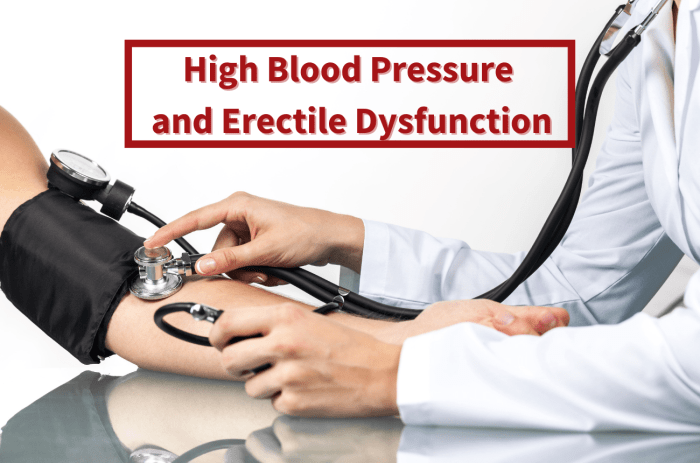
Taking proactive steps to prevent both high blood pressure and erectile dysfunction is crucial for overall well-being. A healthy lifestyle, encompassing regular exercise and a balanced diet, forms the cornerstone of these preventative measures. By understanding and implementing these strategies, individuals can significantly reduce their risk of developing these conditions.
Lifestyle Modifications for Prevention
Adopting a healthy lifestyle is the cornerstone of preventing both high blood pressure and erectile dysfunction. This includes focusing on regular exercise, a balanced diet rich in fruits, vegetables, and whole grains, and limiting intake of processed foods, sugary drinks, and excessive salt. Maintaining a healthy weight plays a vital role in mitigating the risk factors associated with these conditions.
Regular physical activity is paramount for cardiovascular health and overall well-being. Aerobic exercises like brisk walking, jogging, swimming, or cycling, performed consistently, can help regulate blood pressure and improve blood flow, contributing to improved erectile function.
Dietary Recommendations for Prevention
A balanced diet plays a critical role in preventing both high blood pressure and erectile dysfunction. Focus on consuming a diet rich in fruits, vegetables, and whole grains. These foods are packed with essential vitamins, minerals, and fiber, contributing to overall health and potentially reducing the risk of these conditions. Limiting saturated and trans fats, sodium, and processed foods is essential.
Adequate hydration is also important.
Exercise Regimen for Prevention
Regular exercise is a cornerstone of preventing both high blood pressure and erectile dysfunction. Consistent physical activity helps regulate blood pressure and improve blood flow, impacting erectile function positively. Aim for at least 150 minutes of moderate-intensity aerobic activity or 75 minutes of vigorous-intensity activity per week, along with muscle-strengthening activities on two or more days a week.
Examples include brisk walking, jogging, swimming, cycling, or team sports. Consult a healthcare professional before starting any new exercise program.
Key Prevention Strategies and Effectiveness
| Prevention Strategy | Effectiveness | Explanation |
|---|---|---|
| Regular Exercise | High | Improves cardiovascular health, regulates blood pressure, and enhances blood flow, potentially improving erectile function. |
| Balanced Diet | High | Provides essential nutrients, helps manage weight, and reduces intake of harmful substances like sodium and unhealthy fats. |
| Stress Management | Moderate | Chronic stress can contribute to both high blood pressure and erectile dysfunction. Techniques like meditation, yoga, and deep breathing exercises can be beneficial. |
| Smoking Cessation | High | Smoking significantly damages blood vessels and negatively impacts blood flow, increasing the risk of both high blood pressure and erectile dysfunction. |
| Maintaining a Healthy Weight | High | Excess weight often contributes to high blood pressure and other cardiovascular issues, increasing the risk of erectile dysfunction. |
Epilogue
In conclusion, high blood pressure and erectile dysfunction share a complex relationship, often influenced by interwoven risk factors and lifestyle choices. Understanding the diagnostic processes, treatment options, and potential complications is paramount for effective management. Adopting a proactive approach, including lifestyle modifications and regular check-ups, is key to preventing and addressing these issues effectively. The potential benefits of combined treatment strategies and early intervention cannot be overstated.