Tips for using benzoyl peroxide are crucial for effective acne treatment. This guide delves into everything you need to know about applying this common acne medication, from understanding its different strengths and forms to navigating potential side effects and combination therapies. We’ll cover proper application techniques, how to choose the right strength for your skin type, and even discuss combining benzoyl peroxide with other treatments for optimal results.
Benzoyl peroxide is a powerful acne-fighting agent that works by killing bacteria and reducing inflammation. It comes in various strengths, forms (washes, creams, gels), and application methods. Understanding these nuances is key to maximizing its effectiveness while minimizing potential irritation.
Benzoyl Peroxide: A Deep Dive into Acne Treatment
Benzoyl peroxide is a popular over-the-counter acne treatment. It’s a powerful oxidizing agent that works in several ways to combat acne, making it a go-to for many. Understanding how it works, its different forms, and appropriate use is crucial for effective acne management.Benzoyl peroxide’s primary mechanism of action involves disrupting the growth of P. acnes, a bacterium often implicated in acne formation.
It also helps to exfoliate the skin, unclog pores, and reduce inflammation. This combination of effects contributes to the reduction of acne lesions.
Strengths and Concentrations
Different strengths of benzoyl peroxide are available to suit various needs. The concentration of benzoyl peroxide directly correlates with its potency and the severity of acne it’s designed to treat. Lower concentrations (e.g., 2.5%) are often suitable for mild acne, while higher concentrations (e.g., 10%) are reserved for more severe cases. It’s crucial to start with a lower concentration and gradually increase if necessary, under the guidance of a dermatologist or healthcare professional.
Using higher concentrations without proper guidance can lead to skin irritation and side effects.
Product Forms
Benzoyl peroxide is available in various forms, each with its own application method and potential benefits. These forms include washes, creams, gels, and pads. The chosen form depends on individual preferences and the specific needs of the skin.
Application Methods
The application method for benzoyl peroxide varies depending on the product form. Generally, affected areas should be cleaned and dried before applying the product. The recommended application frequency is usually twice daily, in the morning and evening. It’s important to follow the instructions provided with the specific product to ensure optimal results and avoid adverse effects.
Comparison Table
| Product Type | Strength (%) | Form | Application Method |
|---|---|---|---|
| Wash | 2.5 | Wash | Apply a small amount to affected areas, avoiding the eyes and mouth. Rinse thoroughly after application. |
| Cream | 5 | Cream | Apply a thin layer to affected areas, avoiding the eyes and mouth. |
| Gel | 5-10 | Gel | Apply a thin layer to affected areas, avoiding the eyes and mouth. |
| Pads | 2.5-10 | Pads | Apply the pad to affected areas. Avoid touching the active area of the pad. |
Proper Application Techniques: Tips For Using Benzoyl Peroxide
Benzoyl peroxide is a powerful acne treatment, but its effectiveness hinges on proper application. Incorrect application can lead to skin irritation and reduced efficacy. Understanding the correct technique and precautions is crucial for maximizing results and minimizing potential side effects.Applying benzoyl peroxide effectively requires more than just slathering it on. The amount, frequency, and application method all play a critical role in achieving desired outcomes without causing harm.
So, you’re looking for benzoyl peroxide tips? Great! It’s a powerful acne treatment, but using it correctly is key. For example, start with a low concentration and gradually increase, as some people experience increased sensitivity. Also, remember to apply it sparingly and always moisturize after. Interestingly, similar careful application strategies can be helpful for managing some chemotherapy side effects, like skin irritation, chemotherapy side effects a2 can be tricky, but benzoyl peroxide can be a useful tool in your arsenal for maintaining healthy skin throughout your treatment.
Just remember to always consult your doctor before changing your skincare routine.
Following a consistent routine, avoiding sensitive areas, and knowing how to manage potential reactions are key to a successful treatment plan.
Correct Application Amount and Frequency
Benzoyl peroxide comes in various concentrations. The concentration you use will be determined by your dermatologist or based on the product instructions. A lower concentration (e.g., 2.5%) might be suitable for initial use, while higher concentrations (e.g., 10%) may be needed for more severe acne. Always follow the product instructions regarding the appropriate amount and frequency of application.
Using benzoyl peroxide effectively for acne can be tricky, but a gentle approach is key. For example, starting with a low concentration and gradually increasing it is a good idea. Also, be mindful of potential side effects, like skin irritation, which can sometimes mimic other conditions. It’s worth checking out information on asthma medication side effects to understand how different medications can impact skin reactions.
Ultimately, consistent application and careful monitoring of your skin’s response are vital for successful acne treatment with benzoyl peroxide.
Start with a small amount and gradually increase as tolerated. Excessive application can lead to irritation. Frequency recommendations will vary depending on the concentration and your skin’s response. A dermatologist can help tailor a regimen to your specific needs.
Avoiding Contact with Eyes and Sensitive Areas
Benzoyl peroxide can irritate the eyes and other sensitive areas. Applying it to these areas should be avoided to prevent discomfort or damage. Always apply benzoyl peroxide to the affected skin areas only, and keep it away from the eyes, lips, and any broken skin.
Step-by-Step Application Guide, Tips for using benzoyl peroxide
- Thoroughly cleanse the affected area with a gentle cleanser. This step is crucial to remove dirt, oil, and makeup that can interfere with the benzoyl peroxide’s effectiveness and potentially increase irritation.
- Pat the skin dry with a soft towel. Avoid rubbing, as this can irritate the skin.
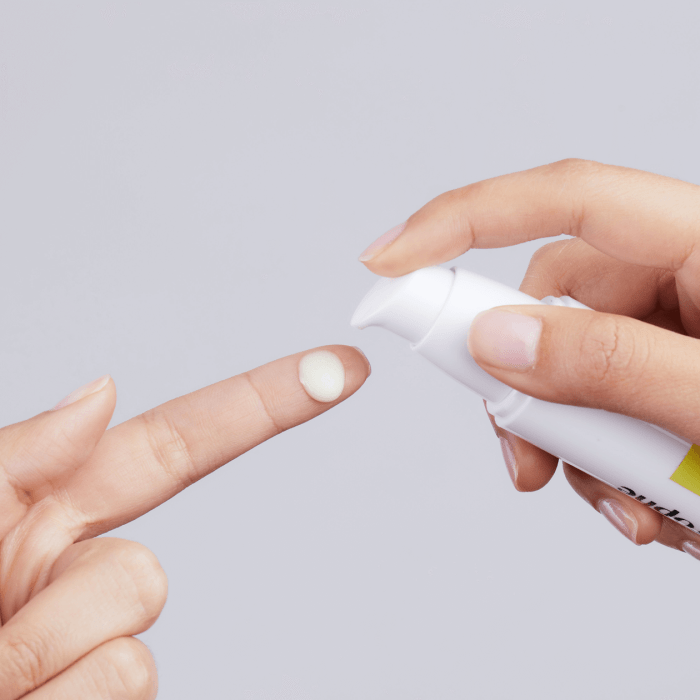
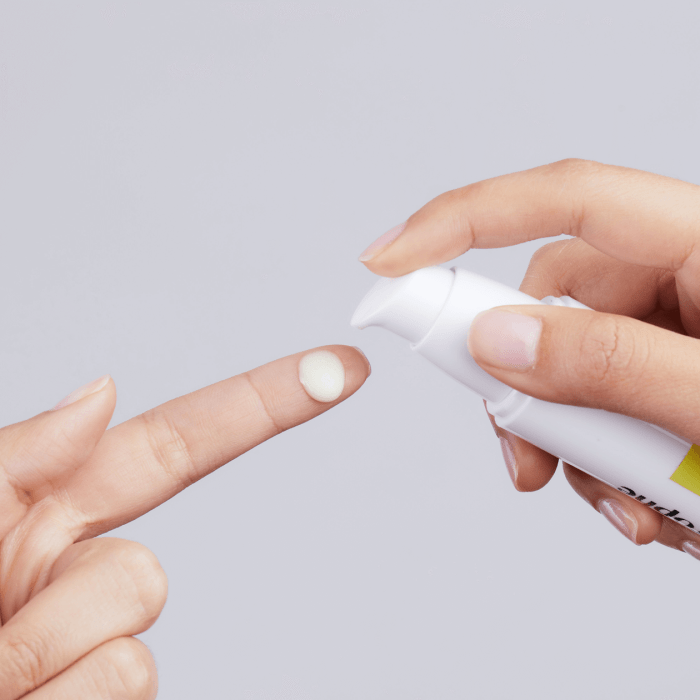
- Apply a small amount of benzoyl peroxide directly to the affected area using a cotton swab or your fingertips. Apply only to the acne-prone areas and not to the surrounding skin.
- Avoid applying benzoyl peroxide to the same area multiple times a day unless your dermatologist has instructed otherwise. Following the instructions on the product label is essential to prevent over-application.
- If irritation occurs, immediately reduce the frequency of application or switch to a milder product.
Importance of Gentle Cleansing Before Application
Gentle cleansing before applying benzoyl peroxide is paramount. Harsh cleansers can strip the skin of its natural oils, leading to dryness and irritation, which can hinder the effectiveness of benzoyl peroxide and worsen acne. Using a gentle, fragrance-free cleanser minimizes these issues and creates a better environment for the treatment to work.
Potential Skin Reactions and Management
| Reaction | Symptoms | Action |
|---|---|---|
| Irritation | Redness, itching, stinging | Reduce application frequency, use a milder concentration of benzoyl peroxide, or a gentler cleanser. Consider a short break from treatment and consult a dermatologist if the irritation persists. |
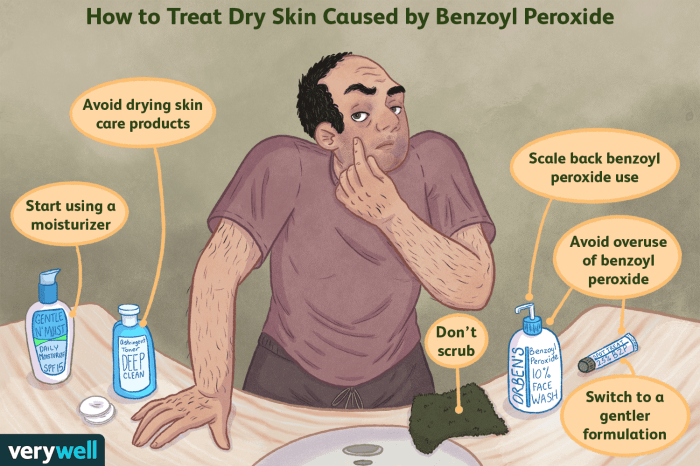
| Dryness | Flaking, tightness, peeling | Use a moisturizer, particularly one formulated for sensitive skin. Apply benzoyl peroxide less frequently, or apply it only to areas with active acne. Avoid using harsh or abrasive products. |
| Burning | Stinging, pain | Stop using benzoyl peroxide immediately. Consult a dermatologist for alternative treatment options. |
Understanding Potential Side Effects
Benzoyl peroxide, while a powerful acne treatment, can sometimes cause unwanted side effects. Knowing what to expect and how to manage these reactions is crucial for successful and comfortable use. This section delves into the common side effects, their severity, and practical strategies to minimize them.The effectiveness of benzoyl peroxide often comes at the cost of some initial skin discomfort.
Understanding the potential side effects allows you to adjust your usage and address any issues proactively, ensuring a smoother acne-fighting journey.
Common Side Effects
Benzoyl peroxide’s active nature can lead to various skin reactions, most commonly dryness, redness, and burning. These are often temporary and manageable with appropriate precautions.
Severity and Duration of Side Effects
The severity and duration of side effects vary depending on several factors, including the concentration of benzoyl peroxide, the frequency of application, and individual skin sensitivity. Lower concentrations generally produce milder reactions, lasting shorter periods. For example, a 2.5% benzoyl peroxide gel might cause mild dryness, while a 10% cream could lead to more pronounced and longer-lasting irritation.
It’s important to listen to your skin and adjust accordingly.
Minimizing the Risk of Side Effects
Several strategies can significantly reduce the risk of experiencing unpleasant side effects. Starting with a low concentration and gradually increasing the strength is often a good approach. Also, applying benzoyl peroxide only to affected areas and avoiding overuse can minimize the potential for irritation.
Managing Skin Irritation
If irritation arises, several methods can help soothe the skin. Applying a gentle moisturizer, particularly after using benzoyl peroxide, can help alleviate dryness and tightness. Cooling compresses can also help reduce redness and inflammation. If the irritation persists or worsens, consult a dermatologist.
Strength and Form Comparison
The strength of benzoyl peroxide significantly impacts the potential for side effects. Higher concentrations tend to cause more pronounced dryness, redness, and burning. The form of benzoyl peroxide, such as a cream, gel, or wash, also influences its impact on the skin. Creams are generally gentler than gels, and washes are often less potent than gels. For instance, a 5% benzoyl peroxide wash may cause less irritation than a 10% benzoyl peroxide cream.
So, you’re trying to conquer those pesky blemishes with benzoyl peroxide? Great! Remember to apply it sparingly at first, and gradually increase the amount as tolerated. Knowing how long COVID-19 can survive on surfaces ( how long does covid live on surfaces ) can also help you decide on appropriate hygiene routines. Following up with a gentle moisturizer is key to preventing dryness, and always listen to your skin’s signals – if it’s reacting negatively, dial back the application.
Table of Possible Side Effects
| Side Effect | Symptoms | Mitigation Strategy |
|---|---|---|
| Dryness | Flaking, tightness, itching | Use a fragrance-free moisturizer, apply less frequently, consider using a lower concentration. |
| Redness | Inflammation, redness, warmth | Apply a cooling compress, use a milder product, consider using a hydrating toner or serum. |
| Burning | Stinging, sharp pain | Stop use immediately, consult a dermatologist. |
| Irritation | Redness, swelling, itching, rash | Use a milder product, reduce application frequency, apply a soothing moisturizer. |
Combining Benzoyl Peroxide with Other Treatments
Benzoyl peroxide, a powerful acne treatment, can be effectively used in conjunction with other topical medications. Understanding how these treatments interact and the potential benefits and drawbacks is crucial for optimizing acne management. Combining different products can either enhance or exacerbate the treatment’s effectiveness, so a cautious and informed approach is essential.
Potential Interactions and Precautions
Combining benzoyl peroxide with other acne treatments, such as retinoids or salicylic acid, can lead to synergistic effects, boosting the overall efficacy. However, combining these treatments can also increase the risk of skin irritation, dryness, or redness. This is especially important for individuals with sensitive skin. Therefore, a careful assessment of individual skin reactions and a consultation with a dermatologist are highly recommended before starting any combination therapy.
Successful Combination Therapies for Acne
Numerous combination therapies have proven effective in managing acne. A common and often successful approach involves using benzoyl peroxide in conjunction with salicylic acid. Salicylic acid’s keratolytic properties work synergistically with benzoyl peroxide’s antimicrobial action, leading to a more comprehensive approach to acne treatment. This combination is often more effective than using either treatment alone.Another effective approach is using benzoyl peroxide with a retinoid.
Retinoids promote cell turnover, which can help unclog pores and reduce inflammation. However, the combination of benzoyl peroxide and retinoids can increase the risk of skin irritation, and it’s crucial to start with a low concentration and gradually increase the frequency or strength of either treatment. A dermatologist can tailor a regimen to minimize irritation and maximize effectiveness.
Examples of successful combination therapies include using a low concentration benzoyl peroxide at night and a retinoid in the morning, or alternating the applications of both treatments on different days.
Importance of Consulting a Dermatologist
Before combining benzoyl peroxide with other acne treatments, it is imperative to consult a dermatologist. A dermatologist can assess individual skin type, sensitivity, and current health conditions to determine the most appropriate and safe combination therapy. They can also provide personalized guidance on the appropriate concentrations, frequencies, and application methods to maximize efficacy and minimize potential side effects.
They will consider the patient’s specific needs, which may include skin sensitivity or other medical conditions.
Summary Table of Potential Combinations
| Treatment 1 | Treatment 2 | Potential Effects |
|---|---|---|
| Benzoyl Peroxide | Salicylic Acid | Synergistic effect on acne, potentially leading to improved results. |
| Benzoyl Peroxide | Retinoid | Potential for increased irritation, requiring careful monitoring and potentially lower concentrations of each treatment to start. |
| Benzoyl Peroxide | Azelaic Acid | Generally well-tolerated, with potential for reduced inflammation and improved acne outcomes. |
Benzoyl Peroxide for Specific Skin Types
Benzoyl peroxide, a powerful acne treatment, is effective for various skin types. However, its potency necessitates careful consideration of individual skin sensitivities. Understanding how to tailor its use to your skin type is crucial for achieving optimal results without irritating or damaging your skin. Different skin types respond differently to benzoyl peroxide, and adjusting application frequency and strength is essential for avoiding adverse reactions and maximizing treatment efficacy.Applying benzoyl peroxide correctly and in the appropriate strength is key to preventing negative skin reactions.
This tailored approach allows for targeted treatment, minimizing the risk of irritation and maximizing the chances of achieving clear skin. Remember, consistency and patience are vital for seeing results.
Adjusting Benzoyl Peroxide Usage by Skin Type
Different skin types react differently to benzoyl peroxide. To optimize results and minimize discomfort, it’s essential to adapt application strategies based on your skin’s specific needs.
| Skin Type | Product Strength Recommendation | Application Frequency |
|---|---|---|
| Oily | Higher concentration (e.g., 5-10%) | Daily, or as directed by a dermatologist |
| Dry | Lower concentration (e.g., 2.5-5%) | Less frequently, perhaps every other day, or as directed by a dermatologist |
| Sensitive | Lowest concentration (e.g., 2.5% or lower) | Less frequently, perhaps every other day, or as directed by a dermatologist |
Preventing Skin Reactions for Different Skin Types
Skin reactions to benzoyl peroxide can range from mild dryness to more severe irritation. Understanding these potential reactions and taking proactive measures is essential for a positive treatment experience.
- Oily Skin: For oily skin, applying benzoyl peroxide daily at a higher concentration might be effective, but it’s crucial to start slowly. Begin with a lower concentration and gradually increase it over a few days if your skin tolerates it well. Always moisturize after application to help prevent dryness, which can exacerbate oil production.
- Dry Skin: Dry skin often reacts poorly to benzoyl peroxide’s drying effects. Using a lower concentration is crucial. Pairing benzoyl peroxide with a gentle, hydrating moisturizer is vital to maintain skin’s moisture barrier. Applying the product less frequently, like every other day, can also help reduce dryness.
- Sensitive Skin: Sensitive skin requires the most cautious approach. Start with the lowest possible benzoyl peroxide concentration and apply it infrequently. A short application period might be more suitable to gauge your skin’s response. If irritation develops, discontinue use immediately and consult a dermatologist.
Importance of Appropriate Benzoyl Peroxide Strength
Choosing the correct benzoyl peroxide strength is critical for achieving effective acne treatment without causing unnecessary skin irritation. A higher concentration may provide quicker results for some individuals, but it also increases the risk of adverse reactions. Starting with a lower concentration and gradually increasing it if tolerated allows you to determine your skin’s tolerance threshold.
- Higher strengths are generally suitable for oily skin, but even here, a gradual increase is crucial. This prevents unexpected skin reactions.
- Lower strengths are best for dry or sensitive skin, enabling a gentler approach to acne treatment.
- Consulting a dermatologist is essential for determining the most suitable benzoyl peroxide strength and application frequency for your specific skin type and needs. They can provide personalized advice and monitor your response to the treatment.
Closing Summary
In conclusion, using benzoyl peroxide effectively requires careful consideration of your skin type, the product’s strength, and proper application techniques. By following these tips, you can potentially reduce acne breakouts while minimizing the risk of side effects. Remember to always consult with a dermatologist if you have concerns or experience significant irritation. Ultimately, understanding benzoyl peroxide is a crucial step in your acne management journey.